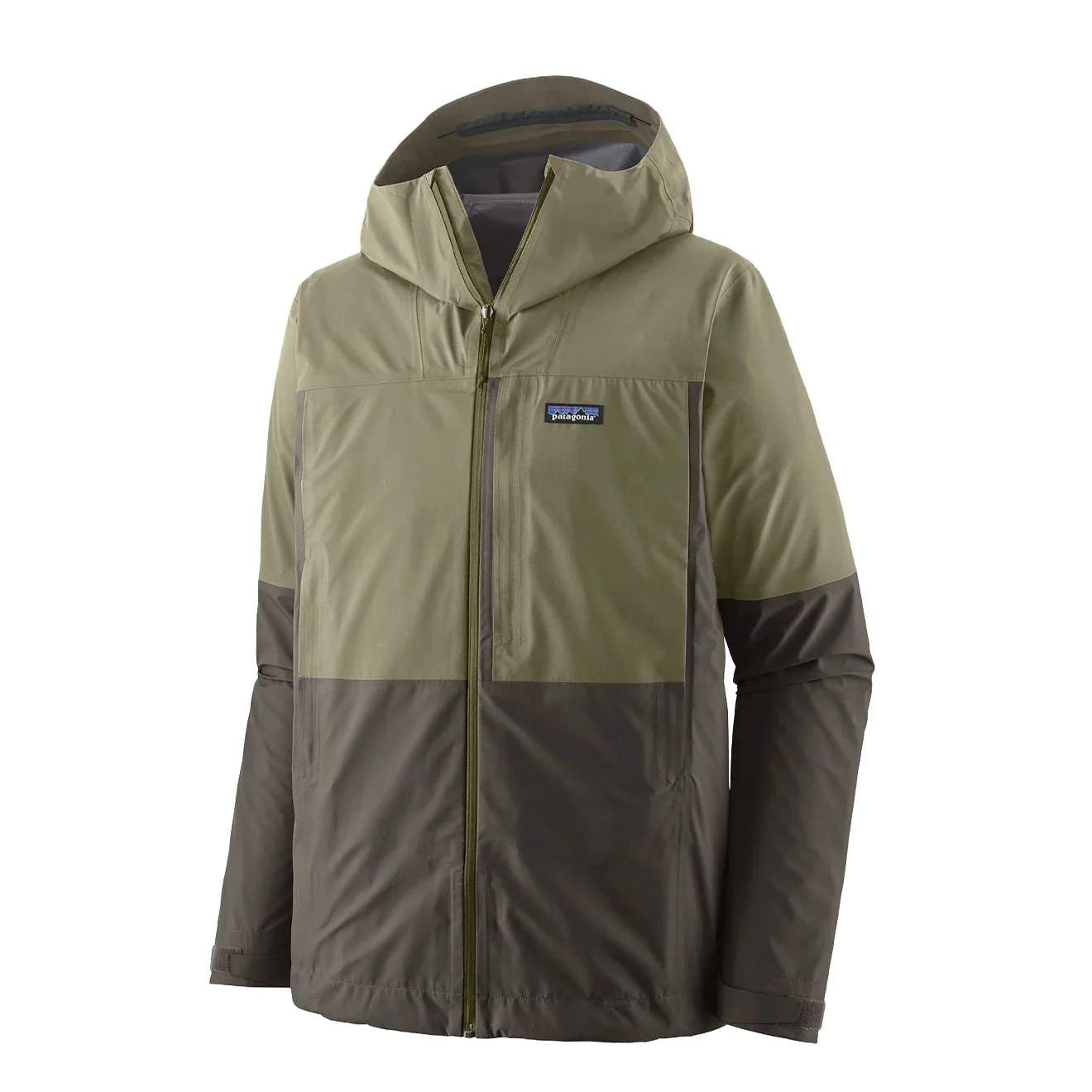
bettertrail found the Patagonia Boulder Fork offers a comfortable, streamlined fit with excellent wind protection but noted that limited breathability keeps it from being a technical backcountry shell. The Great Outdoors Mag highlighted the jacket's lightweight construction and high-quality materials while warning that the absence of underarm vents makes it less suitable for strenuous movement. Switchback Travel praised its reliable waterproofing and sustainability credentials, though they acknowledged it lacks standout features compared to more specialized competitors. This rain jacket is best suited for casual commuting, travel, and low-output hiking where comfort and packability matter more than high-intensity ventilation.
Full review
H2No membrane wets out under sustained precipitation
The Patagonia Boulder Fork utilizes a proprietary H2No Performance Standard waterproofing system, but field reports indicate that the face fabric struggles to maintain water repellency during extended exposure. bettertrail recorded that while the PFAS-free durable water-repellent finish beads initially, the shell begins to wet out fairly quickly along the shoulder seams and front panel. The reviewer noted staying dry in rain lasting between 30 to 75 minutes, but observed visible absorption of water by the outer fabric during those periods. This visual saturation raises concerns about long-term reliability in heavier weather events.
The practical consequence of this wetting behavior is a loss of confidence for backcountry use where storms can last several hours. bettertrail explicitly stated that they would not trust this jacket for multi-hour downpours or storms deep in the backcountry, despite never experiencing actual leakage through the seams during their evaluation. The 30-denier recycled polyester ripstop face provides adequate protection for short bursts of rain, but the rapid saturation suggests it is optimized more for urban commuting and casual day hikes than for sustained alpine exposure.
Absence of pit zips restricts heat dumping
A consistent criticism across multiple reviewers is the complete lack of underarm ventilation, which significantly limits the jacket's utility during aerobic activities. bettertrail found that opening the main zipper was the only way to achieve airflow, a compromise that inherently breaks the weather seal and invites rain ingress. In temperatures in the low 50s with moderate wind, the reviewer reported overheating within just 20 minutes of sustained climbing, highlighting how quickly heat builds up without dedicated venting options.
The Great Outdoors echoed this limitation, noting that the absence of underarm vents makes the Boulder Fork less well-suited to strenuous or prolonged activity. James Roddie specifically mentioned packing it for slower-paced days when he did not expect to wear it for long periods while moving hard. This design choice positions the jacket firmly in the casual and travel categories rather than as a technical hiking shell, where competitors like the Outdoor Research Aspire 3L offer underarm vents that allow hikers to regulate temperature without compromising waterproofing.
Soft tricot backer eliminates crinkle noise
Comfort is a standout attribute for the Boulder Fork, largely due to its interior construction. bettertrail highlighted that the soft and smooth interior lining feels less plasticky than many other three-layer jackets on the market. The matte outer fabric also stays quiet during movement, avoiding the loud crinkling sound associated with stiffer hardshells like the Patagonia Torrentshell 3L. This combination allows wearers to comfortably layer the jacket over bare skin or light base layers without irritation against the face or neck.
The streamlined fit contributes further to this comfort profile, offering a modern aesthetic that avoids stiff panels and bulky construction. Reviewers noted that shoulder mobility remains natural even when layered with a fleece, though it does become noticeably snugger over heavier puffy insulation. The jacket effectively disappears while wearing it during low-output activities like commuting or casual town use, making it an appealing choice for shoppers who prioritize everyday wearability over technical performance.
Wind protection remains reliable in gusts
Despite its limitations in sustained rain, the Boulder Fork excels at blocking wind. bettertrail tested the jacket along Spain’s north coast and found that it reliably blocked persistent breezes even in gusts reaching 25 mph. This robust wind protection makes the shell a solid choice for exposed coastal trails or unsettled urban conditions where wind chill is a primary concern rather than heavy precipitation.
The design features supporting this weather sealing include a high collar, an adjustable hood with a stiff brim to deflect moisture, and hook-and-loop cuffs that seal out drafts. The Great Outdoors noted that the main zipper is watertight with an internal storm flap that prevents seepage in wet weather. These elements work together to create a protective barrier against the elements, even if the outer fabric itself may eventually saturate under prolonged downpours.
High pockets accommodate pack waist belts
Pocket placement is a thoughtful design element that enhances usability for hikers and travelers carrying daypacks. The Great Outdoors confirmed that the pocket positioning is well-considered and remains unobstructed while wearing a rucksack, allowing easy access to essentials without removing the pack. This high handwarmer welt design ensures that keys, phones, or maps remain accessible even when the jacket is worn over mid-layers.
However, he noted that the openings are not particularly large, which can make retrieving items slightly difficult when wearing bulky gloves. The single left-chest zippered pocket provides additional secure storage, though it is not compressible enough to allow the jacket to stuff into itself.
Recycled materials meet PFAS-free standards
Sustainability is a core component of the Boulder Fork's construction and marketing. bettertrail awarded the product its Certified distinction, citing that the shell fabric and tricot backer are made from 100% recycled polyester. Furthermore, both the waterproof membrane and the durable water-repellent finish are manufactured without intentionally added PFAS, aligning with Patagonia’s broader environmental goals to eliminate forever chemicals from their supply chain.
The jacket is produced in a Fair Trade Certified factory, ensuring that workers receive fair wages and work in safe conditions. bettertrail noted that Patagonia tracks greenhouse gas emissions throughout its supply chain and aims for net zero by 2040. The three-layer construction also contributes to longevity compared to two-and-a-half-layer designs prone to delamination, potentially extending the product's lifespan and reducing overall consumption impact.
Packability requires rolling into hood
The Boulder Fork does not feature an internal stuff pocket for compact storage. bettertrail reported that instead of stuffing, the jacket must be rolled into its own hood to compress it effectively. When packed this way, it reduces to approximately the size of a large grapefruit, which is easy to toss into a tote bag or daypack without taking up significant space.
This packability method makes the jacket well-suited for travel and commuting where users can carry it loosely rather than needing ultra-compact storage in a dedicated pocket. This minimalist approach to storage aligns with the jacket's overall streamlined design philosophy.
Strengths
- +Streamlined fit and soft tricot backer make it comfortable to wear over bare skin or light layers without crinkling noise.
- +Excellent wind protection blocks persistent gusts effectively, even in exposed coastal conditions.
- +High handwarmer pockets remain accessible when wearing a backpack with a waist belt.
- +Constructed from 100% recycled polyester with a PFAS-free DWR finish and membrane.
Watch-outs
- −Lack of underarm pit zips significantly hinders breathability during sustained aerobic activity.
- −Face fabric wets out quickly in sustained precipitation, limiting confidence for multi-hour storms.
- −Does not stuff into its own pocket, requiring rolling to compress.
How it compares
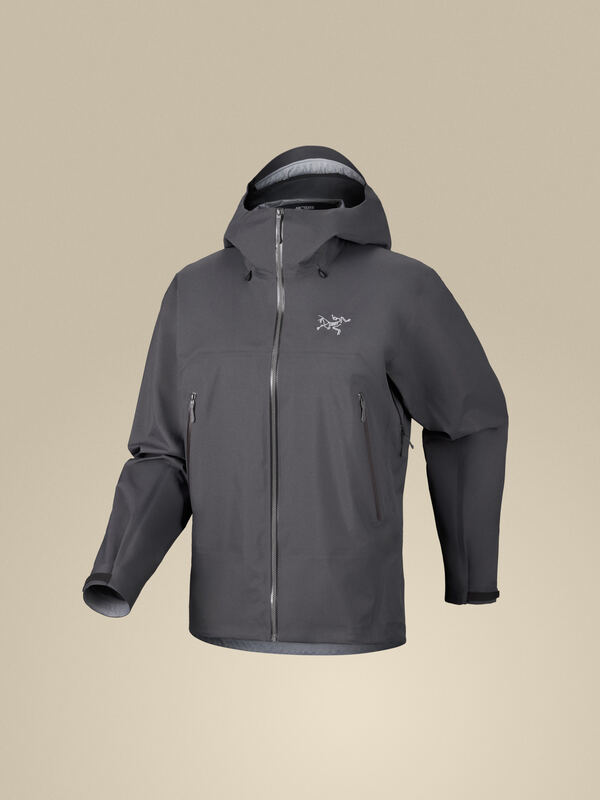
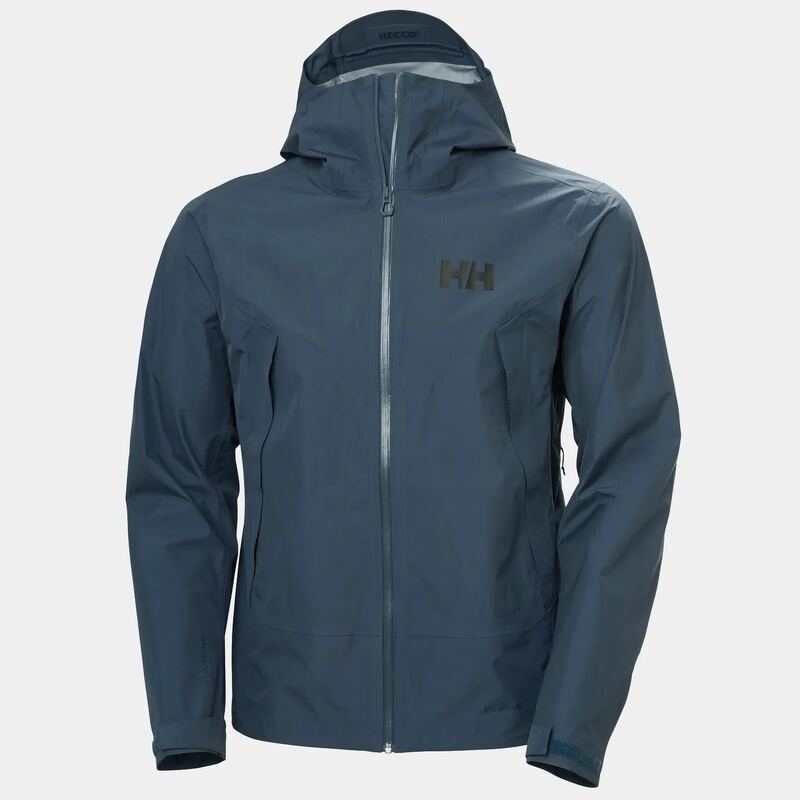
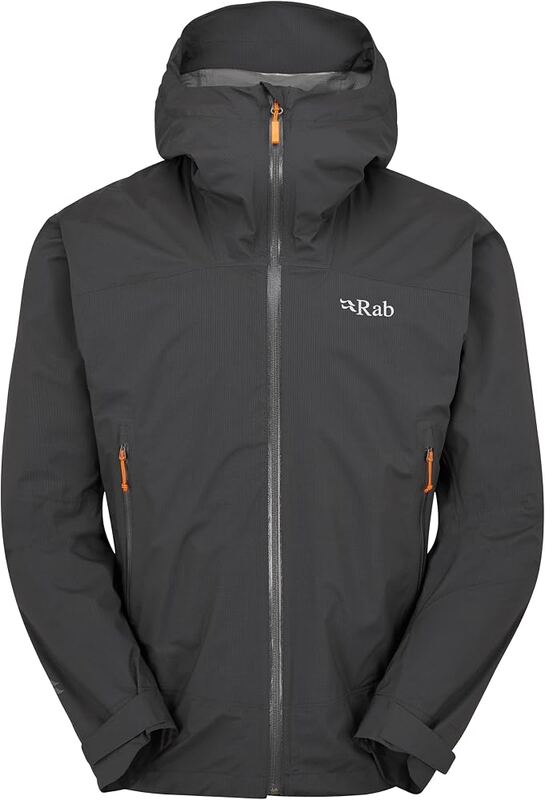
The Patagonia Boulder Fork offers a comfortable, streamlined fit with excellent wind protection but lacks the underarm pit zips found on the Arc'teryx Beta SL and Rab Downpour. It is less suitable for high-output activities than the Helly Hansen Verglas Infinity Shell Jacket 2.0 due to its lack of ventilation options.
Rating sources
Counts as 3.91/5 in our score — this publisher's 36 scores on the site average 4.38, so its scores are adjusted down to compare fairly with other publishers.
Counts as 3.94/5 in our score — this publisher's 3 scores on the site average 4.33, so its scores are adjusted down to compare fairly with other publishers.
Our 3.9 score is the average of the 2 scored reviews above, each adjusted for how strictly its publisher scores; 4 more reviewed it without printing a score and are not in the average. More about methodology.