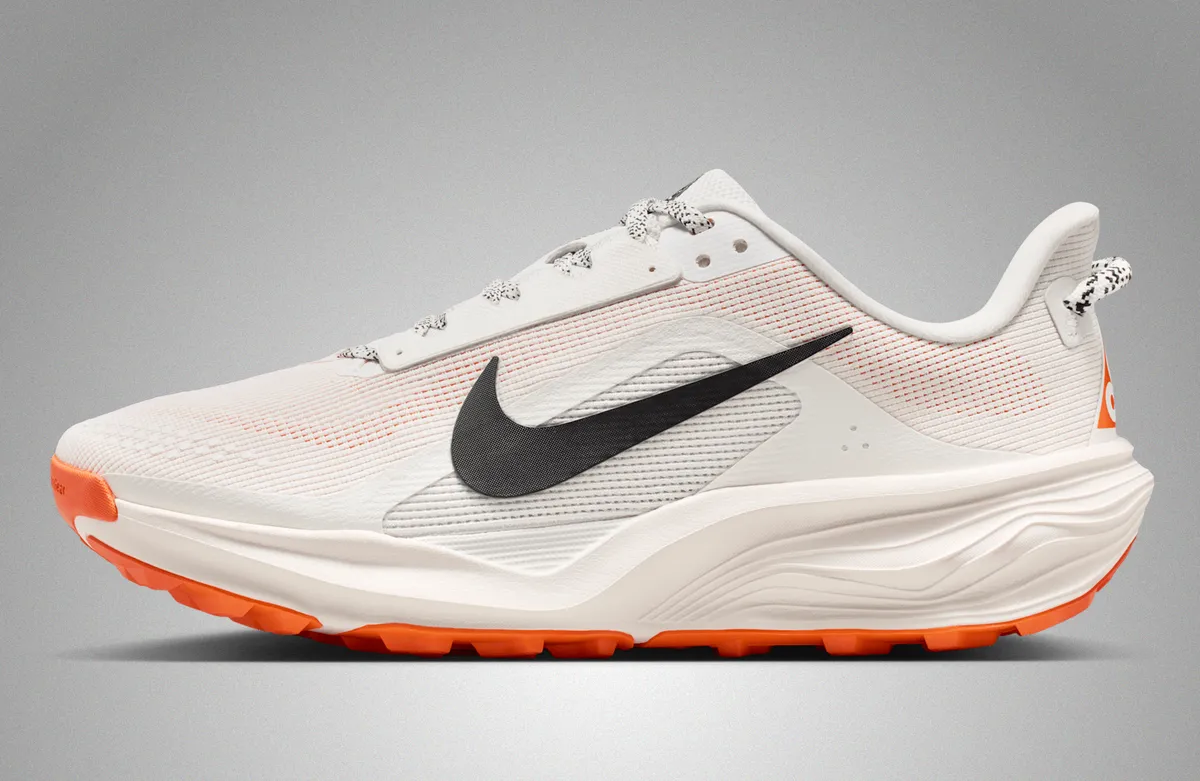
The Nike ACG Pegasus Trail remains a reliable road-to-trail option that balances comfort and versatility. Reviewers praised its ReactX midsole, updated fit with broader toe box, and value proposition at $155. While it doesn't break new ground, it continues to serve as a go-to shoe for mixed terrain use. The ACG aesthetic brings a fresh look without sacrificing functionality. However, some reviewers noted the lack of significant innovation and past outsole grip issues. This shoe is ideal for runners seeking a versatile daily trainer but may not satisfy those looking for aggressive trail performance.
Full review
Midsole comfort and responsiveness
The Nike ACG Pegasus Trail maintains the ReactX midsole foam that has defined the series, delivering a cushioned yet responsive ride that balances protection with energy return. Reviewers noted the increased foam volume over the previous version, which contributes to a more forgiving underfoot feel, particularly on rocky or root-filled terrain. This adjustment supports a more neutral running gait, which is beneficial for runners transitioning from road to trail surfaces.
Outsole traction and durability
The outsole features the updated Nike Trail All Terrain Compound (ATC) 2.0 with a hybrid lug pattern designed for dual performance on both asphalt and loose terrain. On wet grass, damp trails, and slick rock, the lugs engage immediately with confident bite. The shoe performs well on packed gravel and road sections, rolling smoothly and quietly. However, on very wet deep mud, the lug depth isn't aggressive enough to maintain traction, limiting its suitability for more demanding conditions. The outsole's durability is rated as good, with no major wear concerns reported during testing across varied surfaces. The rubber compound holds up well under regular use, though some reviewers noted that the ATC outsole, while improved, is still not the most aggressive option available in its price range.
Fit and upper construction
The upper construction uses lightweight engineered mesh with zonal breathability, quick-drain properties, and durable overlays. The redesigned toe box is notably wider and taller than the Peg Trail 5, addressing previous concerns about a snug forefoot. This change allows for natural toe splay and reduces the risk of discomfort during longer efforts. The fit remains true to size, with excellent heel lockdown from the redesigned collar and eyelets that adapt to foot expansion rather than fighting it. Reviewers noted that heel slip is minimal, even during uphills, technical sections, or fast descents. The upper also features a rubber toe bumper and wrap, along with a heel finger loop for secure lacing. The tongue is thick and boosts comfort, contributing to a secure fit throughout the foot. The zoned mesh breathes well for a hybrid upper, handles water quickly, and dries noticeably fast after wet conditions. The fit is described as comfortable and accommodating for most runners, particularly those with medium-width feet.
Versatility across terrain types
The ACG Pegasus Trail is designed as a road-to-trail transition shoe, excelling in mixed-surface environments that include paved roads, packed gravel, light trails, and moderate terrain. Reviewers consistently praised its adaptability for daily training runs that blend road and trail elements. The shoe handles fireroads, root-covered singletracks, and wet dirt with confidence, making it a strong choice for runners seeking one shoe for varied conditions. It performs well on uphill climbs and technical descents, with the reduced 8mm drop and springy ReactX midsole contributing to a stable and connected ride. The outsole's hybrid lug pattern ensures smooth rolling on pavement while providing adequate grip on loose surfaces. However, the shoe is not recommended for dedicated trail runners or those tackling very technical or rugged terrain. It's best suited for light to moderate singletrack, gravel runs, and mixed-surface daily training. For more demanding trail conditions, reviewers suggest alternatives like the Nike Zegama 2 or the Wildhorse 10, which offer better performance in those scenarios.
Value and market positioning
At $155, the Nike ACG Pegasus Trail maintains the same price point as the previous version, offering solid value for runners seeking a versatile, all-around trail shoe. Reviewers consistently noted that it's a strong contender for those looking for one shoe to rule them all, especially for runners who don't want to overthink their footwear choices. The updates to the midsole, outsole, and fit make this version a clear improvement over previous iterations, particularly for those who have used prior versions of the Pegasus Trail line. The shoe is recommended for beginners entering the trail world, gravel runners, and anyone wanting a dependable road-to-trail shoe. The updated colorways and ACG branding add visual appeal without compromising functionality. While some reviewers noted that the ReactX foam feels somewhat dated and lacks bounce compared to newer alternatives, the overall package remains a strong value proposition for its intended audience. The shoe's durability, versatility, and consistent performance across multiple surfaces make it a reliable choice for year-round training.
Strengths
- +ReactX midsole provides softness and responsiveness
- +Improved fit with broader toe box and reinforced upper
- +Good value for money at $155
- +Looks great with spring colorways and ACG aesthetic
Watch-outs
- −Limited innovation compared to previous versions
- −Outsole grip has had issues in the past
How it compares
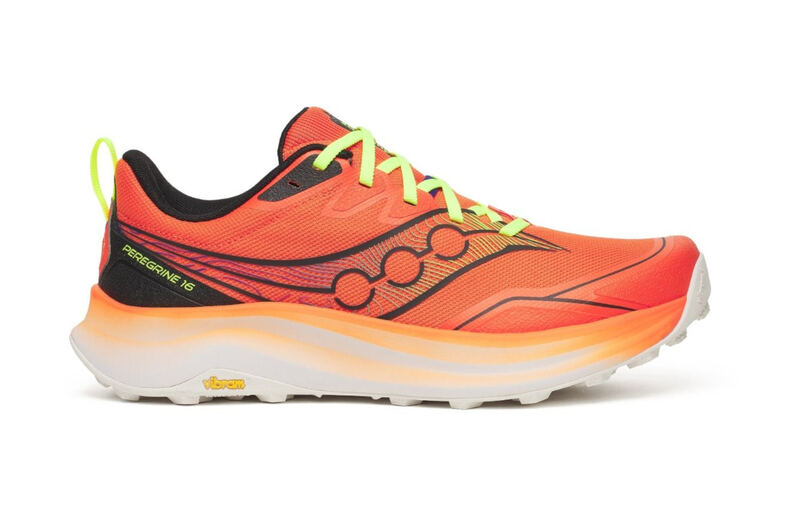
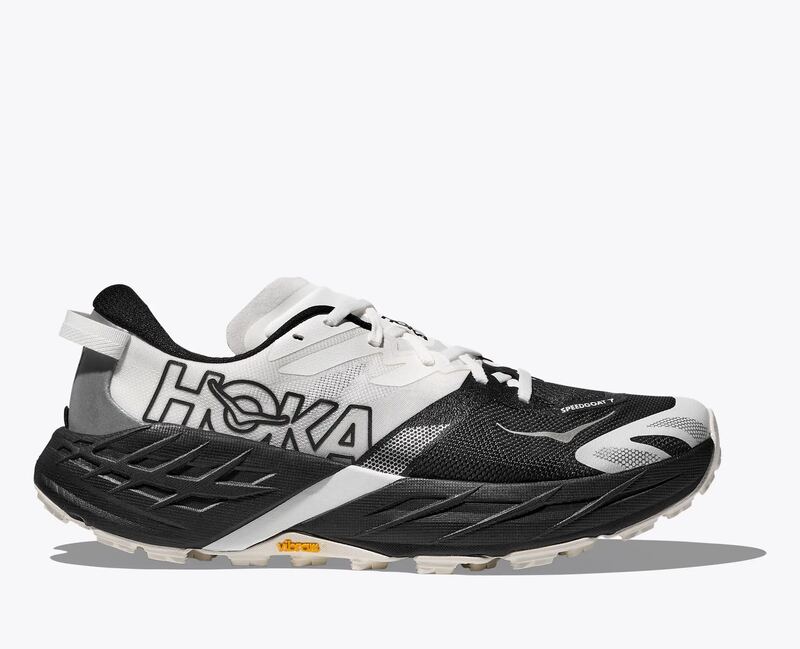
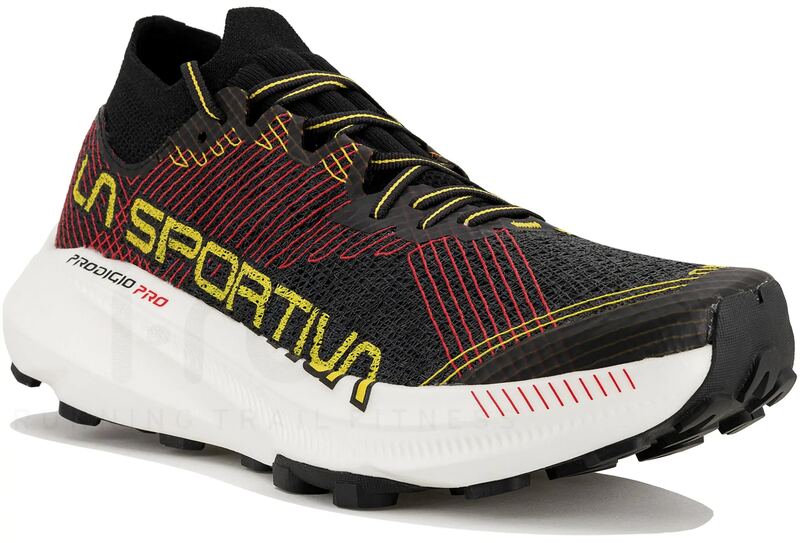
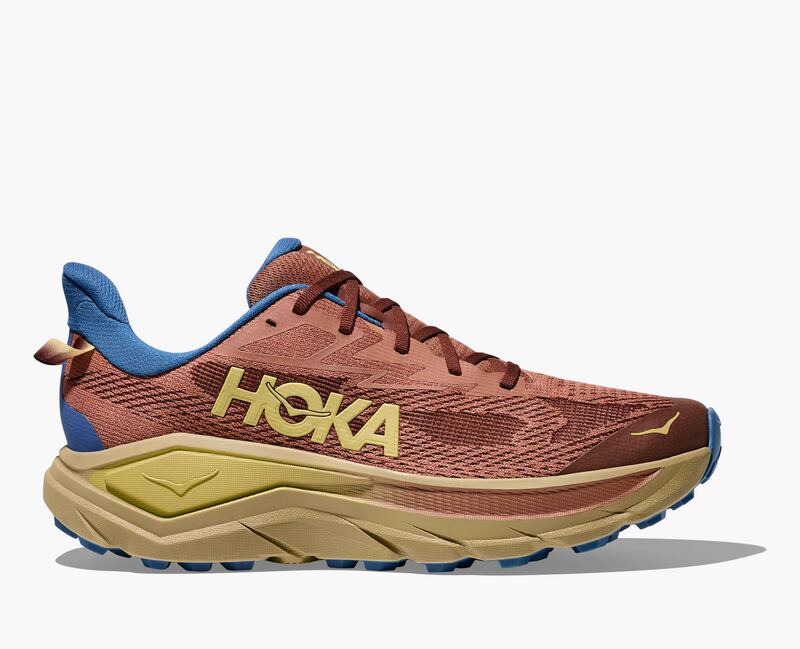
The Nike ACG Pegasus Trail offers better value than the Saucony Peregrine 16 and is more versatile than the Altra Experience Wild 3+, but lacks the traction of the Hoka Speedgoat 7 and the energy return of the La Sportiva Prodigio Pro. It's a solid daily trainer but doesn't innovate significantly compared to the Salomon Aero Glide 4 GRVL, which offers better lockdown and a lighter build.
Rating sources
Our 4.0 score is the average of the 4 scored reviews above; 5 more reviewed it without printing a score and are not in the average. More about methodology.