The HOKA Challenger 8 represents a refined update to the popular road-to-trail shoe series, offering enhanced cushioning, a more accommodating fit, and improved traction. Reviewers noted its suitability for heel strikers and versatility across various terrains, while acknowledging the outdated CMEVA foam that lacks energetic bounce. The shoe's redesigned lugs provide better grip, and its breathable upper contributes to overall comfort. It's ideal for runners seeking a maximalist, stable ride but may not satisfy those wanting a more dynamic or terrain-connected feel.
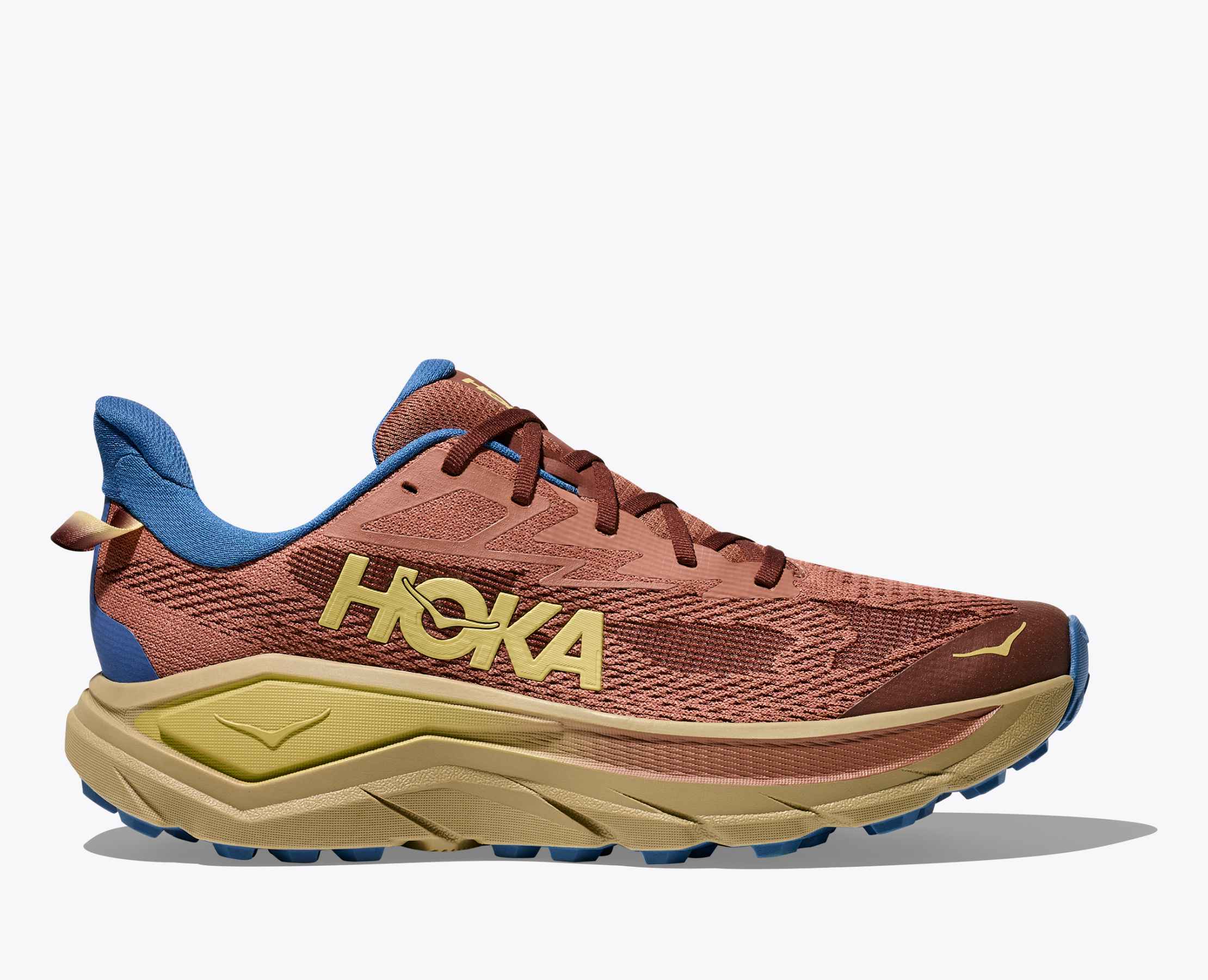
Full review
Maximalist cushioning with measured progress
The HOKA Challenger 8 delivers a significant upgrade in cushioning compared to its predecessor, with a 20mm increase in heel stack height to 44mm and 37mm in the forefoot. This maximalist approach results in a softer ride that provides excellent shock absorption, scoring 152 SA in the heel and 116 SA in the forefoot during lab testing. The compression-molded EVA foam remains consistent with previous versions, offering a plush yet stable platform that benefits heel strikers and runners seeking extra impact protection. However, this comfort comes with a trade-off in energy return, delivering only 52.7% in the heel and 58.1% in the forefoot, which falls below average for this category of footwear. The increased stack height and cushioning make it particularly suitable for longer runs or recovery sessions, where comfort takes precedence over dynamic responsiveness.
Versatile performance across mixed terrain
The Challenger 8 excels in its intended role as a road-to-trail hybrid, handling a wide range of surfaces from pavement to gravel roads and smooth dirt paths. Its redesigned 4mm multi-directional lugs provide solid grip on dry surfaces, with users noting confidence during moderate trail running and gravel adventures. The outsole's hybrid design, combining exposed blown rubber with Durabrasion rubber, contributes to a lighter feel while maintaining traction. However, performance on technical terrain is limited, with reviewers noting that the shoe struggles on steep, wet, or rocky trails. The lack of a rock plate and relatively narrow toebox become apparent during more demanding conditions, where the soft EVA midsole offers less protection against sharp ground. This makes it less ideal for runners who frequently encounter technical or wet trail conditions, though it remains a strong choice for casual trail enthusiasts and mixed-surface runners.
Fit and comfort for daily training
Fit is one of the Challenger 8's strongest attributes, with reviewers consistently praising its accommodating design and comfortable feel. The engineered mesh upper offers good breathability while maintaining protection, and the plush collar and tongue eliminate pressure points. Users report that the shoe requires minimal break-in time and feels comfortable from the first run. The roomy toe box prevents hotspots during long runs, while the midfoot security and padded collar provide a secure lockdown. The fit is described as true to size, with the men's version measuring 9.5 oz (269g) and the women's at 8.2 oz (232g). Despite the plush cushioning, the shoe maintains a natural feel that allows for efficient running rhythm, making it ideal for daily training miles and recovery runs. The overall construction feels substantial without being burdensome, contributing to its appeal for runners seeking a versatile daily trainer.
Durability and long-term performance
Durability is a standout feature of the Challenger 8, with the Durabrasion rubber outsole showing impressive wear resistance even beyond 200 miles. The strategic placement of high-wear rubber compounds in heel strike and toe-off zones extends the shoe's lifespan considerably. The upper construction demonstrates thoughtful reinforcement in high-stress areas, with the toe cap withstanding repeated rock contact without damage. Seam integrity remains solid throughout extended use, with no premature separation or fraying observed. The EVA midsole maintains consistent cushioning well into the shoe's usable life, similar to previous Challenger iterations. Reviewers expect these shoes to replicate the longevity of other Challengers, lasting 500 or more miles of mixed terrain training. The combination of robust materials and thoughtful construction makes it a reliable choice for regular use, particularly for runners who prioritize longevity over premium performance features.
Limited responsiveness and traction on technical trails
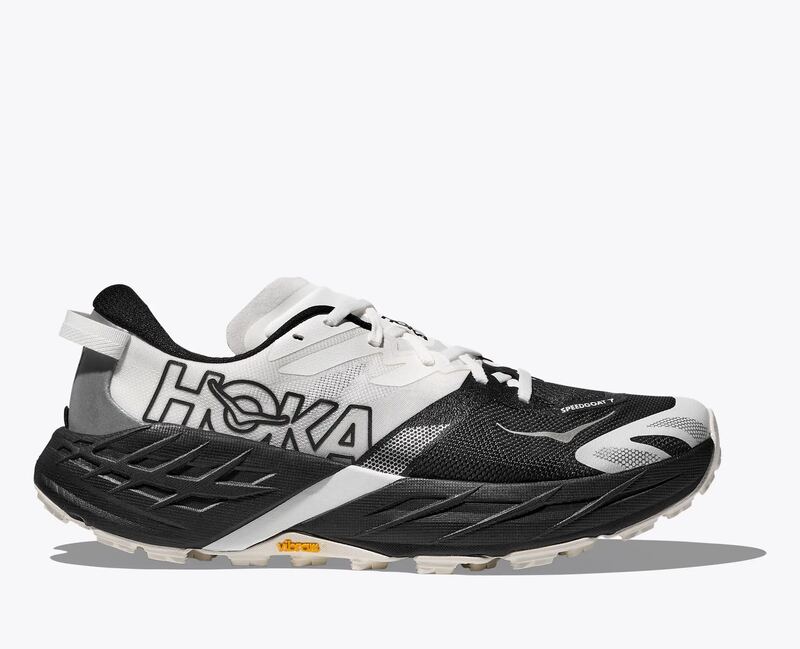
While the Challenger 8 offers excellent comfort and versatility, its performance lacks the responsiveness and traction needed for more demanding trail conditions. The standard EVA midsole delivers a mellow, easygoing rebound rather than a snappy kick with each stride, which is acceptable for casual use but not ideal for runners seeking dynamic performance. The 4mm lugs provide adequate grip on dry surfaces but prove insufficient on wet or rocky terrain, where users have noted a lack of confidence during descents or technical sections. The absence of a rock plate and relatively narrow toebox further limit its effectiveness on sharp or uneven ground. Reviewers have noted that the shoe's traction is best suited for gravel roads, pavement, and smooth hard-packed trails, where its hybrid outsole design shines. Runners who frequently encounter technical or wet trail conditions would be better served by alternatives such as the Speedgoat 6, which offers superior grip and stability in challenging environments.
Weight and stack height considerations
The Challenger 8's increased stack height and cushioning contribute to a noticeable weight increase compared to previous versions, with the men's model weighing 9.5 oz (269g) and the women's at 8.2 oz (232g). This added mass, while providing enhanced comfort, can impact performance for runners who prioritize lightweight, responsive footwear. The 7mm drop (44mm heel, 37mm forefoot) creates a more elevated platform that benefits heel strikers but may feel less natural for those who prefer a lower profile. The shoe's maximalist approach makes it less suitable for runners seeking a terrain-connected feel or those who value a more dynamic running experience. The combination of high stack height and soft EVA foam creates a plush ride that's ideal for recovery days and casual runs, but the weight and cushioning may not appeal to competitive runners or those training for races where speed and efficiency are priorities.
Strengths
- +Excellent cushioning with improved SA scores
- +Flexible for a max-stack trail shoe
- +Roomier toebox than previous version
- +Redesigned lugs for better grip on mixed terrain
- +Breathable upper with comfortable fit
Watch-outs
- −Outdated CMEVA foam with low energy return
- −Slightly heavier than version 7
How it compares
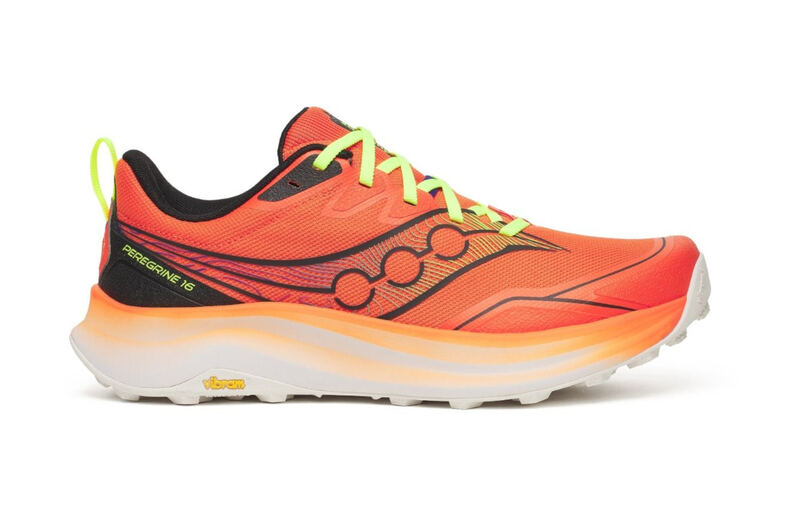
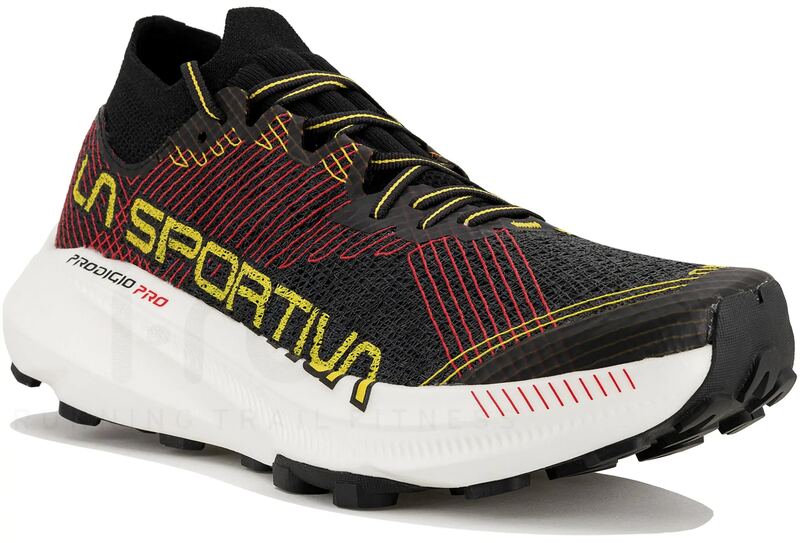
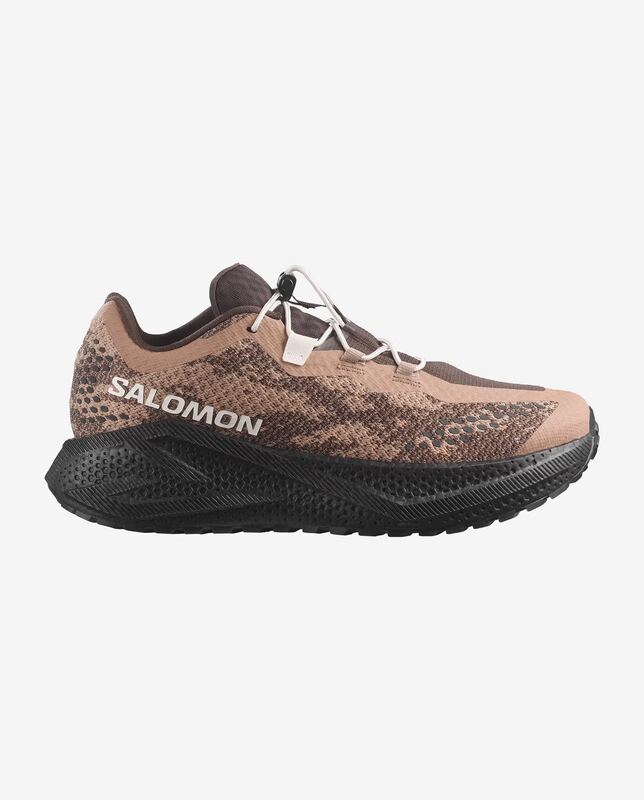
The Hoka Challenger 8 provides better cushioning than the Saucony Peregrine 16 and Salomon Aero Glide 4 GRVL, but it's less responsive than the La Sportiva Prodigio Pro and lacks the traction of the Hoka Speedgoat 7. While it offers a roomier toebox than the Altra Experience Wild 3+, it's not as natural or flexible as the Altra Lone Peak 9. The Challenger 8 is best for heel strikers seeking a maximalist, stable ride.
Rating sources
Our 4.5 score is the average of the 4 scored reviews above; 6 more reviewed it without printing a score and are not in the average. More about methodology.