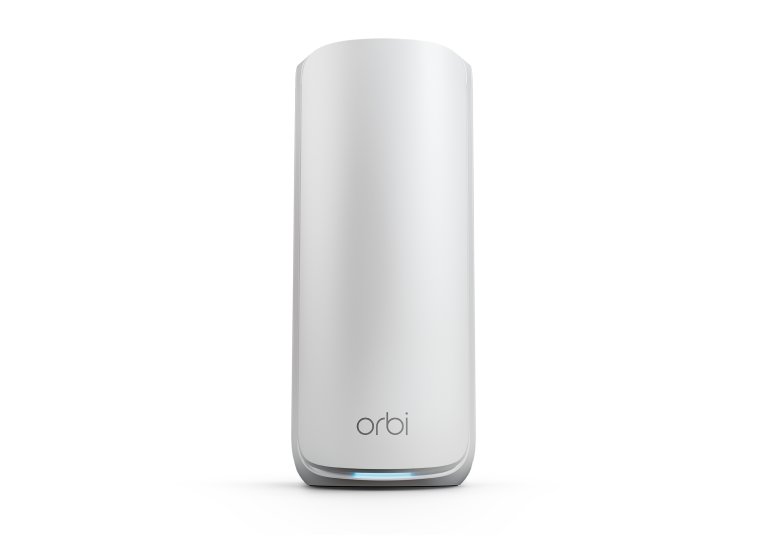
The Netgear Orbi 870 Series offers tri-band Wi-Fi 7 performance with MLO support and 2.5Gbps wired backhaul across all units. PCMag's John R. Delaney praised its strong signals, while Dong Knows Tech reviewer Dong Ngo noted it's an excellent buy for users needing 2.5Gbps bandwidth but criticized its lack of true 10Gbps support and higher cost compared to ASUS ZenWiFi BT8. The system is best suited for users who want high-end Wi-Fi 7 features without the premium price of the 970 series.

Full review
Tri-Band Performance and MLO
The Netgear Orbi 870 Series represents a strategic middle ground in Netgear's Wi-Fi 7 mesh lineup, positioning itself between the entry-level Orbi 770 and premium Orbi 970 models. Professional reviewers like PCMag's John R. Delaney noted that the system employs a tri-band BE21000 configuration with maximum data rates of 688Mbps on 2.4GHz, 8,640Mbps on 5GHz, and 11,520Mbps on 6GHz. The implementation of Multi-Link Operation (MLO) technology is a key feature, allowing the system to combine 5GHz and 6GHz bands for enhanced backhaul performance. RTINGS tested the system and found that it delivered strong throughput for a Wi-Fi 7 mesh system, though the performance degraded at longer distances. The 870's tri-band approach eliminates the dedicated backhaul band used in the 970 series, which was criticized for bandwidth inefficiency. However, this design choice means the 870 still relies on the 2.5Gbps wired backhaul, which can be a bottleneck in high-demand scenarios. TechRadar's testing showed that while the system provides superb coverage and snappy speeds in close-to-mid range, signal strength dropped significantly at longer distances, a common issue with mesh systems that becomes more pronounced with higher frequency bands.
Build Quality and Design
The Orbi 870 Series maintains the familiar tower design aesthetic that Netgear has used across its mesh systems, with both router and satellite units sharing identical dimensions of 10.6 x 5.7 x 4.4 inches. The units are available in both black and white finishes, with the black edition tested by PCMag featuring a sleek, modern look. The router node includes a 10 Gigabit Ethernet WAN port and four 2.5 Gigabit Ethernet LAN ports, while each satellite node has four 2.5 Gigabit Ethernet LAN ports. Unlike previous Orbi models, the 870 lacks USB ports, which is a notable omission that reviewers like Trusted Reviews pointed out as a missed opportunity. The LED indicators on both router and satellites provide clear status feedback, with solid blue indicating good connection, amber for fair connection, and magenta for failed connection. The units are physically robust, with the router weighing 2.69 lbs and satellites 2.65 lbs, though their weight is balanced by their compact footprint. Dong Knows Tech reviewer Dong Ngo noted that the units are well-built but emphasized the lack of USB ports as a significant drawback compared to competitors like ASUS ZenWiFi BT8, which offers more versatile connectivity options.
Real-World Performance and Coverage
In real-world testing, the Orbi 870 Series delivers strong performance at close-to-mid range, with PCMag's testing showing excellent throughput for a Wi-Fi 7 mesh system. However, performance drops off significantly at longer distances, a common issue with tri-band mesh systems. Tom's Hardware tested the system and found that while it provided solid performance, it couldn't mask its high price point or feature regressions. The system's coverage area is impressive, with the three-pack model covering up to 9,000 square feet, though this is slightly less than the eero Max 7's 7,500 square feet coverage at a higher price point. Trusted Reviews found that while the system offers good speed at close range, it dropped off at longer range, which is a critical limitation for large homes or those with multiple floors. The system's ability to maintain high speeds through its multi-gig ports is evident, but the performance degradation at range suggests that users may need to strategically place satellites for optimal coverage. The 870's tri-band approach with MLO technology is effective for backhaul, but the 2.5Gbps wired backhaul limits the system's potential in high-demand scenarios where 10Gbps would be more beneficial.
Software and User Experience
The software experience for the Orbi 870 Series is a mixed bag, with some features requiring subscription fees while others are available for free. PCMag's review noted that the system comes with free 30-day trial versions of parental-control and network-security software, but these expire after the trial period, requiring additional payments for continued use. The software interface is app-driven, with installation being fast and straightforward, according to PCMag's testing. However, some features are split between the app and web interface, which can be confusing for users. Trusted Reviews highlighted that settings are split between app and web interface, which can be frustrating for users who want a unified experience. The system supports IPv6 compatibility and MU-MIMO technology, but lacks USB ports, which is a notable omission in an era where wired connectivity options are increasingly important. The Orbi 870's software also includes Quality of Service (QoS) and security features, but the subscription-based model for some essential functions is a point of criticism from reviewers who expect these features to be included in the base price.
Where It Falls Short
Despite its strong performance in close-range scenarios, the Orbi 870 Series has several significant drawbacks that reviewers have consistently pointed out. The most notable issue is the high price point, with the three-pack model priced at $1,299.99, which is nearly double the cost of the 770 series and significantly more than the similarly specced ASUS ZenWiFi BT8. TechRadar's review criticized the system for its sticker shock, noting that while it offers strong performance, the price is not justified by the features. The lack of USB ports is another major drawback, with reviewers like Dong Knows Tech pointing out that this is a significant omission compared to competitors. The system's performance drops off significantly at longer distances, which is a critical limitation for large homes or those with multiple floors. Additionally, the split between app and web interface settings creates confusion for users, and some essential features require subscription fees, which is not standard in the mesh router market. The 870's reliance on 2.5Gbps wired backhaul instead of 10Gbps limits its potential in high-demand scenarios, particularly with the increasing prevalence of 10Gbps internet connections.
Who It's Best For
The Netgear Orbi 870 Series is best suited for users who prioritize high-speed wired connections and multi-gig networking capabilities but are willing to pay a premium for these features. Shoppers who need multiple high-speed LAN connections and 10Gbps WAN support will find the 870 a strong fit, especially those with homes that require extensive coverage. The system's tri-band approach with MLO technology makes it ideal for users who demand consistent performance in close-to-mid range scenarios, though it may not be the best choice for large homes where signal degradation becomes a problem. PCMag's review suggests that those who can get by with just two high-speed networking ports might save a bundle with the eero Pro 7, which offers better overall performance at half the price. The 870 is also suitable for users who value the convenience of a unified mesh system and don't mind the subscription-based model for some essential features. However, users who need USB ports or want a more affordable solution should consider alternatives like the ASUS ZenWiFi BT8, which offers similar performance with more features and a significantly lower price tag.
How It Compares to Alternatives
When compared to its direct competitors, the Orbi 870 Series sits in a premium position with a price that reflects its high-end components and multi-gig networking capabilities. The ASUS ZenWiFi BT8 offers similar performance but at nearly 40% less price, with more features and better value. PCMag's review noted that the 870 is half the price of the Orbi 970 Series but still significantly more expensive than the 770 Series. The eero Max 7, while more affordable at $699 for a three-pack, offers better overall performance despite covering less area. The 870's advantage lies in its 10Gbps WAN port and four 2.5Gbps LAN ports, which are not available in many competing systems. However, the lack of USB ports and the subscription-based model for essential features make it less attractive compared to alternatives that offer more comprehensive functionality at a lower price point. The Orbi 870 is a solid choice for users who specifically need the multi-gig ports and 10Gbps WAN support, but those who want more versatility or better value should consider other options.
Value at This Price
The value proposition for the Netgear Orbi 870 Series is mixed, with strong performance in close-range scenarios but significant drawbacks that affect overall value. PCMag's review gave it a 4.0 out of 5 stars, praising its speedy throughput and strong signal throughout the test home, but criticizing its price relative to the Editors' Choice winner, the eero Pro 7, which costs nearly half as much. The system's 10Gbps WAN port and four 2.5Gbps LAN ports are premium features that justify the higher price for users who specifically need them. However, the lack of USB ports, subscription-based features, and the significant performance drop-off at longer distances make it less appealing to budget-conscious consumers. Trusted Reviews noted that while the system is powerful and expansive, it's hardly cheap, and the price point is difficult to justify for users who don't need the specific multi-gig capabilities. The 870's value is strongest for users who require 10Gbps WAN support and multiple high-speed LAN connections, but for others, the eero Pro 7 or ASUS ZenWiFi BT8 offer better value with similar performance and more features.
Strengths
- +Tri-band Wi-Fi 7 support with MLO for improved performance
- +2.5Gbps wired backhaul throughout the mesh system
- +Strong signal coverage and reliable mesh networking
Watch-outs
- −No true 10Gbps support in router unit
- −Only 2.5Gbps ports on satellites limit upgrade potential
How it compares
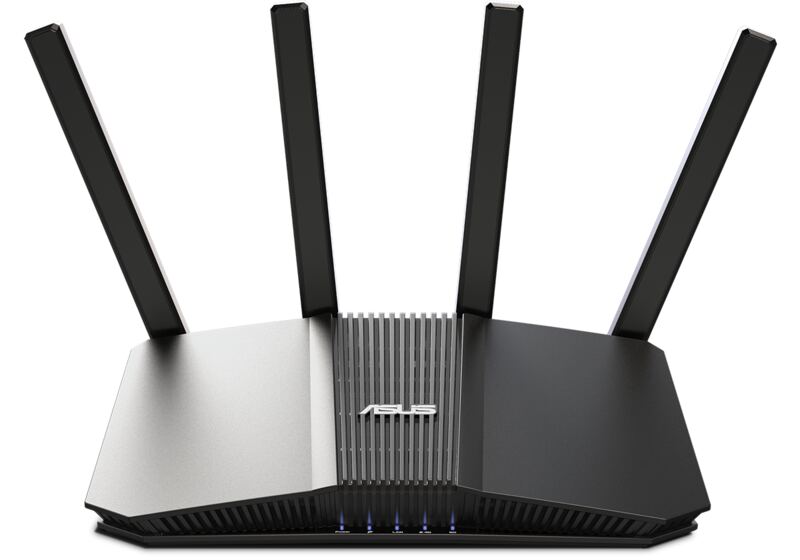
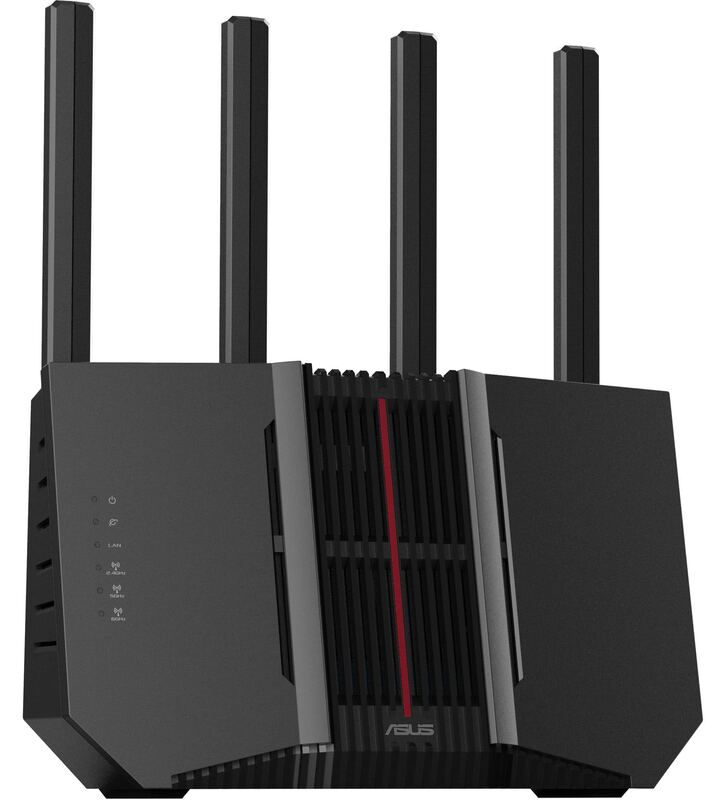
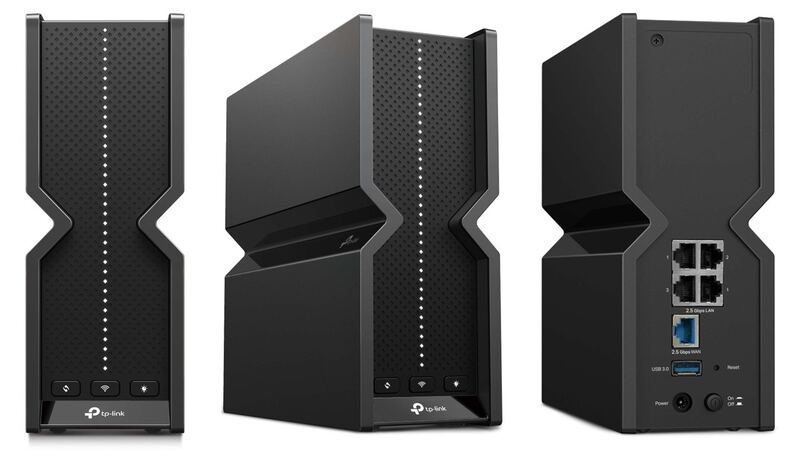
The Netgear Orbi 870 offers strong tri-band Wi-Fi 7 support with MLO and 2.5Gbps backhaul, but it's less expensive than the ASUS RT-BE96U and lacks 10Gbps support. Compared to the TP-Link Archer GE800, it doesn't feature dedicated gaming ports or Game Acceleration, making it less appealing for gamers.
Who this is for
At a glance: users wanting high-end Wi-Fi 7 features.
Why you’d buy the Netgear Orbi 870
- Tri-band Wi-Fi 7 support with MLO for improved performance.
- 2.5Gbps wired backhaul throughout the mesh system.
- Strong signal coverage and reliable mesh networking.
Why you’d skip it
- No true 10Gbps support in router unit.
- Only 2.5Gbps ports on satellites limit upgrade potential.
Rating sources
Our 3.9 score is the average of these published ratings. More about methodology.