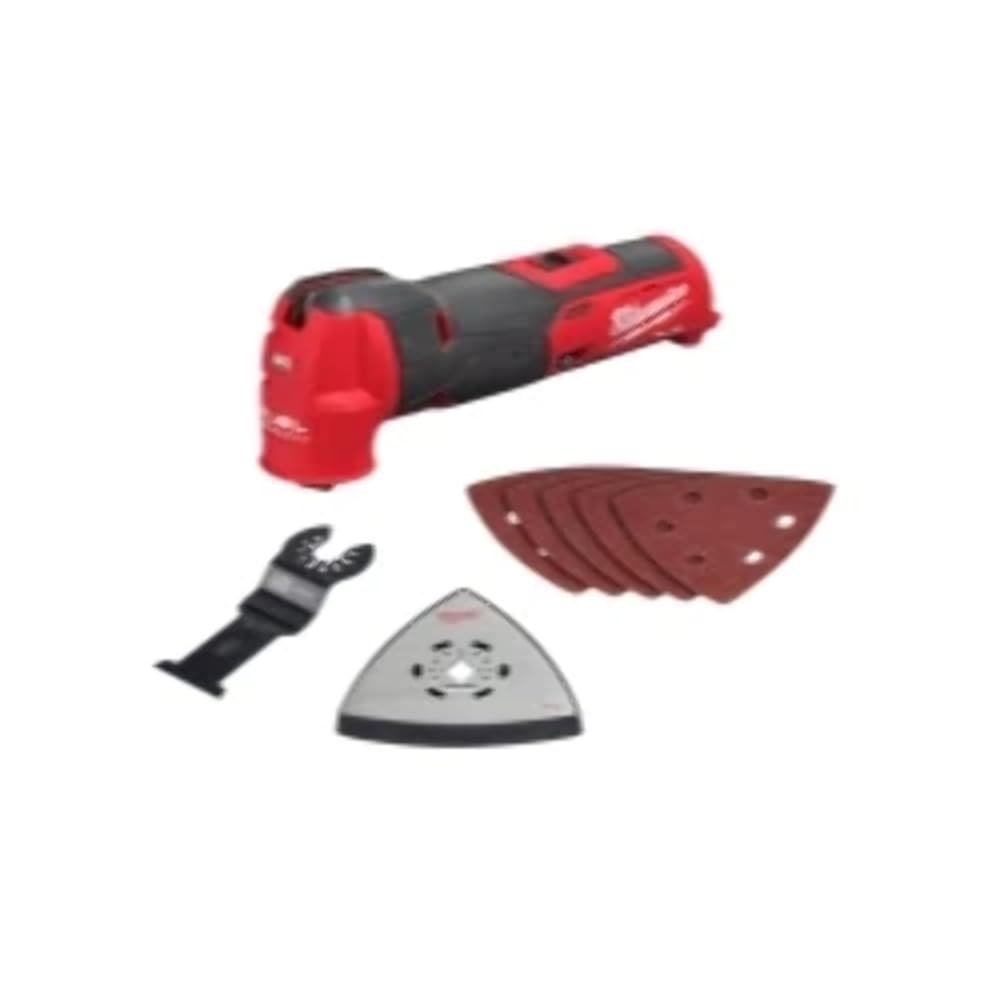
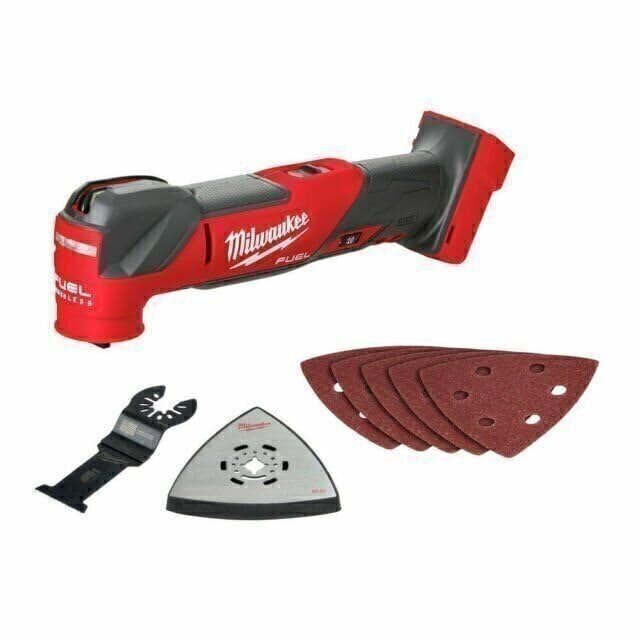
Pro Tool Reviews found that the Milwaukee 2836-20 delivers outstanding vibration control and an Auto-Load variable speed dial that ramps power as pressure increases, enabling rapid material removal. The tool features a 180-degree LED work light for improved visibility in tight spaces, though Toolrev noted that blade flex at the tip can tug the tool off-line during precise straight cuts. Additionally, the threaded bolt required for accessory changes makes swapping blades slower than competing systems that use simpler lever mechanisms. This model suits professionals prioritizing speed and ergonomics over absolute precision or quick-change convenience.
Full review
Cutting speed and oscillation angle
Pro Tool Reviews clocked the Milwaukee 2836-20 at 20,000 OPM with a 4.2-degree oscillating angle, placing it in a higher class than most cordless models for cutting speed. The wider angle and brushless motor allow the tool to blast through material with minimal effort during plunge cuts. This performance level means professionals can often leave their reciprocating saw at home when tackling large cuts through hardwoods or nail-embedded wood.
The aggressive angle clears dust more effectively than stiffer blade systems, which prevents binding and maintains momentum during rapid material removal. This efficiency translates directly into hours saved on demolition or renovation tasks where speed is critical.
Vibration dampening and ergonomic design
The integrated vibration dampening technology delivers the lowest full-tool vibration in its class, a fact confirmed by Pro Tool Reviews. The tool features a narrower barrel grip that is significantly more comfortable to use than models from Bosch or Fein.
The combination of low vibration and the narrow barrel design reduces physical strain during extended use. Greatlakespowertools notes that this dampening is essential for demanding applications, allowing the user to maintain control while pushing the limits of what a multipurpose oscillating tool can do. The result is less back, knee, and neck fatigue when performing repetitive cuts or sanding tasks.
Auto-Load variable speed dial mechanics
Pro Tool Reviews highlights the Auto-Load feature found on the variable speed dial as a highly effective control mechanism. As pressure is applied to the blade during a cut, the speed automatically increases from 10,000 OPM up to 20,000 OPM. This dynamic adjustment provides better control and power exactly when needed without requiring the user to manually adjust settings mid-cut.
The dial allows for precise manual adjustments between 10,000 and 20,000 OPM, giving users fine-tuned control over performance. Toolrev notes that while some critics gripe about the speed selector's placement, it is perfectly positioned for one-handed adjustments on the fly. This feature sets the Milwaukee apart from competitors that rely solely on variable triggers with fixed locking settings.
Threaded blade change mechanism drawbacks
The tool-free blade change relies on a threaded bolt that requires manual unscrewing, making it slower than most competing systems. Pro Tool Reviews found this to be the only hiccup during their test track runs, where Milwaukee recorded a total time of 2:17 for accessory changes due to the two required steps of releasing the lever and unscrewing the threads.
Because the bolt is threaded, changing accessories takes longer than systems that use simple levers or knobs. If an accessory does not have the back section cut out, users must completely remove the bolt every time they switch blades. This design choice slows down workflow significantly compared to competitors like DeWalt, which offers lightning-fast changes for universal accessories.
Blade flex and straight-line cutting limitations
Toolrev found that the Milwaukee 2836-20 has some flex at the blade point, which can tug the blade off your line if you are not careful during precise cuts. While this flex helps clear dust for faster material removal, it compromises straight-line accuracy compared to stiffer competitors like DeWalt.
The trade-off between speed and precision means skilled users must compensate for the blade's tendency to pull away from the cut line. For tasks requiring exact straight lines, such as cutting door jambs or gang box holes in drywall, this flex can be a disadvantage despite the tool's superior overall cutting speed.
Weight distribution and battery compatibility
Adding a 5.0Ah battery brings the total weight to approximately 4.18 to 4.3 pounds depending on the specific pack used. Pro Tool Reviews suggests using a 3.0Ah High Output pack to lighten and shorten things up for better maneuverability.
The tool is fully compatible with all M18 batteries, offering flexibility for users already invested in the Milwaukee ecosystem. Busybeaver notes that the REDLINK PLUS Intelligence electronics provide optimal performance and protection across different battery capacities. This compatibility ensures that professionals can swap power sources without worrying about voltage drops or motor strain.
180-degree LED work light utility
The integrated 180-degree LED work light provides superior illumination in dimly lit or tight spaces. This wide-angle lighting improves visibility when working inside wall cavities, under cabinets, or in corners where shadows might obscure the cut line.
Greatlakespowertools emphasizes that this feature is essential for precision work, allowing users to see exactly where the blade is engaging with the material. The light activates automatically when the tool is turned on, ensuring consistent visibility without requiring additional setup or external lighting solutions.
Strengths
- +Outstanding vibration control that minimizes tool fatigue during extended use.
- +Auto-Load feature on the variable speed dial automatically ramps up power as pressure is applied to the blade.
- +180-degree LED work light provides superior illumination in dimly lit or tight spaces.
Watch-outs
- −Tool-free blade change relies on a threaded bolt that requires manual unscrewing, making it slower than competing systems.
- −Blade flex at the tip can cause the tool to tug off-line during precise straight cuts compared to stiffer competitors.
How it compares
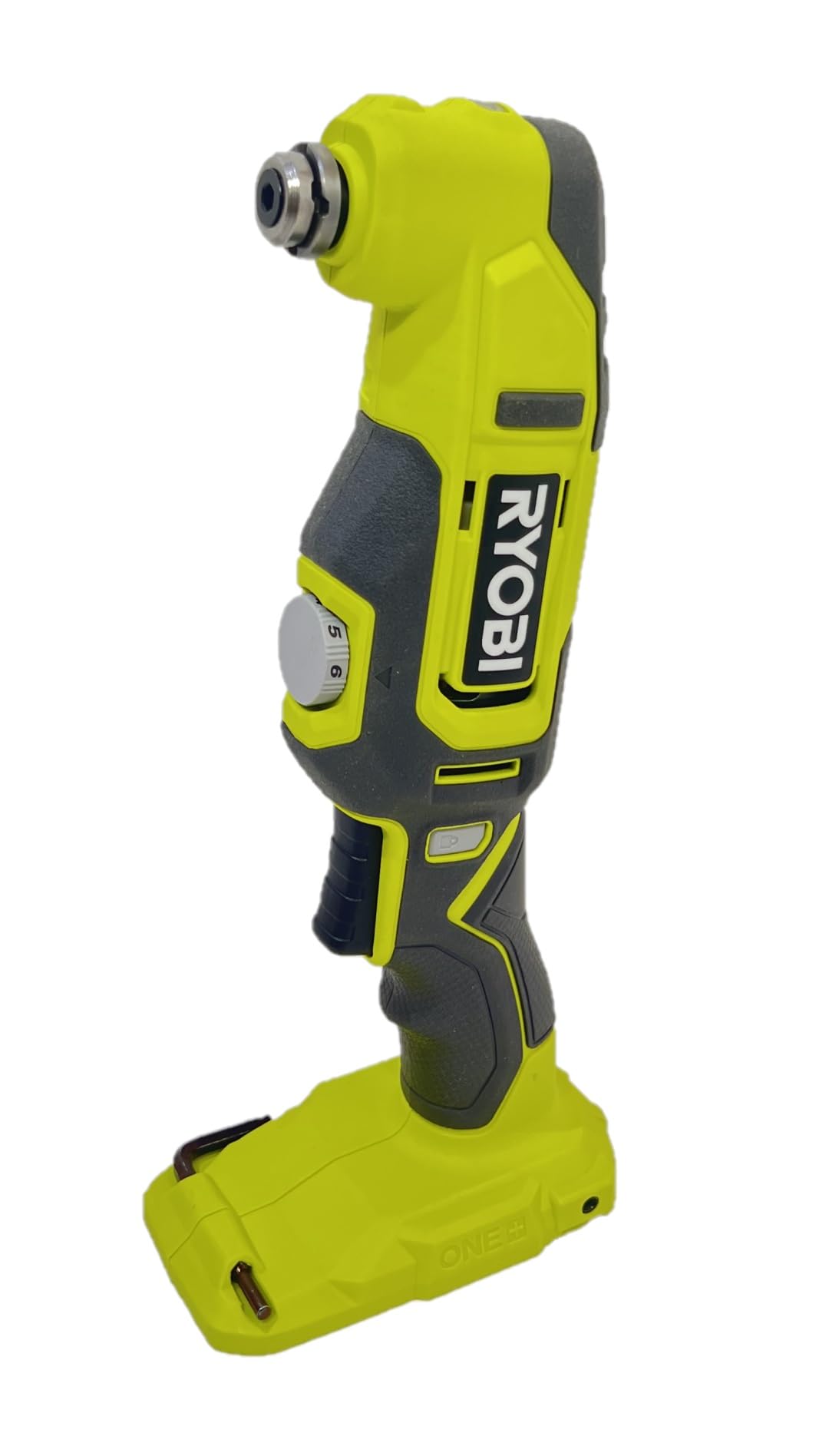
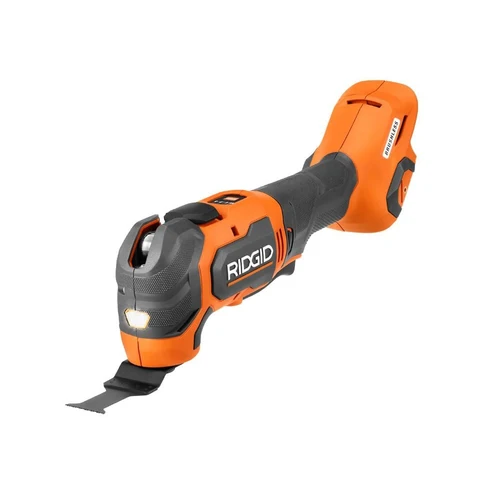
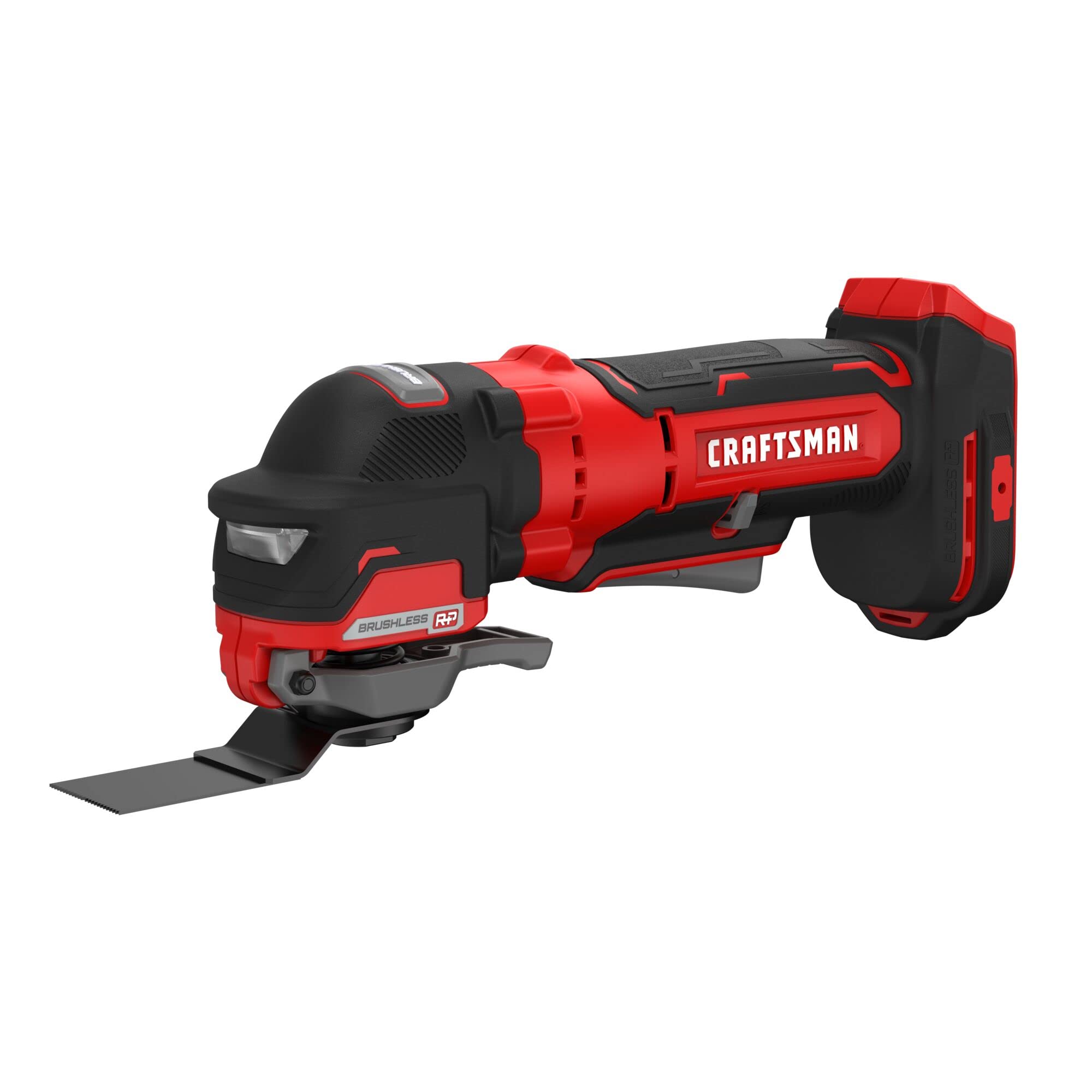
The Milwaukee 2836-20 offers superior vibration control and a wider 4.2-degree oscillation angle compared to the Craftsman V20's basic dampening and 2.8-degree angle, making it better for extended professional use. However, its threaded bolt blade change system is slower than the Ridgid R86242B’s quick-change pin mechanism, and it exhibits more blade flex during precise straight cuts than stiffer competitors like the Ryobi ONE+.
Rating sources
Counts as 4.60/5 in our score — this publisher's 15 scores on the site average 4.43, so its scores are adjusted down to compare fairly with other publishers.
Our 4.6 score is the average of the 1 scored review above, each adjusted for how strictly its publisher scores; 4 more reviewed it without printing a score and are not in the average. More about methodology.