The Lumie Bodyclock Shine 300 is the brightest model in the lineup, and lab tests confirm it out-shines the other Lumie units, with sunrise times adjustable between 20 and 45 minutes. The trade-offs are serious: it flickers, and the interface confuses people. Reviewers found the button layout complex and the UI poor next to the Luxe 700FM. Buy it if brightness is what matters; if usability matters more, get the Luxe.
Full review
Brightest Model with Drawbacks
The Lumie Bodyclock Shine 300 stands as the brightest model in Lumie's lineup, delivering peak brightness that outperforms its counterparts in the company's range. According to Optimize Your Biology's lab tests, the Shine 300 achieves the highest lux output among all tested Lumie Bodyclocks, making it a strong contender for users seeking maximum illumination during sunrise simulations. However, this brightness comes with significant trade-offs that reviewers have flagged. The device's LED array produces noticeable flicker, which Optimize Your Biology's testing revealed as a potential concern for users sensitive to light flicker effects. Additionally, the Shine 300's user interface presents challenges, with professional reviewers noting its complexity and the steep learning curve required to navigate its 11 buttons effectively. The device's navigation system, while functional once mastered, was described as overwhelming by Tom's Guide who found the button layout less intuitive compared to the Luxe 700FM model, which features a more streamlined knob-based interface. This complexity becomes particularly apparent when attempting to adjust settings like 24-hour versus 12-hour time formats, which require a specific multi-button sequence that many users find cumbersome and error-prone.
Sunrise and Sunset Performance
The PinksCharming review noted that the light's gradual fade from white to red creates a 'lovely warm glow' that helps users drift off to sleep. Ethan Green from No Sleepless Nights emphasized the pleasantness of the sunrise feature, stating that waking up with the light slowly filling the room is 'a much more gradual way to wake up' compared to traditional alarm clocks. Tom's Guide confirmed that the mixed LED technology produces smooth color transitions, though they noted that the device's brightness levels can be uncomfortably intense for some users, particularly during the final stages of sunset when the light reaches its deepest red tones. The sunset feature allows users to choose between fading to complete darkness or to a dim nightlight that remains on, providing flexibility for different sleep preferences. However, the Shine 300's sunset performance was criticized by some reviewers for being too bright during the initial phases, potentially disrupting sleep onset for sensitive users.
Power failure backup keeps settings intact
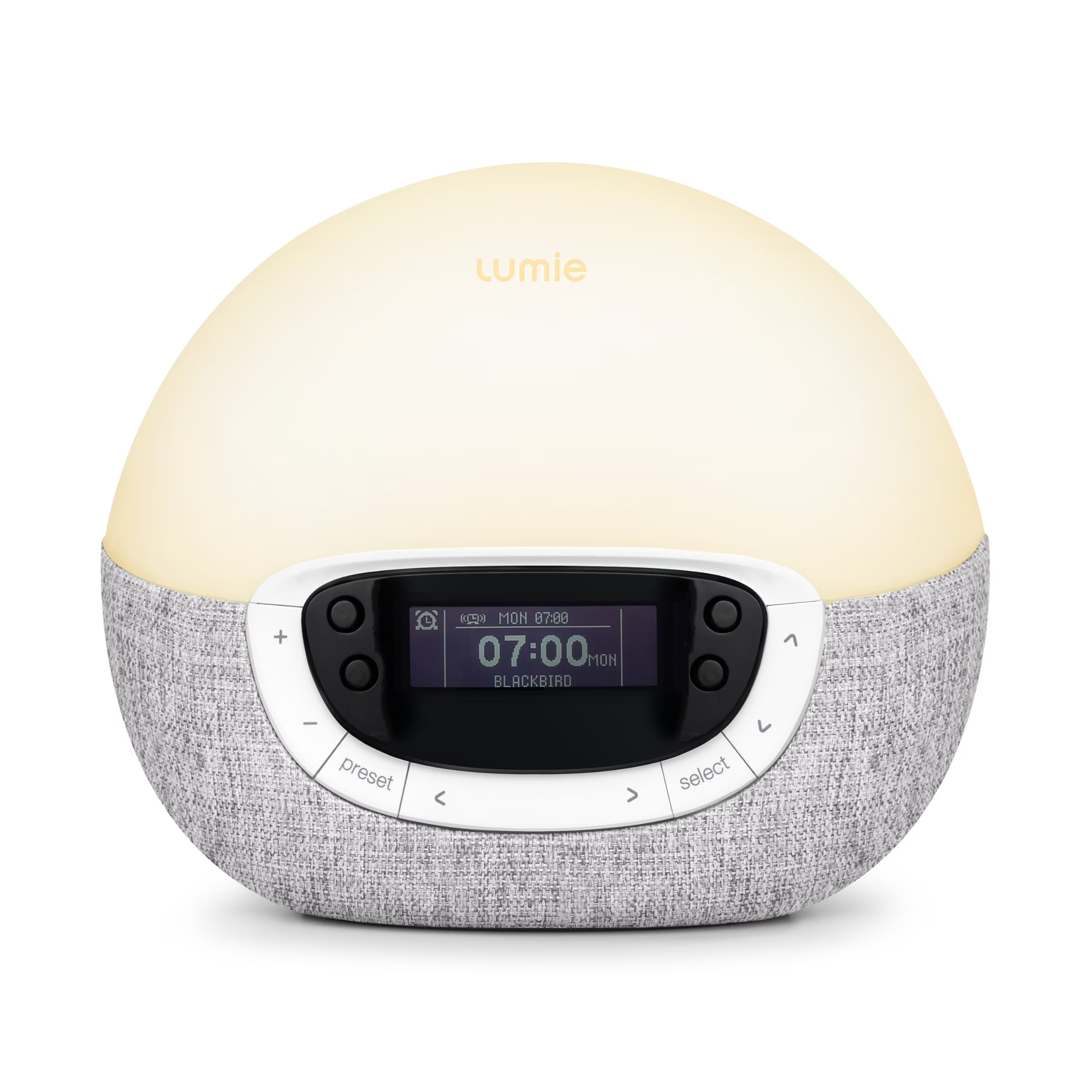
The Shine 300 features a sleek, minimalist design with a textured grey cloth casing that PinksCharming described as 'simple and sleek' and 'looking at home in any house.' The device's build quality appears solid, with Lumie's reputation for manufacturing durable products extending to this model. The compact form factor makes it suitable for bedside tables without taking up excessive space, while the integrated reading light and nightlight options provide additional functionality. However, the device's display screen received mixed reviews, with No Sleepless Nights' Ethan Green criticizing its 'modern' appearance as lacking in visual appeal, though he acknowledged that the auto-dimming feature works well in different lighting conditions. The light-sensitive display automatically adjusts to ambient room lighting, which Tom's Guide confirmed through testing, though some users reported that the dimming could be too aggressive in very dark rooms. The device's power failure backup feature was noted as a positive aspect, ensuring that settings remain intact during power outages, which is particularly valuable for users who rely on consistent sleep schedules. Lumie backs the Shine 300 with a 3-year warranty and a 45-day trial period.
User Interface Challenges
The Shine 300's user interface presents significant usability challenges that have been consistently reported by reviewers across multiple platforms. Optimize Your Biology highlighted that the device's 11 navigation buttons technically make sense once you get used to them, but that its reviewer 'sometimes found it overwhelming and forget which ones did what.' The device requires a specific multi-button sequence to change from 24-hour to 12-hour time format, which Tom's Guide documented as a 'tedious' process involving simultaneous pressing of ALARM, MINUS, and SUNSET keys. This complexity is particularly evident when users attempt to make frequent adjustments or when they need to quickly access specific features during sleep transitions. No Sleepless Nights' Ethan Green described the buttons as 'tricky to work out,' while PinksCharming noted that the device's interface lacks the intuitive simplicity of competing models like the Luxe 700FM. The manual's 16-page instruction guide was cited as necessary but overly detailed, with reviewers suggesting that the device would benefit from a more streamlined menu system. The device's lack of DAB radio functionality compounds the interface issues by forcing users to rely on FM radio alone for audio content. The absence of a more modern display screen was also noted as a drawback, with some users finding the current interface outdated compared to contemporary smart home devices.
Audio and Sound Features
The Shine 300 includes a comprehensive audio system with 14 sleep/wake sounds, including nature sounds like tropical birds, blackbird, osprey, and crickets, as well as white noise and ambient sounds. The device also features an FM radio, which PinksCharming noted as a useful addition for those who prefer radio content during sleep or wake periods. However, audio quality received mixed reviews, with No Sleepless Nights' Ethan Green specifically criticizing the speaker's lack of bass, describing it as 'underwhelming' for music or sound effects. The device's audio system also includes an optional alarm beep, which can be combined with the nature sounds for a more personalized wake-up experience. The inclusion of multiple sleep sounds was praised by reviewers who appreciated the variety, though some noted that the quality of individual sounds varied. However, the absence of DAB radio was noted as a significant limitation, with users expressing frustration that the device only supports traditional FM frequencies. The audio system's integration with the light effects was generally well-received, with reviewers noting that the combination of visual and audio elements creates a more immersive experience for both sleep and wake transitions.
Performance Compared to Alternatives
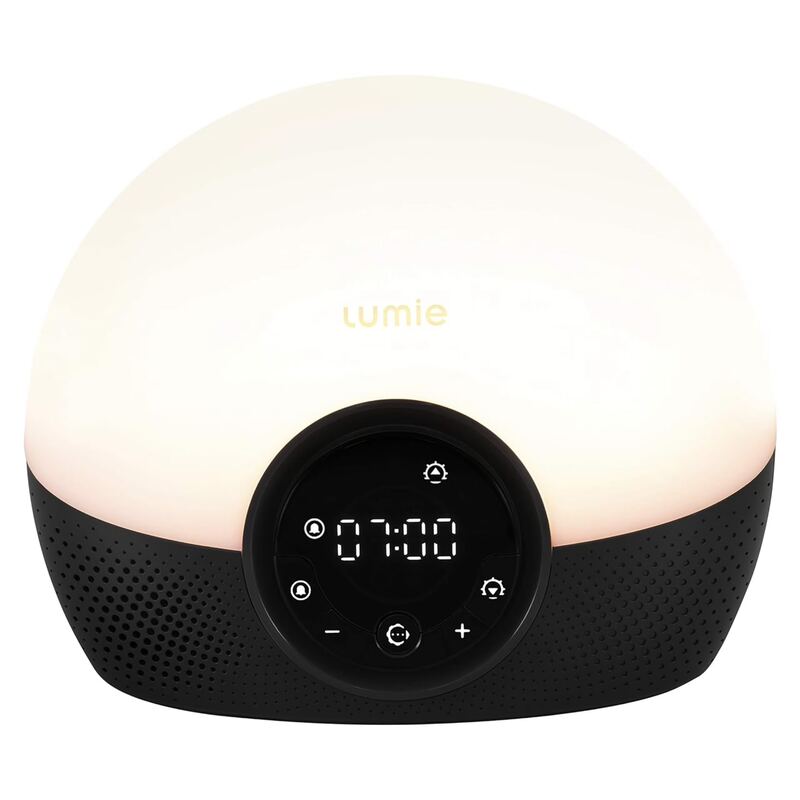
When compared to Lumie's other Bodyclock models, the Shine 300 stands out for its brightness but falls short in terms of user experience and interface design. Optimize Your Biology's testing revealed that while the Shine 300 produces the highest lux output of the four Bodyclocks, it flickers at roughly 200 Hz once dimmed — and the more expensive Luxe 700FM measures worse still, risky at both full and half brightness, so paying up does not buy a way out of it. The Luxe 700FM, priced at $259, offers similar sunrise/sunset functionality but with a more intuitive interface featuring only four main buttons and two navigation knobs, making it significantly easier to use than the Shine 300's 11-button system. The Rise 100 and Glow 150 models were noted for their simplicity but lack the brightness flexibility of the Shine 300, with the Glow 150 offering more sunrise customization (20-45 minutes) compared to the Rise 100's fixed 30-minute duration. Tom's Guide's comparison showed that while the Shine 300 is the brightest, it's not necessarily the best choice for all users, particularly those who prioritize ease of use over maximum brightness. The device's performance in real-world scenarios was mixed, with some reviewers praising its effectiveness in helping with winter blues and sleep regulation, while others found the complexity of its interface to be a significant barrier to consistent use. The Shine 300's price point of $169 was considered high by some reviewers, especially when compared to the more affordable Rise 100 ($99) and Glow 150 ($139) models that offer similar functionality with better user experience.
11-button interface widely criticized as unintuitive
The Lumie Bodyclock Shine 300's primary shortcomings include its problematic user interface, flicker issues, and lack of DAB radio support. Optimize Your Biology's lab testing revealed that the device's LED array produces measurable flicker that could potentially cause discomfort or eye strain for sensitive users. The device's 11-button navigation system was universally criticized for being overly complex and unintuitive, with Tom's Guide noting that the interface requires significant time to master and often leads to user frustration. The absence of DAB radio support was a notable limitation, with reviewers expressing disappointment that the device only supports traditional FM frequencies, which limits audio content options. Additionally, the device's speaker quality received criticism for lacking bass, making it less suitable for users who want to enjoy music or sound effects during sleep or wake periods. The Shine 300's price point of $169 was considered expensive by some reviewers, particularly when compared to the more affordable alternatives like the Glow 150 ($139) and Rise 100 ($99) models that offer similar functionality with better user experience. The device's reliance on manual settings and complex button sequences also makes it less suitable for users who prefer automated or smartphone-controlled systems, limiting its appeal in the modern smart home environment.
Best for SAD sufferers who need maximum brightness
The Lumie Bodyclock Shine 300 is best suited for users who prioritize maximum brightness during sunrise and sunset simulations and are willing to invest time in learning its complex interface. Reviewers like PinksCharming and Ethan Green from No Sleepless Nights recommended it for individuals who struggle with winter blues and seasonal affective disorder, as the device's high brightness levels can help regulate circadian rhythms effectively. The model appeals to users who value the combination of light therapy and wake-up functionality, particularly those who want to customize their sleep-wake cycles with precise timing controls. However, the device is not recommended for users who prefer simple, intuitive interfaces or those who are sensitive to light flicker effects. Tom's Guide noted that the Shine 300's brightness makes it ideal for users who need strong light exposure for mood regulation, but the complexity of its controls may deter casual users or those who prefer automatic settings. The device is also best for users who don't mind the absence of DAB radio support and are comfortable with traditional FM frequencies for audio content. For users seeking a balance between brightness and ease of use, the Luxe 700FM model was recommended as a superior alternative, though at a higher price point. The Shine 300's performance in helping users fall asleep more easily and wake up more gently was consistently praised, making it particularly valuable for those with irregular sleep patterns or difficulty maintaining consistent sleep schedules.
Strengths
- +Brightest among Lumie Bodyclock models tested
- +Includes nature sounds for alarms
- +Supports 24-hour time format setting
Watch-outs
- −Suffers from flicker issues according to lab testing
- −Poor user interface design with 11 navigation buttons
How it compares
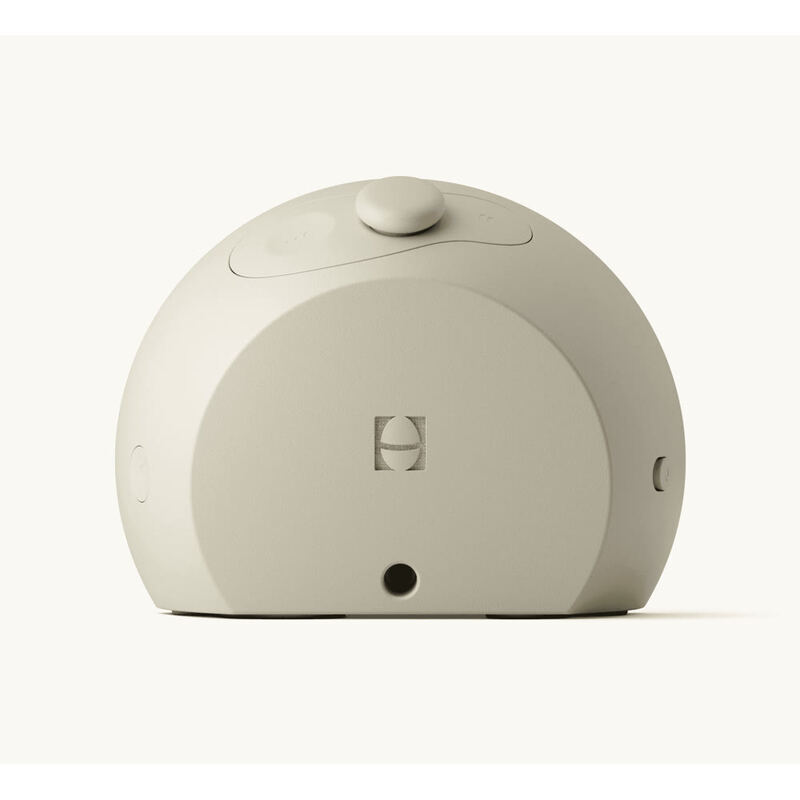
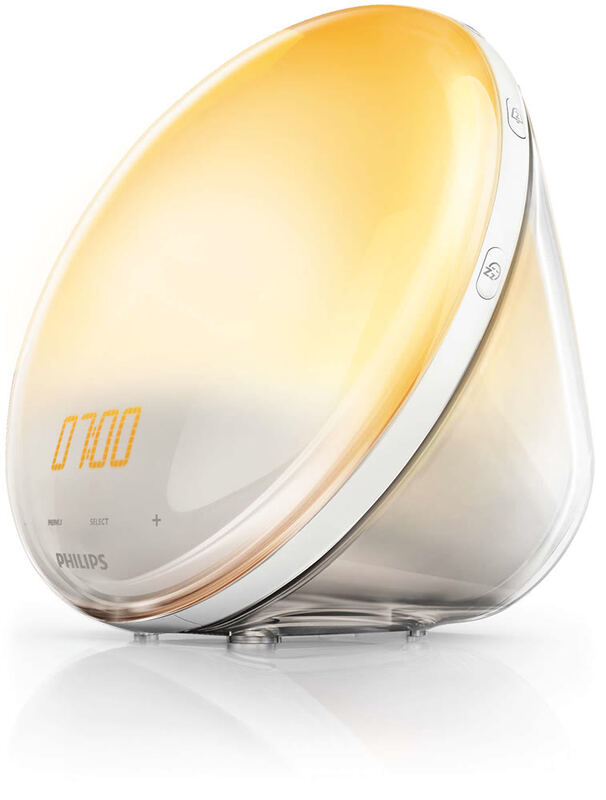
The Lumie Shine 300 is the brightest in the lineup, surpassing the Philips SmartSleep and Casper Glow Light, but it suffers from flicker issues unlike the Lumie Glow 150. While it offers customizable sunrise times, it lacks the intuitive interface of the Glow 150 and doesn't include Bluetooth streaming like the Luxe 700FM. Its poor UI design also makes it less user-friendly compared to the Hatch Restore 3.
Rating sources
“As your room gets dark, the light-sensitive display switches off to help you switch off. A sleep/wake light like Bodyclock Shine 300 is not just a nicer way to start the day. It can help beat the winter blues and is a useful complement to a lightbox in treating SAD”
Our 4.1 score is the average of the 4 scored reviews above; 1 more reviewed it without printing a score and is not in the average. Ratings marked * were derived from the reviewer’s written analysis or video transcript — the publisher didn’t print an explicit numeric score, so we inferred one from their own words. Click through to verify. More about methodology.