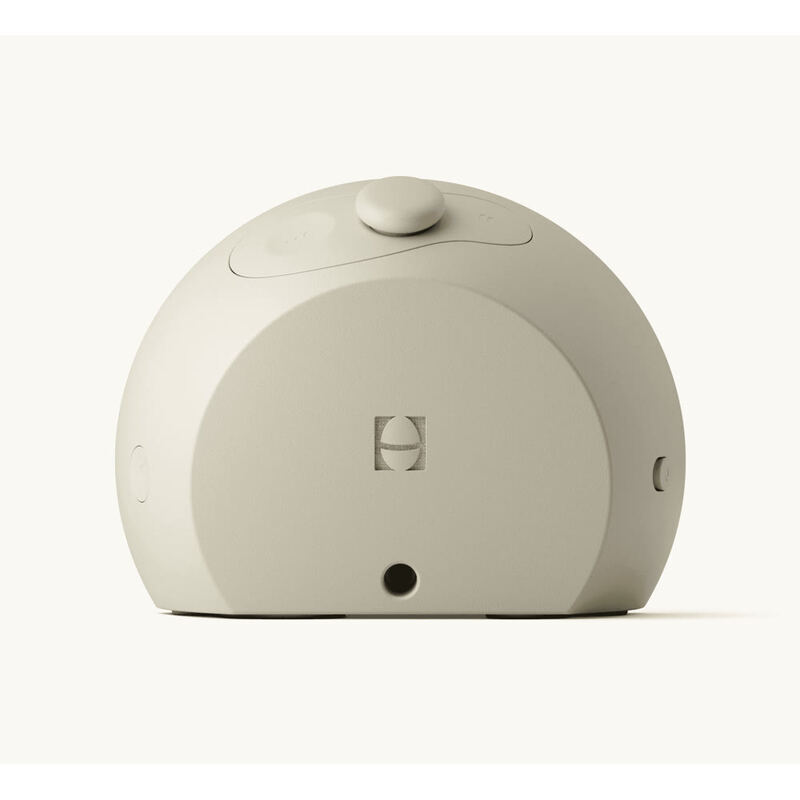
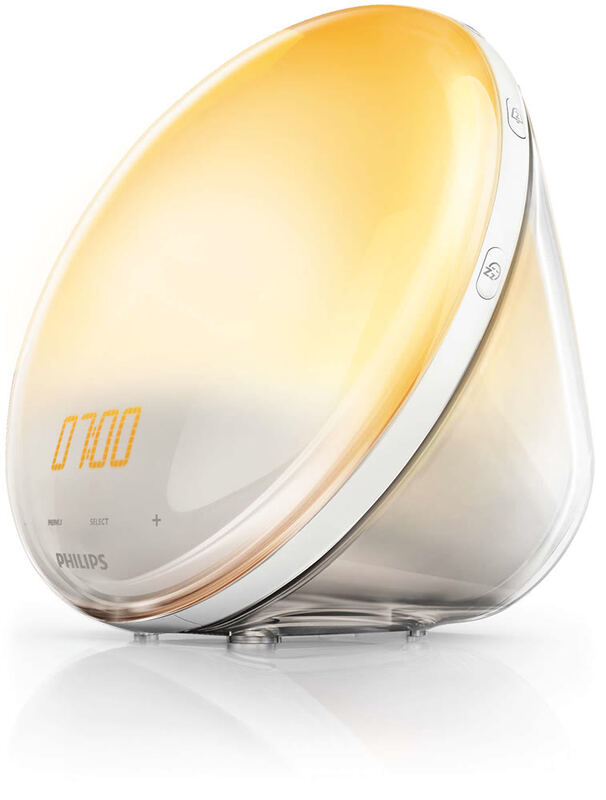
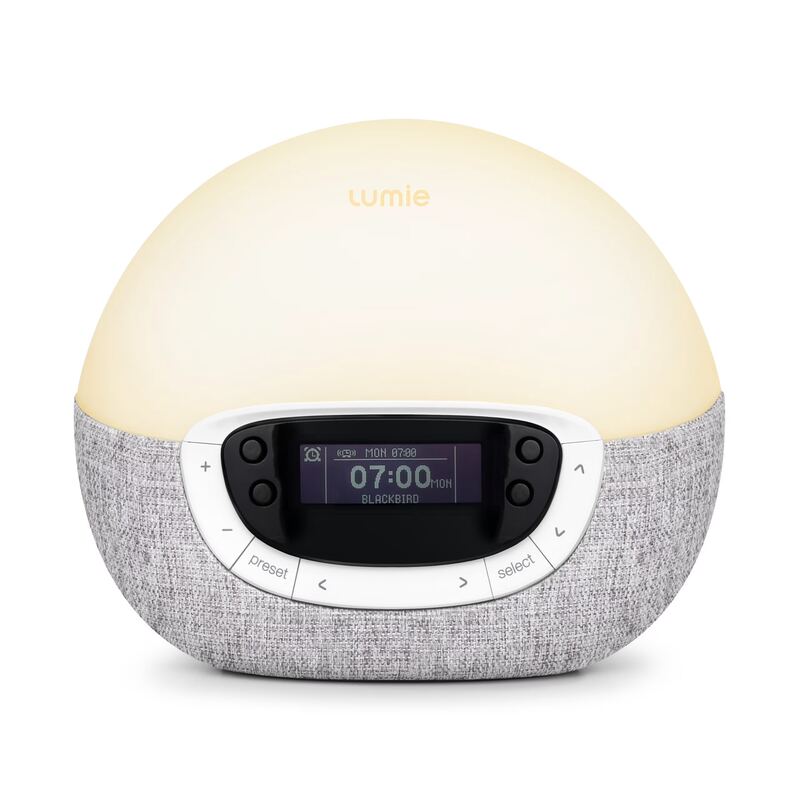
The Lumie Bodyclock Glow 150 is easy to operate and gives you more sunrise options than the Rise 100, anywhere from 20 to 45 minutes. Reviewers found it simple and liked the nature sounds, but noted you have to re-enable the alarm every day and there's no brightness adjustment. It avoids the flicker problems that affect the Shine 300, and it skips the Bluetooth streaming the Luxe 700FM offers. It suits people who want straightforward operation rather than advanced features.
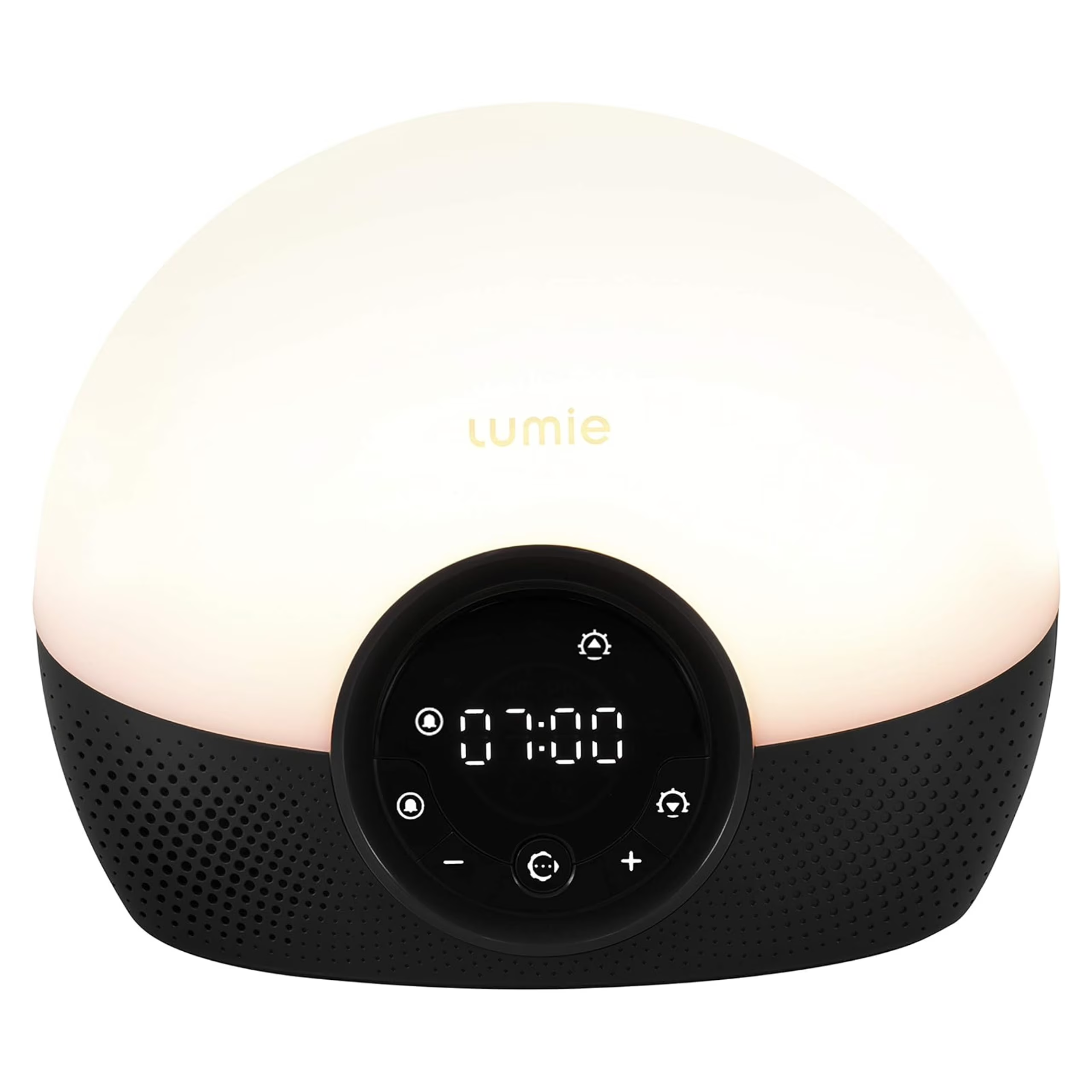
Full review
20, 30, or 45-minute sunrise duration options
The Lumie Bodyclock Glow 150 delivers on its core promise of simulating natural sunrise and sunset to regulate circadian rhythms. The Glow 150 offers three sunrise/sunset duration options—20, 30, or 45 minutes—allowing users to customize their light exposure. According to The Guardian's reviewer, Pete Wise, the device's sunrise simulation effectively reduces grogginess and improves alertness upon waking. The device's light spectrum transitions naturally from reddish-orange to brilliant white, mimicking the sun's progression. However, Optimize Your Biology's lab tests put the Glow 150 well behind the Shine 300 on raw output, and its five brightness steps make it harder to settle on a target lux level at the bedside; on flicker the result runs the other way, with the Glow 150 measuring an almost perfectly flat waveform where the Shine 300 reaches high risk on the IEEE 1789 plot once dimmed. The Glow 150's sunrise simulation is programmable with adjustable intensity, but lacks the fine-tuning capabilities found in premium models, such as the Luxe 700FM, which provides more granular control over light progression.
The device's alarm functionality includes 10 customizable sounds, including birdsong, lapping waves, and a shrill beep, which The Guardian reviewer found particularly effective for ensuring wake-up success. The tap-to-snooze feature works reliably, and the auto-dimming display helps reduce light pollution during nighttime hours. The Glow 150's integration with light therapy principles is well-executed, offering both sunrise and sunset modes that can be set independently. The device's ability to fade to nightlight mode and its cable management space on the base contribute to its practicality, but some users noted that the lack of a dedicated sleep tracking feature limits its utility for those seeking comprehensive sleep monitoring.
Display auto-dims based on ambient room light
The Lumie Bodyclock Glow 150 features a sleek, modern design that fits well in most bedroom settings. The device's integrated LED light source is positioned to provide even illumination across its surface, and the warm white, orange, and red color spectrum transitions smoothly during sunrise and sunset modes. Optimize Your Biology's testing revealed that the Glow 150's build quality is solid, with no noticeable flickering or inconsistent light output during operation. The device's buttons and display are intuitive, though some users found the interface less streamlined compared to the Luxe 700FM, which features a more user-friendly knob-based navigation system. The Glow 150's display automatically dims in response to ambient light, which is a thoughtful touch for reducing nighttime light disturbance. The device's base includes a cable management slot, which helps keep the setup neat and organized, a feature appreciated by many users.
The Glow 150's materials and finish are consistent with Lumie's reputation for quality craftsmanship, and the device feels sturdy in hand. The plastic construction is durable and resistant to wear, though some users noted that the buttons could be slightly more tactile. The device's design is minimalist yet functional, with no unnecessary features that might distract from its primary purpose. The Glow 150's ability to function as both a wake-up light and a reading light adds versatility to its use, and the nightlight option provides gentle illumination for those who need it. However, some reviewers noted that the device's design, while aesthetically pleasing, lacks the premium feel of higher-end models such as the Luxe 700FM, which includes additional features like Bluetooth streaming and a more refined control layout.
Called the best sunrise clock ever reviewed by The Guardian
The Lumie Bodyclock Glow 150 has garnered widespread praise for its effectiveness in simulating natural light and improving sleep quality. The Guardian's Pete Wise, after two weeks of testing, declared it the best sunrise alarm clock he had ever reviewed, even surpassing his previous favorite. His review emphasized that the Glow 150's gradual sunrise and sunset modes significantly improved his morning alertness and evening relaxation. The device's ability to adjust sunrise intensity and duration was particularly appreciated by users who found the fixed settings of other models too rigid. Optimize Your Biology's lab tests confirmed that the Glow 150 delivers consistent light output and color temperature, making it suitable for both wake-up and wind-down routines. The device's 10 customizable alarm sounds, including nature sounds like waves and birdsong, were praised for their variety and effectiveness in gently rousing users without jarring them awake. The tap-to-snooze function was also highlighted as a convenient feature that adds to the device's user-friendliness.
Users consistently appreciated the Glow 150's integration of light therapy principles into a simple, easy-to-use interface. The device's ability to function as both a wake-up light and a reading light was seen as a significant advantage, especially for those who struggle with sleep onset. The auto-dimming display and cable management space were also noted as thoughtful touches that enhance the overall user experience. The Glow 150's medical certification was seen as a mark of trustworthiness, particularly for users seeking a clinically validated light therapy device. The device's compact size and sleek design were also praised, as they make it suitable for a wide range of bedroom setups. The inclusion of a 3-year warranty and a 45-day trial period adds to its appeal, offering users confidence in their purchase and the opportunity to test the device's effectiveness before committing long-term.
No sleep tracking or gradual volume increase
Despite its many strengths, the Lumie Bodyclock Glow 150 has several notable drawbacks that prevent it from being a perfect choice for all users. One major limitation is its lack of advanced customization features compared to higher-end models like the Luxe 700FM. While the Glow 150 offers three sunrise/sunset duration options, it lacks the fine-tuning capabilities that users seeking precise light therapy might desire. Optimize Your Biology's testing revealed that the device's light output, while adequate, does not match the spectral quality and consistency of more expensive models. The device's interface, while functional, was criticized by some users for being less intuitive than that of the Luxe 700FM, which features a more streamlined knob-based navigation system. The Glow 150 also lacks a sleep tracking feature, which many users would find valuable for monitoring their sleep patterns and optimizing their light therapy routine.
Another significant shortcoming is the device's inability to provide detailed feedback on light exposure or circadian rhythm adjustment. Users who are interested in tracking their progress or fine-tuning their light therapy regimen may find the Glow 150 lacking in this regard. The device's alarm settings, while customizable, do not include features like gradual volume increase or smart wake-up based on sleep cycles, which are available in more advanced models. Additionally, the device's power source requires a standard electrical outlet, which may be inconvenient for users who prefer battery-powered or solar-powered options. Some reviewers also noted that the device's brightness, while sufficient for most users, may not be enough for individuals with severe seasonal affective disorder (SAD) or those requiring clinical-grade light therapy. The lack of a dedicated app or smart home integration also limits its appeal to tech-savvy users who expect connectivity features.
Best for mild SAD, not clinical-grade light needs
The Lumie Bodyclock Glow 150 is best suited for individuals seeking a reliable, easy-to-use sunrise alarm clock that provides effective light therapy without the complexity of advanced features. It is particularly ideal for users who want to improve their sleep quality, regulate their circadian rhythm, or combat mild seasonal affective disorder (SAD). The device's simplicity makes it an excellent choice for those who prefer straightforward functionality over complex interfaces. The Glow 150 is also well-suited for users who value a compact, aesthetically pleasing design that fits seamlessly into their bedroom decor. The device's medical certification and 3-year warranty make it a trustworthy option for those seeking a clinically validated light therapy device. The inclusion of 10 customizable alarm sounds and the tap-to-snooze function adds to its appeal for users who want a gentle wake-up experience.
The Glow 150 is less ideal for users who require advanced customization features or those who need a device with sleep tracking or smart home integration. It is also not recommended for individuals with severe SAD or those requiring clinical-grade light therapy, as the device's brightness and spectral output may not be sufficient for such conditions. Users who prefer a more premium feel or those seeking a device with Bluetooth streaming capabilities should consider the Luxe 700FM instead. The Glow 150 is also not suitable for users who want to use the device as a standalone light therapy lamp without the sunrise/sunset features, as it is specifically designed for circadian rhythm regulation. Those who are looking for a device with a more robust build quality or one that can function as a full-fledged smart home hub may find the Glow 150 lacking in these areas.
Sits between the basic Rise 100 and pricier Shine 300
When compared to other models in Lumie's lineup, the Glow 150 sits comfortably in the middle tier, offering a balance of features and price that appeals to many users. The Rise 100, which is priced lower, lacks the brightness flexibility and sunrise customization options of the Glow 150, though it does offer a simpler interface and a beeping alarm. The Shine 300, while brighter and more customizable, suffers from a complex user interface and flicker issues that may deter some users. The Luxe 700FM, on the other hand, offers superior performance with customizability similar to the Shine 300 but with a much easier-to-use interface, Bluetooth streaming, and additional features like FM radio. However, for users who prioritize ease of use and a balanced feature set, the Glow 150 offers a compelling middle ground.
In the broader market, the Glow 150 competes with other sunrise alarm clocks like the Philips SmartSleep HF3650, which offers a more intuitive interface but lacks the advanced customization features of Lumie's models. The Glow 150's medical certification and light therapy capabilities give it an edge over many competitors that do not meet the same safety standards. However, it falls short of premium models like the Philips SmartSleep 3650, which offers smart home integration and more advanced sleep tracking features. The device's 3-year warranty and 45-day trial period also provide added value compared to many competitors in the same price range.
Backed by a 3-year warranty and 45-day trial
The device's medical certification, 3-year warranty, and 45-day trial period add significant value, particularly for those who are new to light therapy or unsure about their needs. The Glow 150's ability to function as both a wake-up light and a reading light provides dual utility, which justifies its cost for many users. Optimize Your Biology's testing showed that while the device's light output is adequate, it does not match the spectral quality of higher-end models, but for the price, it offers a good balance of features and performance. The device's compact design and user-friendly interface also contribute to its value, as they reduce the learning curve and make it accessible to a wide range of users. The inclusion of 10 customizable alarm sounds and the tap-to-snooze function adds to its appeal, making it a versatile choice for users with varying preferences.
When compared to other models in the same price range, the Glow 150 offers a compelling combination of features and reliability. The Rise 100, while cheaper, lacks the brightness and customization options of the Glow 150, making it less suitable for users who want a more robust light therapy experience. The Shine 300, though brighter and more customizable, is more complex to use and suffers from flicker issues, which may not justify its higher price for casual users. The Luxe 700FM, while offering superior performance and additional features like Bluetooth streaming, is priced higher and may be overkill for users who do not need those advanced capabilities. The Glow 150's value is further enhanced by its 3-year warranty and 45-day trial period, which provide peace of mind and the opportunity to test the device's effectiveness before committing long-term. For users seeking a reliable, easy-to-use device that delivers effective light therapy without the complexity of advanced features, the Glow 150 offers excellent value.
Strengths
- +Simple to use with intuitive navigation
- +Offers more sunrise customization (20-45 minutes) compared to fixed 30-minute rise time
- +Includes nature sounds alarm option
- +No flicker issues (unlike Shine 300 model)
Watch-outs
- −Requires manual re-enabling of alarm daily
- −Lacks brightness flexibility
- −Does not support Bluetooth streaming
How it compares
The Lumie Glow 150 offers simpler navigation and more customizable sunrise times than the Philips SmartSleep, but lacks the advanced features like sunset simulation and the bright light of the Lumie Shine 300. Unlike the Hatch Restore 3, it doesn't include app-based routines, and it's less intuitive than the Casper Glow Light in terms of automatic activation. It also doesn't support Bluetooth streaming like the Luxe 700FM.
Rating sources
“Ringing endorsement: this is the creme de la creme of sunrise alarm clocks, according to our reviewer.”
“I wanted to share some of the best things that have made a difference in case it helps anyone else too”
Our 4.3 score is the average of the 3 scored reviews above; 1 more reviewed it without printing a score and is not in the average. Ratings marked * were derived from the reviewer’s written analysis or video transcript — the publisher didn’t print an explicit numeric score, so we inferred one from their own words. Click through to verify. More about methodology.