Reviewers rate the Hatch Restore 3 at the top for building a bedtime ritual, helped by a well-polished app and a sunrise function that works. They also like the industrial design and the intuitive physical controls. Two catches: the sunrise light isn't as bright as competitors', and the full routine features sit behind a subscription. It's for people who want a smart alarm clock with sleep routines built in, not just a light that comes on in the morning.
Full review
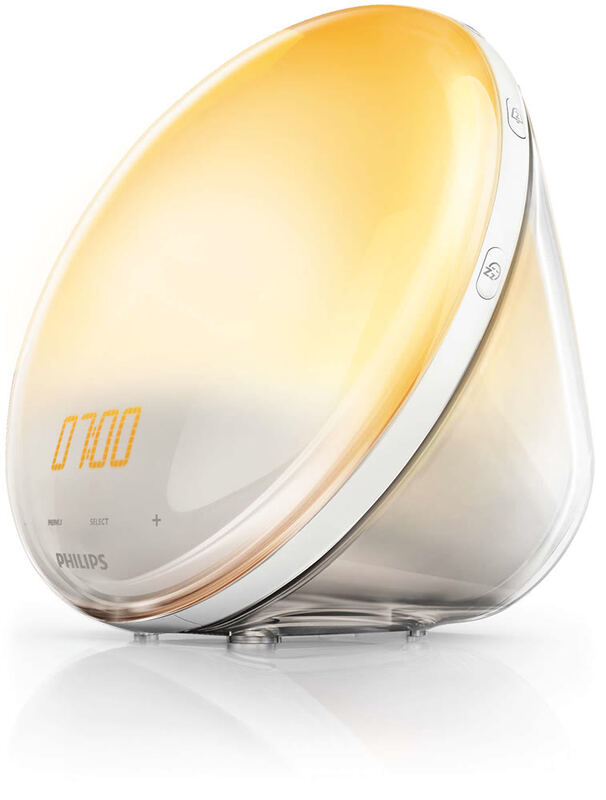
1000 lumens, dimmer than the Philips SmartSleep's 1200
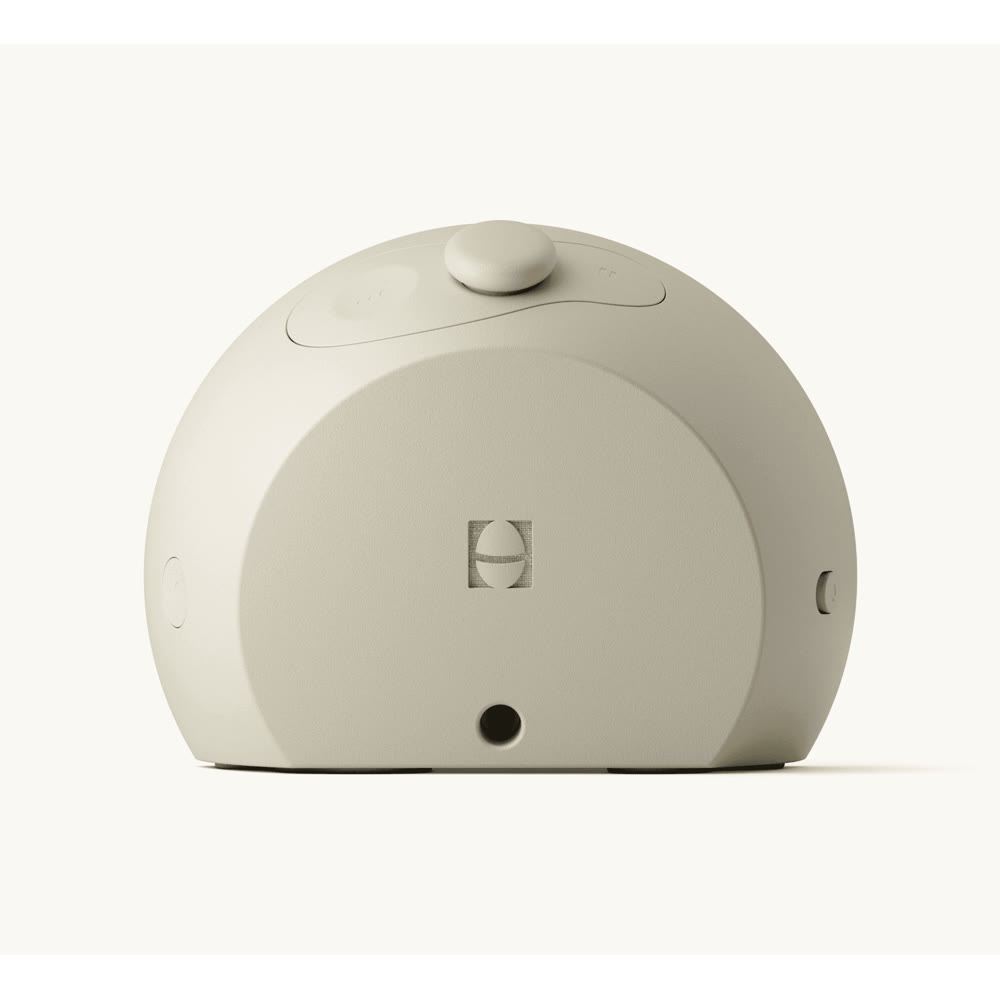
The Hatch Restore 3 maintains the industrial aesthetic that has made the brand popular, but with subtle refinements that elevate its presence on a nightstand. Unlike the previous model, the Restore 3 features a new physical control layout with a central knob and two side buttons, which reviewers found more intuitive than the older button arrangement. The matte finish and muted color palette—offering Latte, Putty, and Slate options—give it a sophisticated look that blends seamlessly with bedroom decor. The device is notably brighter overall than its predecessor, with the light output measuring 1000 lumens, according to The Spruce's testing. However, some reviewers noted that the sunrise light, while effective, is less bright compared to competitors like the Philips SmartSleep, which clocks in at 1200 lumens. The build quality is solid, with a weight that suggests durability, though it's not particularly portable due to its size and internal components.
App and Routine Functionality
The Hatch Restore 3's functionality hinges on its companion app, which is essential for setting up routines and customizing the experience. According to Prevention.com's Allie Early, the app is "simple to navigate" and offers robust customization options for both wind-down and wake routines. Users can choose from dozens of meditations, sleep sounds, and alarm tones, with the ability to adjust duration and volume. The app also supports scheduling repeat alarms, though some users, like The Spruce's Julia Fields, found this feature annoying when their schedules vary daily. The app provides a 30-day trial for Hatch+, the premium subscription service that unlocks additional content and features. While the app is user-friendly, it lacks some advanced features that might appeal to power users. The integration between the app and the physical device is seamless, allowing users to start routines directly from the clock face, which is a significant improvement over earlier models.
Sleep Routine Features
Hatch Restore 3 excels in creating structured bedtime and morning routines, which is one of its core strengths. The device supports both a 'wind-down' phase, where users can select calming sounds or meditations, and a 'sleep' phase, where white or colored noise can be played throughout the night. According to The Everygirl's Kirra Wallace, the wind-down routine helped her transition from digital stimulation to relaxation more effectively. The sunrise simulation, while not as intense as some competitors, provides a gentle awakening experience that mimics natural light. The ability to customize the light transition timing and intensity allows users to tailor the experience to their sensitivity levels. However, some users found that the light wasn't bright enough to fully replace the need for an eye mask, especially in darker environments. The device also supports phone-free operation, which is particularly useful for users who want to avoid screen time before bed. The simplicity of the physical controls—especially the large central button—makes it easy to start or stop routines without needing to reach for a phone.
Performance and Brightness
Performance-wise, the Hatch Restore 3 delivers on its promise of a bright, effective sunrise simulation. The device's light output reaches 1000 lumens, which is sufficient for most users to feel the effect without being overly harsh. Optimize Your Biology's Derek Antosiek noted that the light is "fairly flicker-free," a critical factor for sleep quality. The brightness is not quite on par with the Philips SmartSleep, which offers 1200 lumens. The sunrise effect is gradual, starting at a low intensity and increasing over 20-30 minutes before the set alarm time. Users like Julia Fields from The Spruce found that the light was effective enough to be noticeable but not jarring, making it ideal for those who struggle with traditional alarms. The device also includes a nightlight mode, which can be activated via the side button, providing a soft glow that doesn't interfere with sleep. Despite these strengths, some users noted that the light's effectiveness can vary depending on room conditions and individual sensitivity levels.
Subscription Model and Value
One of the most significant drawbacks of the Hatch Restore 3 is its reliance on a subscription model for full functionality. The Hatch+ premium subscription costs $4.99/month or $49.99/year, which provides access to premium content and features. While the free trial is generous, users who don't want to commit to a subscription may find limited value in the device. According to The Strategist's Jordan McMahon, the subscription model is "a bit pricey," especially when compared to alternatives that offer similar features without ongoing fees. However, some reviewers, including those from Prevention.com, found that the premium content—particularly the meditations and sleep sounds—justifies the cost for regular users. The subscription also unlocks features like custom alarm sounds and extended routine durations, which are not available in the free version. For users who plan to use the device consistently, the subscription may be worth the investment, but casual users might find it unnecessary. The device's price point of $170 is competitive with other sunrise alarm clocks, but the added cost of the subscription can make it more expensive in the long run.
Real-World User Experience
User experiences with the Hatch Restore 3 vary widely depending on individual sleep habits and preferences. The Everygirl's Kirra Wallace, a mother of an eight-month-old, found that the device helped her establish a consistent bedtime routine, leading to better sleep quality and reduced screen time before bed. The ability to use the device phone-free was particularly appreciated, as it allowed her to leave her phone downstairs without worry. However, users who share their sleep space with others on different schedules may find the device less flexible. The Spruce's Julia Fields noted that while the device is effective, it requires some setup and adjustment to get the most out of it. The device's effectiveness also depends on the user's willingness to engage with the app and customize routines. For those who are committed to improving their sleep habits, the Hatch Restore 3 offers a comprehensive solution. However, for casual users or those who prefer simpler devices, it may be overkill. The device's ability to integrate with existing smart home ecosystems, such as Alexa and Google Assistant, adds to its versatility, though not all features are supported through these platforms.
Premium features locked behind a subscription
Despite its many strengths, the Hatch Restore 3 has several notable shortcomings. The most significant issue is the subscription model, which is required to access premium features. Users who don't want to commit to a monthly fee may find the device less appealing. Additionally, while the sunrise light is effective, it's not as bright as some competitors, which could be a problem for users who need a more intense light to wake up effectively. The device's reliance on Wi-Fi for setup and routine updates can also be a limitation for users in areas with poor connectivity. According to a Reddit thread in r/sleep, some users reported issues with firmware updates that caused temporary disruptions in functionality. The physical controls, while improved over the previous model, can still be confusing for users who are not tech-savvy. Some reviewers noted that the device's design, while aesthetically pleasing, may not suit all bedroom aesthetics, particularly those with minimalist or modern decor preferences. The device also lacks some advanced features that power users might expect, such as integration with third-party smart home platforms beyond basic voice commands.
Less suited to shared beds with different schedules
The Hatch Restore 3 is ideal for users who are committed to improving their sleep habits and want a structured approach to bedtime and morning routines. It's particularly suited for individuals who struggle with traditional alarms or want to reduce screen time before bed. The device is also a good fit for those who value aesthetics and want a piece of bedroom decor that serves a functional purpose. Users who are willing to invest in a premium subscription will get the most out of the device's full feature set. However, it may not be the best choice for users who prefer simple, no-frills devices or those who are uncomfortable with app-based setups. The device is also less ideal for shared sleeping spaces where different schedules are common, as the device's scheduling features can be inflexible. For users who want to integrate the device into a smart home ecosystem, it offers good compatibility, but it may not satisfy advanced users looking for extensive customization options. Overall, the Hatch Restore 3 is best suited for those who are serious about sleep improvement and willing to invest both time and money into a comprehensive solution.
Strengths
- +App-based routine builder is well-designed and easy to use
- +Sunrise light effect is powerful enough to be effective
- +Physical controls are responsive and intuitive
- +Looks great on nightstand with industrial design aesthetic
Watch-outs
- −Sunrise light is dim compared to other options
- −Subscription fee required for full routine features
How it compares
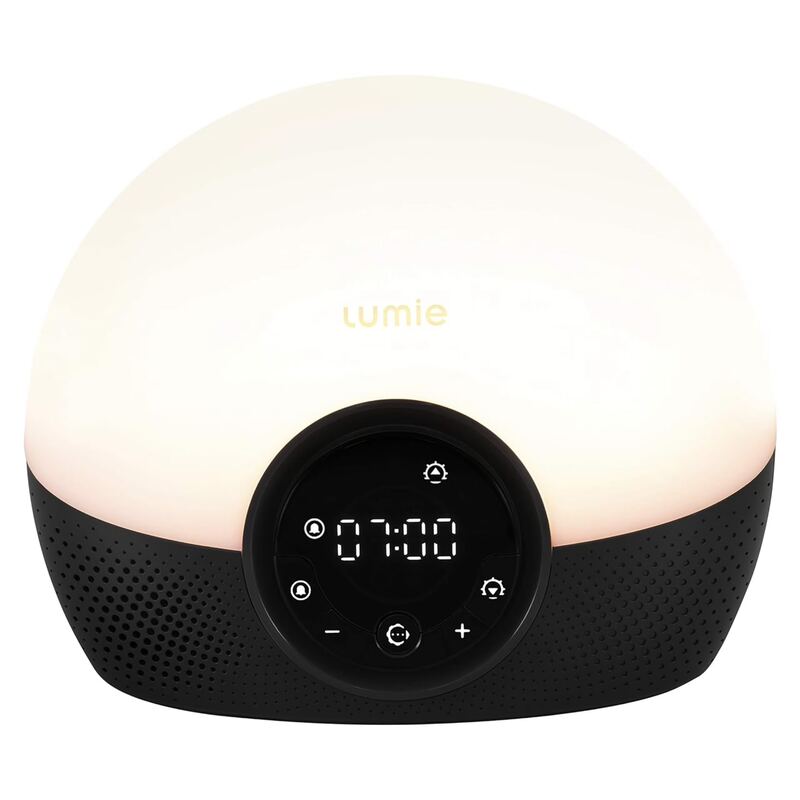
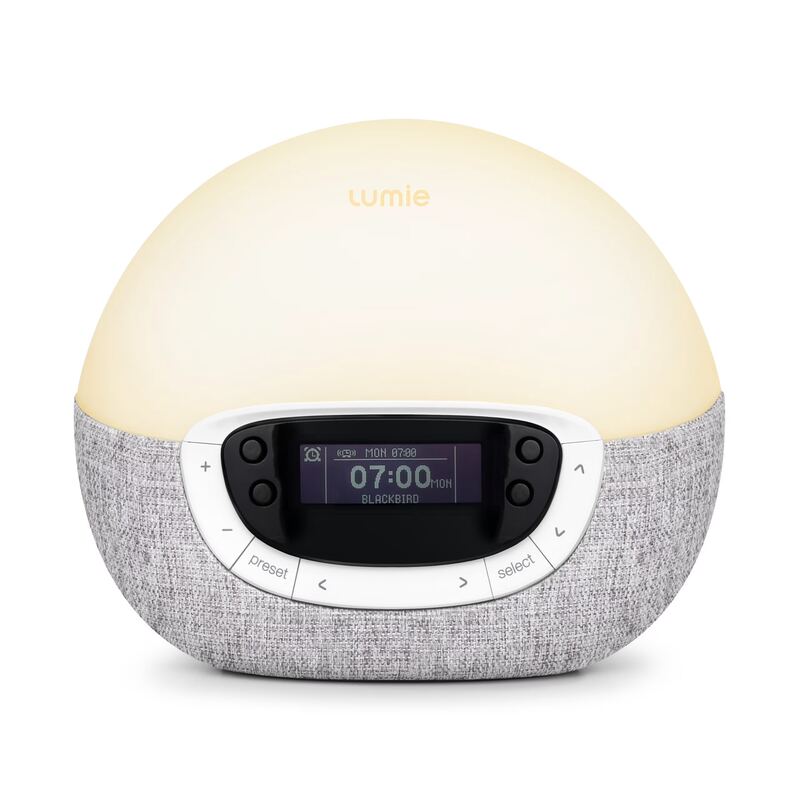
The Hatch Restore 3 stands out with its industrial design and app-based routine builder, but unlike the Jall or Lumie models, it lacks built-in sleep aid sounds and FM radio. While it offers a sunrise light effect, it's dimmer than competitors like the Lumie Shine 300 and doesn't match the Philips SmartSleep's sunset simulation feature. Its subscription model also sets it apart from the more straightforward Jall and Lumie devices.
Rating sources
“It’s my must-have for bedtime and sticking to a better routine. Take it from someone who’s been known to sleep in quite a bit and scroll on her phone before bed: It’s a real problem-solver.”
“I'm still using my Hatch Restore. I love it, and so does my family.”
Our 4.4 score is the average of the 4 scored reviews above; 1 more reviewed it without printing a score and is not in the average. Ratings marked * were derived from the reviewer’s written analysis or video transcript — the publisher didn’t print an explicit numeric score, so we inferred one from their own words. Click through to verify. More about methodology.