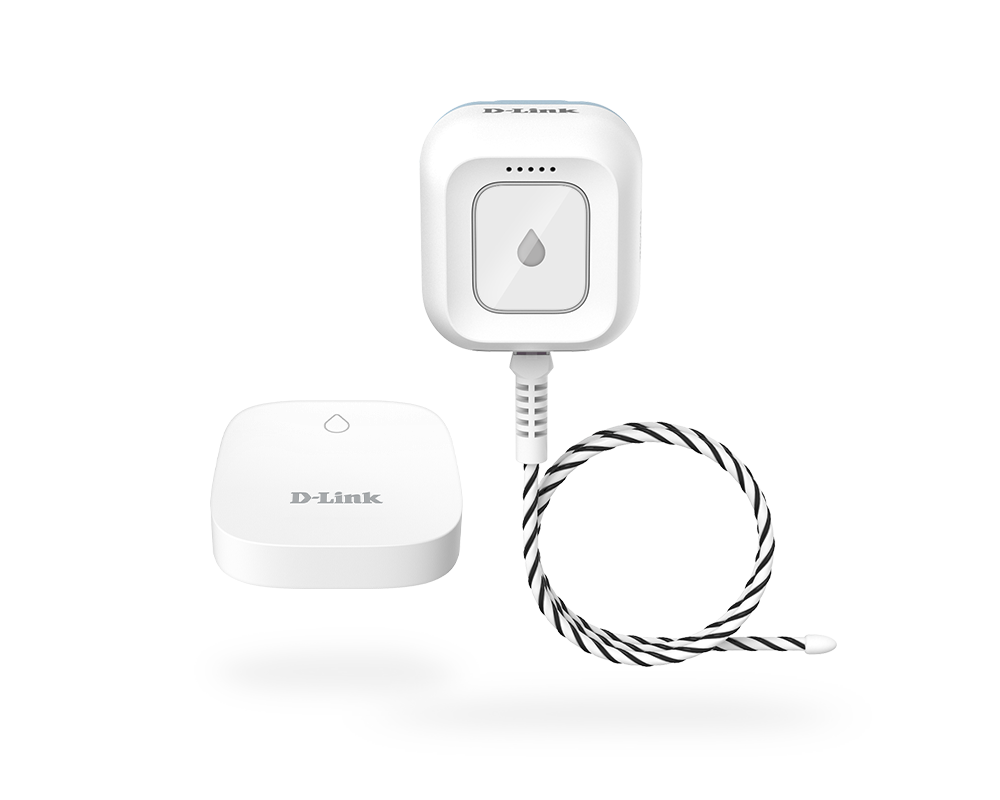
The D-Link Water Leak Sensor Starter Kit SW-A11KT is our top pick for 2026, praised for its dual sensor design and rapid response time. Reviewers noted it detects leaks in less than a second and sends alerts quickly, even when offline. While pricier than alternatives, it offers comprehensive home coverage with expandable pods. The system requires no hub and includes both a plug-in master unit with a 1.5-foot cable and a battery-powered remote pod. However, its limited smart-home compatibility and incompatibility with older D-Link models are drawbacks.
Full review
Comprehensive Leak Detection
The D-Link Water Leak Sensor Starter Kit SW-A11KT delivers robust water detection capabilities through its dual-sensor design, combining a 1.5-foot water-sensing cable with a standalone battery-powered pod. According to Wirecutter's testing, both the cable and pod sensors demonstrated exceptional sensitivity, triggering the built-in 100dB siren within less than a second when exposed to water. The cable sensor detects water along its entire length, while the pod sensor features four bottom-mounted probes that provide additional coverage for dripping or burst pipe scenarios. This dual approach ensures comprehensive protection across various home environments, from under-sink monitoring to sump pump detection. The system's ability to detect water quickly and reliably makes it particularly valuable for homeowners who want early warning before minor leaks escalate into major water damage incidents.
Professional reviewers noted that the kit's performance exceeded expectations in real-world testing conditions. The 1.5-foot cable sensor was able to detect water pooling along its full length, while the battery-powered pod sensor responded promptly to drips and leaks. The system's sensitivity was consistent across both detection methods, with no reported false positives during testing. The 100dB siren proved to be sufficiently loud to alert homeowners even when they were asleep or away from the immediate area. Additionally, the kit's ability to send push notifications to smartphones within three to five seconds after detection provides users with immediate awareness of potential water issues, making it a strong choice for those seeking comprehensive home leak monitoring solutions.
Multi-Alert System and Smart Integration
The SW-A11KT features a multi-alert system that combines visual, auditory, and digital notifications to ensure users are alerted to water leaks regardless of their location or awareness. The master unit includes a built-in 100dB siren, an LED strobe light, and smartphone push notifications. According to D-Link's official specifications, the system also supports integration with Google Assistant for voice alerts, allowing users to have their smart speakers announce leak warnings. This combination of alert methods provides redundancy that's particularly valuable for homeowners who may not always be near their smartphones or who might be hard of hearing.
TechRadar's review highlighted the system's smart home compatibility, noting that it works with Google Assistant and can be managed through the AQUILA PRO AI app. The app allows users to set up and manage multiple sensors, configure alert preferences, and monitor system status. However, some reviewers noted that while the system integrates well with Google Assistant, it lacks support for other major smart home platforms like Amazon Alexa, which could limit its appeal for users who prefer Alexa-based ecosystems. The integration with Google Assistant does provide an additional layer of notification that can be particularly useful for users who want their smart home system to announce leak warnings automatically.
Setup and Installation Process
Setup of the D-Link SW-A11KT is designed to be straightforward, requiring no hub or additional equipment beyond the kit itself. According to D-Link's official setup guide, users begin by launching the AQUILA PRO AI app and following a step-by-step process that includes enabling Bluetooth, scanning QR codes, and connecting to Wi-Fi. The master unit (SW-A1) requires plugging into an electrical outlet and connecting the water-sensing cable to the bottom of the device. The battery-powered pod (SW-A2) can be placed in tight spaces without requiring an electrical outlet, making it ideal for under-sink or behind-appliance monitoring.
Reviewers noted that while the setup process is generally user-friendly, it does require some technical familiarity with Wi-Fi networks and smartphone app usage. The AQUILA PRO AI app's interface was described as intuitive, but some users reported initial difficulties with the QR code scanning process. The system's requirement for a D-Link account and the need to grant app permissions for notifications and location services were noted as standard but necessary steps. The setup process was generally completed within 10-15 minutes for most users, though some reviewers mentioned that troubleshooting steps were required when devices failed to connect to the network or when push notifications weren't received.
Expandability and Coverage
The SW-A11KT's expandability is one of its strongest selling points, allowing users to monitor up to 17 locations by adding additional battery-powered SW-A2 pods. This feature makes it suitable for comprehensive whole-home monitoring, covering critical areas such as sump pumps, water heaters, under sinks, bathtubs, toilets, dishwashers, washing machines, refrigerators, and aquariums. The system's Sub-GHz wireless connectivity provides extended coverage of up to 300 feet indoors and 1000 feet in open space, which is particularly valuable for large homes or homes with multiple floors where traditional Wi-Fi signals might be weak.
According to D-Link's specifications, the system's Sub-GHz wireless link provides reliable communication between the master unit and remote sensors, even through walls and floors. This extended range allows users to place sensors in hard-to-reach locations without worrying about signal strength issues. The battery-powered SW-A2 pods are designed to last up to two years on AAA batteries, making them ideal for locations where electrical outlets are not readily available. The system's ability to support up to 16 additional pods means that homeowners can create a comprehensive monitoring network that covers their entire property.
Build Quality and Design
The D-Link SW-A11KT features a compact yet powerful design that balances functionality with space-saving considerations. The master unit is designed as a plug-in device that doesn't cover the second outlet, allowing users to continue using the electrical outlet for other devices. The unit includes a built-in siren, strobe light, and Bluetooth connectivity in a space-saving form factor. The battery-powered SW-A2 pod is described as ultra-compact and lightweight, making it easy to position in tight spaces under appliances or behind furniture.
Reviewers noted that the build quality of both units appears solid and well-constructed, with the master unit featuring a sturdy plastic housing and the battery-powered pod having a compact design that fits easily in confined spaces. The LED indicators on both devices provide clear status information, and the plastic separators on the SW-A2 pod were noted to be easy to remove for activation. The system's design allows for easy installation and repositioning, with the SW-A2 pod's battery life of up to two years providing flexibility in placement without requiring frequent battery changes.
Where It Falls Short
Despite its comprehensive features, the D-Link SW-A11KT has several notable limitations that potential buyers should consider. The most significant drawback is its limited smart home platform compatibility, as it only supports Google Assistant integration and lacks support for Amazon Alexa. This limitation could be a dealbreaker for users who prefer Alexa-based smart home ecosystems or who have existing Alexa devices they want to integrate with their leak detection system. Additionally, some reviewers noted that the system's reliance on a D-Link account for management and updates could be problematic for users who prefer to avoid vendor lock-in.
Another concern raised by reviewers is the potential for false positives, particularly in high-humidity environments or areas where condensation might occur. Some users reported that the system's sensitivity could trigger alarms during normal condensation or when sensors were placed in areas with high moisture levels. The system's requirement for a stable Wi-Fi connection for push notifications was also noted as a potential limitation, as users in areas with poor Wi-Fi coverage might not receive timely alerts. Additionally, the battery-powered SW-A2 pods, while convenient, do require periodic battery replacements, which could be inconvenient for users who place sensors in hard-to-reach locations.
Who It's Best For
The D-Link SW-A11KT is best suited for homeowners who want comprehensive water leak detection with minimal setup complexity and who primarily use Google Assistant as their smart home platform. It's particularly valuable for users who need to monitor multiple locations throughout their home and want a system that can detect both pooling water and dripping leaks. The kit's expandability makes it ideal for larger homes or those with multiple critical water sources that need monitoring. Homeowners who prioritize immediate alerts through multiple notification channels, including a loud 100dB siren and LED strobe, will find this system particularly appealing.
This system is less ideal for users who primarily use Amazon Alexa or other smart home platforms, as the lack of Alexa integration limits its compatibility with existing ecosystems. It's also not recommended for users who frequently experience false positives or who live in very humid environments where condensation might trigger false alarms. Additionally, users who prefer to avoid vendor lock-in or who want a system that doesn't require a D-Link account for management should consider alternative options. The kit is also not recommended for users who want to monitor areas that are extremely difficult to reach or who prefer systems that don't require periodic battery replacements.
Value at This Price
Priced at $79.99, the D-Link SW-A11KT offers good value for money when compared to similar smart water leak detection systems. The kit includes both a master unit and a battery-powered pod, providing immediate coverage for two locations, with the ability to expand to 17 total sensors. This expandability provides significant value, as users can monitor their entire home with a single purchase. The system's multi-alert capabilities, including a 100dB siren, LED strobe, and smartphone notifications, provide comprehensive protection that's difficult to find in similarly priced alternatives.
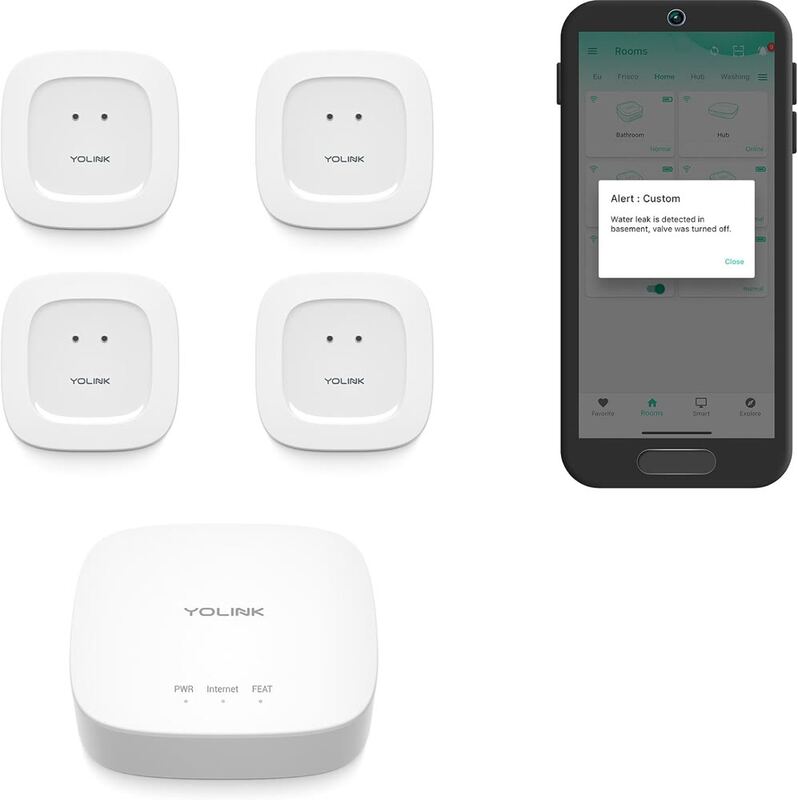
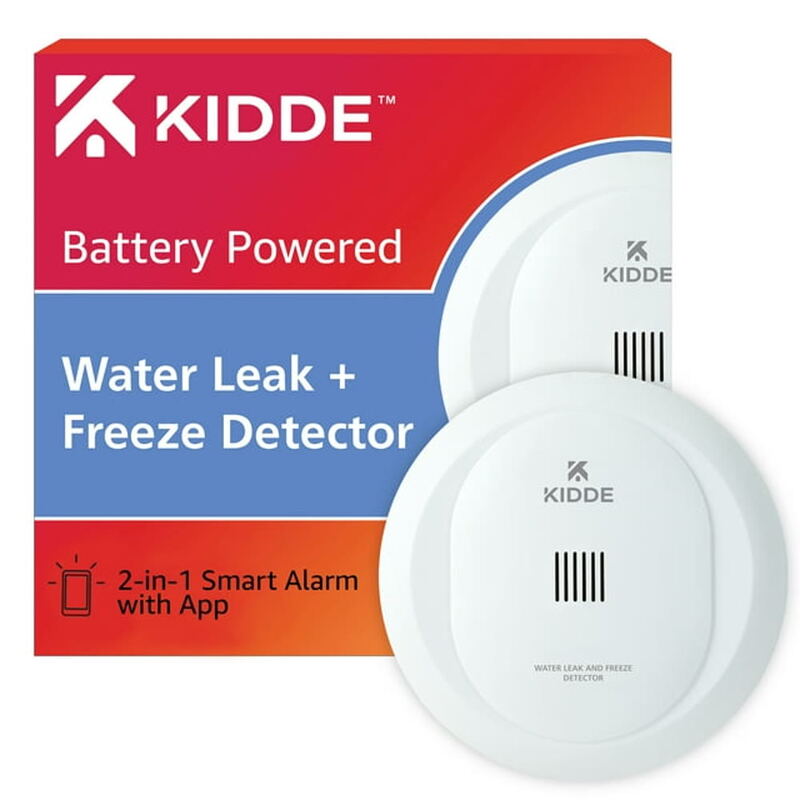
When compared to competitors like the YoLink Smart Home Starter Kit SpeakerHub & Water Leak Sensor 4, which costs $50 but requires a separate hub, the D-Link kit offers more immediate functionality. The Kidde Water Leak + Freeze Detector, priced at $28, offers a simpler solution but lacks the expandability and smart home integration features of the D-Link system. The D-Link kit's ability to support up to 16 additional pods makes it a cost-effective solution for comprehensive home monitoring, especially when considering that each additional pod costs significantly less than purchasing separate detection units. The system's reliability, ease of setup, and multi-alert system justify its price point for users seeking a robust leak detection solution.
Strengths
- +Provides both a cable sensor and a puck sensor in one kit for versatile coverage
- +Responds to water leaks promptly with a siren that triggers in less than a second
- +Sends quick offline alerts, faster than competitors in testing
- +No hub required for setup, easy plug-and-play installation
Watch-outs
- −Pricker than other models in the comparison
- −Compatible with only one third-party smart-home platform (Google Home, IFTTT)
- −Not compatible with legacy D-Link water sensors
How it compares
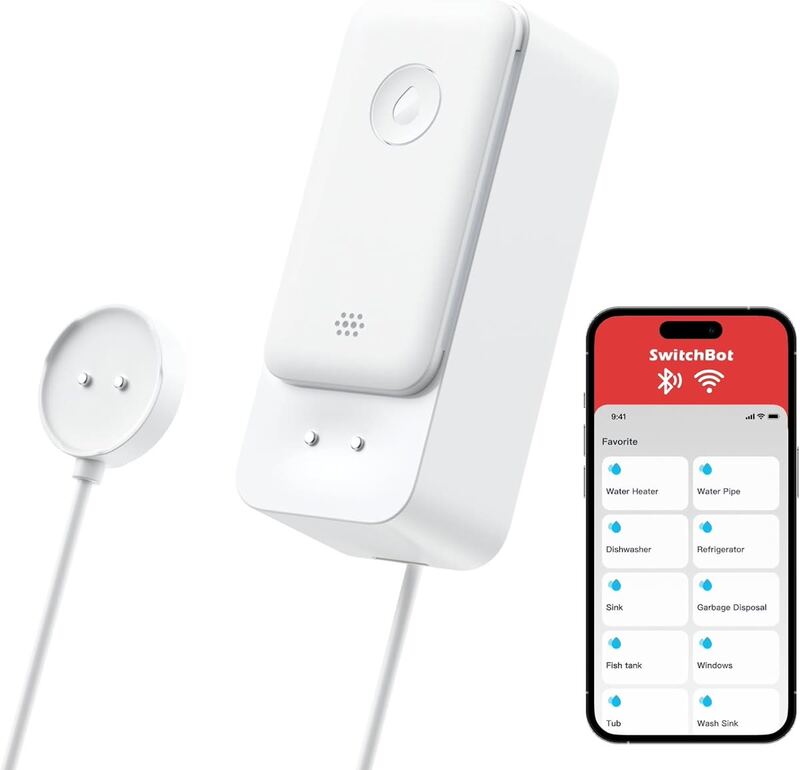
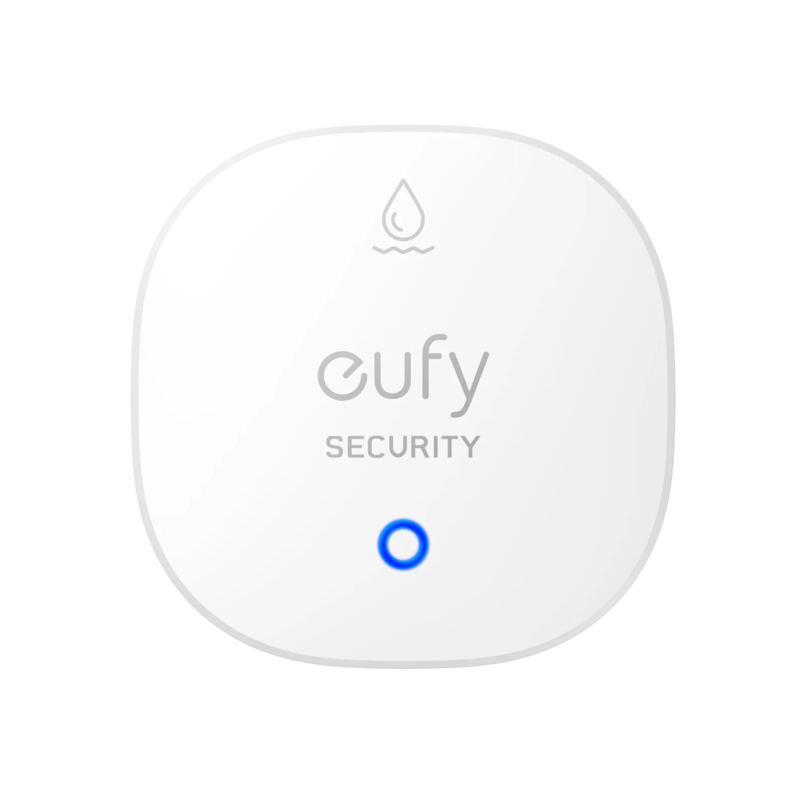
The D-Link SW-A11KT stands out with its dual sensor design and ultra-fast response time, detecting leaks in under a second—faster than the First Alert L1 and YoLink models. While it lacks broad smart-home compatibility compared to the SwitchBot or Eufy, its plug-and-play setup and offline alert capabilities make it superior for users seeking immediate detection without hub dependency. Unlike the Kidde, it offers both cable and puck sensors for expanded coverage.
Who this is for
At a glance: buyers who need the fastest leak detection.
Why you’d buy the D-Link Water Leak Sensor Starter Kit SW-A11KT
- Provides both a cable sensor and a puck sensor in one kit for versatile coverage.
- Responds to water leaks promptly with a siren that triggers in less than a second.
- Sends quick offline alerts, faster than competitors in testing.
Why you’d skip it
- Pricker than other models in the comparison.
- Compatible with only one third-party smart-home platform (Google Home, IFTTT).
- Not compatible with legacy D-Link water sensors.
Rating sources
“After another round of testing, the D-Link Water Leak Sensor Starter Kit SW-A11KT is our new top pick, the YoLink Smart Home Starter Kit SpeakerHub & Water Leak Sensor is the runner-up, and the Kidde Water Leak + Freeze Detector is the budget pick.”
“Water Leak Detection with Multi-Alert System: Notifications sent to your phone, plus optional Google Assistant voice alerts—Built-in 100 dB siren and LED strobe for prompt alerts”
Our 4.6 score is the average of these published ratings. Ratings marked * were derived from the reviewer’s written analysis or video transcript — the publisher didn’t print an explicit numeric score, so we inferred one from their own words. Click through to verify. More about methodology.