Verdict
Head-to-head · Best Smart Glasses

Rokid Glasses vs Xreal 1S

Which is the better buy? Side-by-side on rating, price, strengths, and watch-outs — with the published ratings we averaged to get there.

Verdict is reader-supported. As an Amazon Associate we earn from qualifying purchases. Some links on this page are affiliate links — if you click through and buy, we may earn a small commission at no extra cost to you. Our ratings are sourced from independent publications, not sponsors.
The short answer

Xreal 1S comes out ahead by a clear margin (4.5 vs 3.6). Xreal 1S is best for: users seeking an immersive media experience with spatial anchoring who do not require smooth motion clarity. Read the strengths below before deciding.

Rokid Glasses
Ranked #6 in Best Smart Glasses
Rokid Glasses
2 sources$249as of Oct 17

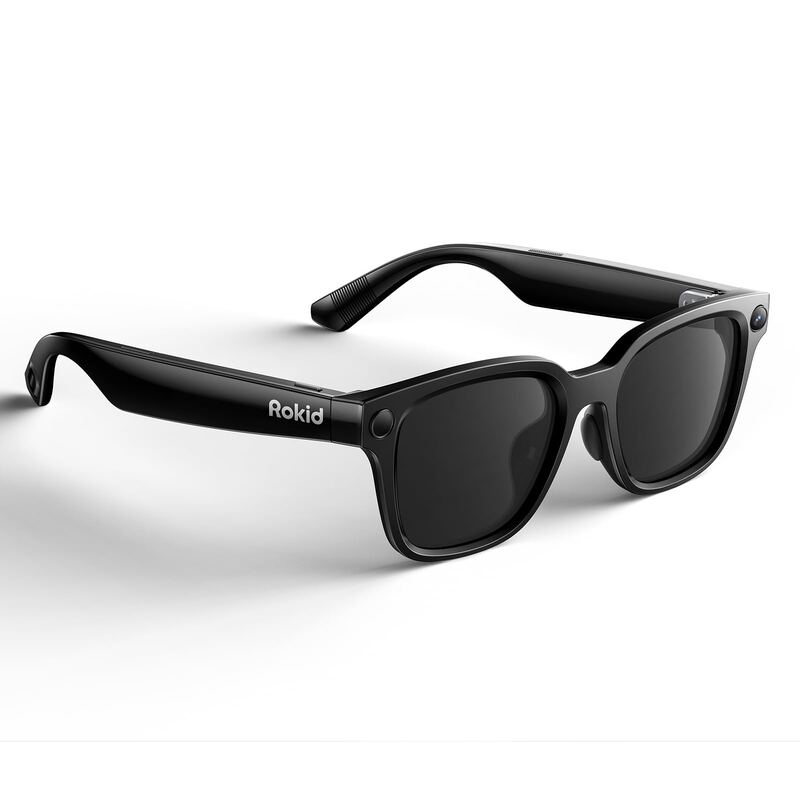
PCMag found that the Rokid Glasses deliver a sharp monochrome display via waveguide optics and include a 12MP camera for computer vision tasks like text translation and visual descriptions. The device supports flexible AI integration by allowing users to choose between ChatGPT or Qwen models, enabling reliable live captions and voice translations for accessibility and travel. However, the glasses lack in-glass navigation features, forcing users to rely on phone-based directions instead of receiving turn-by-turn guidance directly in their field of view. Additionally, there is a learning curve required to master the touch controls and voice commands effectively before the interface becomes intuitive. These smart glasses fit travelers and accessibility seekers who prioritize translation and captions over comprehensive smartphone replacement, while those needing navigation or seamless ecosystem integration should look elsewhere.

Strengths
  • — Provides accurate live captions and voice translations for accessibility and travel use cases.
  • — Includes a built-in camera capable of capturing photos and video with an indicator light to alert others when recording.
  • — Offers flexible AI integration by supporting both ChatGPT and Qwen assistant models.
Watch-outs
  • — Lacks navigation features, requiring users to rely on phone-based directions rather than in-glass guidance.
  • — Requires a learning curve to master touch controls and voice commands effectively.
Xreal 1S
Higher ratedRanked #2 in Best Smart Glasses
Xreal 1S
2 sources$449as of Oct 17

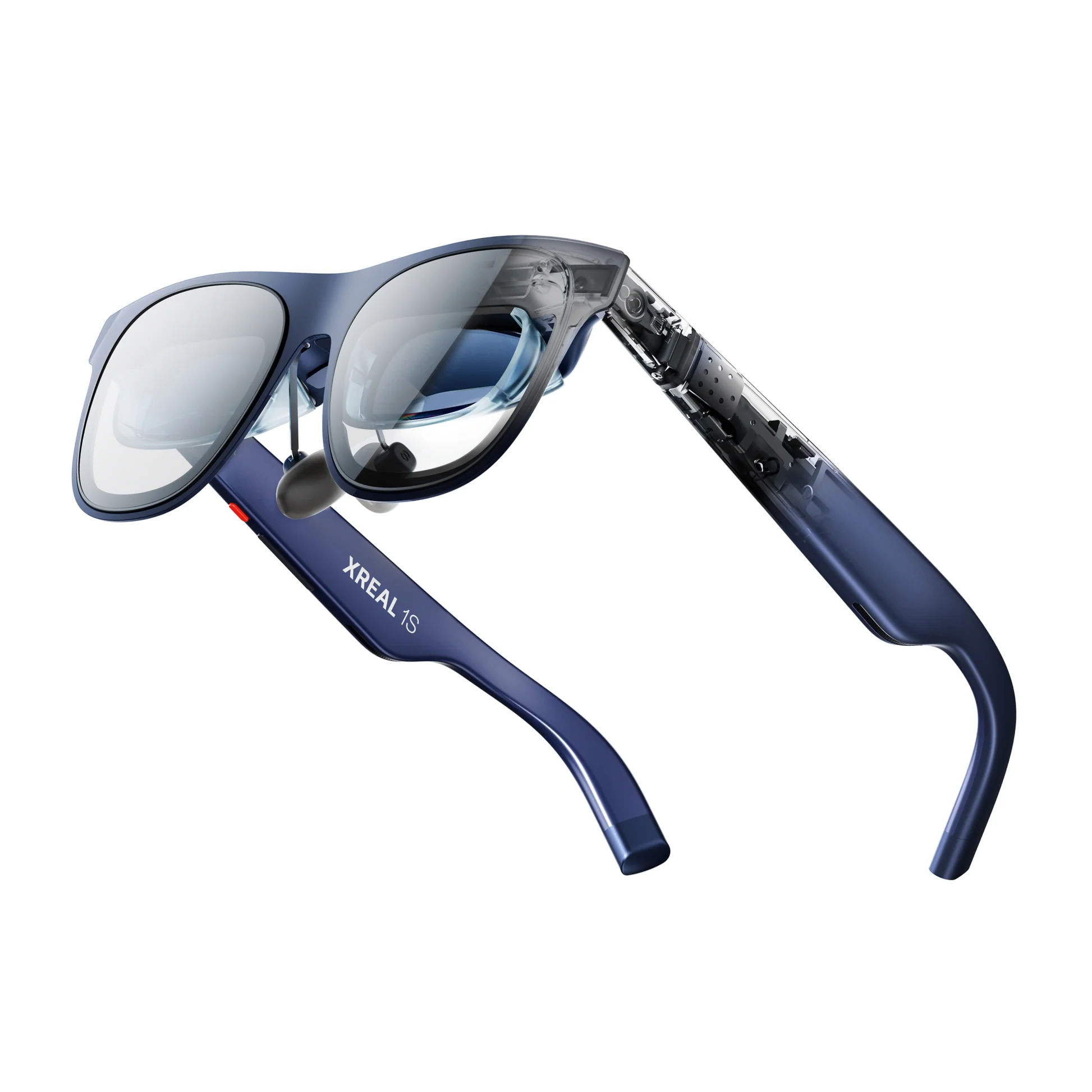
The Xreal 1S delivers a sharp mini-OLED display with 700 nits of brightness and Bose-tuned open-ear speakers, making it an excellent portable virtual screen for video entertainment. Gamespace found that the onboard X1 chip enables native 3DoF spatial tracking and real-time 2D-to-3D conversion without external accessories, while Ubergizmo noted its comfort during extended wear despite a slight weight increase. However, the computational load of this 3D processing significantly drops the frame rate to 30fps, causing stuttering and visual artifacts that make it unsuitable for fast-paced gaming or high-refresh-rate monitors. This device fits users seeking an immersive media experience on flights or commutes but should be avoided by those requiring smooth motion clarity for action games or advanced spatial computing workflows.

Strengths
  • — Features an onboard X1 chip that enables native 3DoF spatial tracking and screen anchoring without external accessories.
  • — Incorporates electrochromic dimming lenses that automatically adjust tint based on head gaze direction.
  • — Includes Bose-tuned open-ear speakers with Spatial Sound 4.0 for convenient headphone-free audio.
Watch-outs
  • — Real-time 2D-to-3D conversion significantly drops the frame rate to 30fps, causing stuttering and visual artifacts in games.

How they stack up

Rokid Glasses

However, it lacks in-glass navigation features that might be expected compared to devices with spatial tracking like the Xreal 1S.

Xreal 1S

The Xreal 1S features an onboard X1 chip enabling native 3DoF spatial tracking, a capability not explicitly detailed for the Viture Beast which relies on head tracking modes. However, its real-time 2D-to-3D conversion drops frame rates to 30fps, making it less suitable for fast-paced gaming compared to the high-refresh-rate support of the Viture Pro 2.

Specs side-by-side

SpecRokid GlassesXreal 1S
Display TypeWaveguidemini-OLED x2
Field of View23 degrees52°
Resolution640 by 4801920 x 1200
Brightness1500 nits700 nits
Weight1.73 oz2.89 oz
Connectivity—USB-C (DisplayPort Alt Mode)
← See the full ranking of best smart glasses