Verdict
Head-to-head · Best Smart Glasses

RayNeo X3 Pro vs Viture Beast

Which is the better buy? Side-by-side on rating, price, strengths, and watch-outs — with the published ratings we averaged to get there.

Verdict is reader-supported. As an Amazon Associate we earn from qualifying purchases. Some links on this page are affiliate links — if you click through and buy, we may earn a small commission at no extra cost to you. Our ratings are sourced from independent publications, not sponsors.
The short answer

Viture Beast comes out ahead by a clear margin (4.5 vs 2.9). Viture Beast is best for: immersive entertainment seekers who want vivid color reproduction and don't require adjustable diopters. Read the strengths below before deciding.

RayNeo X3 Pro
Ranked #9 in Best Smart Glasses
RayNeo X3 Pro
4 sources$299as of Oct 17

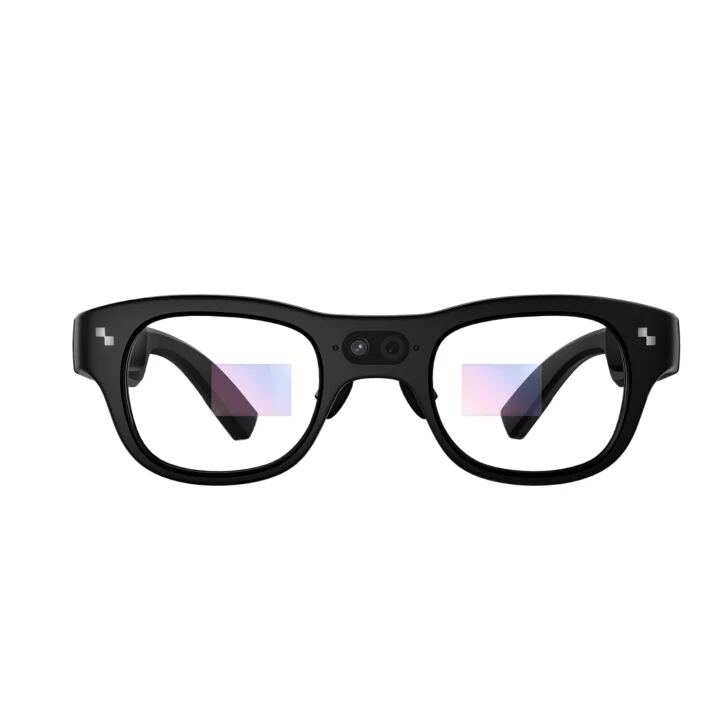
TechRadar found that the RayNeo X3 Pro’s 6000-nit MicroLED display delivers exceptional outdoor visibility, while Gizmodo noted its sleek design and comfortable weight distribution. However, the device suffers from a severely limited battery life that drains rapidly during active camera use or navigation tasks. Interaction is further hindered by overly sensitive touch controls on the arms that frequently register unintended taps, complicating basic navigation. The software ecosystem is equally restrictive, requiring awkward sideloading procedures to install third-party apps due to a sparse native selection. This premium smart glass suits early adopters comfortable with technical workarounds and short battery endurance, but it is ill-suited for users seeking reliable all-day wear or seamless app integration.

Strengths
  • — Dual-eye MicroLED display reaches up to 6000 nits of peak brightness, making it usable in direct sunlight.
  • — Lightweight form factor weighing just 76g with well-engineered weight distribution for comfort.
  • — Powered by the Qualcomm Snapdragon AR1 Gen 1 processor paired with 4GB RAM and 32GB storage.
Watch-outs
  • — High retail price combined with a limited native app ecosystem that requires awkward sideloading for third-party apps.
  • — Touch controls on the right arm are overly sensitive and frequently register unintended taps.
Viture Beast
Higher ratedRanked #1 in Best Smart Glasses
Viture Beast
3 sources$549as of Oct 17

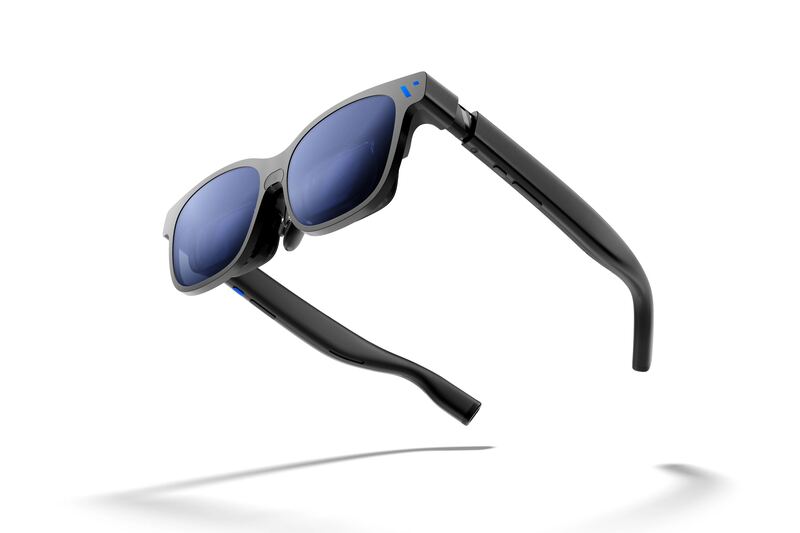
CNET found that the Viture Beast’s micro-OLED displays hit 1,250 nits of brightness, delivering vivid colors and deep blacks in a lightweight package. PCMag detailed how three distinct head-tracking modes anchor the virtual screen to your space, while Harman-tuned integrated speakers provide clear audio without headphones. However, Gamingnexus reported that text clarity becomes muddy at the edges and corners, limiting productivity use for reading or writing tasks. The device also lacks built-in focus dials, requiring users with vision corrections to purchase separate prescription inserts rather than adjusting optics manually. These features make it ideal for immersive entertainment on laptops and consoles, but those needing sharp peripheral text or adjustable diopters should look elsewhere.

Strengths
  • — Micro-OLED displays deliver up to 1250 nits of brightness and vivid colors with deep blacks.
  • — Built-in 3DOF head tracking allows the virtual screen to stay anchored in space as you move your and head.
  • — Harman-tuned integrated speakers provide clear audio without requiring headphones.
Watch-outs
  • — Lacks built-in focus dials, making manual vision correction impossible without prescription inserts.
  • — Text clarity on the edges of the display can be blurry, limiting productivity use for reading.

How they stack up

RayNeo X3 Pro

The RayNeo X3 Pro reaches up to 6000 nits of peak brightness, far exceeding the 1250-nit output of the Viture Beast or the 1600-nit capability of the Viture Pro 2. However, it suffers from overly sensitive touch controls and a limited native app ecosystem, unlike the more polished software experience implied by competitors like the Xreal One Pro.

Viture Beast

The Viture Beast delivers vivid colors and deep blacks via Micro-OLED displays, whereas the RayNeo Air 4 Pro focuses on HDR10 support for brighter highlights. Unlike the Viture Pro 2, the Beast lacks built-in focus dials, requiring users to purchase separate prescription inserts if they need vision correction.

Specs side-by-side

SpecRayNeo X3 ProViture Beast
Display Typedual-eye micro LED waveguide displayMicro-OLED
Resolution640 x 480 per lens1920x1200 per eye
Field of View30 degrees58 degrees
Brightness6000 nits1250 nits
Weight2.68 oz3.1 oz
ConnectivityUSB 2, Wi-Fi 6, BluetoothUSB-C
← See the full ranking of best smart glasses