Verdict
Head-to-head · Best Smart Glasses

RayNeo Air 4 Pro vs Viture Pro 2

Which is the better buy? Side-by-side on rating, price, strengths, and watch-outs — with the published ratings we averaged to get there.

Verdict is reader-supported. As an Amazon Associate we earn from qualifying purchases. Some links on this page are affiliate links — if you click through and buy, we may earn a small commission at no extra cost to you. Our ratings are sourced from independent publications, not sponsors.
The short answer

Viture Pro 2 comes out ahead by a clear margin (4.4 vs 4.1). Viture Pro 2 is best for: users who prioritize visual clarity and portability in well-lit environments without needing prescription inserts. Read the strengths below before deciding.

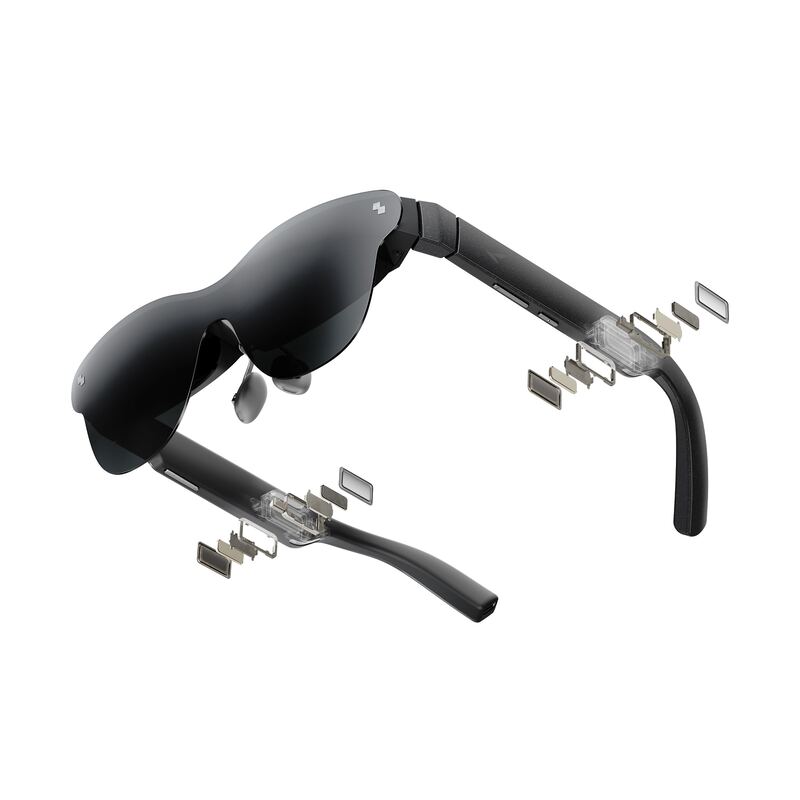
RayNeo Air 4 Pro
Ranked #5 in Best Smart Glasses
RayNeo Air 4 Pro
3 sources

IGN found that the RayNeo Air 4 Pro delivers a compelling personal cinema experience with dual micro OLED displays and Bang & Olufsen-tuned open-ear speakers, while Tom's Guide highlighted its industry-first HDR10 support via a Pixelworks Vision 4000 chip for brighter highlights and deeper shadows. However, the constant USB-C connection throws off the balance of the glasses and leaves a cable dangling behind the ear, which can be intrusive during long sessions. The device also feels bulky and warm after an hour or more of continuous use due to heat buildup in the forehead bar. This setup is ideal for travelers seeking a private viewing screen on flights or trains, but those prioritizing all-day comfort or wireless mobility should look elsewhere.

Strengths
  • — Supports HDR10 content via a Pixelworks Vision 4000 chip, delivering brighter highlights and deeper shadows compared to standard displays.
  • — Features Bang & Olufsen-tuned open-ear speakers with multiple sound profile modes including a whisper mode for private listening.
  • — Priced at $299, offering significant value compared to competitors that often cost double this amount.
Watch-outs
  • — Requires a constant USB-C connection to the host device, which can throw off balance and leave a cable dangling behind the ear.
  • — The glasses can feel bulky and warm during extended use.
Viture Pro 2
Higher ratedRanked #3 in Best Smart Glasses
Viture Pro 2
2 sources$299as of Oct 17

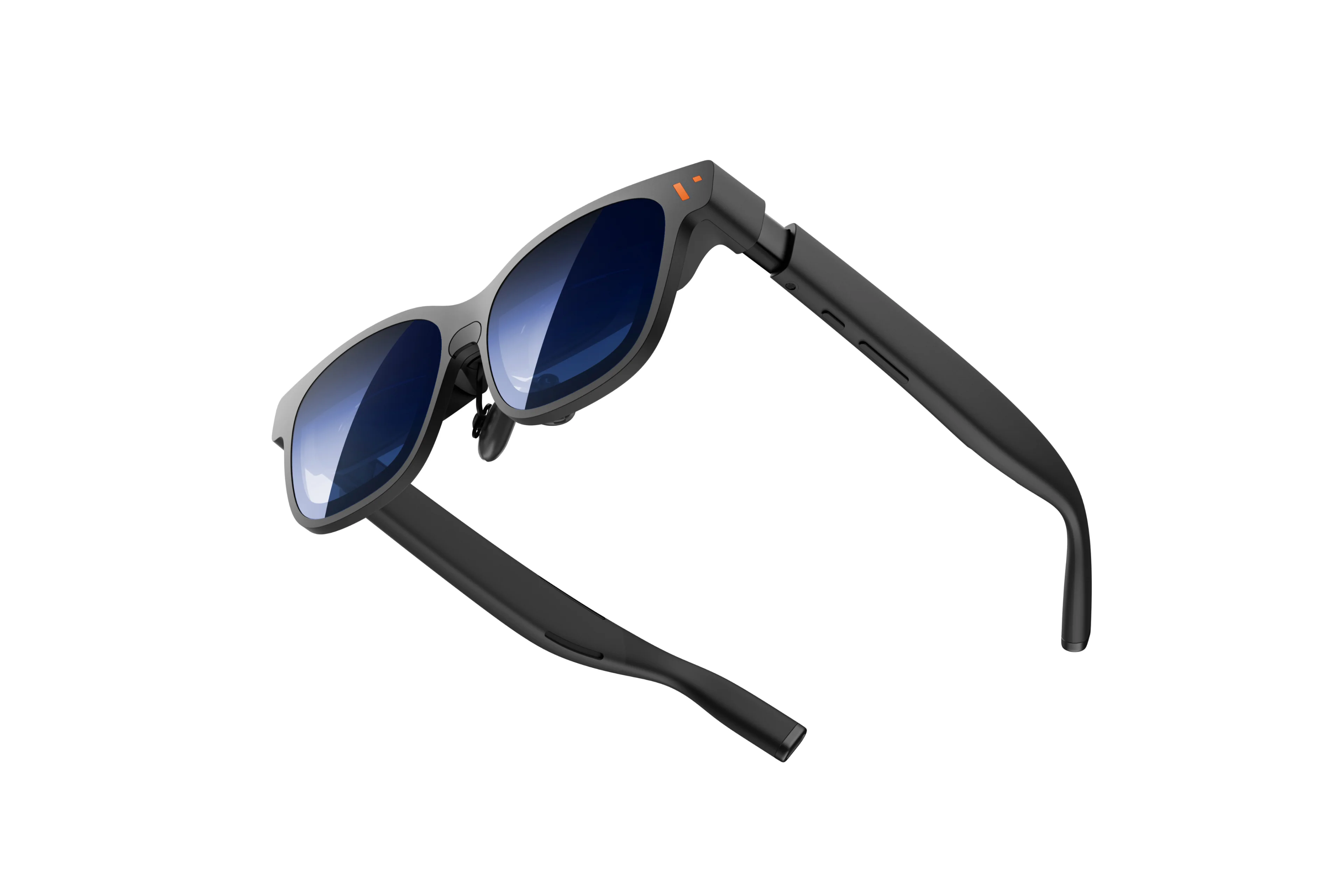
PCMag found that built-in diopter dials covering prescriptions up to -5.0D eliminate the need for separate lens inserts, while Digital Trends noted the lightweight design enhances comfort during extended sessions. The Sony Micro-OLED displays deliver 1600 nits of brightness and support 120Hz refresh rates, though the device lacks HDR10 support which limits contrast performance in high dynamic range content. Users must purchase additional dongles or docks to connect with iPhones and certain consoles like the Nintendo Switch. This product fits users who prioritize visual clarity and portability for well-lit environments but may disappoint those seeking seamless plug-and-play connectivity or full HDR compatibility.

Strengths
  • — Includes built-in diopter focus dials covering prescriptions from 0 to -5.0D, eliminating the need for separate prescription lens inserts.
  • — Weighs only 63g and features adjustable temple arms with three swappable nose pads for a customizable fit.
  • — Delivers an ultra-bright display peaking at 1,600 nits using Sony Micro-OLED panels with 1920x1080 resolution per eye.
Watch-outs
  • — Lacks HDR10 support, which limits contrast performance in supported content.
  • — Requires an additional dongle or dock to connect with iPhones and certain consoles like the Nintendo Switch.
  • — The desktop companion application has reported software bugs that can disrupt setup.

How they stack up

RayNeo Air 4 Pro

The RayNeo Air 4 Pro supports HDR10 content via a dedicated chip, a feature absent in the Viture Beast which lacks this specific high dynamic range support. However, it requires a constant USB-C connection that throws off balance, unlike the wireless operation of the Xreal One Pro.

Viture Pro 2

The Viture Pro 2 includes built-in diopter focus dials covering prescriptions up to -5.0D, eliminating the need for separate inserts required by the Viture Beast or Xreal One Pro. It also offers a higher brightness peak of 1600 nits compared to the 1250 nits found on the Viture Beast.

Specs side-by-side

SpecRayNeo Air 4 ProViture Pro 2
Display TypeDual micro OLEDSony Micro-OLED
Resolution1080p per eye1920x1080 per eye
Field of View47 degrees50 degrees
Brightnessup to 1200 nits1600 nits
Weight2.6 oz2.22 oz
ConnectivityUSB-C—
← See the full ranking of best smart glasses