Verdict
Head-to-head · Best Running Shoes for Flat Feet

ASICS GT-2000 14 vs Hoka Gaviota 6

Which is the better buy? Side-by-side on rating, price, strengths, and watch-outs — with the published ratings we averaged to get there.

The short answer

Hoka Gaviota 6 comes out ahead by a clear margin (4.2 vs 4.7). The gap is mostly about runners with wide feet needing maximum stability — read the strengths below before deciding.

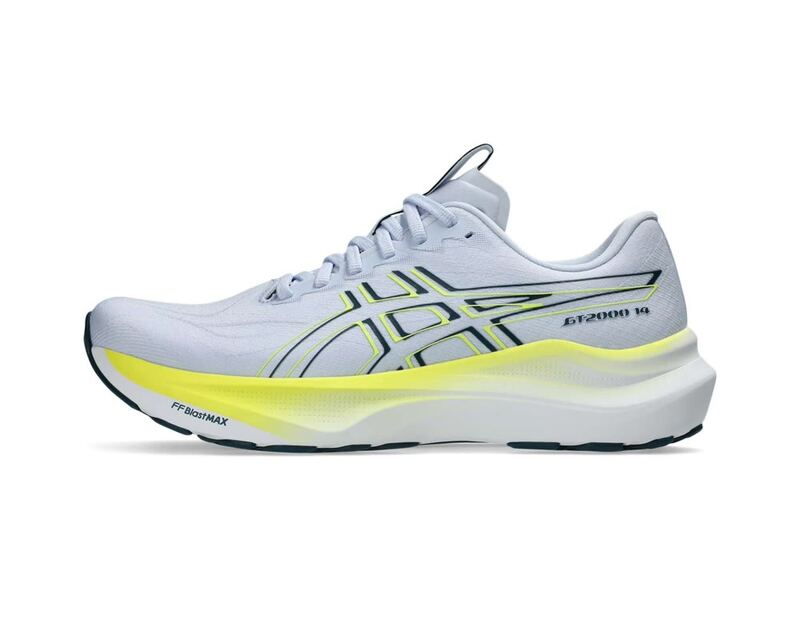
ASICS GT-2000 14
Ranked #4 in Best Running Shoes for Flat Feet
ASICS GT-2000 14
$140

The ASICS GT-2000 14 remains a reliable stability shoe, with RTINGS.com calling it 'one of the most dependable stability shoes you can buy.' The switch to FF Blast Max foam improves shock absorption and energy return compared to previous versions, while the outsole offers exceptional durability. However, the narrow and tapered toebox limits ventilation and may feel restrictive for some runners, as noted by both RunRepeat and Doctors of Running. This shoe is best suited for runners with moderate to high stability needs who want a balanced, supportive daily trainer rather than those seeking maximum cushioning or a more energetic ride.

Strengths
  • Improved FF Blast Max foam provides stronger shock absorption with 132 SA in the heel and 110 SA in the forefoot
  • Outstanding outsole durability with dependable traction for everyday use
  • Full-length medial stability system offers consistent support from heel to forefoot
Watch-outs
  • Tapered toebox may feel restrictive and limits toe splay, especially for those needing extra room
  • Limited breathability due to dense upper material, which can feel warm during long runs
Hoka Gaviota 6
Higher ratedRanked #2 in Best Running Shoes for Flat Feet
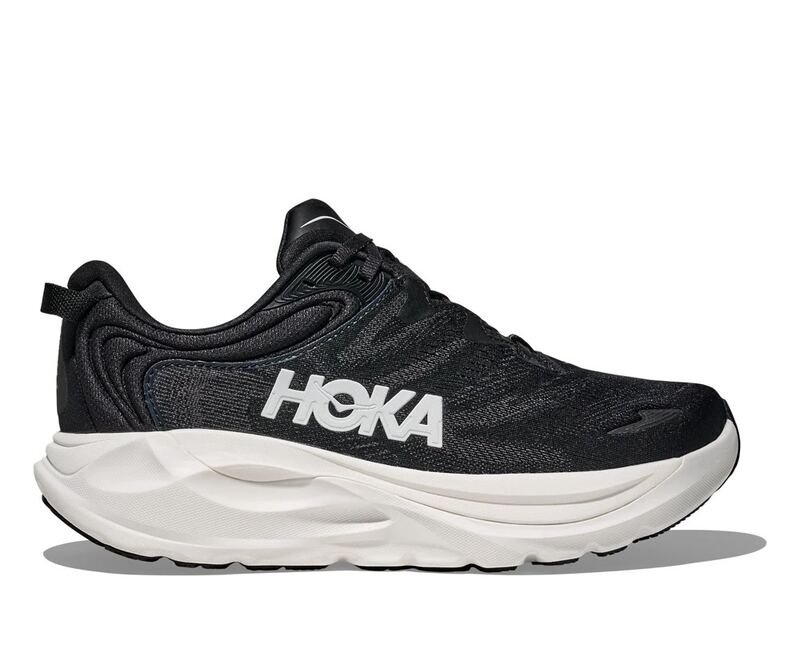
Hoka Gaviota 6
$180

The Hoka Gaviota 6 represents a long-awaited update to a popular stability shoe, offering improved fit and stability features. Reviewers noted its roomy, wide-fit design and excellent medial support, with the engineered mesh upper providing comfort and security. However, lab tests revealed that the CMEVA foam feels outdated, delivering poor shock absorption and low energy return. While it's lighter than most maximal stability shoes, the performance doesn't justify the $180 price point for many runners. The shoe is best suited for those needing maximum stability and wide-foot accommodation, but those seeking a more lively ride should consider alternatives like the Saucony Hurricane 24 or Nike Structure Plus.

Strengths
  • Roomy fit compared with most HOKA models, especially accommodating for wide feet
  • Excellent stability with full-length H-frame support that provides strong medial stability
  • Light weight for a maximal stack height stability shoe at 10 oz
Watch-outs
  • Outdated CMEVA foam delivers disappointing shock absorption and energy return
  • High price for the performance offered, especially when compared to newer alternatives
  • Heel bevel angled medially, which may cause slight firmness in ride

How they stack up

ASICS GT-2000 14

The ASICS GT-2000 14 offers better shock absorption than the Hoka Arahi 8 and provides more consistent support from heel to forefoot than the Saucony Guide 18. However, it's less breathable than the New Balance Fresh Foam X 860 v14 and has a more restrictive toebox than the Hoka Gaviota 6.

Hoka Gaviota 6

The Hoka Gaviota 6 provides a roomier fit and better stability than the Saucony Tempus 2, but its outdated CMEVA foam delivers poor shock absorption compared to the ASICS GT-2000 14. It's also more expensive than the Saucony Guide 18 despite offering less energy return.

Specs side-by-side

SpecASICS GT-2000 14Hoka Gaviota 6
Weight9.6 oz / 273 g (men's size 9)10 oz / 283g
Stack Height36.5 mm heel / 28.5 mm forefoot39mm heel / 33mm forefoot
Drop8 mm6mm
MidsoleFF Blast Max foamCMEVA and PROFLY+
StabilityGuideTracJ-Frame
Arch SupportMediumModerate
← See the full ranking of best running shoes for flat feet