The Tundra Haul is YETI's flagship wheeled cooler and the right choice for buyers who need multi-day ice retention but cannot lift 80-plus pounds. Field & Stream called it 'by far my favorite Yeti cooler for almost any occasion,' citing the smooth-rolling wheels and impressive ice retention. The NeverFlat polyurethane wheels handle rocks, sand, and curbs without going flat, and the welded-aluminum StrongArm handle folds away when not in use. Climbing magazine's reviewer reported ice still three-quarters solid at the end of a four-day trip. The trade-off is weight and price: the Haul is 7 pounds heavier than the standard Tundra 65 empty and lists $55 more.

Full review
Mobility and Wheels
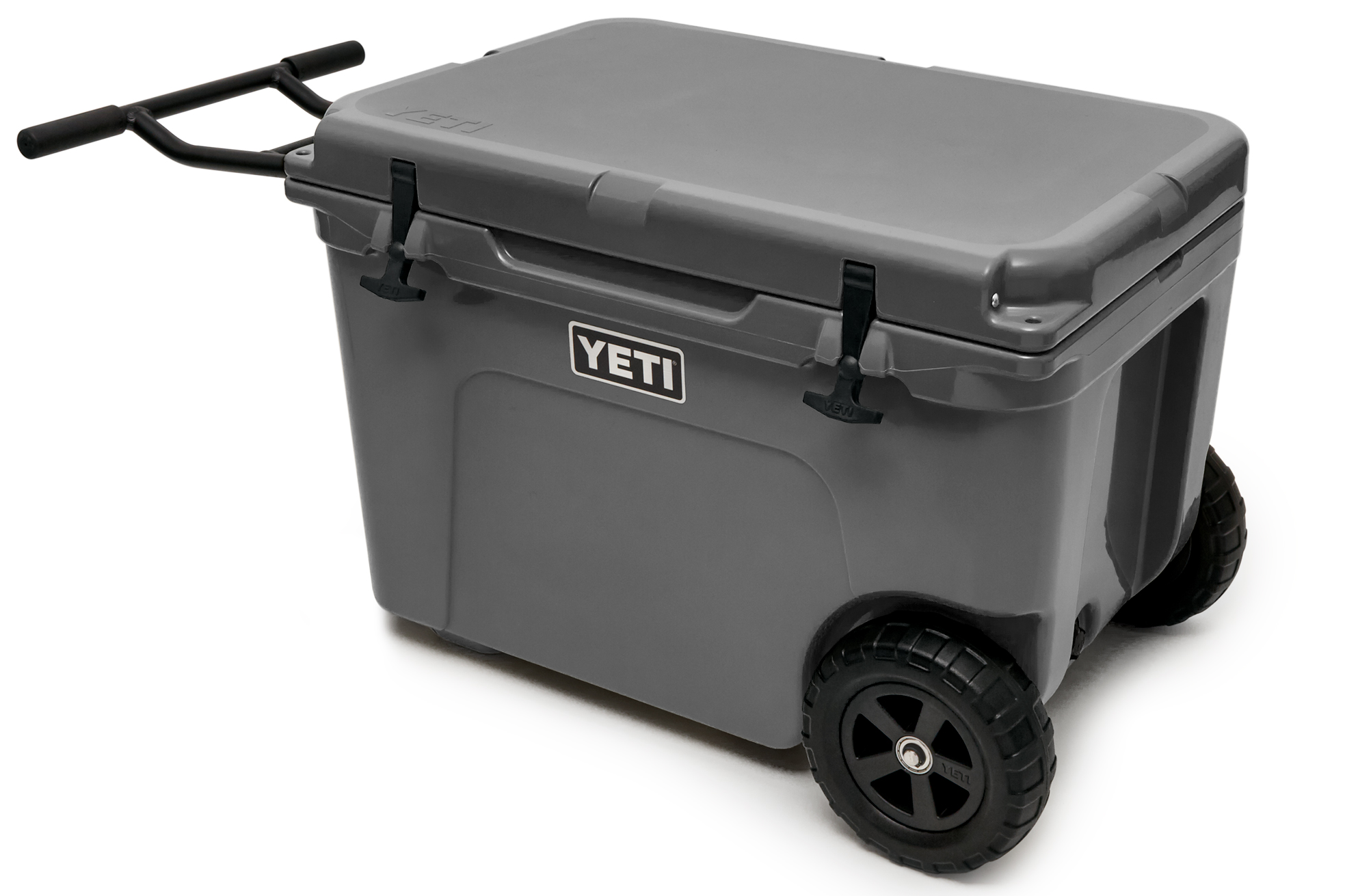
The Tundra Haul is the only YETI cooler with wheels, and the engineering shows. The NeverFlat wheels are single-piece polyurethane — there is no inner tube to puncture, no air pressure to maintain, and the puncture-resistant design handles rocks, sand, parking-lot curbs, and gravel boat ramps without complaint. GearJunkie called them 'made of single-piece hard polyurethane' that 'will never go flat,' and reviewers in Field & Stream and Climbing magazine confirmed they roll smoothly over the kinds of terrain that defeat traditional inflatable wheels.
The StrongArm handle is a welded-aluminum design that folds flat against the cooler when not in use and extends to a 90-degree angle for pulling. GearJunkie noted the handle is 'wide and 100 percent aluminum' specifically to prevent heel-striking when you pull the cooler behind you. The handle locks in both positions and has held up across multiple reviewers' long-term use without bending or breaking.
Ice Retention in Real-World Testing
Bestcooler.reviews ran a multi-day test under optimal conditions — block ice, pre-chilled drinks, mostly shaded storage at 90-degree-plus ambient — and reported the Haul retained approximately 70 percent of block ice on day seven with no resupply. Climbing magazine's reviewer tested it on a four-day trip and reported ice was still 'three-quarters solid' at trip's end. Outside magazine's lab test recorded the Haul retaining 18 percent of its ice after 96 hours with internal temperatures staying about 5 degrees cooler than competitors throughout the test.
The two-inch PermaFrost insulation in the Haul is actually thinner than the three-inch insulation in the standard Tundra 65 — YETI traded some thermal efficiency to fit the wheel mechanism — but the difference in real-world ice retention is small. For weekend trips and multi-day camping in moderate weather, the Haul delivers four to seven days of practical ice retention, putting it in the same tier as the standard Tundra 65 despite the wheel compromise.
Build Quality and Materials
The cooler body is the same single-piece roto-molded polyethylene as the standard Tundra line, with the T-Rex rubber lid latches and the ColdLock gasket carried over unchanged. The wheel-and-handle assembly is the new engineering, and YETI designed it to match the durability of the rest of the cooler. Bestcooler.reviews described the Haul as having 'heavy-duty rotomolded construction' with 'NeverFail hinge system with dual pins' and called out the 'comfortable StrongArm handle with curved design' as a real ergonomic advantage.
The repositioned drain plug is a small but real improvement over the standard Tundra. GearJunkie noted YETI moved the drain plug 'so you can lift the bar and drain excess melt' without rotating the entire cooler. For a 100-pound loaded cooler, not having to lift one side to drain is a meaningful quality-of-life upgrade. The cooler is IGBC bear-resistant certified when used with padlocks through the molded-in lock points, same as the Tundra 65.
Capacity and Real-World Storage
The Tundra Haul holds 82 12-ounce cans or 64 pounds of ice in its 55-quart nominal interior. Treeline Review measured 38 pounds empty weight and 19.1 by 11.4 by 14.1 inches of internal dimensions. Loaded with ice and contents for a long weekend, the cooler easily climbs past 100 pounds, which is precisely why the wheels matter — moving 100 pounds via wheels is genuinely easier than carrying 80 pounds at arm's length with rope handles.
Capacity-per-external-footprint is slightly lower than the Tundra 65 because the wheel mechanism takes up corner volume. If maximum capacity matters more than mobility, the Tundra 65 holds more cans for the same money. If you load the cooler at home and unload it at the destination — which is the typical use case for tailgating, campsite hosting, and beach days — the Haul's mobility advantage dominates the capacity trade-off.
Where It Falls Short
The Haul is heavy. At 37.5 pounds empty, it is roughly 7 pounds heavier than the standard Tundra 65, and the wheel mechanism adds bulk that you cannot remove. Loaded for a long weekend, the cooler exceeds 100 pounds — manageable with the wheels on flat ground, but a real workout on soft sand, deep gravel, or stairs. Bestcooler.reviews flagged the 37-pound empty weight as the biggest drawback, and Field & Stream simply listed 'heavy' as the only con.
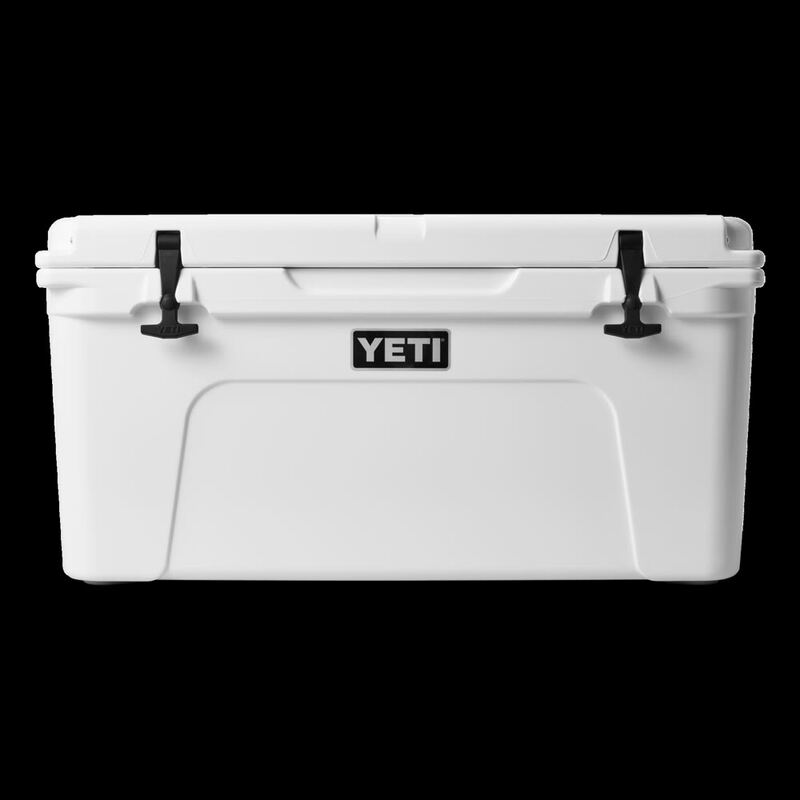
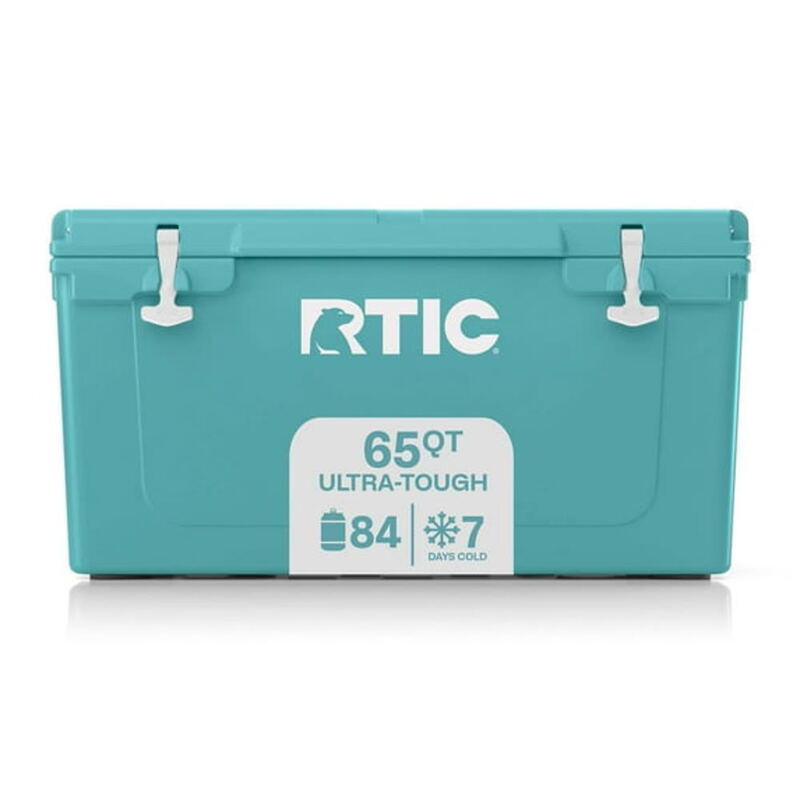
Price is the other obvious caveat. At $450 list, the Haul is $55 more than the standard Tundra 65 and roughly $150 more than the RTIC 65. The premium buys you mobility and not much else — the ice retention is slightly behind the standard Tundra (thinner insulation), the capacity is slightly less (wheel mechanism), and the warranty is the same five years. For buyers who do not actually need the wheels, the standard Tundra 65 is the more capacity-efficient choice.
Who It's Best For
The Tundra Haul is the right cooler for tailgaters, campsite hosts, beach trips, and any application where you load the cooler at home and need to move 100 loaded pounds from car to destination. It is also the right choice for overlanders and dispersed campers who need IGBC bear certification at a campsite that may be a hundred yards from where the truck parks. The wheels turn what would otherwise be a two-person carry into a one-person pull.
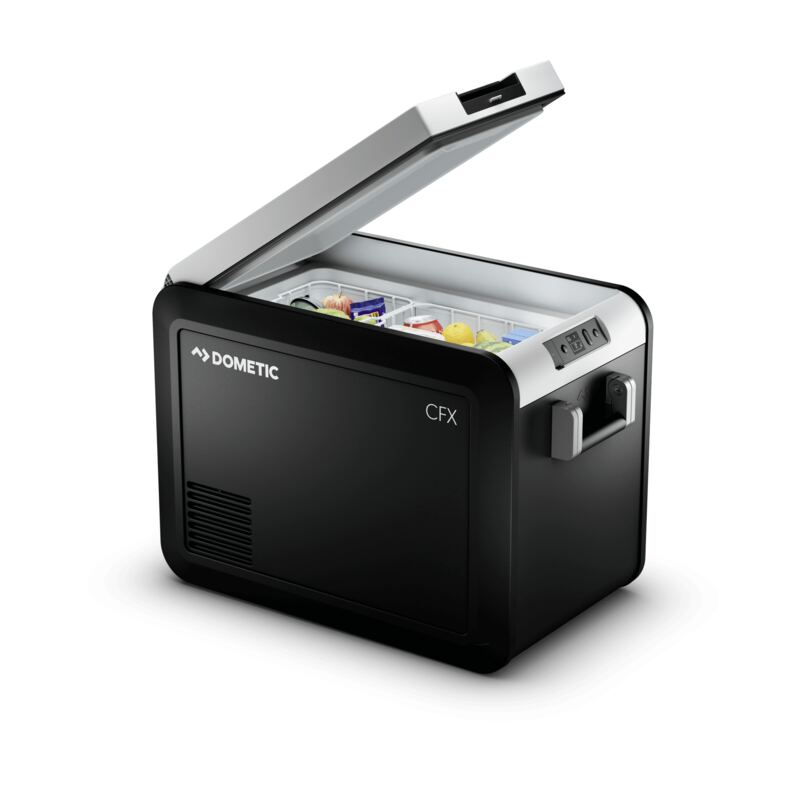
It is the wrong cooler for buyers who keep the cooler in one place (a boat, a hunting camp, a permanent dock setup) where the wheels are dead weight. It is also the wrong cooler if you camp from a vehicle with 12-volt power available — the Dometic CFX3 45 weighs about the same loaded but never needs ice and runs indefinitely on solar or vehicle power. For buyers who want premium hard-cooler performance with mobility and no power dependency, the Haul is the answer.
Value at This Price
At $450 list, the Tundra Haul is the most expensive non-powered cooler in this roundup, and the price premium over the standard Tundra 65 buys you exactly one thing: mobility. That is a real feature with a measurable value for the right buyer — moving a 100-pound cooler from a parking lot to a beach is genuinely difficult by hand and easy on wheels — but it is not a feature that helps if the cooler lives on a boat or in a permanent camp setup. Field & Stream's reviewer called it 'by far my favorite Yeti cooler for almost any occasion,' but that endorsement assumes the wheels matter for your use case.
Compared to other wheeled options, the Tundra Haul commands a premium for its YETI-tier construction. Cheaper wheeled coolers like the RovR RollR 60 (around $390 with optional dry bin) and the Coleman 316 wheeled series (under $150) deliver mobility at lower price points but with thinner insulation and shorter measured ice retention. The Tundra Haul is the right answer if you want top-tier ice retention plus mobility in one package; if either feature alone is acceptable, cheaper alternatives exist.
Resale value also helps the math. Like the standard Tundra 65, the Haul holds its value on the secondary market — used Hauls in good condition routinely sell for 60-70 percent of retail, which means the effective five-year cost of ownership is meaningfully lower than the $450 sticker suggests. The IGBC bear certification, the five-year YETI warranty, and the well-documented service network all contribute to that pricing floor. For tailgaters, RV travelers, and overlanders who plan to keep the cooler for the long haul, the Haul's higher upfront cost is partially recovered when it comes time to upgrade or downsize.
Strengths
- +Single-piece NeverFlat polyurethane wheels handle rocks, sand, and curbs
- +82-can capacity plus a foldable StrongArm welded-aluminum handle
- +Two-inch PermaFrost wall insulation with T-Rex lid latches
- +Field & Stream named it Best Overall Yeti cooler for nearly any occasion
- +Repositioned drain plug lets you drain meltwater without lifting
Watch-outs
- −37.5 pounds empty — heavier than the non-wheeled Tundra 65
- −Loaded weight pushes past 100 lbs once filled with ice and contents
- −Premium $450 price tag with no included dry-goods basket
- −Wheels add bulk and reduce thermal efficiency slightly vs the Tundra 65
How it compares
The Tundra Haul is the wheeled counterpart to the YETI Tundra 65 — same roto-molded construction and PermaFrost insulation, plus NeverFlat wheels and the StrongArm handle. It runs roughly $55 more than the Tundra 65 and is 7 pounds heavier empty. Compared to the Dometic CFX3 45, the Haul still requires ice but does not need any power source, making it the right choice for boat ramps, dispersed camping, and overlanding where 12-volt power is not always available.
Who this is for
At a glance: Tailgaters, campsite hosts, and overlanders who need multi-day ice retention plus easy mobility over rough terrain.
Why you’d buy the YETI Tundra Haul Wheeled Cooler
- Single-piece NeverFlat polyurethane wheels handle rocks, sand, and curbs.
- 82-can capacity plus a foldable StrongArm welded-aluminum handle.
- Two-inch PermaFrost wall insulation with T-Rex lid latches.
Why you’d skip it
- 37.5 pounds empty — heavier than the non-wheeled Tundra 65.
- Loaded weight pushes past 100 lbs once filled with ice and contents.
- Premium $450 price tag with no included dry-goods basket.
Rating sources
“Of all the Yeti coolers I've used—and I've been fortunate enough to use (and own) a lot—the Tundra Haul is by far my favorite for really almost any occasion.”
“Maintains the YETI tradition of high-quality and high-class; under optimal conditions retained approximately 70 percent of block ice on day 7.”
“The same insulation and rotomolded construction as the old Tundra with wheels that will never go flat.”
Our 4.6 score is the average of these published ratings. Ratings marked * were derived from the reviewer’s written analysis or video transcript — the publisher didn’t print an explicit numeric score, so we inferred one from their own words. Click through to verify. More about methodology.