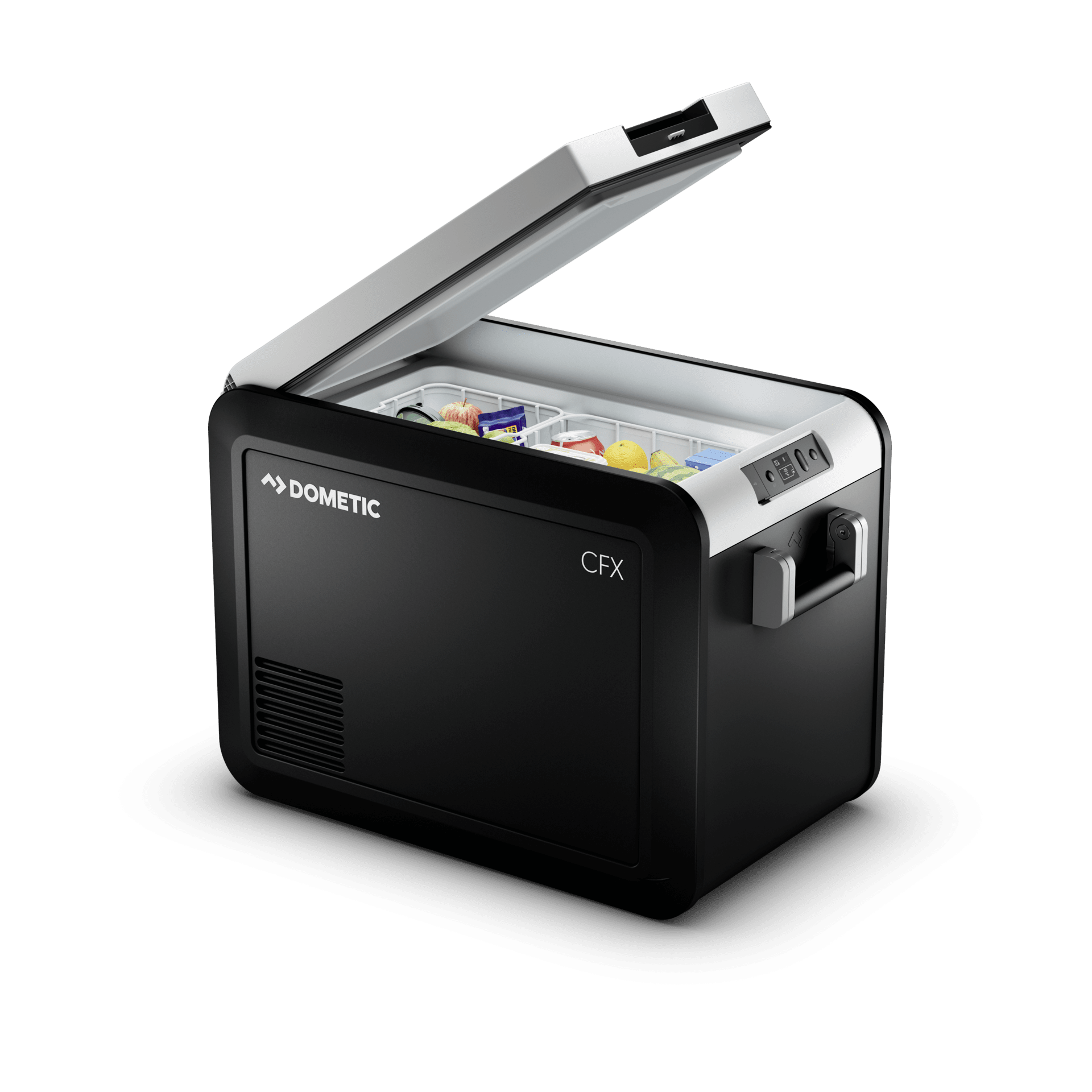
Overlanders, RV travelers and vehicle-based campers with reliable 12-volt power have a benchmark in the Dometic CFX3 45. The VMSO3 variable-speed compressor uses less power than a 60-watt bulb, and the cooler freezes down to -7 degrees F. Roughly $950 is the obvious trade-off, but for buyers who stop making ice resupply runs and gain three to four times the cold-storage capacity per cubic foot, the math works.
Full review
Powered Operation in Real-World Use
The CFX3 45 is not a cooler — it is a compressor fridge in a portable form factor, and that distinction is the whole point. Trail and Kale's reviewer measured the cooler pulling food from 16 degrees C down to -2 degrees C in about 20-30 minutes, with power draw 'around 40 watts when cycling, less when idle.' Dometic claims less than a 60-watt-bulb-equivalent draw on average, which translates to roughly 1 amp at 12V — well within the budget of a 100-watt solar panel or any vehicle alternator with the engine running.
Practical run times tell the same story. Overland Expo reported the CFX3 line 'easily survived off-road travel, rough handling, and kept sensitive foods fresh in extremely challenging conditions.' Outdoor Hub called it 'ice cold without the ice' and noted that the cooler maintained set temperature throughout multi-day testing without requiring any user intervention beyond plugging it in.
Power Options and Battery Protection
The CFX3 45 accepts AC 110-240V household current, DC 12V or 24V vehicle power, and direct solar input. Dometic includes both AC and DC cords in the box at 6-plus feet each. The built-in three-stage dynamic battery protection system monitors the source voltage and shuts the compressor down before it drains your vehicle battery — a real feature for overlanders who run the cooler off the truck while parked. Trail and Kale flagged this as one of the most useful safety features in the unit.
For solar setups, the CFX3 pairs naturally with portable panels in the 100-200 watt range. A typical 12V camping battery and a 100W panel will run the cooler indefinitely in moderate weather, which is the use case Dometic actually built it for. The WiFi and Bluetooth app lets you monitor power draw and temperature from your phone, with alerts if the temperature deviates from set levels — a feature that has caught failed battery setups before food spoiled in multiple reviewer accounts.
Variable speed compressor called industry leading
Dometic's ExoFrame construction wraps the compressor unit in a heavy-duty plastic outer shell with spring-loaded aluminum alloy handles. The cooler weighs 41 pounds empty — heavier than the YETI Tundra 65 — but the weight is mostly compressor and insulation rather than additional structural mass. Trail and Kale called the build 'rugged' with 'strong handles' and noted the unit's 6-plus-foot power cords as a real ergonomic advantage over shorter-corded competitors.
The interior is divided into removable wire baskets and includes interior LED lighting plus a USB-A charging port for phones or devices. The drain plug is positioned at the bottom rear for easy condensation removal. Overland Expo specifically called out the variable-speed VMSO3 compressor as 'industry-leading' and noted the 'awesome user interface' as a meaningful improvement over earlier Dometic generations.
Capacity and Real-World Storage
The CFX3 45 holds 46 liters — roughly 45 quarts — or approximately 67 12-ounce cans plus headspace for a frozen compartment. The interior is divided into a refrigerator zone (typically set to 36-38 degrees F) and a smaller flexible zone that can be configured for ice cream and frozen food down to -7 degrees F. For a two-person overlanding trip, the capacity comfortably handles a week of food without needing to restock.
The big capacity advantage over a traditional cooler is that you do not waste interior volume on ice. A 45-quart ice cooler typically delivers 25-30 quarts of actual food and beverage capacity once you account for ice; the CFX3 delivers the full 45 quarts. In effective storage terms, the CFX3 carries roughly 1.5 to 2x the food of a comparable-sized traditional cooler.
Not waterproof, and priced at $950
The CFX3 45 is not waterproof. Trail and Kale specifically called this out as 'not suitable for rainy conditions' and Dometic's documentation warns against exposing the compressor to direct rain. For van-life and RV setups, this is rarely an issue — the cooler lives inside the vehicle. For overlanders who run the cooler in a roof rack or external storage box, you need a weatherproof cover, which adds cost and complexity.
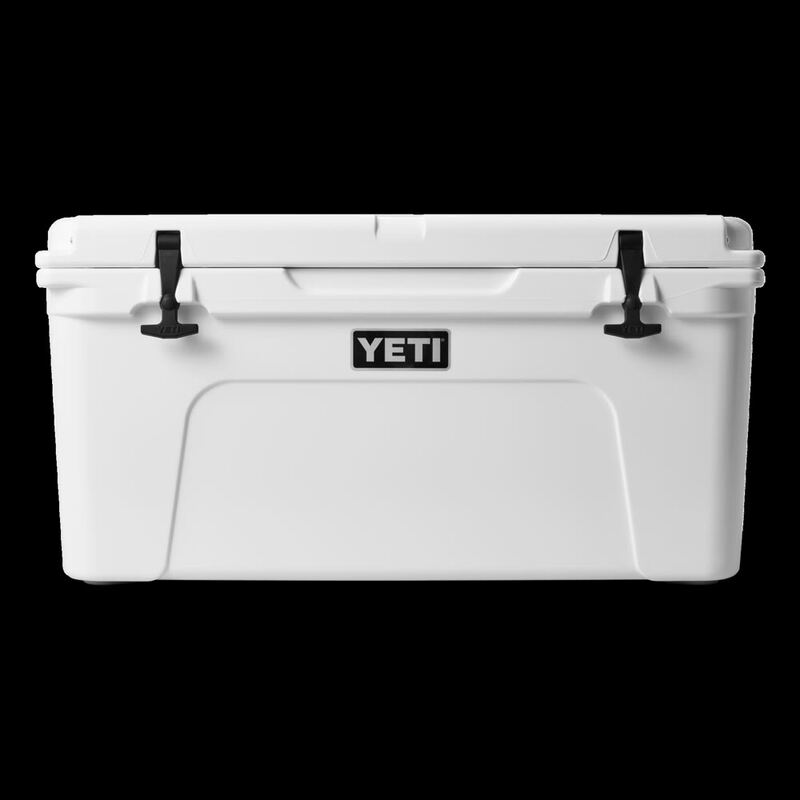
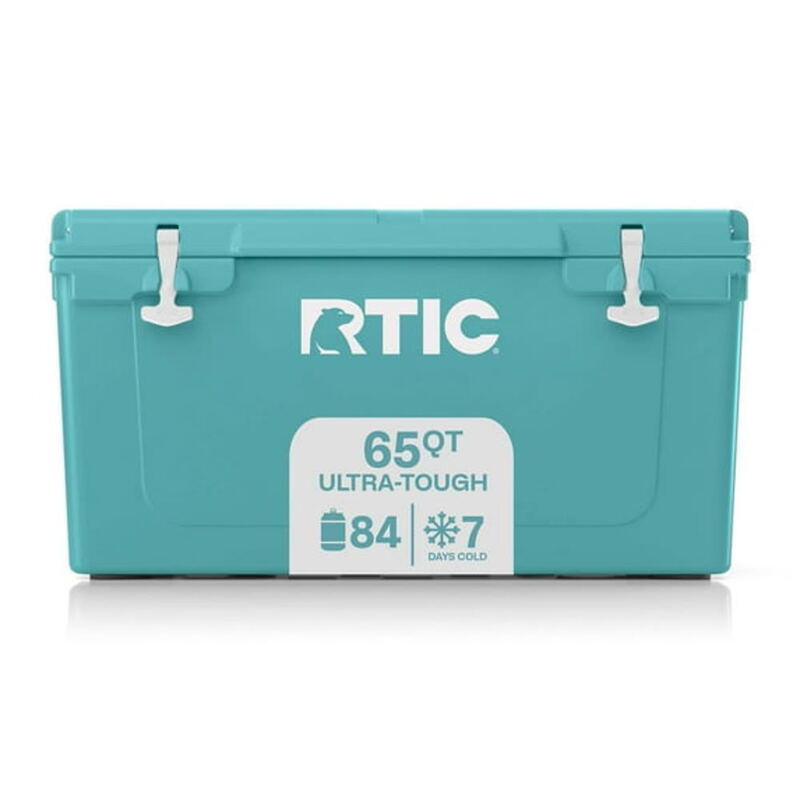
Price is the other obvious caveat. At $950 list, the CFX3 45 costs roughly 2.5x the YETI Tundra 65 and almost 4x the RTIC 65. The math works over a multi-year ownership horizon — you eliminate the $5-10 per trip of ice purchases and gain meaningful capacity per cubic foot — but the upfront sticker is a real barrier. Noise is not one of the trade-offs - Trail and Kale reports that "the Dometic CFX3 45 cooler operates very quietly, so you'll barely notice it's there" - but Outdoor Hub's con list flags that "the app is not very well put together and in some cases won't connect at all."
Pays back its cost in two to three years
The CFX3 45 is the right cooler for overlanders, RV travelers, van-lifers, and vehicle-based campers with reliable 12-volt or solar power. It is also the right cooler for buyers who take multiple long trips per year and have run the math on ice costs — Trail and Kale's reviewer flagged the 'no soggy food' and 'no constant ice replenishment' benefits as the main quality-of-life upgrade, which is hard to value until you experience it. For weekly use in a permanent setup like a fishing camp or a backyard kegerator, the CFX3 pays back its upfront cost in roughly 2-3 years.
It is the wrong cooler for boat-based fishing where dunking is a real risk, for backcountry camping without a vehicle or power source, and for buyers who only take a handful of weekend trips per year — in those cases, the YETI Tundra 65 or the RTIC 65 deliver enough cold for the use case at a small fraction of the upfront cost. The CFX3 only makes sense if you have power, you take long trips, and you want to eliminate the ice problem entirely.
Long-Term Value and Newer Alternatives
Dometic released the newer CFX5 series, which as the category leader at $1,050 with slightly better temperature control and a refined interface. The CFX3 45 remains in production and remains the better value at $950 — the CFX5 improvements are real but incremental, and the CFX3's track record across years of overlanding and RV reviews is the longer body of evidence. For most buyers, the CFX3 45 is the right place to enter the powered-cooler category unless you specifically want the latest interface.
Long-term ownership economics favor the CFX3. Five-year warranty coverage, a US service network, and a rebuilt-or-replaced compressor program mean the cooler keeps working for the full ownership horizon. Reviewers in Overland Expo and Outdoor Hub both reported their test units running flawlessly across multiple seasons. The combination of zero ice purchases, doubled effective storage capacity, and a multi-year warranty makes the upfront premium pencil out for any buyer who uses the cooler more than 30 days per year.
There is also the matter of resale value, which is unusually strong for the CFX3 line. Used units in working condition routinely sell for 65-75 percent of original retail on overlander forums and Marketplace listings — a higher retention rate than any traditional ice cooler in this roundup, including the YETI Tundra. Part of that is brand strength, but part is the simple reality that there are very few competitive alternatives at this performance level. The Iceco VL45ProS and the Engel MT45 are the closest competitors, and both run within $100-200 of the CFX3 at retail. For an active-cooling category that is still maturing, the CFX3 sits at the price-performance sweet spot.
Strengths
- +Refrigerates or freezes to -7 degrees F using less power than a 60-watt bulb
- +VMSO3 variable-speed compressor with WiFi and Bluetooth app control
- +Three power options: AC 110-240V, DC 12/24V, or solar
- +Eliminates ice entirely — no soggy food, no drain trips, no resupply runs
- +Industry-leading 5-year limited warranty plus 3-stage battery protection
Watch-outs
- −Premium $950 price tag — roughly 2.5x the YETI Tundra 65
- −Not waterproof; cannot be exposed to rain or dunked
- −Heavy at 41 lbs empty and requires power source to function
- −Outdoor Hub found the companion app poorly built and sometimes unable to connect
How it compares
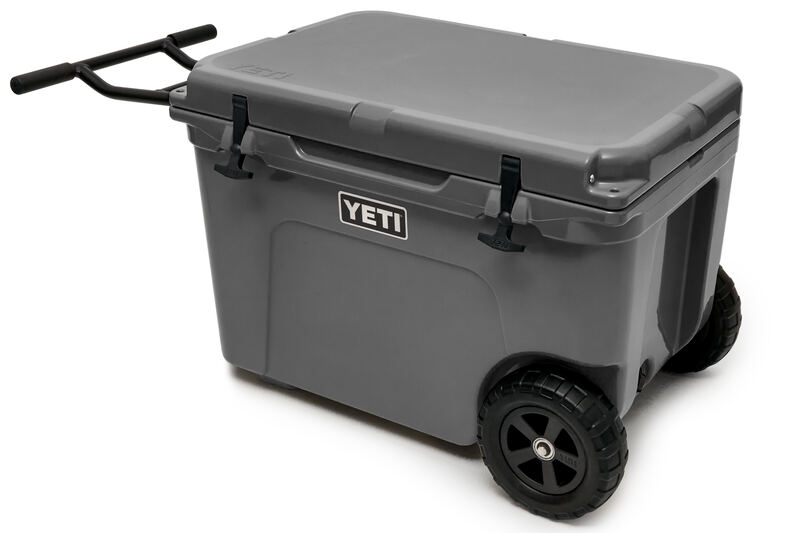
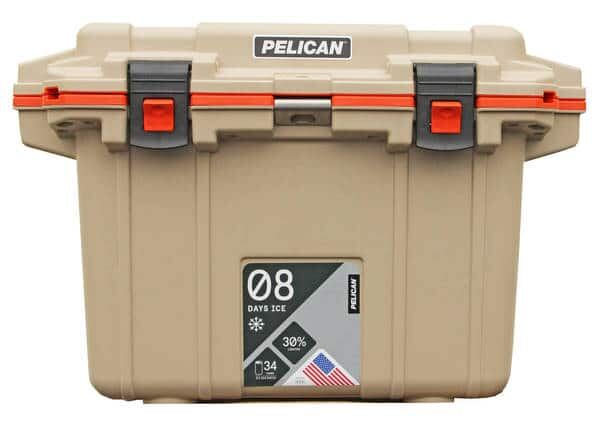
The CFX3 45 replaces the cooler category entirely for overlanders and RV travelers — no ice, no drain, no resupply. Compared to the YETI Tundra 65 and Tundra Haul, it costs roughly 2.5x as much upfront but pays back over years of trips by eliminating ice purchases (typically $5-10 per cooler refresh on multi-day trips). Compared to the Pelican 50QT Elite, the CFX3 trades the lifetime warranty for active refrigeration. It is the wrong tool for boat-based or backcountry camping without a power source.
Rating sources
Our 4.6 score is the average of these published ratings. Ratings marked * were derived from the reviewer’s written analysis or video transcript — the publisher didn’t print an explicit numeric score, so we inferred one from their own words. Click through to verify. More about methodology.