Wi-Fi and Bluetooth support give the Yale Assure Lock 2 enough connectivity options to fit almost any modern home. Users report inconsistent Wi-Fi performance, though, and shorter battery life when it runs wirelessly, which can mean more frequent maintenance.
Full review
Design and Hardware Build
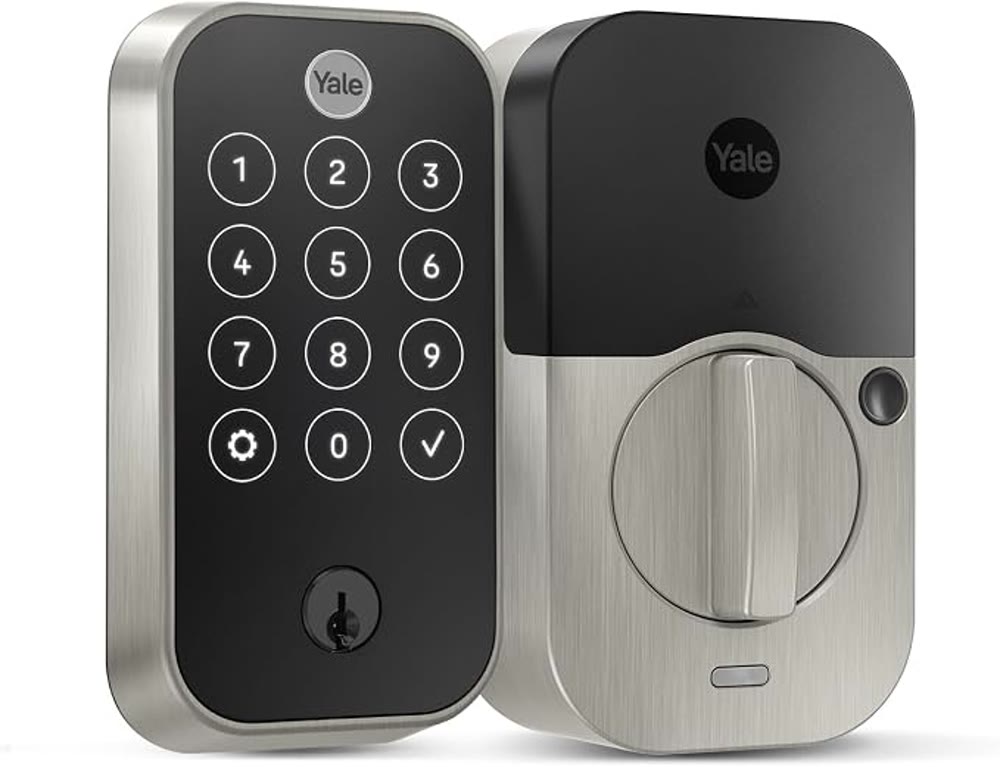
Reviewers consistently praise the ultra-slim exterior of the Yale Assure Lock 2, noting it is the smallest keypad smart lock tested by The Verge. The design features a neat rear housing that accommodates four AA batteries and a thumb turn, which Jennifer Pattison Tuohy described as one of the most compact internal layouts seen in the category. The keyed models are slightly longer to house the keyway, but the overall footprint remains minimal, allowing it to fit standard door bores without requiring extensive modifications. This sleek aesthetic is a significant upgrade over bulkier predecessors, making it a visually appealing choice for modern homes.
Smart Home Wizards highlighted that the lock installs in under 45 minutes using basic tools, emphasizing the straightforward nature of the hardware replacement process. The build quality feels solid, with the keypad and rear components fitting together tightly. However, the modular nature of the connectivity means the physical lock body remains identical across different versions, with the distinction lying in the swappable networking modules or internal biometric sensors rather than the external chassis. This modularity allows users to upgrade connectivity without replacing the entire lock mechanism, a feature that adds long-term value to the hardware design.
Connectivity and Platform Support
A major selling point identified by The Verge and PCMag is the lock's compatibility with virtually every major smart home platform, provided the correct networking module is installed. The base model connects via Bluetooth, while optional Wi-Fi and Z-Wave modules enable integration with Amazon Alexa, Google Home, Ring Alarm, and Samsung SmartThings. This flexibility eliminates the need for a single-purpose Wi-Fi bridge, a common pain point with older smart locks. Users can control the lock via the Yale Access app or, for Apple users, directly through the Apple Home app with Siri voice commands, offering a seamless experience across different ecosystems.
Despite this broad compatibility, reviewers noted a significant limitation: the lack of native Matter and Thread support. The Verge pointed out that while Yale promised a Matter over Thread module, it has been delayed pending better industry support for locks within the Matter standard. Furthermore, The Verge emphasized a critical fragmentation issue where users cannot have both Apple Home Key and a fingerprint reader in a single unit. The Assure Lock 2 Plus offers Home Key, while the Touch model offers the fingerprint scanner, forcing consumers to choose between biometric convenience and the speed of Apple's digital key, a compromise that disappointed some reviewers expecting a unified solution.
Real-World Performance and Reliability
In terms of daily operation, the lock demonstrates impressive speed and reliability. Smart Home Wizards reported response times of 2 to 3 seconds across more than 200 daily cycles during their testing period. The touchscreen keypad remains responsive even in extreme cold, with functionality confirmed down to -20 degrees Fahrenheit. The auto-unlock feature, which uses Bluetooth proximity to detect the user's phone, generally works well, though the detection range can vary depending on the specific smartphone model and environmental factors. Most users found the transition from key to keyless entry to be smooth and intuitive after the initial setup.
However, performance inconsistencies were noted regarding the auto-lock feature. Smart Home Wizards raised a critical security concern, observing that the auto-lock function can sometimes engage before the door is fully latched. This behavior poses a risk if the door is not properly closed, potentially leaving the home unsecured or causing the lock to jam. While the lock generally performs well, this specific quirk requires users to be vigilant about ensuring the door is completely shut before relying on the automatic locking mechanism. Additionally, some users reported occasional battery drain issues, which can be exacerbated by poor signal strength or frequent connectivity attempts.
Can't combine fingerprint reader and Home Key
The most significant drawback highlighted across multiple reviews is the inability to combine the fingerprint reader and Apple Home Key features in a single device. The Verge explicitly stated that you cannot have it all, forcing a choice between the two premium access methods. This limitation is particularly frustrating for households with mixed Apple and non-Apple users who might benefit from both technologies simultaneously. Additionally, the absence of a native Matter and Thread module means the lock relies on older connectivity standards or proprietary bridges, which may not be future-proof for smart homes transitioning to the new universal standard.
Beyond feature fragmentation, there are practical annoyances related to the auto-lock behavior and battery management. The potential for the lock to engage before the door is fully latched is a safety flaw that cannot be ignored, as noted by Smart Home Wizards. Furthermore, while the battery life is generally acceptable, the reliance on AA batteries means users must be prepared for replacements, and the lack of a low-battery warning in some scenarios can lead to unexpected lockouts. The need to purchase separate modules for Wi-Fi or Z-Wave connectivity also adds to the total cost of ownership, making the base price of $159.99 a starting point rather than a final figure for full functionality.
Strong temporary code system for rental turnover
The Yale Assure Lock 2 is an ideal choice for homeowners who prioritize a sleek design and need compatibility with multiple smart home ecosystems. It is particularly well-suited for rental property owners, as noted by Smart Home Wizards, due to its robust temporary access code management system. This feature allows for efficient property turnover and secure guest access without the need for physical key exchanges. The lock's ability to integrate with Ring Alarm and other Z-Wave systems also makes it a strong candidate for users who already have a comprehensive home security setup and want to expand their automation capabilities.
For Apple ecosystem users, the Assure Lock 2 Plus offers the convenience of Home Key, allowing for quick unlocking with an iPhone or Apple Watch. Conversely, those who prefer biometric authentication will find the Assure Lock 2 Touch to be a compelling option, provided they do not require Home Key. While the lock is not perfect, its reliability, compact form factor, and versatile connectivity options make it a top contender in the smart lock market. It is best recommended for users who are willing to navigate the module selection process and can accommodate the specific limitations regarding feature combinations.
Strengths
- +Supports both Wi-Fi and Bluetooth connectivity for flexible smart home integration
- +Compatible with major smart home ecosystems like Apple Home, Google Home, and Amazon Alexa
- +Includes a physical key override and backup power options via 4 AA batteries for reliability
Watch-outs
- −Wi-Fi connectivity can be inconsistent
- −Battery life is shorter than expected when using Wi-Fi features, requiring frequent replacements
How it compares
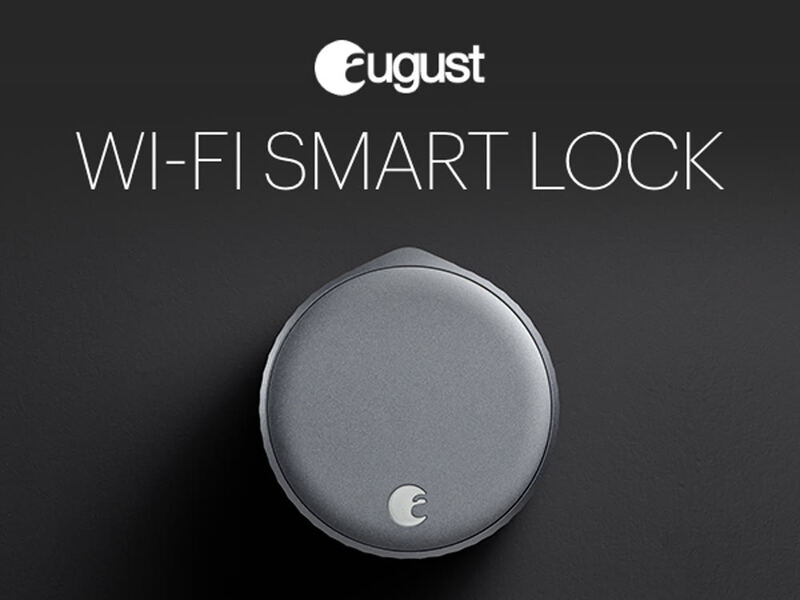
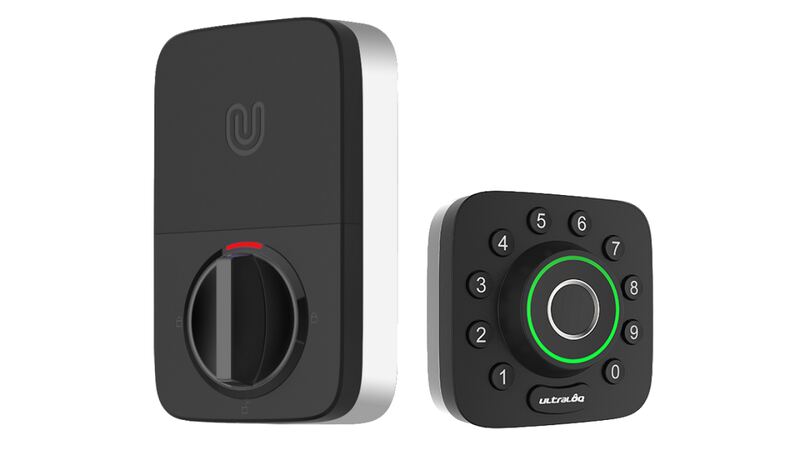
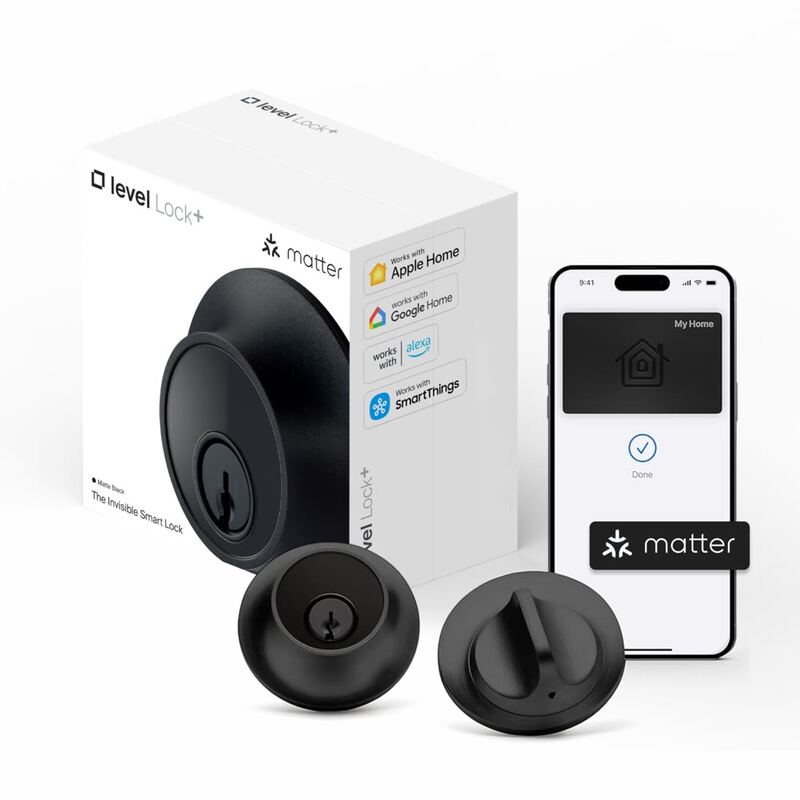
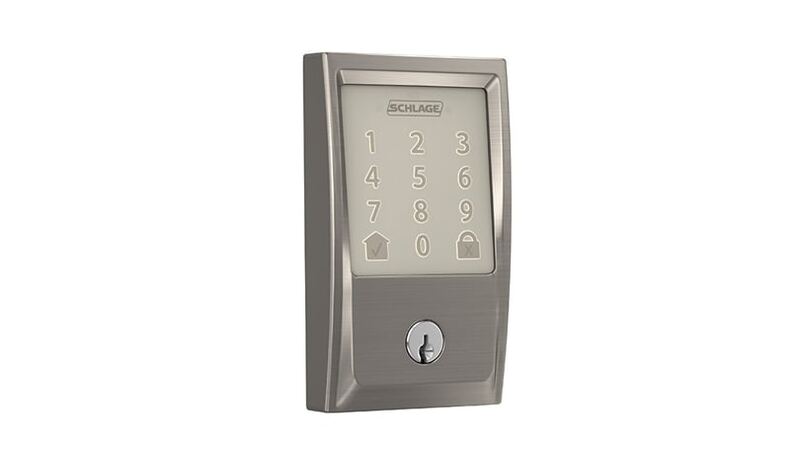
The Yale Assure Lock 2 distinguishes itself from the August and Level Lock+ by offering a built-in backlit keypad and built-in Wi-Fi, though it suffers from inconsistent Wi-Fi performance that the Schlage Encode Plus and Ultraloq U-Bolt Pro handle more reliably with integrated hubs. Its battery life is notably shorter than the Ultraloq's when using Wi-Fi features, and it lacks the Level Lock+'s discreet, hidden-motor design.
Rating sources
Counts as 4.16/5 in our score — this publisher's 181 scores on the site average 4.00, so its scores are adjusted up to compare fairly with other publishers.
Counts as 4.02/5 in our score — this publisher's 156 scores on the site average 4.15, so its scores are adjusted up to compare fairly with other publishers.
Counts as 3.89/5 in our score — this publisher's 9 scores on the site average 3.56, so its scores are adjusted up to compare fairly with other publishers.
Counts as 2.92/5 in our score — this publisher's 195 scores on the site average 4.25, so its scores are adjusted down to compare fairly with other publishers.
Our 3.8 score is the average of the 5 scored reviews above, each adjusted for how strictly its publisher scores; 1 more reviewed it without printing a score and is not in the average. More about methodology.