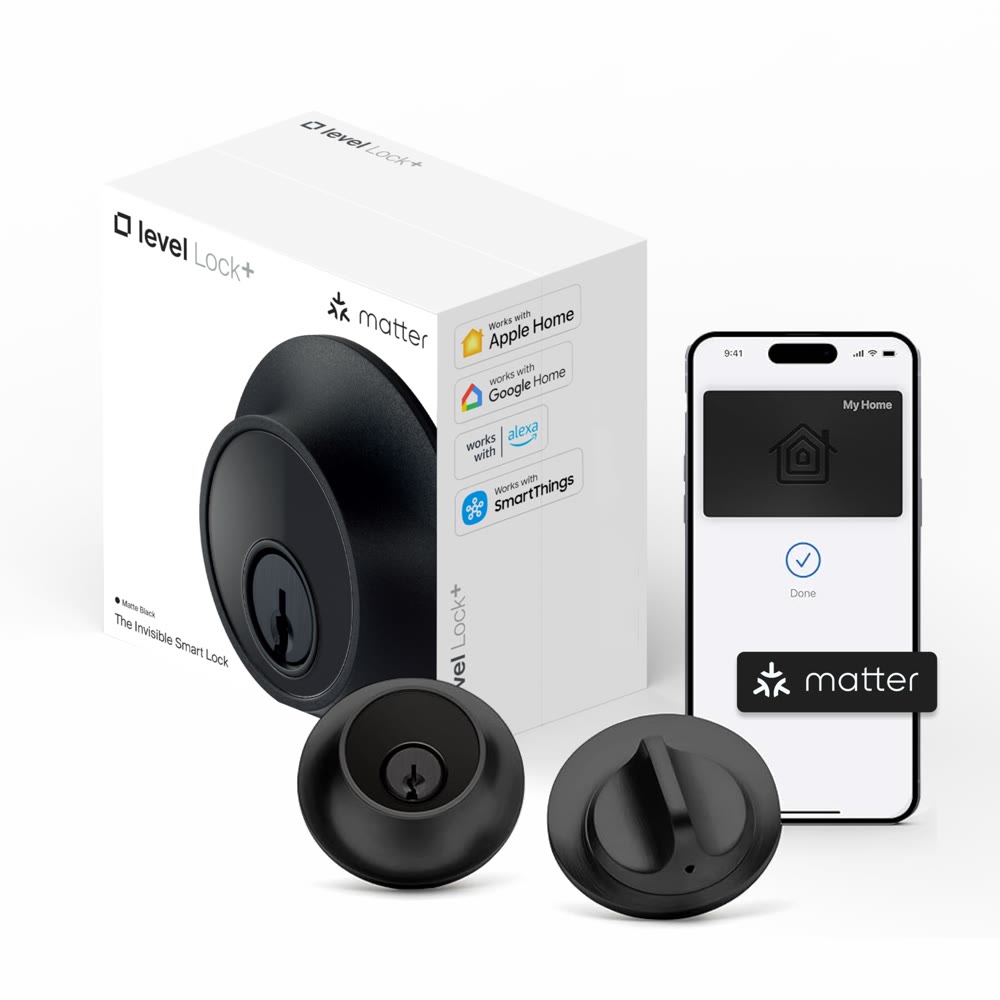
Apple users widely consider the Level Lock+ the best smart lock available, thanks to tight HomeKit integration, Home Key support, and a discreet design that hides the motor inside the door. Remote control requires a separate Wi-Fi bridge, and compatibility with non-Apple ecosystems like Google Assistant is limited for now. Installation is straightforward, but the included security cylinder is a weak point that may need a locksmith to upgrade for maximum protection.
Full review
Invisible Design and Installation
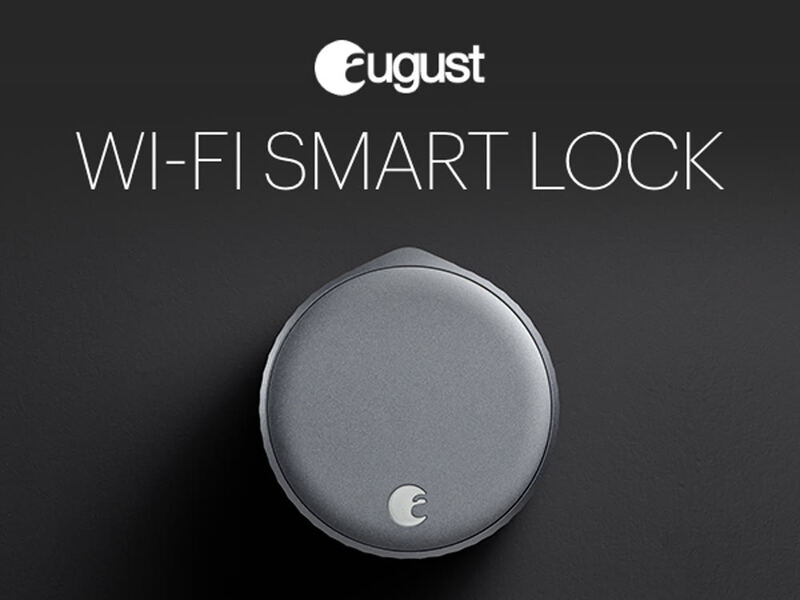
The defining characteristic of the Level Lock+ is its commitment to minimalism, effectively disguising itself as a standard mechanical deadbolt. PCWorld praised the device for its understated industrial design that does not scream 'smart lock,' noting that it lacks the bulky plastic housing common in competitors like August or Schlage. MacRumors echoed this sentiment, describing the unit as unassuming and sleek, available in satin nickel or matte black finishes that blend seamlessly with existing door hardware. The internal gearbox is constructed entirely of metal, contributing to a solid feel without the flex often found in plastic-heavy alternatives. However, the aesthetic purity comes with a caveat regarding color matching; MacRumors pointed out that the limited palette may not complement bronze or gold hardware, potentially clashing with specific home decor styles. The design philosophy prioritizes form over feature visibility, ensuring that guests remain unaware of the smart capabilities until the owner demonstrates the NFC tap-to-unlock feature.
Installation is widely regarded as one of the strongest aspects of the Level Lock+, though it requires a door that is already in good mechanical condition. Kradun reported completing the physical hardware installation in just 12 minutes, praising the clean packaging and premium feel of the components. The process involves removing the existing deadbolt and inserting the Level motorized bolt, which features an adjustable length to accommodate different door thicknesses. MacRumors noted that while the instructions were simple enough for a first-time installer, achieving the correct fit sometimes required minor adjustments, such as sanding the deadbolt cutout if the bolt was too long or short for the specific door. Crucially, 9to5Mac emphasized that the lock will not function properly if the existing deadbolt does not throw smoothly; users must ensure the door latches without needing to push or pull on the frame. This prerequisite makes the installation experience highly dependent on the pre-existing state of the door, turning a straightforward swap into a potential troubleshooting session for older or warped doors.
Apple HomeKit and HomeKey Integration
For users embedded in the Apple ecosystem, the Level Lock+ offers the most seamless integration available on the market. PCWorld declared it the best choice for Apple users, highlighting its native support for Apple HomeKey, a feature introduced in iOS 15 that allows for NFC-based unlocking via iPhone or Apple Watch. MacRumors detailed the convenience of 'Express Mode,' which enables users to unlock the door by simply tapping their device against the lock without needing to authenticate via Face ID or passcode, even when the phone is locked. This functionality extends to power reserve scenarios; Kradun tested the lock after his iPhone battery died and confirmed he could still unlock the door three hours later using the NFC chip. The ability to store the house key in the Wallet app and share access with family members or guests through the Home app provides a robust digital key management system that rivals physical key distribution.
Despite the strong Apple integration, the lock’s connectivity architecture presents significant limitations for non-Apple users. PCWorld noted that the device is essentially incompatible with Google Assistant unless the Thread radio is activated, a feature that was not fully available at the time of review. Furthermore, remote access requires a separate Level Connect Wi-Fi bridge, priced at approximately $79, because the lock itself relies on Bluetooth 5.0. Kradun found the Bluetooth range to be poor, losing connection to the Level app once he moved more than 15 feet away from the door. This means that without an Apple Home Hub (such as a HomePod or Apple TV) or the proprietary bridge, users are restricted to local control only. The reliance on Apple-specific hardware for full functionality creates a fragmented experience for Android users or those who prefer Google or Amazon Alexa ecosystems, making the lock a niche product rather than a universal smart home solution.
Motor Performance and Door Alignment
The mechanical performance of the Level Lock+ is its most polarizing feature, largely due to the motor’s placement inside the deadbolt itself. Kradun identified this design as the lock’s 'Achilles heel,' noting that the compact motor lacks the torque of larger competitors like the Schlage Encode. In his 30-day testing period, which included rainy weather, the Level Lock+ failed to lock or unlock roughly one in ten times, returning a 'Jammed' error in the app when the door swelled slightly due to humidity. This sensitivity to door alignment is a critical failure point; if a user has to push or pull the door to engage the latch, the Level Lock+ will likely struggle to overcome that friction. In contrast, Kradun reported that his previous Schlage lock powered through similar friction issues without complaint, highlighting a trade-off between the Level’s sleek profile and raw mechanical power.
The audible feedback from the motor also draws mixed reactions from reviewers. While Kradun appreciated the ability to disable audio beeps in 'Silent Mode,' he noted that the mechanical 'whir' of the motor remains audible and is higher-pitched than that of competing locks. This sound may be noticeable to those inside the home, potentially undermining the stealthy aesthetic. Additionally, the manual operation of the thumb turn is praised for its smoothness; Kradun described it as 'buttery smooth' because the motor disengages when not in use, eliminating the gear resistance felt in other smart locks. However, this smoothness does not compensate for the lack of torque in automated operations, leaving users with a device that feels premium when handled manually but fragile when subjected to the variable conditions of real-world door usage.
Battery Life and Power Management
Power management is a significant concern for the Level Lock+, primarily due to its reliance on a single CR2 lithium battery. Kradun reported that the battery level dropped to 'Medium' status after just 30 days of testing, with approximately 10 to 15 cycles per day. He projected real-world battery life to be closer to four to five months, significantly shorter than the manufacturer’s claim of one year. This rapid depletion is exacerbated by the cost and availability of CR2 batteries, which Kradun noted cost between $5 and $8 each and are not commonly kept in household supplies. MacRumors also highlighted the inconvenience of the battery type, noting that users may need to purchase specialized batteries rather than using standard AA or AAA cells. The anxiety surrounding battery life is further compounded by the lack of a rechargeable option, forcing users to monitor levels closely to avoid being locked out.
The battery compartment design is accessible, located at the end of the deadbolt, allowing for easy replacement without removing the entire lock assembly. MacRumors appreciated this feature, noting that changing the battery is as simple as popping off the end cap. However, the frequent need for replacement due to shorter-than-expected battery life diminishes this convenience. Users must balance the aesthetic benefits of the hidden battery compartment against the practical drawbacks of carrying a specialized battery or remembering to replace it every few months. The power reserve feature, which allows unlocking via NFC even when the phone battery is dead, is a strong safety net, but it does not mitigate the ongoing maintenance burden of keeping the lock’s own battery charged. This aspect of the user experience stands in stark contrast to locks with longer-lasting or rechargeable power sources, making the Level Lock+ a higher-maintenance option.
Security Concerns and Physical Vulnerabilities
Security is a paramount concern for any smart lock, and the Level Lock+ has faced scrutiny regarding its physical resistance to picking. 9to5Mac referenced a demonstration by YouTuber LockPickingLawyer, who showcased a simple bump key and hammer method to easily pick the Level Lock+. This vulnerability raised eyebrows given the lock’s premium price point, leading 9to5Mac to criticize Level Home for not including security pins in the cylinder. While 9to5Mac offered a measured perspective, noting that locks are primarily a first line of deterrence and that breaking a window is equally easy, the ease of picking remains a valid security concern. The lock holds a BHMA AAA (Grade 1) certification, which Kradun cited as a justification for its security rating, but the physical cylinder’s susceptibility to bumping undermines this certification in practical terms.
To mitigate these risks, 9to5Mac recommended that security-conscious users visit a locksmith to have the Level Lock+ rekeyed with a more robust cylinder. However, this adds an additional cost and complexity to the ownership experience. Kradun also noted that the physical keys provided with the lock feel lightweight compared to the solid construction of the lock itself, further raising questions about the overall durability of the security components. Unlike Kwikset SmartKey locks, the Level Lock+ cannot be easily re-keyed by the user to match existing house keys, meaning owners will likely need to carry an additional key. This lack of user-friendly re-keying options, combined with the cylinder’s vulnerability, suggests that the Level Lock+ is better suited for users who prioritize convenience and aesthetics over maximum physical security, or those willing to invest in professional locksmith services to enhance its protection.
Value Proposition and Market Position
Kradun argued that the high price is difficult to justify given the lack of built-in Wi-Fi, fingerprint readers, or keypads—features commonly found in competitors costing $100 less. The necessity of purchasing the separate Level Connect bridge for remote access further inflates the total cost of ownership. PCWorld acknowledged the lock’s excellence for Apple users but noted that the ecosystem lock-in limits its broader appeal. The value proposition is heavily skewed toward users who prioritize the invisible design and seamless Apple HomeKey integration over feature density and cost-effectiveness. For budget-conscious buyers or those who require robust multi-platform compatibility, the Level Lock+ offers poor value, as the premium price does not translate to superior functionality in areas like connectivity or security.
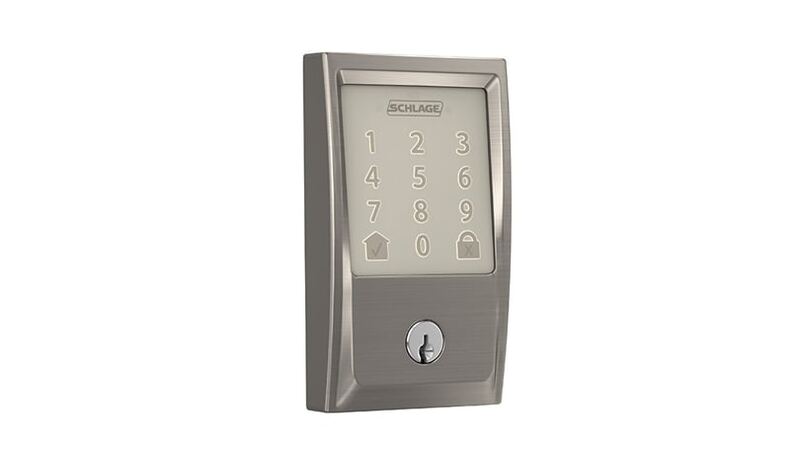
Comparisons with alternatives like the Schlage Encode Plus highlight the trade-offs inherent in the Level Lock+’s design. Kradun described the Schlage as bulky and gadget-like but praised its rock-solid reliability and torque, which powered through door friction issues that stumped the Level Lock+. The Schlage also includes a keypad and built-in Wi-Fi, providing more versatile access options without additional hardware. While the Level Lock+ excels in aesthetics and Apple integration, it falls short in mechanical robustness and feature completeness. This dichotomy suggests that the Level Lock+ is best suited for a specific niche: Apple-centric users with well-maintained doors who value discretion over durability and feature richness. For everyone else, the combination of high cost, maintenance requirements, and limited compatibility makes it a less compelling choice compared to more versatile and affordable alternatives.
Needs a bridge for remote access, sensitive to alignment
The Level Lock+ is an ideal choice for Apple HomeKit users who prioritize aesthetics and seamless integration over cost and mechanical robustness. Shoppers who have perfectly aligned doors that throw smoothly without friction will find the lock’s motor sufficient for daily use. The ability to unlock the door with a simple tap of an iPhone or Apple Watch, even when the phone battery is dead, offers a level of convenience that is unmatched by other smart locks. Users who value the 'invisible' design, where the smart technology is hidden within a standard-looking deadbolt, will appreciate the minimalist approach. Additionally, those who are willing to invest in the separate Level Connect bridge for remote access and are comfortable with the higher maintenance burden of replacing CR2 batteries every few months will find the lock’s ecosystem integration rewarding. It is particularly well-suited for modern homes with new doors that do not suffer from warping or alignment issues.
Conversely, the Level Lock+ is not recommended for Android users, budget-conscious buyers, or those with older homes featuring doors that stick or warp in humidity. The lack of native Wi-Fi and the poor Bluetooth range make it a frustrating option for users who do not have an Apple Home Hub or are unwilling to purchase the additional bridge. The sensitivity to door alignment means that anyone with a door that requires pushing or pulling to latch will likely experience frequent jamming errors. Furthermore, the high price point and the need for specialized CR2 batteries make it a poor value for those seeking a feature-rich smart lock with built-in keypads or fingerprint readers. Users who prioritize maximum physical security should also look elsewhere, as the lock’s cylinder is vulnerable to bumping and lacks user-friendly re-keying options. Ultimately, the Level Lock+ is a luxury accessory for a specific demographic, not a universal solution for smart home security.
Strengths
- +Understated industrial design that hides the smart mechanism inside the door frame
- +Supremely easy to install and set up using only a Phillips screwdriver
- +Supports Apple Home Key for instant NFC unlock via iPhone or Apple Watch
- +Takes full advantage of Apple HomeKit Thread radio for future Matter certification
Watch-outs
- −Limited to local operation without purchasing a separate Bluetooth-to-Wi-Fi bridge for remote access
- −Essentially incompatible with Google Assistant until the Thread radio is activated
How it compares
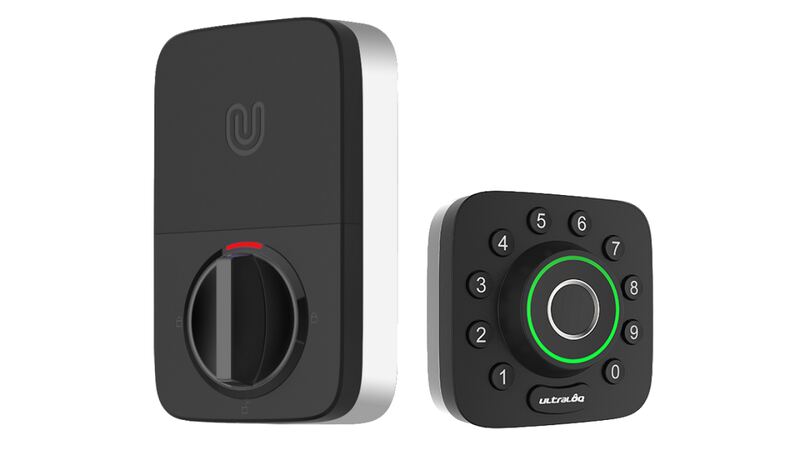
The Level Lock+ offers a uniquely discreet design that hides the motor inside the door, a feature absent in the bulky Schlage Encode Plus and August Wi-Fi Smart Lock, and provides superior Apple Home Key integration. However, it is significantly less versatile than the Ultraloq U-Bolt Pro, which supports six unlock methods including fingerprint, whereas the Level Lock+ requires a separate bridge for remote access and has limited Google Assistant compatibility.
Rating sources
Counts as 4.64/5 in our score — this publisher's 60 scores on the site average 4.02, so its scores are adjusted up to compare fairly with other publishers.
Counts as 3.96/5 in our score — this publisher's 4 scores on the site average 4.25, so its scores are adjusted down to compare fairly with other publishers.
Our 4.3 score is the average of these published ratings, each adjusted for how strictly its publisher scores. More about methodology.