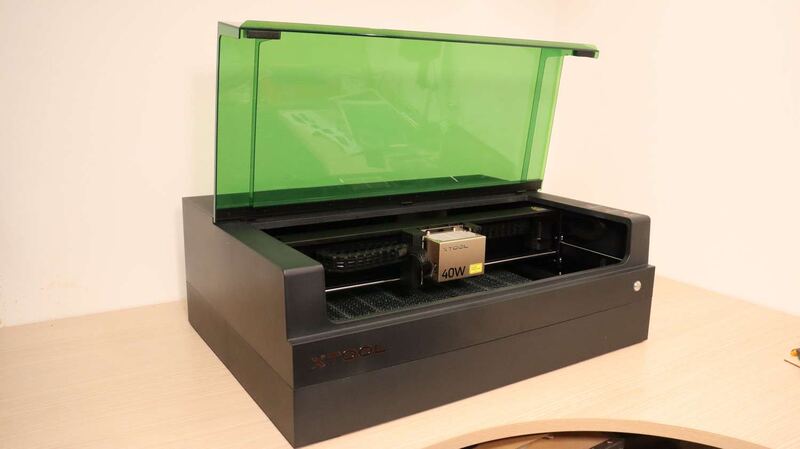
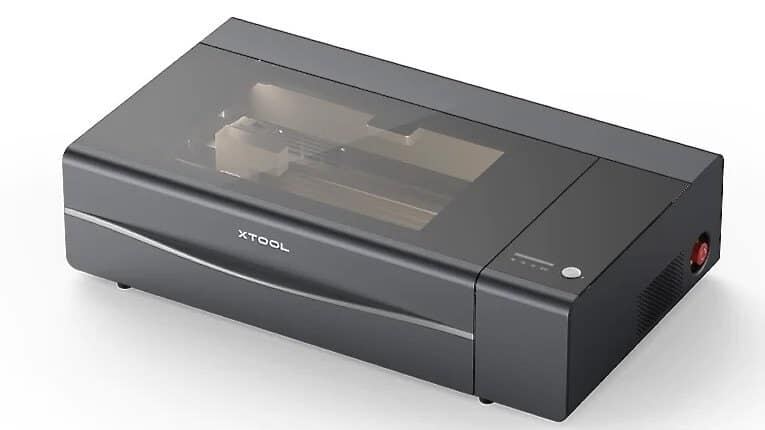
The xTool F2 Ultra UV utilizes 355nm cold-processing technology to engrave heat-sensitive materials like chocolate and paper without charring or melting, while its interchangeable lens system enables embedded 3D crystal work. Hobbylasercutters highlighted this unique inner engraving capability as a standout feature for the machine. However, the device operates exclusively within the closed xTool Studio ecosystem, which lacks compatibility with third-party tools like LightBurn, and its material preset library is incomplete, requiring manual tuning for many substrates. Hackster.io noted that this software restriction may be a dealbreaker for some users. This laser suits makers who prioritize thermal-free precision on delicate items over open-source workflow flexibility.
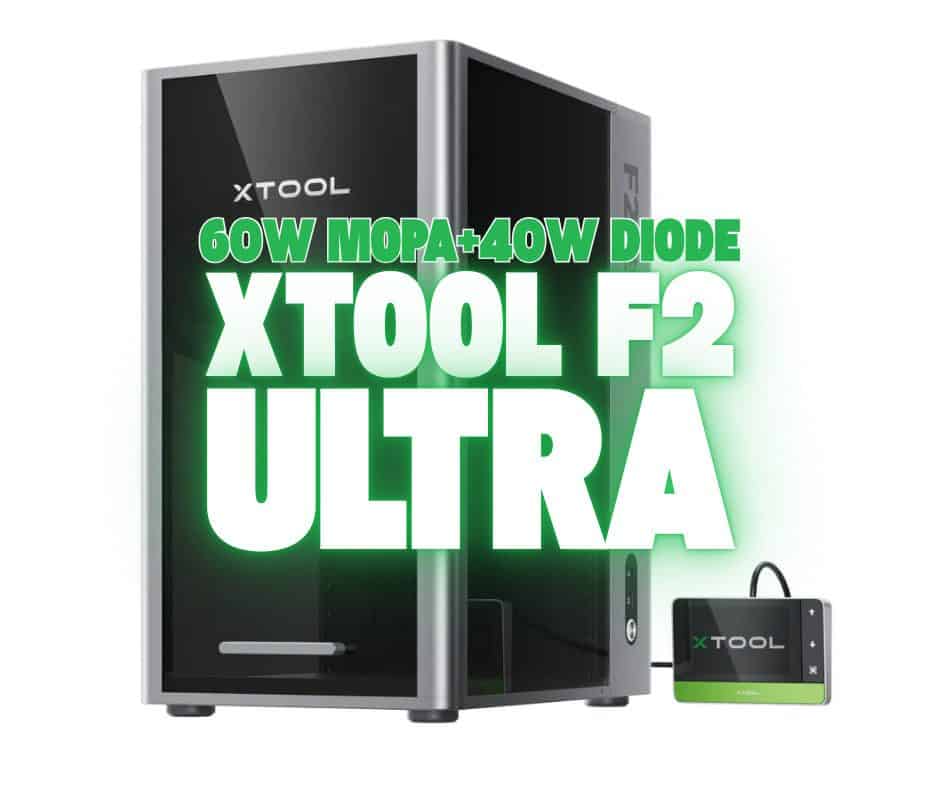
Full review
Cold-processing physics eliminates thermal damage
The defining characteristic of the xTool F2 Ultra UV is its operation at a 355-nanometer wavelength, which enables photochemical ablation rather than traditional thermal engraving. Unlike diode or CO2 lasers that rely on heat to vaporize material and inevitably leave behind char marks or melted edges, this ultraviolet light carries enough photon energy to break the molecular bonds of materials directly. This process effectively unmakes the surface layer one molecule at a time without creating a heat-affected zone. The practical result is an ability to engrave highly sensitive substrates that would be destroyed by conventional lasers, such as chocolate bars or thin paper, leaving pristine edges with zero scorching.
This thermal-free approach fundamentally changes how makers handle delicate projects. Because the laser does not burn through materials, it preserves the structural integrity and natural appearance of heat-sensitive items. This capability is particularly valuable for crafters who need to engrave wood without altering its color or cutting paper without blackened edges. The precision of this cold-processing method allows for microscopic detail that remains sharp even on transparent surfaces like clear acrylic or glass, where thermal distortion would typically blur the design.
Interchangeable lenses enable internal crystal engraving
The machine ships with two distinct optical configurations to handle different spatial requirements. The standard surface engraving lens provides a 200 by 200 millimeter working area for flat materials, while the specialized inner engraving lens offers a smaller 70 by 70 millometer footprint but extends the vertical working volume up to 150 millimeters. This specific lens setup is designed exclusively for embedding three-dimensional images inside solid glass spheres and crystal blocks. The physical swap between lenses utilizes a simple quarter-turn lock mechanism, which eliminates the frustrating threading mounts found on competing machines.
The hardware ecosystem supports this unique capability with an exceptionally well-designed pedestal stand that holds crystal blocks at the precise focal height required for inner engraving. This precision positioning avoids the disappointing results often associated with manual alignment in glass work. The combination of the specialized lens and the dedicated stand allows users to create stunning 3D designs inside solid glass, a feature that hobbylasercutters highlighted as a standout capability for this specific machine.
48-megapixel cameras ensure sub-millimeter positioning
Positioning accuracy is handled by dual 48-megapixel internal cameras that provide real-time visual framing of the work area. These high-resolution sensors enable precise project placement with an accuracy down to approximately 0.2 millimeters, which is critical for maintaining detail in fine engravings and QR codes. The camera system supports auto-focus workflows, allowing the machine to automatically adjust its focal plane for materials of varying thicknesses without manual intervention.
The visual framing provided by these cameras significantly reduces setup time compared to older laser systems that required tedious manual alignment. Users can see exactly where the laser will fire before starting a job, which prevents wasted material on misaligned designs. This level of automated precision is particularly useful for batch processing identical items, as the camera system ensures every piece is positioned consistently within the 200 by 200 millimeter workspace.
Closed software ecosystem restricts third-party integration
The xTool F2 Ultra UV operates exclusively within the xTool Studio software environment, which is available for Windows and macOS. This closed ecosystem means there is no compatibility with popular third-party laser control software like LightBurn, a significant limitation for makers who rely on open-source tools or specific workflow integrations. Hackster.io noted that this lack of flexibility may be a dealbreaker for some users, particularly those accustomed to the broader feature sets and community plugins available in alternative platforms.
Incomplete material library requires manual tuning
While xTool Studio includes an automatic parameter selection system based on a material preset library, this database is far from comprehensive. Many specific materials lack pre-configured settings, forcing users to manually dial in power, speed, and frequency parameters through trial and error. This gap in the software defaults means that even experienced makers must invest time into developing their own test grids for new substrates rather than relying on plug-and-play presets.
Heavy chassis demands careful placement
Weighing in at approximately 50 pounds, the xTool F2 Ultra UV is a substantial piece of equipment that requires a sturdy, level surface for operation. The machine arrived with internal steel brackets to protect the mechanics during transit, indicating that proper handling and placement are essential to maintain alignment. Users reported that setup was straightforward but noted that the weight made solo unboxing and positioning difficult without assistance.
Premium build quality justifies professional use
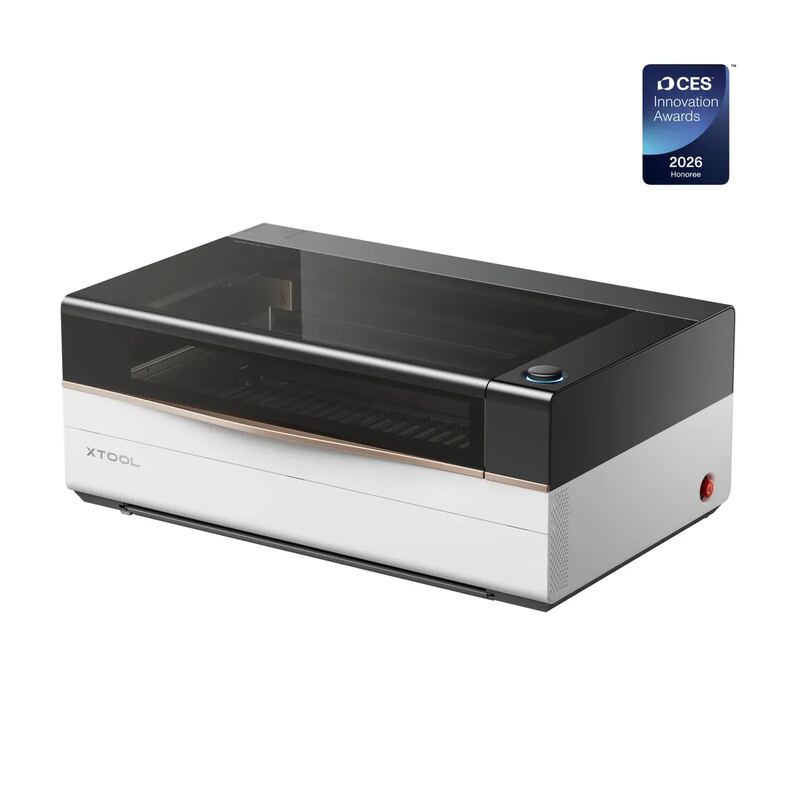
The overall construction of the F2 Ultra UV feels rigid and professionally finished, with a distinctive bronze rose gold tint on the chassis that modernizes its industrial aesthetic. The enclosure features an orange-tinted safety window specifically designed to block harmful ultraviolet wavelengths while allowing clear visibility of the engraving process. Maker Hacks noted that this build quality surpasses previous models in the lineup, offering a premium feel that matches the machine's higher price point and advanced capabilities.
Strengths
- +Cold-processing UV technology at 355nm enables photochemical ablation that engraves without burning, charring, or melting heat-sensitive materials like chocolate and paper.
- +Capable of embedded 3D inner crystal glass engraving using a specialized interchangeable lens and precision pedestal stand included in the package.
- +Features dual 48-megapixel internal cameras that provide accurate positioning down to approximately 0.2 mm and support auto-focus workflows.
Watch-outs
- −The xTool Studio software ecosystem is closed, offering no compatibility with third-party tools like LightBurn which many makers prefer.
- −The material preset library in the software is incomplete, requiring users to manually dial in settings for many specific materials not listed by default.
How it compares
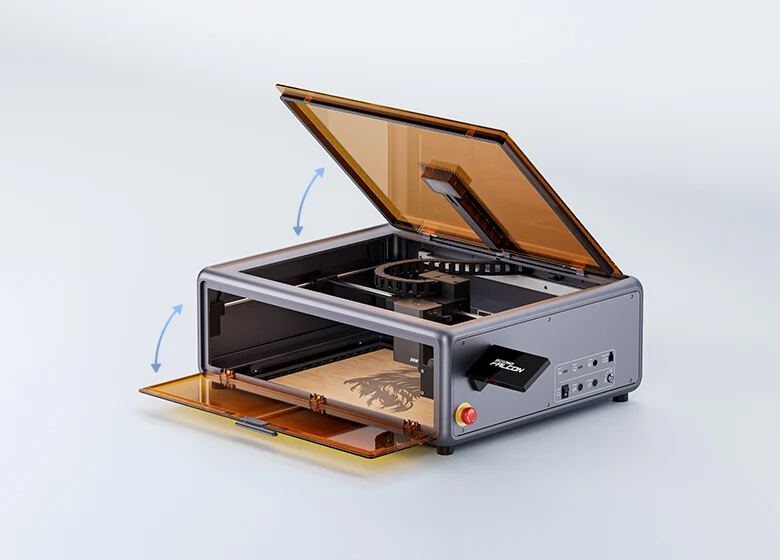
The xTool F2 Ultra UV uses cold-processing UV technology to engrave heat-sensitive materials like chocolate without charring, a capability the standard diode lasers in the Glowforge Aura or Creality Falcon A1 Pro lack. Although it offers precise 0.2mm positioning via dual cameras, its closed software ecosystem restricts third-party tool compatibility unlike the open workflows preferred by many makers.
Rating sources
Our 4.5 score is the average of the 1 scored review above; 5 more reviewed it without printing a score and are not in the average. More about methodology.