The Vanguard Alta Sky 42 is a specialized backpack designed to carry camera bodies with large telephoto lenses attached without disassembly. Digital Camera World found that its full-forward unzipping mechanism aids significantly in rapid kit retrieval, while Amateur Photographer confirmed the empty weight at approximately 4.2 pounds. The bag features heavy-duty construction and versatile attachment points for tripods or water bottles, but it suffers from an over-engineered design with excessive zips and buckles that can slow down access. Additionally, the waist strap lacks padding, making it less comfortable for extended hikes compared to general daypacks. This model fits wildlife and sports photographers who prioritize gear protection and specialized storage, while those seeking streamlined everyday carry or long-distance hiking comfort should look elsewhere.
Full review
Telephoto lens access and top-loading design
The Vanguard Alta Sky 42 is engineered specifically to solve the logistical problem of carrying camera bodies with massive telephoto lenses attached. Unlike standard backpacks that require photographers to detach heavy optics before packing, this model allows users to load a full-frame DSLR or mirrorless body with a large zoom already mounted. Digital Camera World notes that the bag accommodates superzoom lenses like the Sony FE 200-600mm f/5.6-6.3 G OSS and the Canon RF 200-800mm F6.3-9 IS USM without requiring disassembly. This design choice means wildlife and sports photographers can arrive at a location with their primary lens already attached to the camera, ready to shoot immediately upon spotting action.
The quick-access mechanism distinguishes this bag from its competitors in the category. Camera Jabber highlights that while many bags offer top access, the Alta Sky 42 features a zipper that runs all the way down the front side of the pack. This allows the entire upper flap to swing fully forward and away from the shoulder straps when the wearer has the backpack slung around their body. Amateur Photographer points out that this full-forward unzipping aids significantly with removing and replacing bulky camera setups without needing to take the bag off completely or dig through internal dividers, a crucial feature for capturing fleeting moments in dynamic environments.
The physical dimensions of the main compartment are optimized for vertical clearance rather than horizontal width. The external height reaches 505mm while the width sits at just 270mm, creating a tall, narrow profile that cradles long lenses securely. This specific geometry ensures that heavy glass like the Sigma 150-600mm F5-6.3 DG DN OS does not poke out of the top or strain against the seams when packed. The internal height of 470mm provides sufficient room for these optics even with lens hoods attached, maintaining a streamlined silhouette that prevents snagging on branches or obstacles during field use.
Internal padding and weatherproof construction
Protection of expensive optical gear is achieved through substantial internal cushioning and high-grade exterior materials. The bag utilizes a combination of 1000D and 600D polyester fabrics that provide a rugged outer shell resistant to abrasion from rough terrain or crowded public transport. Digital Camera World confirms the presence of a built-in rain cover hidden behind the rear padding, offering an integrated weatherproofing solution that is preferable to carrying a separate loose tarp inside the main compartment. This ensures that sudden downpours do not compromise the dryness of the camera bodies and lenses stored within.
Inside the main chamber, thick padded dividers are secured by Velcro, allowing photographers to customize the layout based on their specific gear loadout. Neil from Vanguard demonstrates in a product demo video that these dividers can be rearranged or removed entirely if a user prefers an unobstructed space for exceptionally large equipment. Additionally, the bag includes a separate padded sleeve designed to wrap around narrower diameter telephoto lenses or spotting scopes, providing extra shock absorption during transit. This attention to internal cushioning is consistent with the high-quality standards established in the broader Alta Sky range.
The structural integrity of the pack relies on its semi-rigid design and flat base, which allows it to stand upright without falling over when placed on the ground at an airfield or nature reserve. The bright yellow interior lining serves a functional purpose beyond aesthetics; it increases visibility inside the dark main compartment, making it easier for photographers to locate memory cards, batteries, and small accessories in low-light conditions such as dawn shoots or dense forest canopies.
Carrying comfort and harness engineering
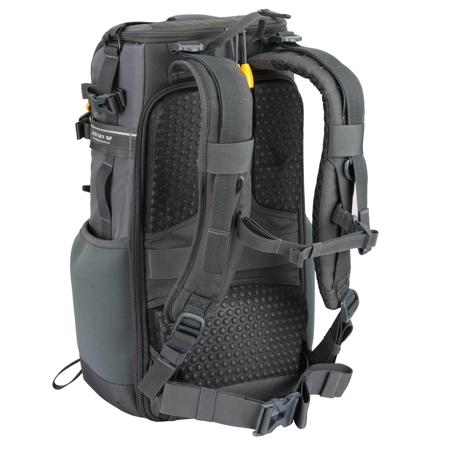
Transporting heavy telephoto setups requires a robust suspension system to distribute weight effectively across the shoulders. The Alta Sky 42 features large, generously padded shoulder straps covered in dimpled mesh material designed to promote airflow and reduce heat buildup against the wearer's back. Camera Jabber observes that despite the considerable weight of the bag when fully loaded with multiple lenses and bodies, it sits comfortably on the shoulders due to this extensive padding. The harness system is engineered to prevent the heavy load from pulling backward, maintaining balance while walking over uneven terrain.
A notable compromise in the carrying comfort lies in the waist strap design. Digital Camera World explicitly criticizes the fact that the included waist belt lacks padding, making it less suitable for extended hikes or long days of trekking where hip support is necessary to alleviate shoulder strain. While the chest strap provides additional stability and prevents the bag from swaying side-to-side during movement, the unpadded nature of the lumbar support means photographers carrying heavy loads over several miles may experience discomfort compared to those using fully padded competitor models.
The bag's roughly 4.2-pound empty weight adds to the total load when filled with professional-grade equipment, but the ergonomic design of the harness attempts to mitigate this burden. The top handle is also generously padded, allowing for comfortable one-handed carrying even when the bag is fully loaded, which proves useful when navigating through airport security lines or climbing into vehicles.
Storage capacity and accessory organization
Beyond the main compartment dedicated to cameras and lenses, the Alta Sky 42 offers a 17-litre total volume that accommodates additional essential gear. The bag can hold up to four extra lenses alongside the primary camera setup. A dedicated sleeve on the back panel fits tablets up to 12.9 inches or small laptops like a MacBook Air, protecting them from impact with the rigid camera bodies stored in front. This separation ensures that personal electronics remain safe and accessible without being crushed by heavy glass.
Organization for smaller items is handled through a combination of external pockets and internal mesh compartments. The front exterior pocket features dedicated slots marked with red and green tags to distinguish between full and empty memory cards, preventing the common error of overwriting footage or running out of storage in the field. Neil from Vanguard notes that this specific color-coding system helps maintain workflow efficiency during long shooting sessions where quick card swaps are necessary.
However, the organization for miscellaneous personal accessories is limited compared to general-purpose daypacks. Digital Camera World points out that aside from small flat zipped pockets on the top flap and front panel, there is little dedicated space for items like keys, wallets, or snacks. The internal mesh pockets in the front compartment are primarily suited for spare batteries and chunky accessories rather than fine personal effects, reflecting the bag's specialized focus on photographic equipment over everyday carry.
External attachment points and mounting options
Versatility in external gear carriage is a strong suit of this backpack, featuring multiple attachment points for field accessories. Two large stretchy neoprene pockets are located on the sides of the pack; these can accommodate two-liter water bottles, folding stools, or hiking poles. Amateur Photographer highlights that these side pockets provide easy access to essentials without requiring the wearer to remove the bag, a significant advantage during active wildlife photography where time is critical.
Tripod and monopod transport is managed through a specialized system on the front of the backpack. A fold-out bucket pouch allows tripod feet to rest securely while two adjustable straps with toggles secure the barrel of the tripod or monopod to the upper section of the bag. This design keeps heavy supporting gear off the ground and readily available, though it does add bulk to the front profile of the pack when a full-sized tripod is attached.
The integration of these external features means that photographers can carry a complete field kit including support equipment without needing additional bags. The toggles used for securing tripods are equipped with bright yellow pulls, ensuring they remain visible and easy to manipulate even in low-light conditions or when wearing gloves during colder weather shoots.
Over-engineered design and access friction
Despite its functional strengths, the Alta Sky 42 faces criticism for an over-complicated interface that can hinder rapid deployment. Digital Camera World critiques the sheer number of zips, handles, straps, and buckles present on the exterior, noting that they can get in the way and slow down access to the kit when speed is paramount. The complexity of managing multiple attachment points requires familiarity with the bag's mechanics, which may frustrate users accustomed to simpler, more streamlined backpack designs.
The process of retrieving a camera with an attached superzoom lens can be awkward due to the physical constraints of the opening and the weight distribution. While the top zipper extends fully forward, maneuvering a long, heavy lens out of the narrow compartment while the bag is still on one's back requires careful coordination. Users may find that removing the bag entirely is sometimes necessary to safely extract large optics without snagging them against the internal dividers or exterior straps.
This friction between security and accessibility defines the user experience with this pack. The heavy padding and numerous securing mechanisms ensure gear remains safe during transit, but they introduce steps that must be navigated before shooting can commence. Photographers who prioritize absolute speed over maximum protection may find these design choices cumbersome in fast-paced sports environments.
Target audience suitability for field photographers
The Vanguard Alta Sky 42 is ideally suited for wildlife and sports photographers who regularly trek with heavy, specialized equipment including lenses up to 600mm. Its tall, narrow form factor specifically addresses the storage needs of these long optics while keeping the overall footprint relatively compact on public transport or in crowded venues. The ability to carry a camera fully assembled inside the main compartment eliminates the need for frequent setup and teardown, allowing photographers to react quickly to animal movements or athletic plays.
Conversely, this backpack is not recommended for general everyday use or casual city photography. Camera Jabber explicitly states that while the bag is functional and tough, it lacks the luxury features and streamlined design of standard daypacks intended for urban environments. The bulkiness created by external tripod mounts and side pockets makes it conspicuous and impractical for commuting or travel where discretion and minimalism are preferred.
The lack of a padded waist strap further limits its suitability for long-distance hiking enthusiasts who require comprehensive load-bearing support across the hips. While the shoulder harness is comfortable, the absence of lumbar padding means that carrying heavy loads over extended periods may lead to discomfort. This product serves a niche market of photographers willing to trade some comfort and simplicity for specialized protection and rapid access to large telephoto lenses.
Strengths
- +Provides quick top access that unzips fully forward for rapid kit retrieval in the field
- +Features heavy-duty construction with generous padding and weatherproofing to protect gear
- +Includes versatile attachment points for a tripod, monopod, hiking poles, or water bottles
Watch-outs
- −Waist strap lacks padding, making it less comfortable for extended hikes
- −Over-engineered design with excessive zips and buckles can slow down access to the kit
- −Limited internal organization for small personal accessories compared to general daypacks
How it compares
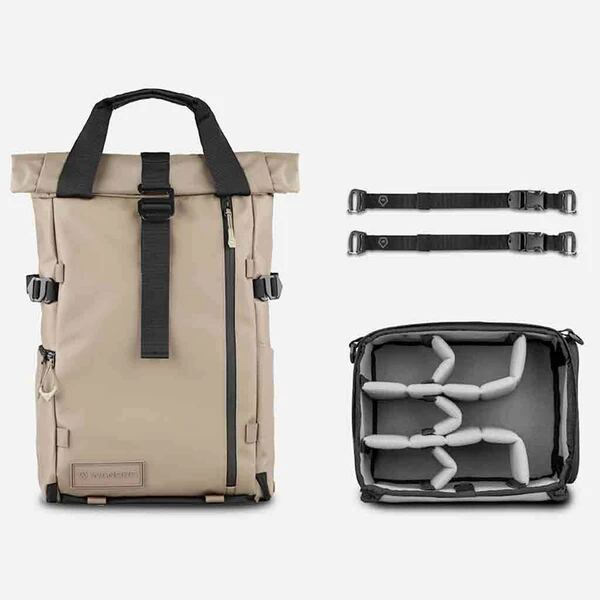
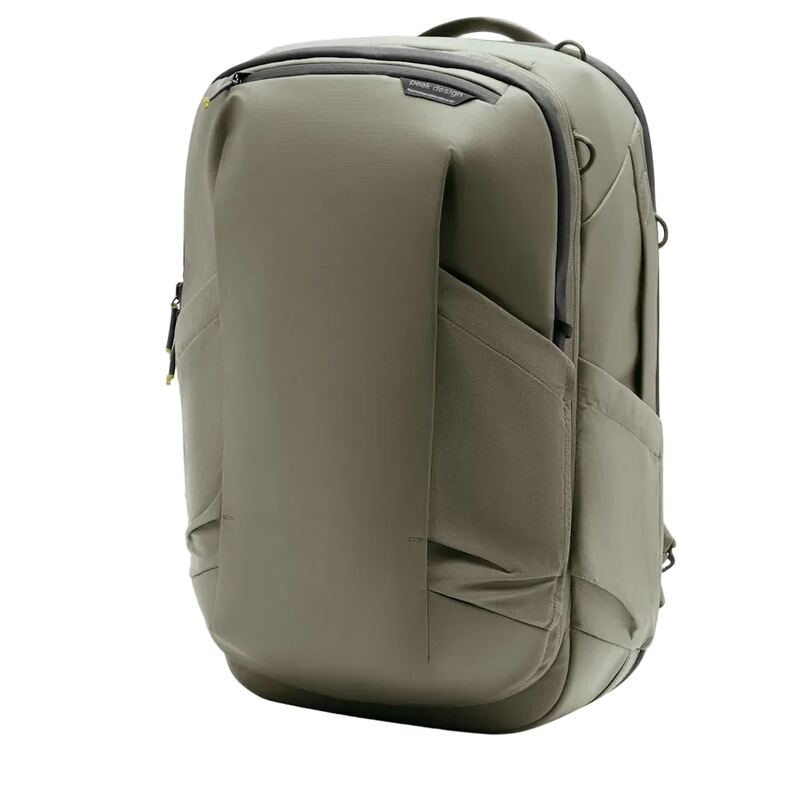
The Vanguard Alta Sky 42 features a full-forward unzipping mechanism that allows rapid kit retrieval, offering faster access than the clamshell designs of the Peak Design Travel 2in1 40L or Wandrd PRVKE 21 V4.
Rating sources
Counts as 4.54/5 in our score — this publisher's 9 scores on the site average 4.89, so its scores are adjusted down to compare fairly with other publishers.
Counts as 4.72/5 in our score — this publisher's 16 scores on the site average 4.53, so its scores are adjusted down to compare fairly with other publishers.
Counts as 3.77/5 in our score — this publisher's 55 scores on the site average 4.42, so its scores are adjusted down to compare fairly with other publishers.
Our 4.3 score is the average of the 3 scored reviews above, each adjusted for how strictly its publisher scores; 1 more reviewed it without printing a score and is not in the average. More about methodology.