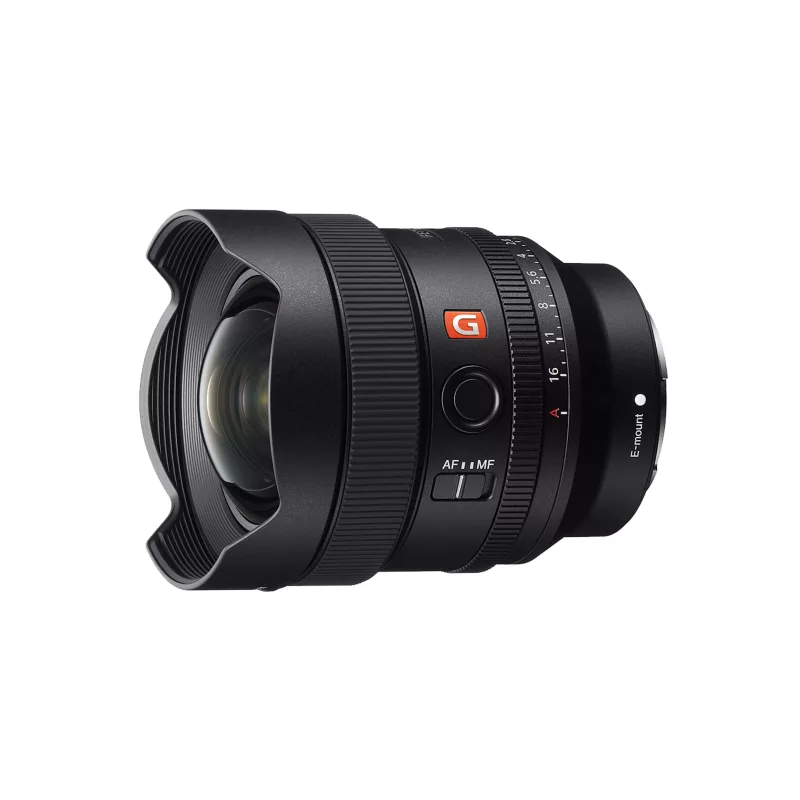
The FE 14mm F1.8 GM is an exceptionally compact and light ultra-wide prime that punches well above its size. It is razor-sharp from f/1.8, controls coma well enough for serious astrophotography, and weighs a fraction of competing 14mm lenses. The trade-offs are the fixed focal length, the rear-only filter system, and a premium price for a specialist angle of view.
Full review
Sharp from f/1.8 all the way to f/11
The FE 14mm F1.8 GM earns its reputation on sharpness and size. Cameralabs, who rated it Highly Recommended, found the optical quality excellent with sharp details across the frame and attractive rendering in blurred areas. Reviewers consistently note that center sharpness is outstanding even wide open at f/1.8 and holds through to f/11, with only f/16 showing diffraction softening. For an ultra-wide prime opening to f/1.8, that level of performance from the maximum aperture is the headline.
Across landscape, architecture and astro use the lens delivers the kind of edge-to-edge detail that makes a 14mm prime worth carrying over a zoom, and it does so without the size penalty that usually comes with this combination of focal length and speed.
What separates a 14mm prime from the wide end of a zoom is not just sharpness but rendering character, and reviewers consistently praise the GM's contrast and micro-detail wide open. Shot at f/1.8 for a foreground subject against a night sky, the lens keeps the subject crisp while gathering the light needed to expose the stars, a balance that cheaper ultra-wides struggle to strike. That dual capability, sharp detail and a genuinely usable maximum aperture, is the heart of why this lens is held in such high regard among Sony shooters.
460 grams versus 1,170 for the Sigma rival
The defining trait is portability. Dustin Abbott put the size advantage in stark terms, noting that the competing Sigma 14mm F1.8 is 154% heavier at 1170 versus 460g. At 460g and 83 x 99.8mm, the Sony is, in Cameralabs's words, considerably more portable than its only rival. For a lens this wide and this fast, that is a remarkable engineering achievement and the single biggest reason to choose it.
Build follows G Master standards, with weather sealing, fluorine coating and a high-quality finish. The aspherical bulbous front element is the trade-off: there is no front filter thread, so filtration happens via a rear filter holder. Astro and long-exposure shooters who rely on screw-in filters will need to plan around that, but for most ultra-wide work the lack of a front thread is a non-issue.
Coma control keeps stars sharp at the corners
For astrophotography the 14mm focal length plus f/1.8 aperture is a powerful pairing, and reviewers confirm the lens delivers. Cameralabs observed that when shooting stars across the frame, the lens maintains their shape as tiny dots, avoiding the aberrations of lesser lenses, meaning coma is controlled well enough to keep point sources sharp toward the corners. That is the make-or-break optical trait for Milky Way work, and it is where many fast wide primes fall down.
Distortion is present but manageable. There is a medium amount of wavy distortion that the Lightroom and Camera Raw correction profiles handle cleanly. The wide aperture and wide angle together maximize sky coverage and let you gather light for the 15-25 second exposures astro shooters rely on before star trailing becomes visible.
No front filter thread, rear filters only
The biggest practical limitation is the rear-only filter system. Without a front thread you cannot stack circular polarizers or variable ND filters the conventional way, which matters for video shooters and anyone who relies on front filtration. The bulbous front element also needs careful handling and a protective cap.
Beyond that, the constraints are inherent to the lens type rather than flaws. A fixed 14mm angle of view is uncompromisingly wide and offers no framing flexibility, so it is a deliberate, specialist choice. And at $1,598 it is a significant outlay for a single focal length, even if it is cheaper than the GM zoom.
The widest and brightest prime in this group
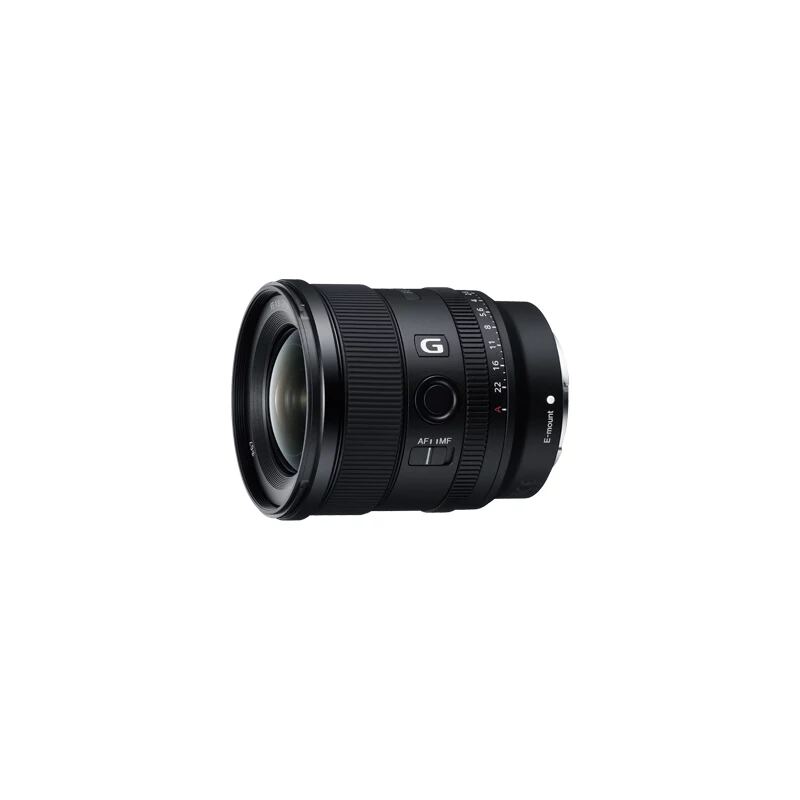
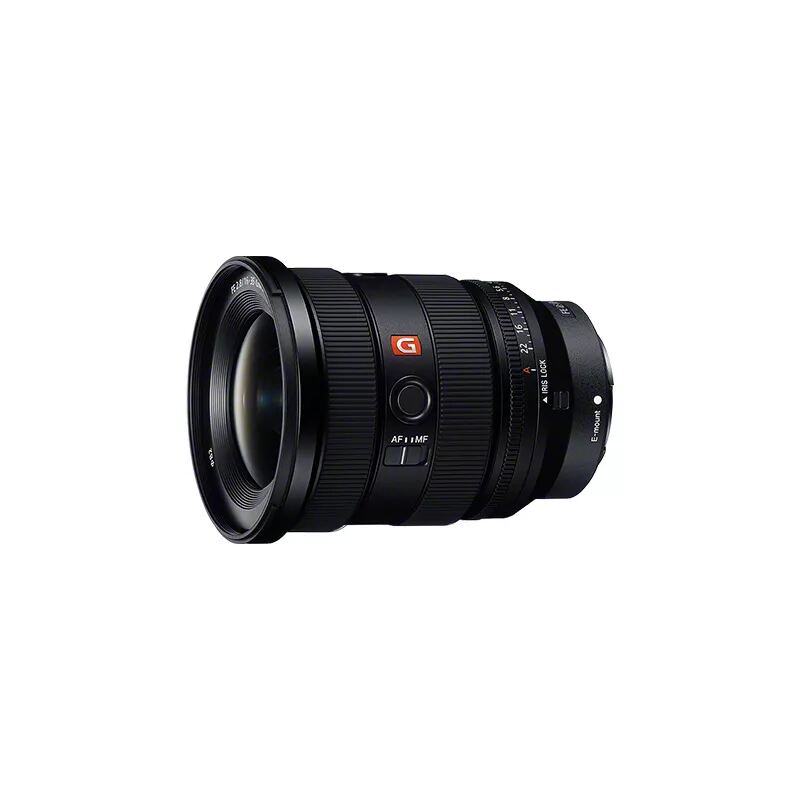
Within this group the 14mm GM is the extreme wide specialist. It goes meaningfully wider and a stop and a third brighter than the Sony FE 16-35mm F2.8 GM II zoom, making it the clear pick for astro and the most dramatic ultra-wide perspectives. Against the Sony FE 20mm F1.8 G, it is wider and more specialized but loses the convenient 67mm front filter thread.
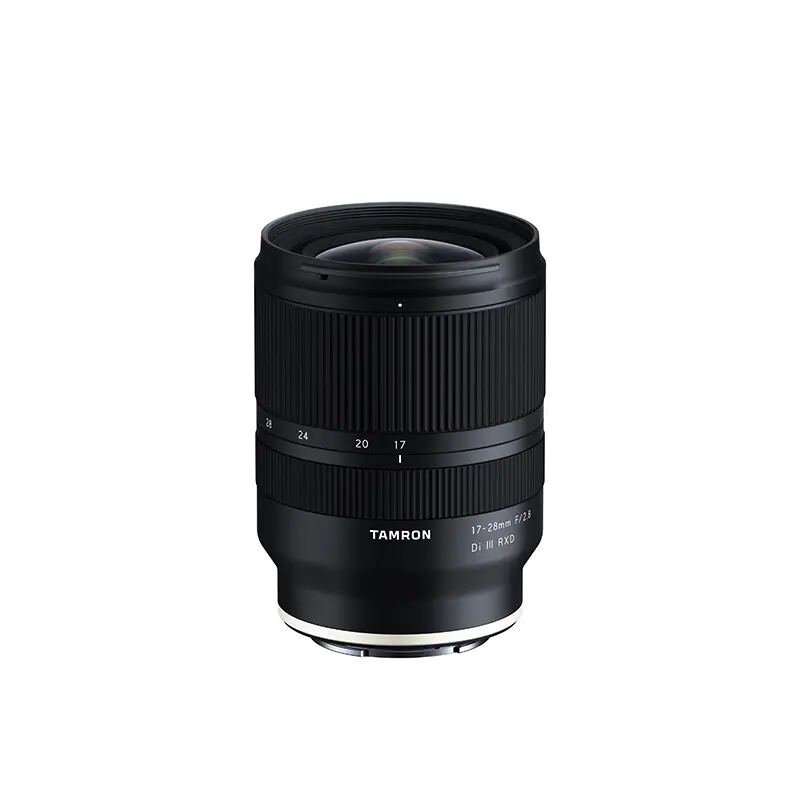
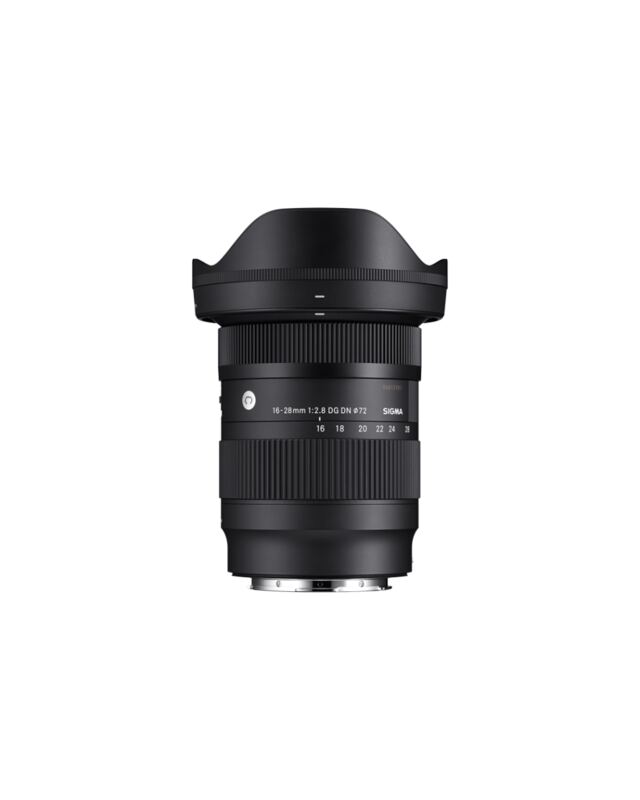
Compared with the zoom options like the Tamron 17-28mm F2.8 Di III RXD and Sigma 16-28mm F2.8 DG DN Contemporary, it trades all framing flexibility for a brighter aperture and the widest, lightest rectilinear view available. If you specifically want 14mm and f/1.8, nothing else here competes; if you want versatility, a zoom makes more sense.
Only makes sense over the 16-35mm zoom for astro
At $1,598 the 14mm GM is not cheap, but it is the value leader in its narrow niche. Its only direct rival, the Sigma 14mm F1.8, is far larger and heavier at 1170g, and reviewers consistently rate the Sony as the better optic in nearly every respect, so the price premium buys both superior performance and a dramatic reduction in bulk. For a lens you might carry on a multi-day landscape or astro trip, that weight saving has real value beyond the spec sheet.
The harder comparison is against the Sony FE 16-35mm F2.8 GM II zoom, which costs more but covers a usable range. The 14mm only makes financial sense if you specifically need the extra width and the extra stop of light, which astro shooters and dedicated wide-angle photographers genuinely do. For everyone else, the zoom is the more flexible spend; for the specialist, the 14mm is worth every dollar.
Handling and Real-World Use
In the field the 14mm GM is defined by how little it asks of you to carry it. Where competing 14mm f/1.8 primes are front-heavy bricks, the Sony balances comfortably even on compact bodies, which encourages the kind of spontaneous shooting that wide-angle work thrives on. The autofocus is fast and silent, and while a 14mm prime is most often used for static landscape and astro compositions, the responsive AF means it can grab moving foreground subjects when an opportunity appears.
The control layout follows G Master convention with a focus-hold button and an AF/MF switch, and the linear manual focus ring makes precise focusing for astro straightforward, especially with focus magnification. The rear filter holder is the one workflow wrinkle: planning your filters before you head out, rather than swapping on the fly, becomes part of using the lens. Once that habit is established, the 14mm is a remarkably easy companion for its specialist role.
That ease of carry has a knock-on creative benefit. Because the lens is so light, photographers report bringing it on trips where they would have left a heavier ultra-wide behind, which means more opportunities captured at 14mm rather than approximated with a zoom. For a focal length this specialized, a lens you actually pack is worth more than a theoretically better one that stays home, and the GM's portability is precisely what tips that calculation in its favor.
A dedicated tool for Milky Way photography
This is a lens for photographers with a clear ultra-wide intent: astrophotographers chasing the Milky Way, landscape shooters who love expansive vistas, and architecture or interior photographers who need to capture tight spaces. Its light weight makes it genuinely travel-friendly, which is unusual for a 14mm f/1.8, and its coma control makes it one of the better star-field performers Sony offers.
It is not the lens for someone who wants one do-everything wide-angle; the fixed focal length and rear filter system make it a deliberate tool rather than a generalist. But for the buyer who knows they want the widest, brightest prime Sony makes, in a body small enough to carry all day, it is hard to beat. If your work lives at 14mm, this is the lens that justifies a dedicated slot in the bag.
Strengths
- +Outstanding center sharpness wide open at f/1.8, holding through f/11
- +Remarkably compact and light for the class at 460g, far smaller than rival 14mm primes
- +f/1.8 ultra-wide aperture is a serious tool for Milky Way and astro work
- +Well-controlled coma keeps stars as tight dots across most of the frame
- +G Master build with fast, quiet autofocus and weather sealing
Watch-outs
- −Bulbous front element means no front filter thread; uses a rear filter holder only
- −Some wavy distortion that benefits from the correction profile
- −Fixed 14mm focal length offers no framing flexibility
- −At $1,598 it is a specialist purchase for a single angle of view
How it compares
It goes wider and brighter than any zoom here, including the Sony FE 16-35mm F2.8 GM II, making it the astro and low-light specialist of the group. Compared with the Sony FE 20mm F1.8 G it is wider and pricier but loses the front filter thread. The fixed 14mm view is the trade-off versus flexible options like the Tamron 17-28mm F2.8 Di III RXD.
Rating sources
“Sony has made a lens that is incredibly compact while also being much higher performing than the Sigma in basically every facet.”
“The optical quality is excellent with sharp details across the frame and attractive rendering in blurred areas.”
Our 4.5 score is the average of these published ratings. Ratings marked * were derived from the reviewer’s written analysis or video transcript — the publisher didn’t print an explicit numeric score, so we inferred one from their own words. Click through to verify. More about methodology.