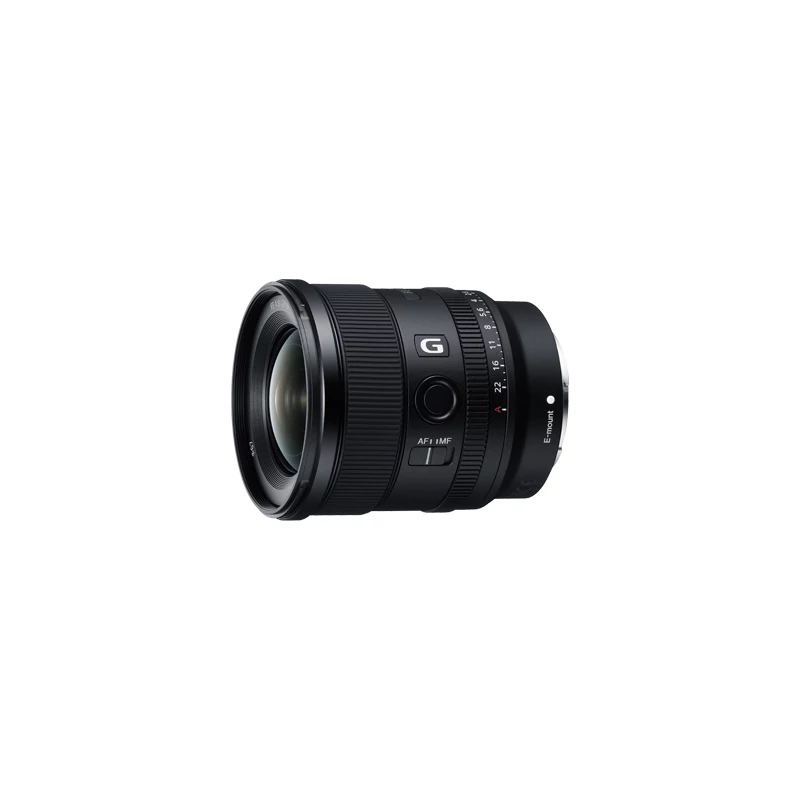
The Sony FE 20mm F1.8 G is one of the best-value ultra-wide primes in the E-mount lineup, pairing excellent sharpness and fast autofocus with a notably light 373g body. The 20mm f/1.8 combination is well suited to astro and low-light work, and the standard 67mm filter thread adds practicality. Mild coma wide open and the fixed focal length are the only meaningful trade-offs.
Full review
High sharpness from f/1.8 through f/4
The FE 20mm F1.8 G is one of those lenses that reviewers struggle to criticize. Dustin Abbott called it an excellent optical instrument and concluded that some lenses don't leave you a lot of room for criticism, and frankly, this is one of them. OpticalLimits ranked it among the sharpest wide angle lenses and optically one of the stronger lenses at this focal length on the market, with very few optical shortcomings.
For a G-series prime that undercuts the 24mm F1.4 GM by roughly $500, the combination of sharpness, speed and size is what makes it such a consistent recommendation.
Across reviews the lens is praised for delivering high center sharpness from f/1.8 and quickly reaching excellent edge-to-edge resolution by f/2.8 to f/4, the apertures astro and landscape shooters use most. It also resists flare well and renders pleasing sunstars when stopped down, rounding out a performance profile with very few rough edges. The recurring theme is that the 20mm punches well above its modest price, behaving optically like a more premium prime while staying small enough to carry every day.
Standard 67mm filter thread, unlike the 14mm GM
At 373g and measuring 73.5 x 84.7mm, the 20mm F1.8 G is remarkably light for an ultra-wide full-frame lens that opens to f/1.8. Dustin Abbott summarized it as reasonably sized and reasonably priced, with excellent construction quality including weather sealing, a fluorine coating and a linear manual focus ring. The light weight makes it a natural travel and astro companion.
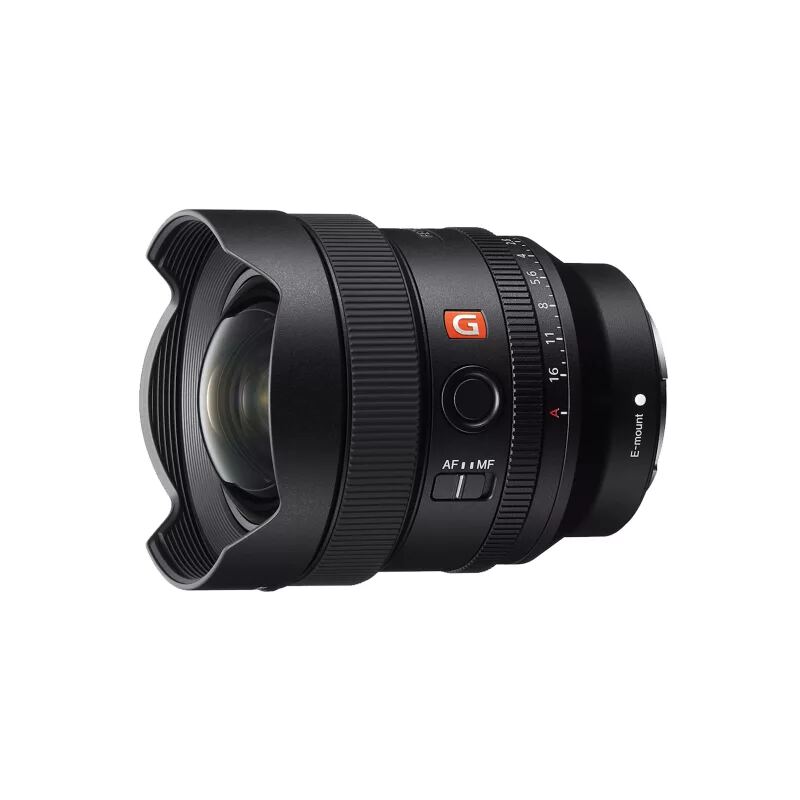
Crucially for an ultra-wide, it uses a conventional 67mm front filter thread, so polarizers and variable ND filters screw straight on. That is a practical advantage over the wider FE 14mm F1.8 GM, which requires rear filters, and it makes the 20mm far more flexible for landscape and video work where front filtration is routine.
0.18-meter close focus adds macro-style shots
The 20mm focal length paired with f/1.8 is, as Autumn Schrock put it, simply perfect for astrophotography and expansive vistas: the wide angle maximizes sky coverage while f/1.8 gathers enough light for 15-25 second exposures before significant star trailing. Coma and astigmatism are generally well controlled, making the lens suitable for astro, though Dustin Abbott did note some visible coma at the widest apertures that improves when stopped down.
For everyday landscape and environmental work the lens is sharp across the frame and renders with the clean, neutral character expected of Sony's G line. The minimum focus distance of around 0.18m also allows for close-up wide-angle compositions with strong foreground emphasis, adding versatility beyond pure landscape use.
Coma at f/1.8 is the main optical flaw
The main optical caveat is the coma at the widest apertures. It is well enough controlled that the lens is still a strong astro performer, but pixel-peeping at f/1.8 in the corners reveals some star smearing that cleans up by f/2.8 to f/4. For critical astro work that means a slight aperture compromise.
Beyond that, the limitations are inherent to the lens type. A fixed 20mm focal length offers no framing flexibility, so it is less versatile than the zoom options in this list. And it lacks optical stabilization, relying on the camera body, which is a non-issue on modern Sony bodies but worth noting for older cameras.
Cheaper than the 14mm GM, with a filter thread
Within this group the 20mm F1.8 G is the practical prime. It shares the bright f/1.8 aperture and astro credentials of the Sony FE 14mm F1.8 GM but is cheaper, less extreme in angle of view, and adds a standard 67mm filter thread. That filter compatibility and the more usable 20mm framing make it the more versatile of the two primes for general work.
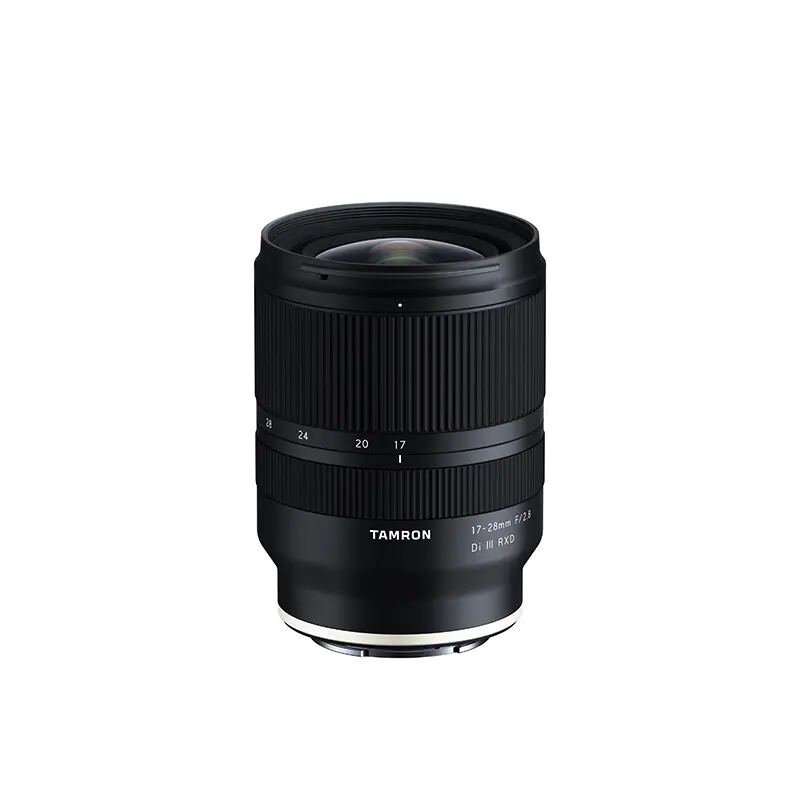
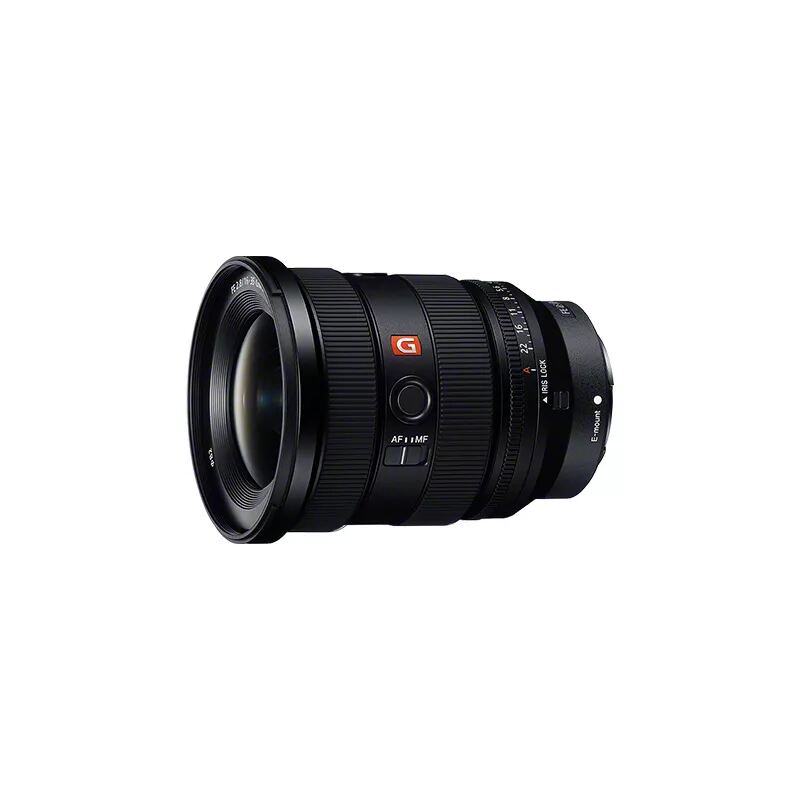
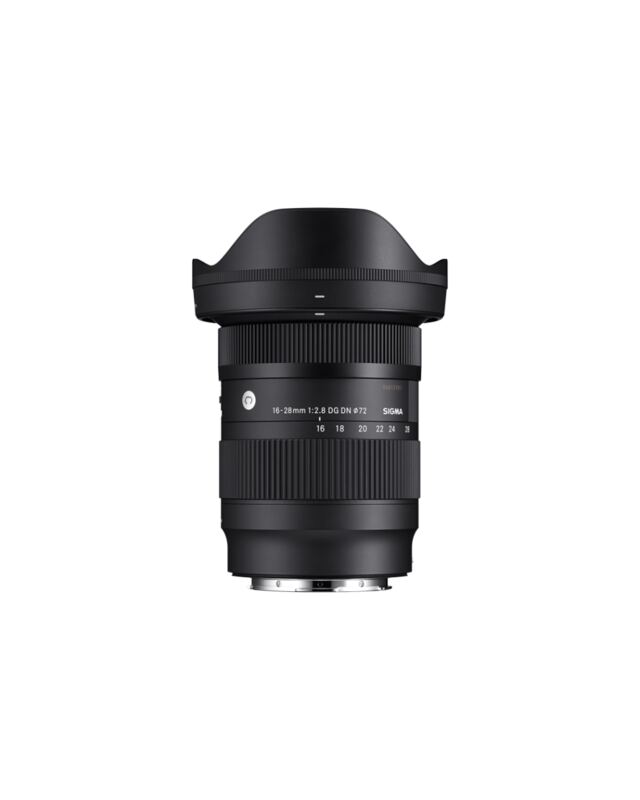
Against the Tamron 17-28mm F2.8 Di III RXD and Sigma 16-28mm F2.8 DG DN Contemporary zooms, which sit at a similar price, the 20mm trades zoom flexibility for a brighter aperture and stronger low-light and astro performance. And it is less than half the price of the Sony FE 16-35mm F2.8 GM II. It is the pick when you want one fast, light, sharp ultra-wide prime that handles astro and travel equally well.
898 dollars, 500 less than the 24mm GM
At $898 the 20mm F1.8 G is one of the smartest spends in Sony's prime lineup. Reviewers note that it undercuts the 24mm F1.4 GM by roughly $500 while delivering optical quality that competes with lenses costing considerably more, and it does so in a body light enough to carry anywhere. For a fast, sharp, filter-friendly ultra-wide prime, it is difficult to find a better balance of price and performance on E-mount.
Compared with the FE 14mm F1.8 GM, the 20mm is the more affordable and more practical of Sony's two fast wide primes, trading some width for a usable filter thread and a lower price. Compared with the Tamron and Sigma zooms at a similar cost, it trades flexibility for a brighter aperture and stronger low-light results. For the buyer who values the extra stop and the prime's compactness over zoom convenience, it is excellent value.
Handling and Hybrid Use
The 20mm F1.8 G handles like a lens built for both stills and video. It carries an aperture ring with a de-click switch, an AF/MF switch and a customizable focus-hold button, which is unusually complete for a compact prime and gives video shooters direct, silent control over exposure. The light 373g weight and small footprint make it well suited to gimbals and to handheld vlogging at arm's length, where a 20mm field of view comfortably keeps the subject and surroundings in frame.
For stills, the responsive linear autofocus and close 0.18m minimum focus distance let the lens move between sweeping landscapes and tight foreground details without fuss. The 67mm filter thread, shared with several other Sony primes, means polarizers and ND filters carry over across a kit. It is this combination of optical strength, light weight and practical controls that makes the 20mm such a versatile everyday tool rather than a single-purpose specialist.
That versatility is the real argument for the 20mm over the more extreme 14mm. At 20mm a single lens can credibly handle astro one night, a hike the next morning, and a piece-to-camera video clip in the afternoon, all while accepting standard front filters and fitting in a jacket pocket. Few fast primes cover that breadth of use as comfortably, which is why so many Sony shooters treat the 20mm F1.8 G as a default wide-angle rather than a niche addition.
A lighter alternative to the 14mm for astro
This lens is ideal for astrophotographers and low-light shooters who want a bright prime without the size and rear-filter quirks of the 14mm GM, and for travel photographers who value a light, sharp, filter-friendly ultra-wide. The 20mm angle of view is wide enough to be dramatic but not so wide that it is hard to use day to day, which makes it a more versatile everyday prime than the more extreme 14mm.
It is a less obvious choice for someone who needs framing flexibility, where a zoom serves better, or for the photographer who specifically wants the most extreme wide angle, where the 14mm GM wins. But as an all-round fast ultra-wide prime at a sensible price, the 20mm F1.8 G is one of the easiest recommendations in the entire E-mount lineup, and the natural starting point for anyone exploring fast wide primes.
Strengths
- +One of the sharpest ultra-wide primes available, with few optical shortcomings
- +Very light and compact at 373g for a fast full-frame ultra-wide
- +Fast, accurate G-series autofocus suited to hybrid stills and video
- +20mm plus f/1.8 is an excellent combination for Milky Way and astro
- +Standard 67mm front filter thread for easy use of polarizers and ND filters
Watch-outs
- −Some visible coma at the widest apertures that improves on stopping down
- −Fixed 20mm focal length limits framing flexibility versus a zoom
- −No optical stabilization, relying on in-body IS
- −Less dramatically wide than the 14mm GM or 16mm zoom end
How it compares
It is the cheaper, more practical prime sibling to the Sony FE 14mm F1.8 GM, sharing the f/1.8 aperture and astro pedigree but with a 67mm front filter thread the 14mm lacks and a less extreme 20mm view. At $898 it sits at a similar price to the Tamron 17-28mm F2.8 Di III RXD and Sigma 16-28mm F2.8 DG DN Contemporary zooms but trades their flexibility for a brighter aperture. It is far cheaper than the Sony FE 16-35mm F2.8 GM II.
Rating sources
“Some lenses don't leave you a lot of room for criticism, and frankly, this is one of them.”
“The 20mm focal length is simply perfect for astrophotography and expansive vistas.”
“The Sony lens offers breathtaking sharpness in the broader center zone at all mainstream aperture settings.”
Our 4.4 score is the average of these published ratings. Ratings marked * were derived from the reviewer’s written analysis or video transcript — the publisher didn’t print an explicit numeric score, so we inferred one from their own words. Click through to verify. More about methodology.