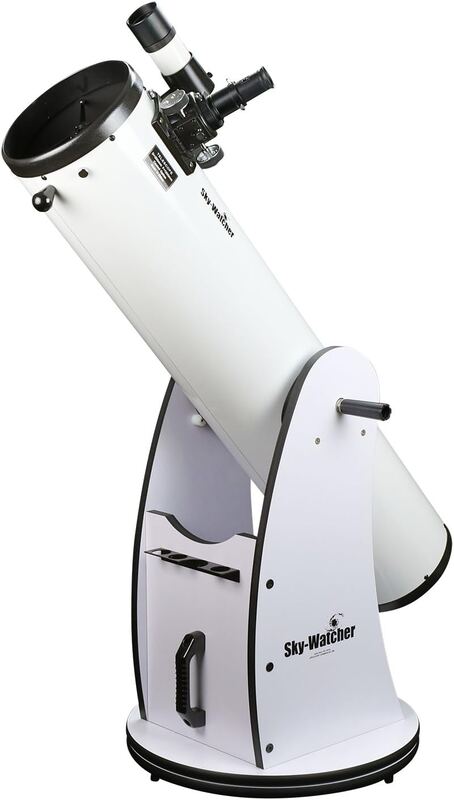
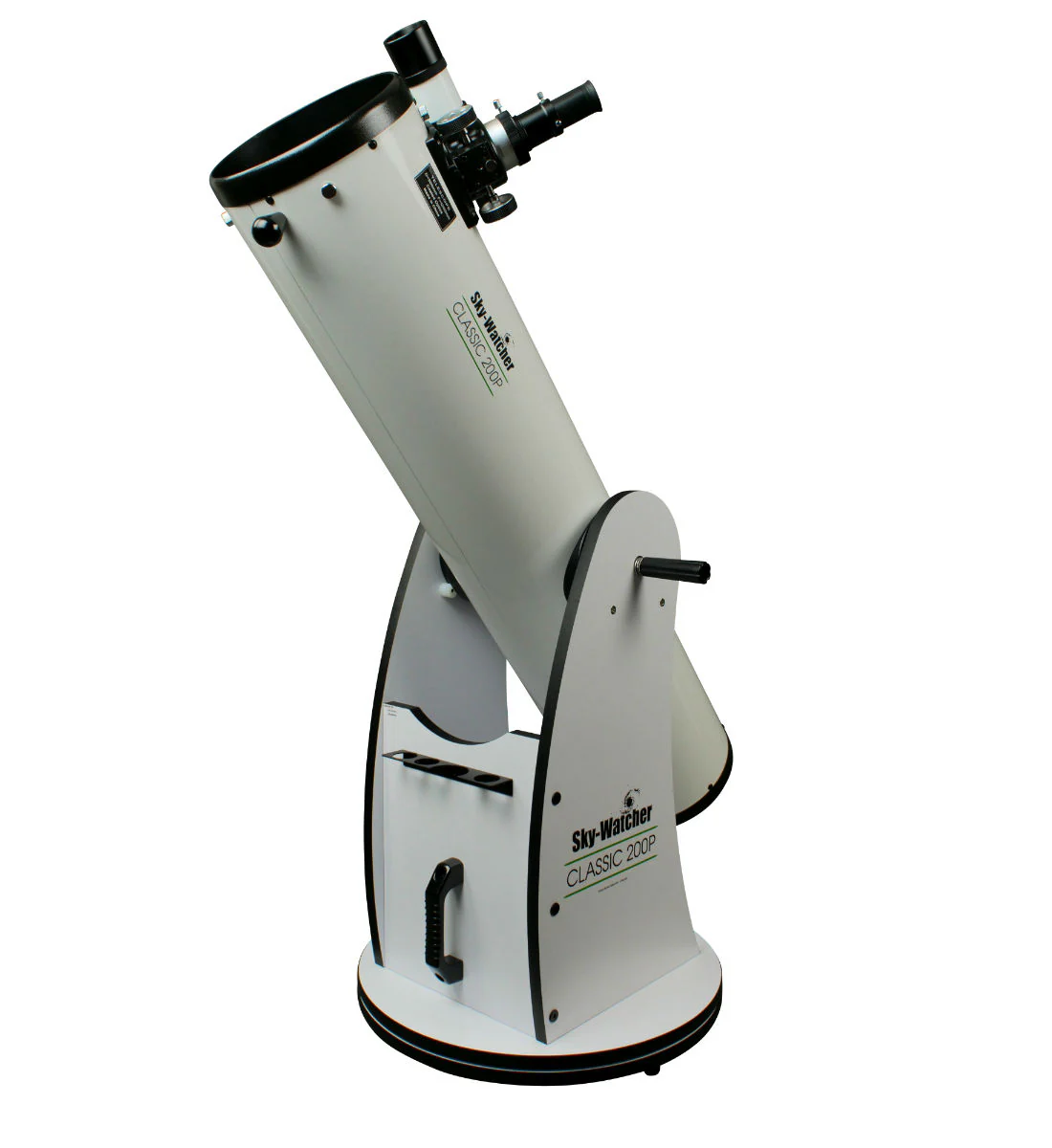
The Sky-Watcher 6" Classic 150P Dobsonian draws praise for its optics, simple operation, and the accessories in the box, which makes it a reasonable first scope for beginners and hobbyists. Reviewer Zane Landers rates its value and capability high for the price while placing it behind newer models like the Apertura AD6 and Sky-Watcher Virtuoso GTi 150P. Views are good straight out of the box, but users complain the finderscope is weak and that heavy eyepieces throw off the balance.
Full review
Optical Performance and Design
Sky-Watcher's Dobsonian telescopes deliver solid optical performance across their range, with the 6-inch Classic 150P and 10-inch Classic 250P models demonstrating particularly strong results. The 6-inch version uses a 6-inch Newtonian optical tube with an f/8 focal ratio and 1200mm focal length, which Zane Landers from TelescopicWatch notes provides excellent performance with budget eyepieces like the included Super eyepieces. The 10-inch model features a 10-inch (250mm) f/4.7 Newtonian with a 1200mm focal length, offering the same tube length as smaller models but with significantly more aperture. However, the fast f/4.7 ratio of the 10-inch model creates challenges with wide-field eyepieces: inexpensive 2-inch eyepieces tend to show coma and astigmatism toward the edge of the field. The 14-inch FlexTube model uses a conical primary mirror design that reduces tube weight and improves cooldown time, though this design also makes it more difficult to maintain collimation compared to solid tubes. TelescopicWatch reviewer Zane Landers found that the 14-inch FlexTube required re-collimation each time the tube was extended or collapsed, while the 10-inch Classic maintained collimation well over extended periods of use.
Build Quality and Mechanical Components
Build quality varies significantly across Sky-Watcher's Dobsonian offerings, with the 10-inch Classic 250P receiving mixed reviews for its mechanical components. The 10-inch model features a single-speed focuser that works well for low and medium magnifications but struggles with precise focusing at high magnifications, which is why many owners eventually swap in an aftermarket focuser. The 14-inch FlexTube model uses a truss/strut tube design that provides portability improvements but suffers from poor collimation retention compared to solid tube designs, as noted by the same reviewer. The 6-inch Classic 150P features a metal rack-and-pinion focuser that performs well for visual use, though the adapter system requires swapping between 1.25-inch and 2-inch extension tubes. The base construction differs significantly between models: the 10-inch Classic uses solid particle board that provides good stability but is heavy and difficult to move, while the 14-inch FlexTube has extremely heavy base portions that remain bulky even when broken down. The 14-inch model's collapsible strut design also prevents easy attachment of shrouds, unlike standard solid tube designs.
Mount and GoTo System Performance
Sky-Watcher's GoTo systems show mixed performance across different models, with the 10-inch Classic 250P and 14-inch FlexTube models demonstrating both strengths and significant limitations. The 10-inch model's GoTo system is described by Cloudy Nights user Arcturus21 as very accurate when properly aligned, requiring consistent star centering and a level base for proper operation. However, the scope lacks adjustable feet or bubble level on the base, making proper alignment difficult without modifications. The 14-inch FlexTube model's GoTo system is praised for its seamless WiFi control and manual aiming capabilities, though the reviewer notes that the telescope is too large and heavy for beginners and requires transport to dark skies for optimal performance. Both models require significant setup time and preparation, with the 10-inch model needing multiple trips to set up in backyard locations. The 14-inch model's base is described as extremely heavy and bulky, making it unsuitable for frequent transport. The 10-inch model's manual is criticized as poorly written by Arcturus21, who noted that first-time users would struggle with basic setup despite online resources being available.
User Experience and Practical Considerations
User experience varies considerably depending on the specific model and intended use case, with several reviewers noting significant limitations in portability and setup. The 6-inch Classic 150P is praised for its ease of use and relatively stable performance, with Zane Landers describing it as a 'grab n' go' scope suitable for hobbyists with larger instruments. However, the 10-inch Classic 250P is described as not being a true grab-and-go scope by Cloudy Nights reviewer Arcturus21, who noted it requires multiple setup trips and is difficult to carry fully assembled. The 14-inch FlexTube model is considered too big for beginners and requires significant transport to dark skies for optimal performance. All models suffer from balance issues, with Arcturus21 reporting that the 10-inch model required counter-weight modifications when using heavy eyepieces or accessories. The 6-inch model's included accessories are noted as sufficient for basic use, though the 10-inch and 14-inch models require additional modifications for optimal performance. The 10-inch model's finder scope bracket is criticized as poor by Arcturus21, who eventually replaced it with an aftermarket bracket and later a RACI finder for better performance. The 14-inch model's included finder scope is described as basic and dim by TelescopicWatch reviewer Zane Landers.
10-inch focuser lacks precision at high power
Sky-Watcher Dobsonians consistently face criticism for several key design flaws that impact usability and long-term satisfaction. The 10-inch Classic 250P's single-speed focuser does not provide precise focus at high magnifications, and often ends up replaced with an aftermarket unit. The 10-inch model's finder scope bracket is described as poorly designed and prone to misalignment, with Arcturus21 eventually replacing it entirely. The 14-inch FlexTube's collapsible strut design prevents easy attachment of shrouds and suffers from poor collimation retention, requiring frequent re-adjustment. The 10-inch model's base construction uses solid particle board that is heavy and difficult to transport, while the 14-inch model's base portions remain extremely bulky even when broken down. All models lack adjustable feet or bubble levels for proper GoTo alignment, making out-of-the-box use difficult without modifications. The 10-inch model's manual is criticized as poorly written, creating difficulties for first-time users. The 14-inch model's base requires significant counter-weighting for proper balance when using heavy accessories. Additionally, the 10-inch model's value proposition is questioned by TelescopicWatch reviewer Zane Landers, who notes that it's now more expensive than competing scopes with better accessory packages, though he acknowledges it remains a good choice if available at a lower cost or if purchased used.
6-inch model needs no extra accessories to start
Sky-Watcher Dobsonians are best suited for experienced amateur astronomers who value aperture over convenience and are willing to invest time in setup and maintenance. The 6-inch Classic 150P is ideal for hobbyists who want a reliable, easy-to-use scope that works well with existing eyepieces and doesn't require additional purchases. The 10-inch Classic 250P appeals to users who want significant aperture for deep-sky viewing but can handle its weight and setup complexity, particularly those with access to dark skies and sufficient space for setup. The 14-inch FlexTube model is best for advanced users who need maximum aperture and can manage its significant weight and transport requirements, though it's not recommended for beginners due to its size and complexity. Users should consider their specific needs for portability, setup time, and budget constraints. The 10-inch model works best for those who can't find better value elsewhere or who need a reliable 10-inch Dobsonian at a reasonable price point. The 6-inch model is recommended for those seeking a solid entry-level Dobsonian that provides good performance without requiring significant investment in accessories. The 14-inch model is only recommended for experienced users who have access to dark skies and can handle its significant transport and setup requirements.
Apertura AD10 outrates the 250P, 4.9 to 4.4
Sky-Watcher Dobsonians face stiff competition from models like the Apertura AD6, AD10, and Virtuoso GTi 150P, which offer better value and performance. The 6-inch Classic 150P is now ranked below the Apertura AD6 and Sky-Watcher Virtuoso GTi 150P in terms of overall value by TelescopicWatch reviewer Zane Landers, though it still maintains strong optical performance. The 10-inch Classic 250P is outperformed by the Apertura AD10 Dobsonian, which receives a 4.9/5 rating compared to the 4.4/5 for the Sky-Watcher model. The 14-inch FlexTube GoTo is compared against the Explore Scientific 16-inch Truss Tube Dobsonian and New Moon 12.5-inch Hardwood Telescope, with the former receiving a 4.8/5 rating and the latter a 4.7/5. All three Sky-Watcher models are positioned as mid-range options that offer good performance but lack the accessories and value of competing products. The 10-inch model's value is questioned due to its higher price point compared to alternatives with better accessory packages, though it remains a solid choice if available at a reasonable cost or if purchased used. The 6-inch model's value proposition is strengthened by its good optics and included accessories, though newer competitors now offer better overall value.
14-inch model priced above 16-inch alternatives
Sky-Watcher Dobsonians offer mixed value propositions depending on the specific model and current market conditions, with pricing having increased significantly in recent years. The 6-inch Classic 150P is positioned as a good value for its price range but is now ranked below competitors like the Apertura AD6 and Sky-Watcher Virtuoso GTi 150P. The 10-inch Classic 250P's value is questioned by TelescopicWatch reviewer Zane Landers, who notes that it's now more expensive than competing scopes with better accessory packages, though he recommends it if available at a lower cost or if purchased used. The 14-inch FlexTube GoTo is positioned as a premium option with significant aperture but at a high price point that makes it difficult to justify over cheaper 12-inch or more capable 16-inch alternatives. All models require additional accessories for optimal performance, with the 10-inch model needing counter-weighting modifications and the 14-inch model requiring adjustable feet for proper GoTo alignment. The 6-inch model's included accessories are sufficient for basic use, but the 10-inch and 14-inch models require significant additional investment for proper setup. The 10-inch model's manual is criticized as poorly written, creating additional costs for users who need to purchase additional resources for setup. The 14-inch model's base construction is described as extremely heavy and bulky, making it unsuitable for frequent transport and adding to overall costs.
Strengths
- +Great optics with 6-inch aperture
- +Very easy to use and set up
- +Includes useful accessories like 25mm and 10mm Super eyepieces
- +Decent aperture for the price point
- +Relatively stable for a Dobsonian telescope
Watch-outs
- −Annoying tensioning handles
- −Mediocre finderscope with small aperture
- −Balance issues with heavy eyepieces
How it compares
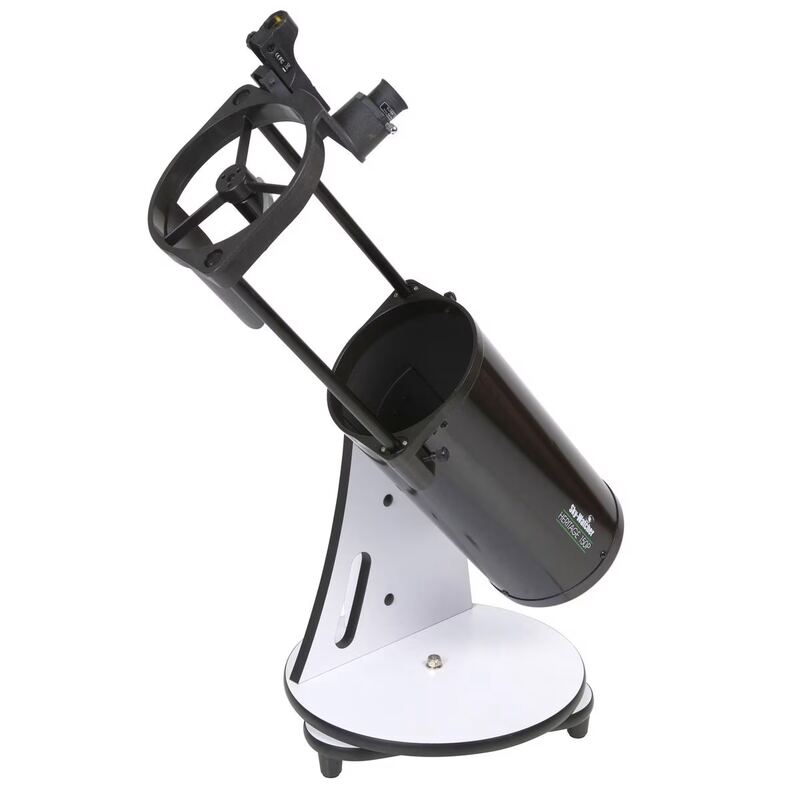
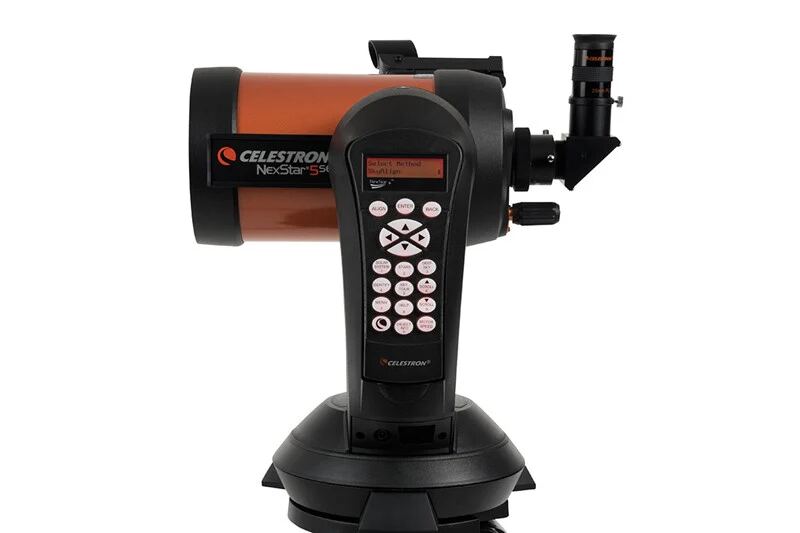
The Sky-Watcher Dobsonian telescopes provide better optics and aperture than the Celestron NexStar 5SE, but they're less automated than the ZWO Seestar S50. Compared to the Sky-Watcher Heritage 150P, it offers a larger aperture and better accessories, though it suffers from balance issues with heavy eyepieces that the Heritage model avoids.
Rating sources
Our 4.4 score is the average of these published ratings. More about methodology.