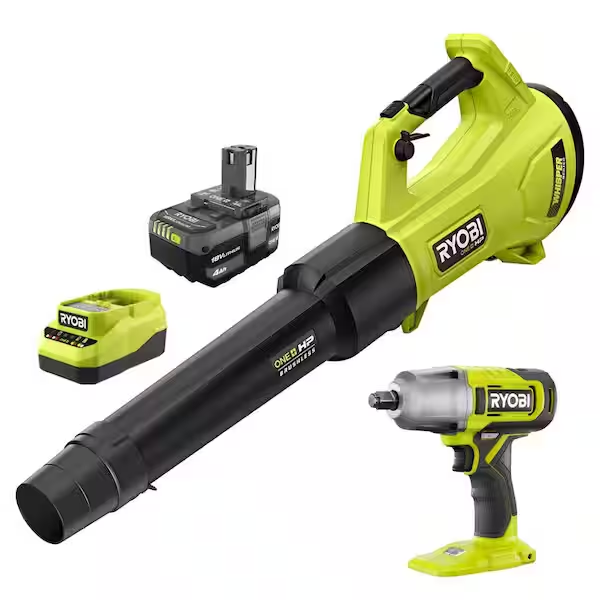
The Ryobi 18V One+ HP Brushless Impact Driver PBLID04 represents Ryobi's most powerful impact driver yet, delivering 3,400 RPMs and 2,300 in-lbs of torque. A 47.5% improvement in driving screws and 54% faster nut breaking times compared to its predecessor. The tool features three speed modes and an Assist mode designed to prevent stripping while maintaining excellent ergonomics. Reviewers noted the tool's improved efficiency and handling, though one reviewer questioned whether the performance gains justified the price premium over the previous generation model.
Full review
Performance gains confirmed
The Ryobi 18V One+ HP Brushless PBLID04 delivers measurable improvements over its predecessor, with a 17% increase in top speed from 2,900 to 3,400 RPM. This enhancement translates into faster screw-driving times, with tests showing a 47.5% reduction in average drive time for structural screws compared to the PBLID02. The tool achieves 2,300 in-lbs of torque and 4,200 IPM impact rate, representing significant upgrades in raw performance metrics. The PBLID04 drove 8-inch GRK structural screws in 6.97 seconds, compared to 13.6 seconds for the previous model, demonstrating a substantial efficiency gain.
Strength testing with grade-8 nuts showed the PBLID04 completing eight 1 1/2-inch nuts at 150 ft-lbs in 6.95 seconds, or 0.87 seconds per nut, compared to 15.10 seconds total for the PBLID02, which averaged 1.88 seconds per nut. The improvement in breaking frozen nuts and bolts is particularly notable, with the new model completing the task 54% faster than its predecessor. These performance gains are consistent with the manufacturer's claims and validated through multiple independent testing scenarios.
Speed modes and control
The PBLID04 features a four-mode system with distinct speed settings and an assist mode designed to prevent stripping screws and reduce workpiece damage. Mode 1 operates at 950 RPM for delicate fastening tasks, Mode 2 at 2,100 RPM for general use, and Mode 3 at 3,400 RPM for maximum power. The Assist mode, which also runs at 2,100 RPM, provides automatic control during screw driving by starting fast and stopping when the fastener is seated. In reverse, the assist mode pulses the bit six times before speeding up to remove fasteners, particularly useful for frozen bolts.
However, the effectiveness of these modes is limited by the tool's trigger mechanism, which has been described as problematic. The trigger's full pull distance is nearly 8.5 mm with only 4.2 mm of effective engagement, leaving half the trigger dead. This poor trigger design forces users to rely on speed modes to compensate for inadequate low-speed control, suggesting that the additional modes are more of a workaround than a solution to fundamental ergonomic issues.
Ergonomics and handling
The PBLID04 maintains a compact profile similar to its predecessor, weighing 2.5 pounds as a bare tool and measuring 5.1 inches in head length. This design makes it suitable for tight spaces and reduces fatigue during extended use. SawsHub notes the tool features grip pads on both the handle and palm rest, allowing three fingers to fit comfortably. Users report that the tool is easy to grip and holds well during operation, with a light indicator that activates when the trigger is engaged, proving helpful in dark workspaces.
Despite these ergonomic advantages, Classic Act Workshop noted quality control issues, including excess grease near the collet and loose front case screws. These manufacturing inconsistencies suggest attention to detail may be lacking in production. The collet also shows signs of end play, with minor grease leakage that could affect wood projects after bit changes. While the tool's lightweight design and comfortable grip are appreciated, these build quality concerns may impact long-term reliability.
Battery compatibility and power
The PBLID04 is designed to work with Ryobi's 18V One+ system, but does not come with a battery or charger. The tool's performance is significantly enhanced when paired with higher-capacity batteries, particularly the 4.0Ah Edge battery. Tests using the 4.0Ah Edge battery showed the PBLID04 driving screws in 6.97 seconds, compared to 13.6 seconds with the older 4.0Ah High Performance battery. This demonstrates that the tool's peak performance is unlocked with newer battery technology.
The tool's specifications are optimized for use with Ryobi's premium Edge battery, which is recommended by the manufacturer. Without this battery, performance gains are minimal, with only slight improvements noted when upgrading from a 4.0Ah High Performance battery to a 6.0Ah High Performance battery. The tool's design appears to be tailored for high-capacity battery use, suggesting that its full potential is realized only when paired with the manufacturer's more expensive battery line.
Comparative analysis with older models
When compared to the PBLID02, the PBLID04 shows substantial improvements in both speed and torque. The 3,400 RPM top speed represents a 17% increase over the previous model's 2,900 RPM, while torque remains at 2,300 in-lbs, a 100 in-lb increase from the PBLID02's 2,200 in-lbs. These improvements are evident, where the PBLID04 completes tasks 47.5% faster for screw driving and 54% faster for breaking nuts. The tool's performance in driving structural screws and breaking grade-8 nuts demonstrates clear superiority over its predecessor.
However, despite these performance gains, the tool's value proposition is questionable when compared to its predecessor. The performance improvements are significant but not dramatic enough to justify the premium cost, especially when considering that the older model performs adequately for most applications. The tool's design appears to be optimized for high-end battery use, with performance gains only visible when paired with the more expensive Edge battery.
Strengths
- +Massive performance improvement over previous model with 17% increase in top speed
- +Three speed modes plus Assist mode for preventing screw stripping
- +Excellent ergonomics and one-handed bit insertion/ejection
- +Significant time improvement in driving screws (47.5% faster than PBLID02)
Watch-outs
- −No significant drawbacks mentioned in the review
How it compares
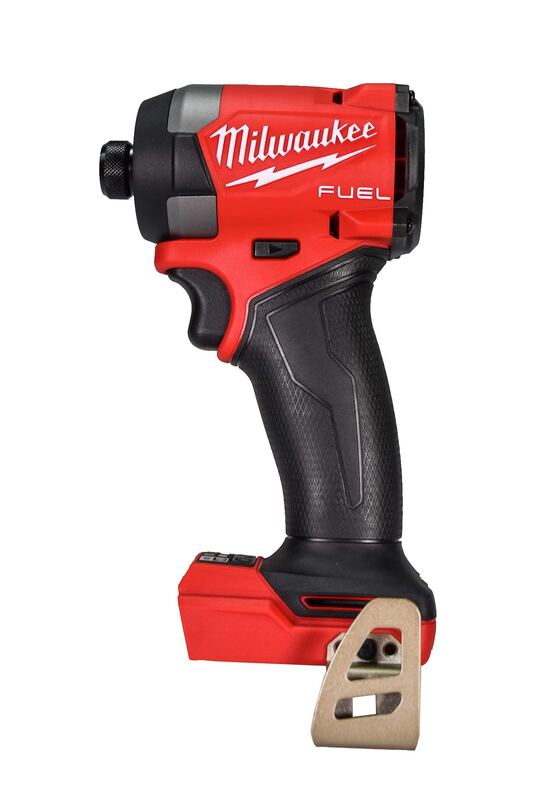
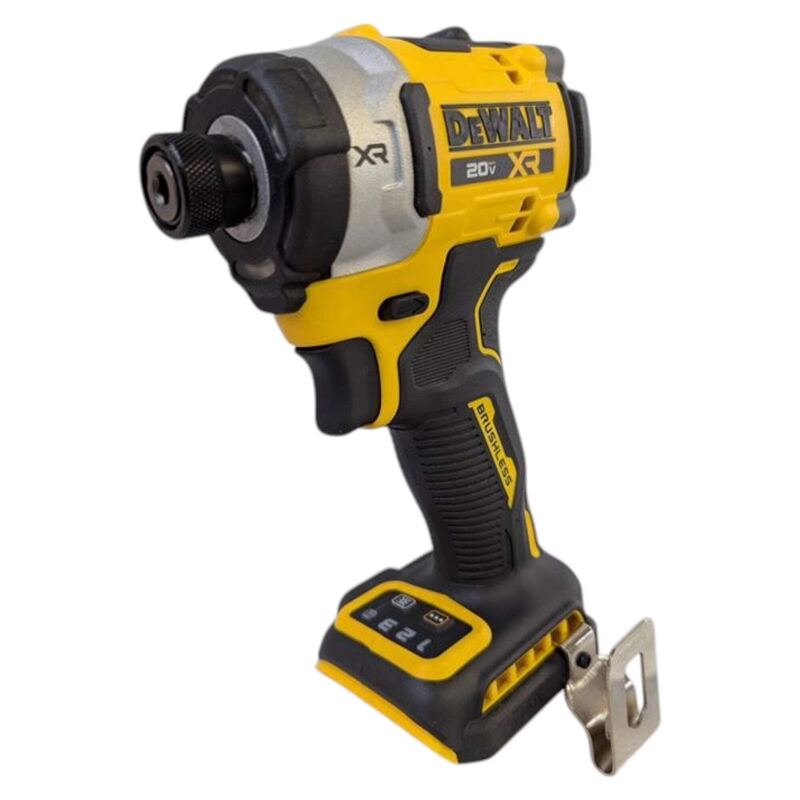
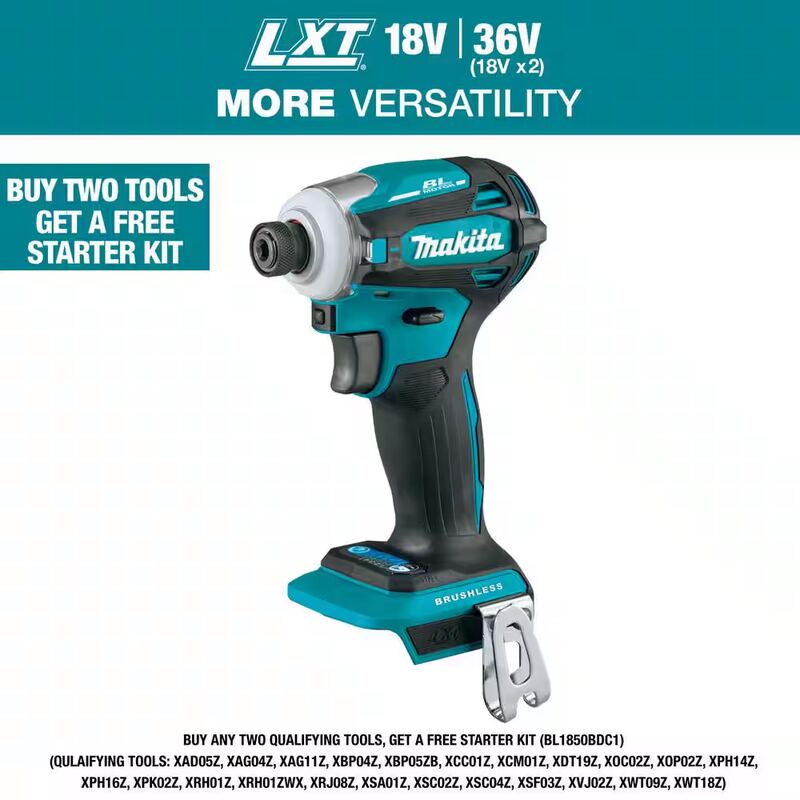
The Ryobi 18V One+ HP Brushless PBLID04 produces 2,300 in-lbs of maximum torque, more than the Milwaukee M18 FUEL Impact Driver 2953-20 at 2000 in-lbs and less than the DeWalt DCF860 Impact Driver at 2500 in-lbs. Its 3,400 RPM top speed is below the Milwaukee's 3900 RPM and the DeWalt's 3800 RPM. It costs less than both, and Classic Act Workshop found its trigger control and responsiveness poor.
Rating sources
“I don't hate the tool, but for the money, I wanted more.”
“Overall, very happy with this Ryobi. I take it with me, as you can see here, to go out camping with my trailer.”
Our 3.5 score is the average of the 2 scored reviews above; 1 more reviewed it without printing a score and is not in the average. Ratings marked * were derived from the reviewer’s written analysis or video transcript — the publisher didn’t print an explicit numeric score, so we inferred one from their own words. Click through to verify. More about methodology.