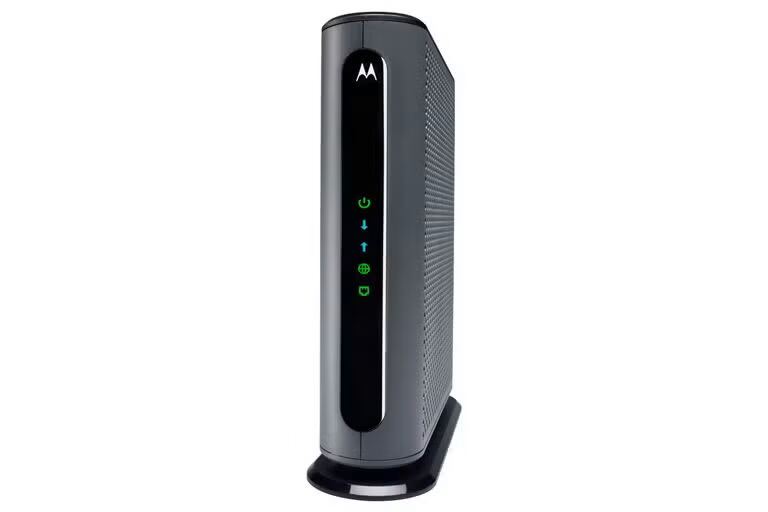
The Motorola MB8611 is a DOCSIS 3.1 modem with a 2.5Gbps Ethernet port and support for up to 32 downstream and 8 upstream channels. Tech Reviews called it a great modem, pointing to its backward compatibility and AQM for low-latency performance. Firmware is the weak spot: users have reported stability problems, particularly on version 21.3.7, and one switched to an Arris S34 after prolonged trouble. It's approved for Comcast Xfinity, Cox, and Spectrum. Choose it for fast internet, not if you need voice capabilities or can't tolerate firmware instability.
Full review
Over 900Mb/s, but unstable on Comcast's network
PC Varge's review highlighted that the modem supports fast DOCSIS 3.1 speeds and is backward compatible with DOCSIS 3.0, making it suitable for users with various ISP packages. However, real-world performance has been inconsistent, particularly with Comcast's network. Users reported that while the modem can achieve over 900Mb/s download speeds, the stability issues often prevent users from realizing these speeds consistently. The device's 2.5Gbps Ethernet port and support for link aggregation and Active Queue Management (AQM) are features that professional reviewers noted as beneficial for low-latency connections, but these advantages are negated when the modem experiences frequent reboots or disconnections.
While the MB8611 can handle high-speed connections, the firmware issues have plagued many users, particularly those on Comcast's network. The modem's ability to support DOCSIS 3.1's higher speeds is undermined by the reliability problems that have been reported by numerous users. Users have noted that the modem's performance drops significantly when firmware updates are pushed, especially in Comcast's network environment. The device's DOCSIS 3.1 capabilities are impressive in theory, but the practical implementation has been marred by firmware-related issues that cause frequent disconnections and reboots, making it difficult to maintain stable, high-speed connections.
Solid casing doesn't stop firmware-triggered instability
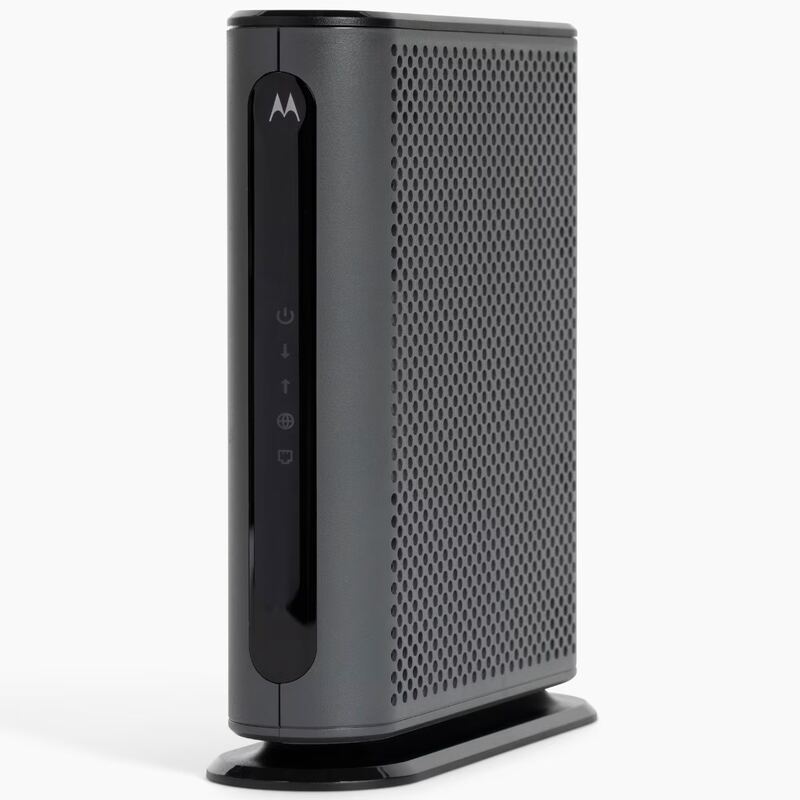
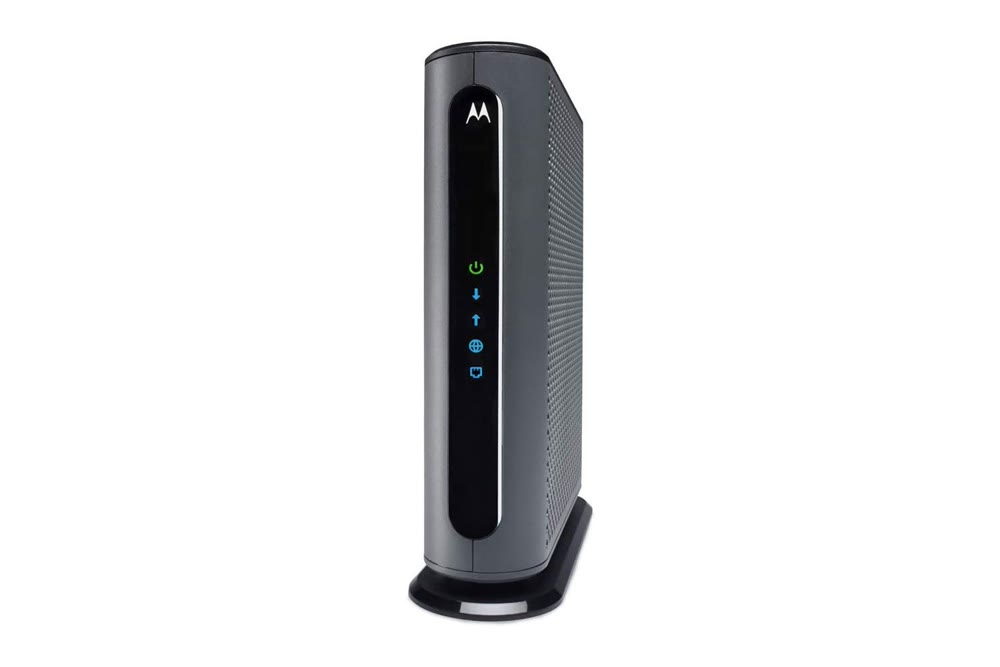
The device is compact and designed to be placed in a typical home networking setup, with a power button and status lights that indicate connection status. The build quality appears to be solid, with a sturdy plastic casing and well-placed ports. However, the device's design doesn't prevent the hardware issues that have been reported, particularly with firmware updates. Users have noted that the device's internal components may be prone to overheating or instability when subjected to firmware changes, which has led to frequent reboots and disconnections.
Motorola's design philosophy for the MB8611 includes a 2.5Gbps Ethernet port and support for link aggregation and AQM, which are features that professional reviewers have praised for their contribution to low-latency connections. However, the device's design has not prevented the firmware-related issues that have plagued many users. The modem's internal components, while well-designed, seem to be susceptible to instability when firmware updates are applied, particularly in Comcast's network environment. The device's status lights and power button are functional, but the frequent reboots and disconnections have made it difficult for users to rely on the device's physical design for consistent performance.
AQM support helps gaming and streaming latency
Professional reviewers have consistently praised the MB8611 for its DOCSIS 3.1 support, 2.5Gbps Ethernet port, and backward compatibility with DOCSIS 3.0. PC Varge's review highlighted that the modem is a great DOCSIS 3.1 modem that's backward compatible with DOCSIS 3.0 and packs lots of extras including AQM for a stable, low-latency connection. The device's ability to support higher speeds and its support for link aggregation and AQM are features that reviewers noted as beneficial for users who need low-latency connections. Additionally, the modem's support for various ISPs including Xfinity, Cox, and Spectrum has been noted as a significant advantage, with the device being approved for use with these providers. The modem's 2.5Gbps Ethernet port and support for multiple channels are features that have been highlighted as particularly valuable for users with high-speed internet plans.
The modem's ability to support DOCSIS 3.1's higher speeds and its compatibility with various ISPs have been praised by reviewers. The device's support for link aggregation and AQM, which helps reduce latency, has been noted as a significant advantage for users who engage in online gaming or streaming. The modem's 2.5Gbps Ethernet port and support for multiple channels are features that reviewers have highlighted as particularly valuable for users with high-speed internet plans. Additionally, the device's backward compatibility with DOCSIS 3.0 ensures that users with older ISP packages can still benefit from its features. The modem's ability to support various ISPs including Xfinity, Cox, and Spectrum has been noted as a significant advantage, with the device being approved for use with these providers.
Reboots multiple times an hour after firmware updates
The primary issue with the MB8611 is its frequent disconnections and reboots, particularly when firmware updates are pushed by ISPs like Comcast. Users have reported that the modem's stability deteriorates significantly after firmware updates, leading to T3 timeouts and connection drops. The device's reliability has been questioned by multiple users, with some reporting that it reboots multiple times per hour, making it unusable for daily internet activities. The device's inability to maintain a stable connection has made it unsuitable for users who rely on consistent internet access for work or entertainment.
The MB8611's firmware issues have been a major point of contention among users, with many reporting that the device becomes unreliable after firmware updates. The modem's performance has been described as 'unreliable' by users who have experienced frequent disconnections, T3 timeouts, and reboots. The device's inability to maintain a stable connection has led to users having to replace it with other modems, such as the Arris S33, which has performed significantly better. Additionally, the device's support for voice capabilities has been noted as a missing feature, which may be a dealbreaker for users who require voice services. The device's support for various ISPs is a positive feature, but the firmware-related issues have overshadowed this advantage.
Only reliable where firmware updates stay stable
The MB8611 is best suited for users who have stable internet connections and are not dependent on frequent firmware updates or ISP network changes. Users who have a stable connection and are not experiencing frequent disconnections or reboots may find the device's DOCSIS 3.1 capabilities and 2.5Gbps Ethernet port beneficial. The modem's support for various ISPs including Xfinity, Cox, and Spectrum makes it a viable option for users with these providers. However, users who are experiencing frequent disconnections or reboots, particularly on Comcast's network, should look for alternatives. The device's backward compatibility with DOCSIS 3.0 ensures that users with older ISP packages can still benefit from its features, but the firmware-related issues have made it unsuitable for many users.
Users who are looking for a high-speed internet connection and are not dependent on frequent firmware updates or ISP network changes may find the MB8611 suitable. The device's DOCSIS 3.1 support and 2.5Gbps Ethernet port are features that can benefit users with high-speed internet plans. However, users who are experiencing frequent disconnections or reboots, particularly on Comcast's network, should consider alternatives. The device's support for various ISPs including Xfinity, Cox, and Spectrum makes it a viable option for users with these providers, but the firmware-related issues have made it unsuitable for many users. Users who are not experiencing frequent disconnections or reboots may find the device's features beneficial, but those who are experiencing these issues should look for alternatives.
Arris S33 owners report zero disconnections by comparison
When compared to alternatives like the Arris S33, the MB8611 falls short due to its firmware-related issues and frequent reboots. Users who have replaced the MB8611 with the Arris S33 have reported that the latter performs flawlessly, with no disconnections or reboots. The Arris S33's reliability and stability have been noted as significant advantages over the MB8611. Additionally, the Arris S33 supports link aggregation and AQM, which are features that the MB8611 also supports, but the Arris S33's reliability makes it a better choice for users who need consistent internet access. The Arris S33's ability to maintain a stable connection has made it a preferred choice for users who have experienced issues with the MB8611.
The MB8611's performance is significantly hampered by firmware issues that have led to frequent reboots and disconnections, making it less reliable than alternatives like the Arris S33.
Reliability issues undercut its price justification
However, the device's frequent reboots and disconnections, particularly after firmware updates, significantly reduce its value proposition. Users who have experienced issues with the MB8611 have had to replace it with alternatives like the Arris S33, which costs around $199.00, and have reported better performance. The device's ability to support higher speeds and its compatibility with various ISPs are features that justify its price, but the firmware-related issues have made it a poor value for money. The device's reliability issues have led to users questioning whether the premium price is justified by its performance.
Strengths
- +2.5Gbps Ethernet port for high-speed wired connections
- +Fast DOCSIS 3.1 speeds with support for 32 downstream and 8 upstream channels
- +Backward compatible with DOCSIS 3.0
- +Includes AQM (Active Queue Management) for stable, low-latency connection
Watch-outs
- −No voice capabilities
- −Has firmware issues reported by some users (specifically 21.3.7 firmware causing instability)
How it compares
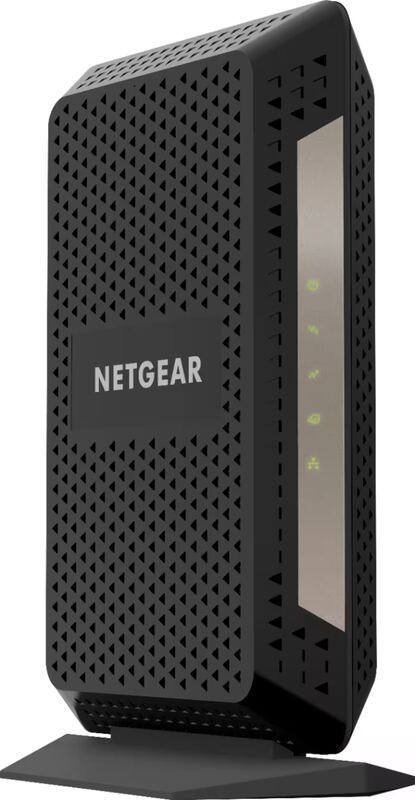
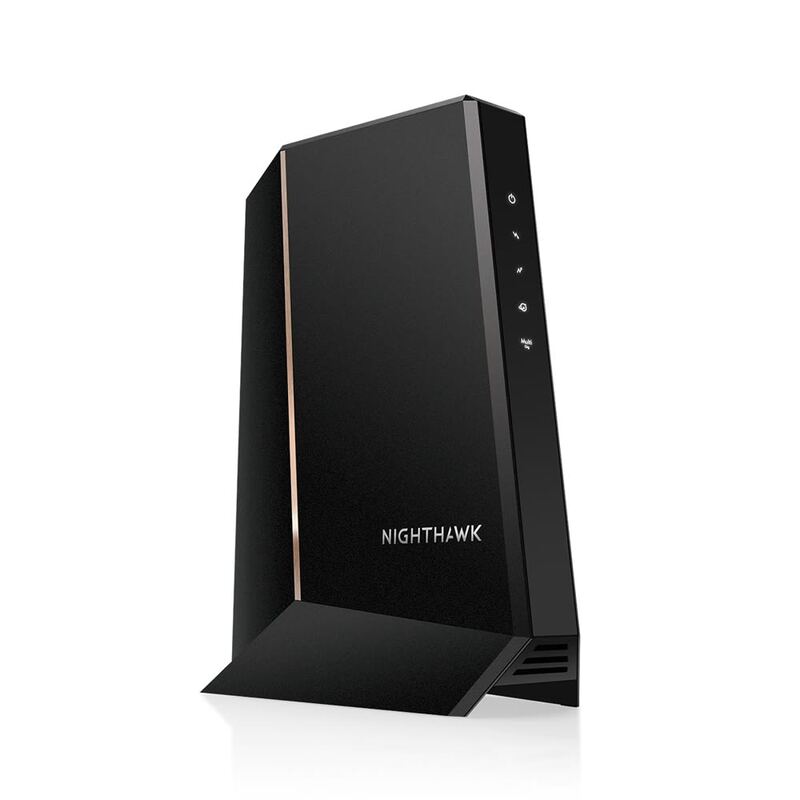
The Motorola MB8611 has a 2.5Gbps Ethernet port, as does the NETGEAR Nighthawk CM2000, where the Netgear CM1000 and Motorola MB8600 list 1Gbps LAN ports. It costs more than the CM1000 and the MB8600. Its 21.3.7 firmware has been reported to cause instability, and it has no voice capabilities.
Rating sources
Our 4.2 score is the average of these published ratings. Ratings marked * were derived from the reviewer’s written analysis or video transcript — the publisher didn’t print an explicit numeric score, so we inferred one from their own words. Click through to verify. More about methodology.