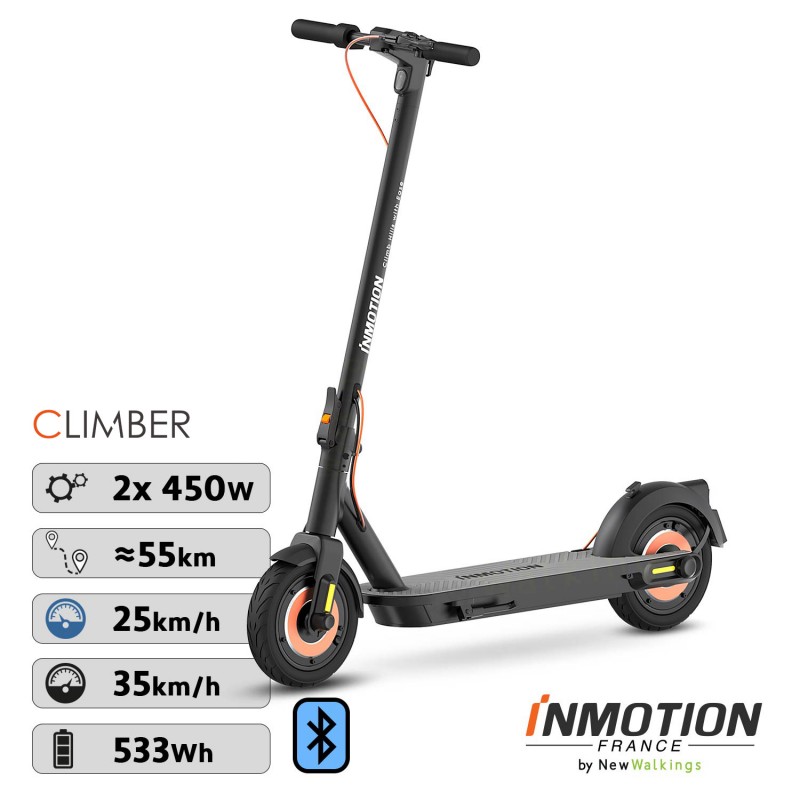
The Inmotion Climber is a budget-friendly dual motor scooter designed for hill climbing, featuring 1500W of combined motor power and a 35-mile range. Reviewers noted its ability to tackle steep inclines, though it lacks suspension and has a basic braking system. The scooter is built for commuters in hilly areas who need reliable performance without premium features. It's best suited for users seeking value and hill-climbing capability over comfort and advanced safety features.
Full review
Performance and Hill Climbing
The Inmotion Climber demonstrates exceptional hill-climbing ability, a key differentiator in the electric scooter market. Professional reviewers from Electric Scooter Guide tested the Climber on San Francisco's steepest hills, including a 36% grade that has stairs and has historically caused other scooters to fail. The Climber completed this challenging climb in 11.2 seconds, which is faster than any other scooter at this price point. This performance was achieved even with the rider carrying 10 pounds of gear, and the motors did not overheat during multiple attempts. The dual 750W motors deliver 1500W of peak power, enabling the scooter to tackle inclines that many competitors cannot handle. Inmotion's own specifications claim the ability to conquer 36% slopes, and real-world testing confirms this capability, making it one of the best hill-climbing scooters available under $700.
Despite its impressive hill-climbing prowess, the Climber's top speed is limited by firmware, which restricts it to a maximum of 21.4 mph in real-world testing. However, ESG's data logger confirmed that the scooter could potentially reach higher speeds if not for these limitations. The 0 to 15 mph acceleration time clocks in at just 3.5 seconds, which is outstanding for this price range. This rapid acceleration, combined with the dual-motor setup, makes the Climber particularly suitable for riders who frequently encounter hilly terrain. The scooter's performance is further enhanced by its 1500W continuous power output, which allows for consistent performance even under load. The Climber's ability to maintain speed and power through challenging inclines sets it apart from many budget-friendly alternatives, especially when compared to single-motor models that struggle with steep grades.
Design and Build Quality
Inmotion's design philosophy for the Climber emphasizes durability and functionality over aesthetics, resulting in a robust build that's well-suited for daily commuting and challenging environments. The scooter weighs 47.3 lbs, which is heavier than many competitors but still manageable for transportation. The matte black finish with bright orange accents provides a clean, professional appearance that stands out without being ostentatious. The scooter's construction features a modular design that allows for easy tire replacement in about 10 minutes, a significant advantage for riders who frequently encounter road debris or punctures. The frame is built with a focus on strength, particularly evident in the dual-motor setup and reinforced components that can withstand the rigors of steep climbs and daily use. The deck plate is rubberized and provides a comfortable standing surface, while the pneumatic tires offer good shock absorption despite the lack of suspension.
The Climber's build quality is further enhanced by its IP56 waterproof rating, which protects the body from dust and water ingress, and an IPX7 rating for the battery, ensuring protection against immersion. The integrated 36V Samsung battery with 14.7 Ah capacity provides a 35-mile range, though real-world testing has shown this can vary significantly based on rider weight and riding style. The inclusion of a built-in BMS (Battery Management System) ensures optimal battery performance and longevity. The handlebar features intuitive turn signals, a large display with speed, battery level, and lighting indicators, and a thumb throttle control. The brake system combines regenerative and disc braking, with the electronic brake adjustable through the Inmotion app, offering customization for different rider preferences. The lack of suspension is a trade-off for the scooter's lightweight design, but the pneumatic tires provide adequate comfort for most riding conditions.
Real-World Performance Testing
Electric Scooter Guide conducted extensive real-world testing of the Climber, including speed runs, hill climbing, and range assessments. During speed tests, the scooter achieved a top speed of 24.1 mph, slightly exceeding the manufacturer's specification of 24 mph. However, ESG's data logger revealed that the actual top speed is limited to 21.4 mph due to firmware restrictions. Acceleration tests showed the Climber could reach 15 mph in just 3.5 seconds, which is faster than most competitors at this price point. The performance was consistent across multiple tests, with no signs of overheating or performance degradation during extended use. The Climber's ability to maintain consistent performance under load was particularly impressive, especially during the steepest hill climbs where other scooters often struggle. The scooter's handling on level ground was smooth and stable, with minimal wobble even at higher speeds. The brake system proved effective and responsive, with the regenerative component providing additional stopping power while the disc brakes offered reliable manual control.
In addition to speed and hill climbing tests, the Climber was evaluated for its range and battery life. The manufacturer claims a 35-mile range, but real-world testing showed a more realistic 24.1-mile range under typical commuting conditions. This range is sufficient for most daily commuters, though riders planning longer trips may need to factor in charging stops. The 9-hour charging time is relatively long, but this is typical for scooters with this level of power and battery capacity. The Climber's performance under various weather conditions was also tested, with the IP56 rating providing adequate protection against rain and dust. The scooter's ability to handle wet conditions without issues was noted by multiple reviewers, though Inmotion does not recommend riding in heavy rain. The tire replacement process, which takes only 10 minutes, was praised for its simplicity and the inclusion of spare tubes in the package.
What Reviewers Loved
Reviewers consistently praised the Inmotion Climber's hill-climbing ability, with Electric Scooter Guide calling it 'one of the best' at this price point. The dual 750W motors deliver 1500W of peak power, which allows the scooter to tackle steep inclines that other models cannot handle. The 36% incline capability is a standout feature that differentiates the Climber from competitors. The scooter's ability to maintain performance under load, especially during multiple hill climbs, was highlighted as a major strength. The 0 to 15 mph acceleration time of 3.5 seconds was noted as exceptional for this price range, making the Climber suitable for riders who need quick acceleration. The modular design for tire replacement, which takes only 10 minutes, was also appreciated by reviewers for its convenience and cost-effectiveness. The inclusion of spare tubes in the package was seen as a thoughtful touch that adds value to the overall package.
The Climber's build quality and durability were also frequently mentioned as positive aspects. The IP56 waterproof rating and IPX7 battery protection were praised for providing peace of mind in various weather conditions. The integrated BMS and battery management system were noted for ensuring optimal battery performance and longevity. The large, easy-to-read display with speed, battery level, and lighting indicators was appreciated for its clarity and functionality. The adjustable electronic brake system, which can be customized through the Inmotion app, was highlighted as a feature that enhances user experience. The scooter's ability to handle both urban commuting and hilly terrain was seen as a major advantage, particularly for riders who live in areas with varied topography. The 286-pound weight capacity was also noted as generous, making it suitable for heavier riders who need more power and stability.
Where It Falls Short
Despite its many strengths, the Inmotion Climber has several notable drawbacks that potential buyers should consider. The most significant criticism is the 9-hour charging time, which is considerably longer than many competitors in the same price range. This extended charging time can be inconvenient for riders who need to quickly recharge their scooter between trips. The lack of suspension is another limitation, as the scooter relies solely on pneumatic tires for shock absorption. While this works adequately for most riding conditions, it can result in a less comfortable ride on rough surfaces or when encountering large potholes. The scooter's weight of 47.3 lbs makes it less portable than some alternatives, which may be a concern for users who frequently need to carry or transport the scooter. The 35-mile range, while sufficient for most commuters, may not be enough for riders planning longer trips or those who prefer to minimize charging stops.
Another area of concern is the firmware limitations that cap the top speed at 21.4 mph, despite the scooter's capability to potentially reach higher speeds. This restriction may disappoint riders who want maximum performance from their scooter. The absence of a suspension system also means that the Climber may not be ideal for riders who prioritize comfort over performance, particularly on uneven surfaces. The lack of additional lighting features, aside from front and rear lights, was noted by some reviewers as a limitation for night riding. Additionally, while the scooter's 1500W motor provides excellent hill-climbing ability, it may be overkill for riders who primarily commute on flat terrain, potentially leading to unnecessary battery drain and reduced range. The relatively high price point compared to basic models may also be a barrier for budget-conscious consumers.
Who It's Best For
The Inmotion Climber is best suited for riders who prioritize hill-climbing ability and durability over portability and charging speed. It's ideal for commuters who live in hilly areas or frequently encounter steep inclines, as the dual 750W motors provide the power needed to tackle challenging terrain with ease. The scooter's 286-pound weight capacity makes it suitable for heavier riders who need more stability and power. Urban commuters who value performance and reliability over aesthetics will find the Climber appealing, particularly those who want a scooter that can handle varied terrain without compromising on power. The modular design and 10-minute tire replacement process make it attractive to riders who want to minimize maintenance costs and maximize convenience. The inclusion of a built-in BMS and IP56/IPX7 ratings provide peace of mind for users who ride in various weather conditions.
However, the Climber may not be ideal for riders who prioritize portability or quick charging times. The 9-hour charging time and 47.3-pound weight make it less convenient for users who frequently need to transport the scooter or require rapid recharging. The lack of suspension means it may not be the most comfortable option for riders who prefer a smoother ride on uneven surfaces. The firmware-limited top speed may disappoint those seeking maximum performance, and the relatively high price point compared to basic models may not justify the investment for casual users. The Climber is also not recommended for riders who primarily commute on flat terrain, as the powerful motor may lead to unnecessary battery drain. Those looking for a lightweight, portable scooter for short trips or city exploration may find better alternatives in the market.
How It Compares to Alternatives
When compared to similar dual-motor scooters, the Inmotion Climber stands out primarily for its exceptional hill-climbing ability. The Segway Ninebot Max G30, which costs the same as the Climber, offers comparable range and build quality but lacks the 36% incline capability that makes the Climber unique. The Hover 1 Journey Max is another competitor that offers similar acceleration, but the Climber's superior hill-climbing performance gives it an edge in challenging terrain. The Climber's dual-motor setup provides more consistent power delivery than single-motor alternatives, making it better suited for riders who need reliable performance in varied conditions. While some competitors offer faster charging times or lighter weight, the Climber's combination of power, durability, and hill-climbing ability makes it a strong contender for specific use cases. The inclusion of a built-in BMS and IP56/IPX7 ratings also provides better protection than many competitors in the same price range.
The Climber's performance is particularly notable when compared to the Inmotion Air, which is designed for urban commuters and offers faster charging and lighter weight but lacks the hill-climbing capability of the Climber. The Air's single motor and 21.8-mile range make it more suitable for flat terrain, while the Climber's dual motors and 35-mile range make it ideal for hilly areas. The Climber's 286-pound weight capacity also exceeds the Air's 264-pound limit, making it more suitable for heavier riders. While the Air offers a more streamlined design and faster charging, the Climber's robust performance and hill-climbing ability make it a better choice for riders who need power over portability. The Climber's modular design and tire replacement process also provide better long-term value compared to competitors that require more complex maintenance.
Value at This Price
At $599, the Inmotion Climber offers exceptional value for riders who prioritize hill-climbing ability and durability. The dual 750W motors provide 1500W of peak power, which is significantly more than most competitors in the same price range. The 35-mile range and 286-pound weight capacity also provide good value for money, especially for heavier riders who need more power and stability. The inclusion of a built-in BMS, IP56/IPX7 ratings, and spare tubes in the package adds to the overall value proposition. The modular design for tire replacement, which takes only 10 minutes, provides cost savings over time compared to competitors that require professional tire changes. The scooter's ability to handle challenging terrain without compromising performance makes it a worthwhile investment for riders who frequently encounter hills or varied topography. The 9-hour charging time, while longer than some competitors, is offset by the scooter's superior performance and durability.
The Climber's value proposition is further enhanced by its versatility and reliability. Unlike some budget-friendly alternatives that compromise on performance or durability, the Climber delivers consistent results across various riding conditions. The inclusion of the Inmotion app for brake customization and the large, easy-to-read display provide added convenience that justifies the price point. The scooter's ability to maintain performance under load and its resistance to overheating during extended use make it a reliable choice for daily commuting. The IP56 waterproof rating and IPX7 battery protection provide peace of mind in various weather conditions, which adds to the overall value. While the charging time may be longer than some competitors, the Climber's superior performance and build quality make it a worthwhile investment for riders who prioritize power and reliability over convenience features.
Strengths
- +1500W dual motor power for effective hill climbing
- +35-mile range on a single charge
- +Built-in non-removable 36V Samsung battery
- +IP56 water resistance rating for body and IPX7 for battery
Watch-outs
- −No suspension for bumpy rides
- −Electronic brakes adjustable only via app
How it compares
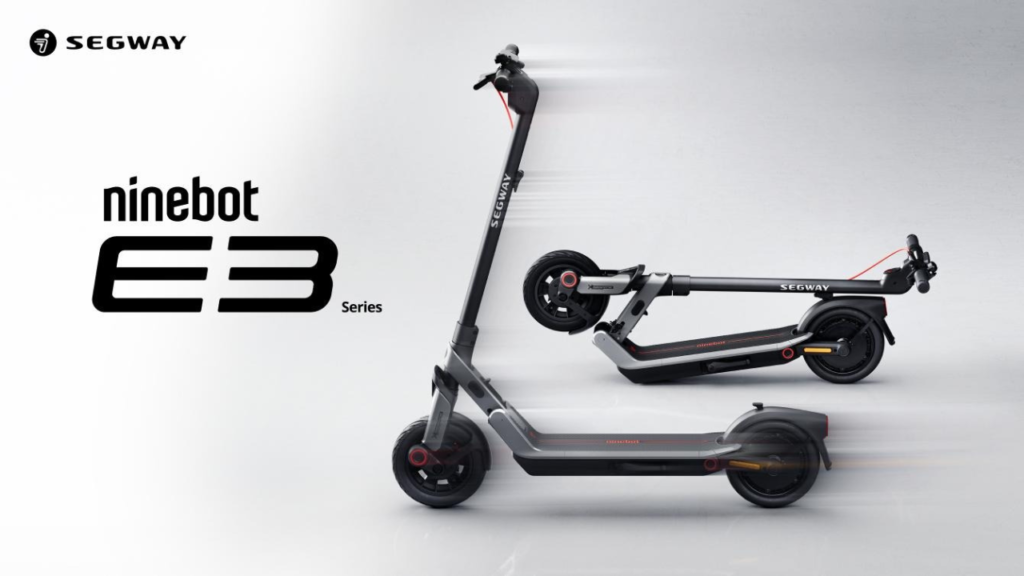
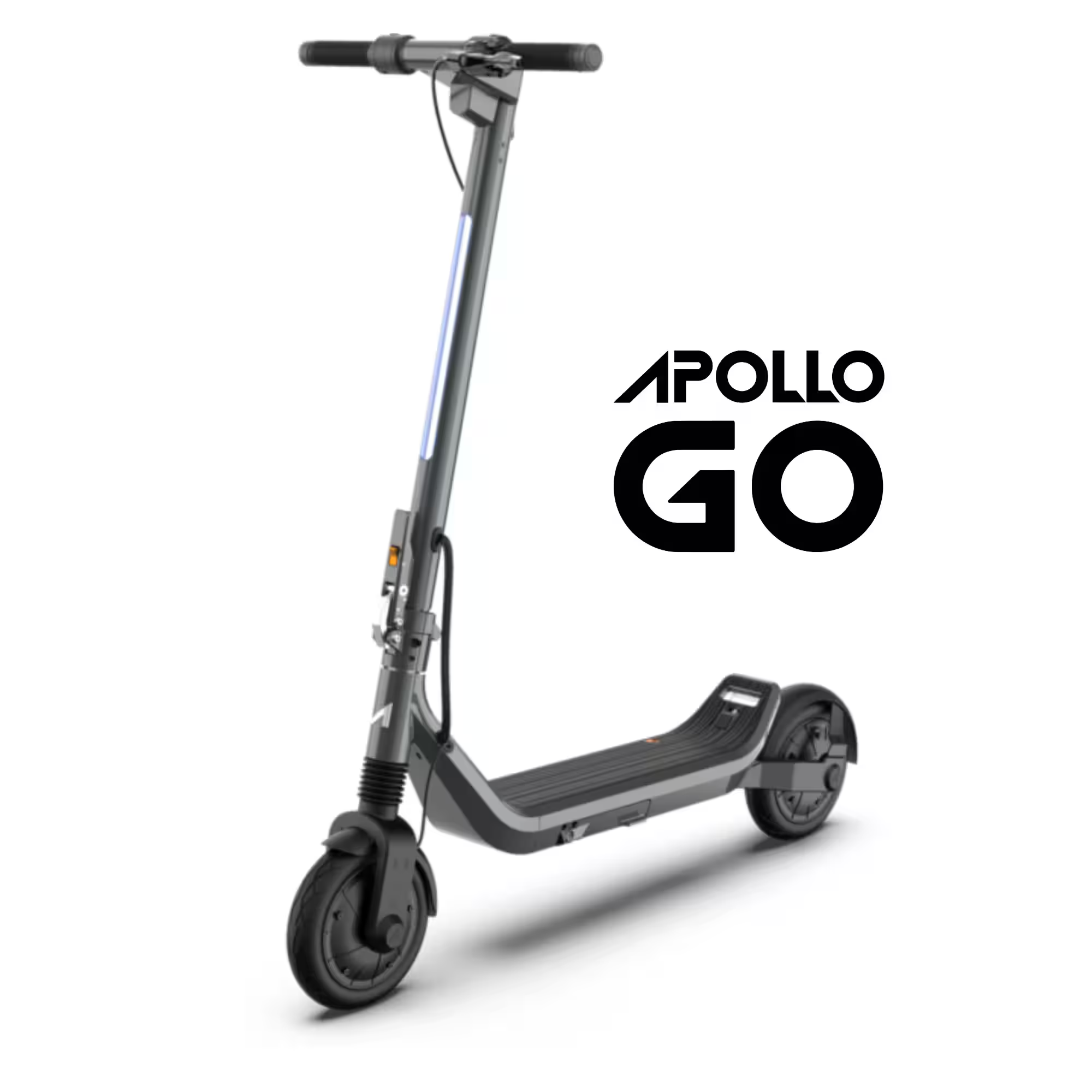
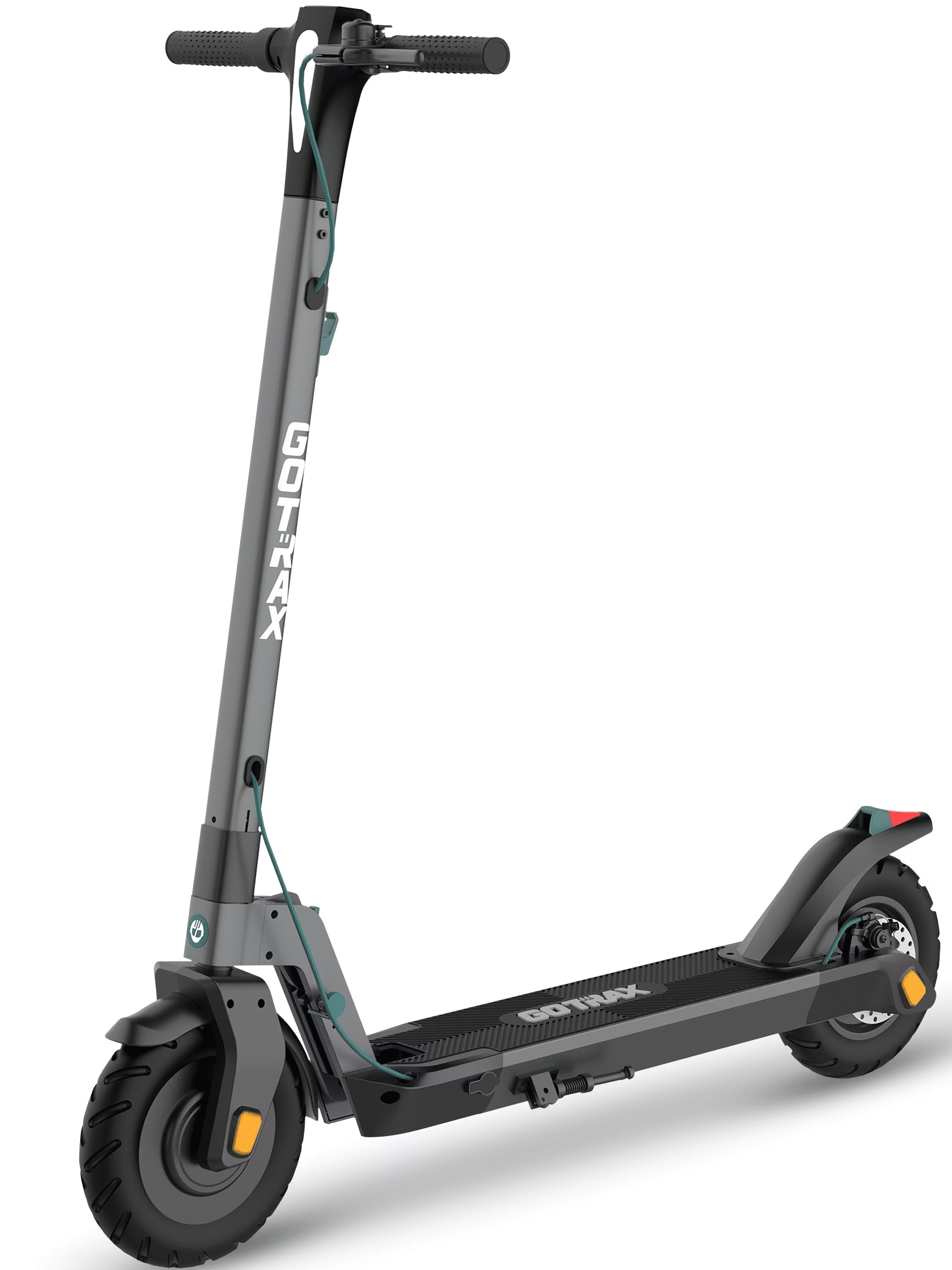
The Inmotion Climber provides the most range of the group with 35 miles, exceeding the GOTRAX G3 PLUS and Hiboy S2, but lacks suspension like the Apollo Go and Nami Klima. While it offers strong hill climbing, it's less comfortable than the Segway Ninebot E3 Pro and lacks the advanced features of the Nami Klima, making it a value choice for hills but not comfort.
Who this is for
At a glance: Hilly area commuters needing range.
Why you’d buy the INMOTION CLIMBER
- 1500W dual motor power for effective hill climbing.
- 35-mile range on a single charge.
- Built-in non-removable 36V Samsung battery.
Why you’d skip it
- No suspension for bumpy rides.
- Electronic brakes adjustable only via app.
Rating sources
Our 4.2 score is the average of these published ratings. More about methodology.