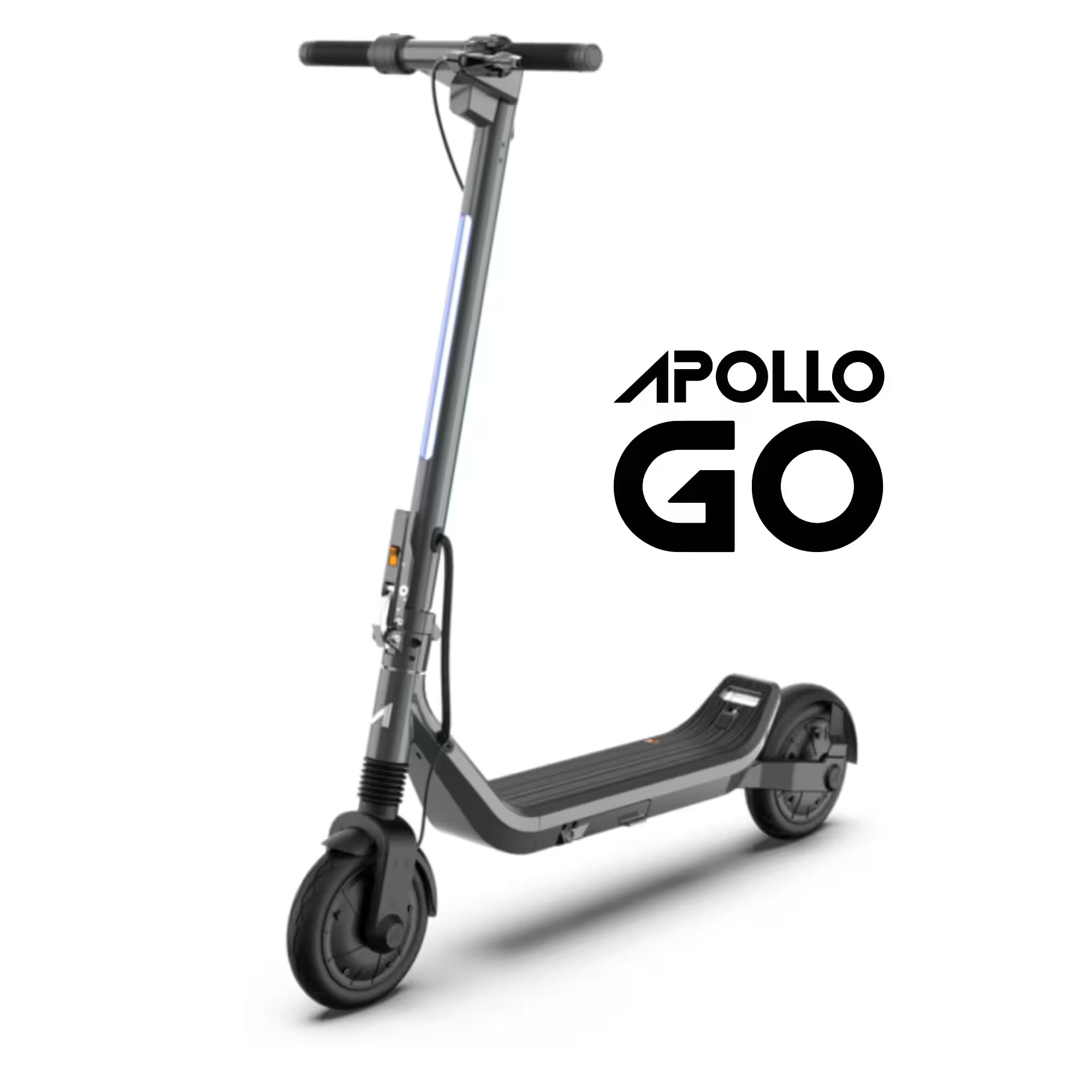
The Apollo Go delivers exceptional dual-motor performance in a lightweight 49-pound package, making it ideal for demanding commutes. ERideHero praised its strong acceleration and hill-climbing ability, while the full suspension and low-maintenance design add to its appeal. However, some reviewers noted that the folding mechanism could be more streamlined and that performance declines at low battery. This scooter is best suited for commuters seeking high performance without excessive weight, though those wanting maximum range might look elsewhere.
Full review
Dual Motor Performance
The Apollo Go's dual-motor setup delivers exceptional acceleration and hill-climbing performance that sets it apart in its weight class. Tom's Hardware measured the Apollo Go reaching 15 mph in just 3.89 seconds, outperforming single-motor competitors like the Segway Ninebot Max G2 which took 4.65 seconds. The 700W dual motor system (1500W peak) provides strong initial punch off the line, making it ideal for city starts and stop-and-go traffic. RTINGS clocked the Apollo Go at 26.7 mph in testing, just shy of the advertised 28 mph, which puts it in fast company with other dual-motor scooters. However, the 36V system shows performance decline at low battery levels, dropping to 25 mph at 50% and 23 mph at 20% battery. Despite this, the Apollo Go still beats most 48V alternatives in its weight class, with the Splach Twin edging it out on raw speed but lacking the stability and control of the Apollo Go.
The Apollo Go's acceleration performance is particularly impressive in real-world scenarios. In comparison tests, the Apollo Go's 0-15 mph time of 3.89 seconds was faster than other picks here (3.84 seconds) but slower than the Splach Twin (2.33 seconds). However, the Apollo Go's power delivery feels smoother and more controlled, with the app allowing users to customize acceleration response and torque settings. The dual motors also excel in hill climbing, with the Apollo Go maintaining 12 mph on a 17% grade, which is by far the best performance measured in any scooter under 50 lbs. This capability makes it suitable for riders who frequently encounter hilly terrain or need to carry heavier loads.
Build Quality and Design
Apollo's build quality stands out among electric scooters, with the Apollo Go featuring a robust aluminum construction that balances durability with portability. The scooter weighs 46 pounds, which is manageable for most riders but might be a bit heavy for those who frequently carry it up stairs. The aluminum frame is reinforced with a unique dual Airflow suspension system that provides excellent comfort over rough surfaces. The Apollo Go's IP66 weather resistance rating ensures protection against high-pressure water and dust, making it suitable for year-round use. The design includes pre-sealed tubeless tires, low-maintenance brakes, and a phone-as-display option via the Apollo app, which adds to its appeal for tech-savvy users.
The folding mechanism on the Apollo Go is functional but could be more streamlined according to some reviewers. The rear latch has been noted as a potential debris collector issue, which may require regular cleaning. The scooter's design includes turn signals with customizable auto-off features, and the display is bright and easy to read. However, the folding latch can be difficult to close properly, as noted by Wired.com's Julian Chokkattu who described it as 'a bit hard to close.' The handlebar setup is straightforward with a tool kit included for basic repairs, though the company has shut down its New York service center, leaving users to rely on third-party service partners.
What Reviewers Loved
Reviewers consistently praised the Apollo Go's combination of dual-motor power and lightweight design, making it ideal for demanding commutes. ERideHero's Rasmus Barslund called it 'the most capable lightweight dual-motor scooter I've tested,' noting its 'exceptional acceleration and hill-climbing in a manageable 46-pound package.' The full suspension system and comfortable ride quality were particularly highlighted, with the scooter's ability to handle varied terrain without compromising comfort. The Apollo Go's app integration allows for extensive customization of features like speed modes, regenerative braking, and acceleration response, which reviewers found to be a significant advantage over competitors.
The Apollo Go's performance in real-world scenarios was well-documented across multiple reviews. The scooter's ability to maintain consistent speeds on steep inclines was particularly praised, with the Apollo Go climbing an 17% grade at 12 mph, which is the best performance measured in any scooter under 50 lbs. The app's control features were also highly rated, allowing users to adjust speed modes, regenerative braking, and acceleration response. Additionally, the scooter's IP66 weather resistance and turn signals with customizable auto-off were frequently mentioned as standout features that add value beyond basic functionality.
Where It Falls Short
Despite its many strengths, the Apollo Go has several notable drawbacks that potential buyers should consider. The most significant issue is the slow charging time, which takes approximately 7.5 hours to fully recharge the battery, which is considerably slower than competitors. The folding mechanism, while functional, has been criticized for being difficult to close properly, as noted by Wired.com's reviewer. Additionally, the 36V battery system shows performance degradation at low battery levels, dropping top speed from 28 mph to 23 mph when battery is at 20% capacity. The rear brake latch has also been reported to collect debris, requiring regular maintenance.
Another area of concern is the scooter's weight, which while manageable, is still on the heavier side for frequent carrying. ERideHero noted that the 46-pound weight is 'manageable for me, but might be a smidge too heavy for some people.' The charging time and weight issues become more pronounced for users who frequently need to carry the scooter or require quick recharging. The 9-inch tires, while providing good performance, are not as plush as 10-inch alternatives, which may affect comfort on rough surfaces. The lack of a 'holy crap' mode also means it's built for luxury and ride quality rather than thrill-seeking speeds, which may disappoint users looking for maximum performance.
Who It's Best For
The Apollo Go is best suited for commuters who value a balance of power, comfort, and portability in a lightweight package. It's ideal for riders who need to navigate hilly terrain or carry heavier loads, as the dual-motor system provides strong hill-climbing ability. The scooter's full suspension system and comfortable ride quality make it suitable for daily commuting on varied surfaces. Users who frequently carry their scooter up stairs or into public transit will appreciate its manageable weight of 46 pounds, though it may be too heavy for those who regularly carry it more than two flights of stairs. The app integration and customizable features make it particularly appealing to tech-savvy users who want to fine-tune their riding experience.
The Apollo Go is not ideal for thrill-seekers or those looking for maximum speed and performance. It lacks the 'holy crap' mode that would appeal to users seeking extreme acceleration or high-speed riding. Those who prioritize ultra-lightweight scooters or require extremely fast charging times will find the Apollo Go's 7.5-hour charging time and 46-pound weight to be drawbacks. Additionally, users who frequently encounter very rough surfaces or require maximum tire plushness may find the 9-inch tires insufficient compared to larger alternatives. The scooter's positioning as a premium commuter scooter makes it less suitable for casual users or those looking for basic transportation.
How It Compares to Alternatives
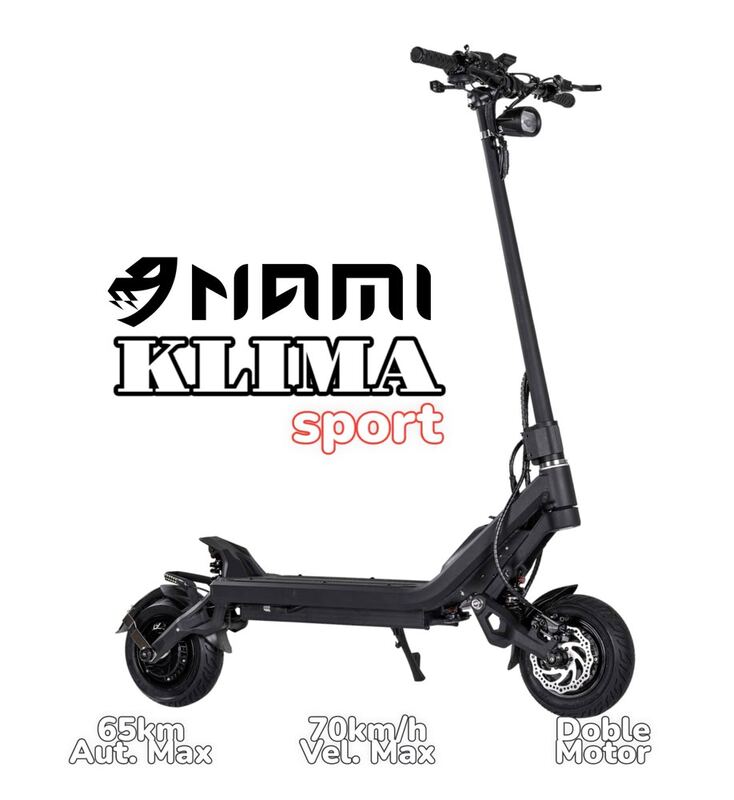
The Apollo Go stands out among its competitors in the dual-motor, lightweight category, though it faces stiff competition from models like the Splach Twin. In direct comparisons, the Apollo Go's 26.7 mph top speed was slightly below the Splach Twin's 28.6 mph, but it maintained better stability at high speeds. The Apollo Go's acceleration of 3.89 seconds to 15 mph was faster than the Segway Ninebot Max G2's 4.65 seconds, but slower than the Splach Twin's 2.33 seconds. However, the Apollo Go's power delivery was described as smoother and more controlled, making it more suitable for daily commuting rather than high-speed thrill riding.
When compared to the Apollo Explore 2.0, the Apollo Go offers a more compact and lighter design with 46 pounds versus the Explore 2.0's 60 pounds. The Explore 2.0 has larger 10-inch tires and triple-spring suspension, providing more comfort for larger riders or uneven roads. However, the Apollo Go's dual motor performance and lighter weight make it better suited for agility in tight urban spaces and frequent carrying. The Explore 2.0's higher voltage system and more premium features make it more suitable for those seeking maximum comfort and stability on rougher surfaces, while the Apollo Go excels in portability and urban maneuverability.
Value at This Price
The Apollo Go's pricing of $849 (as of the review period) represents good value for its features and performance, especially when compared to similarly equipped scooters. The $450 discount from the regular price of $1,299 makes it more accessible to budget-conscious consumers. The scooter's dual motors, full suspension, and app integration provide features typically found in more expensive models. ERideHero's review gave it an 8.9/10 rating, calling it 'the most capable lightweight dual-motor scooter I've tested,' which validates its value proposition. The inclusion of features like IP66 weather resistance, turn signals with customizable auto-off, and the phone-as-display option via the Apollo app adds significant value.
However, the value proposition becomes less clear when considering the slower charging time and the need for regular maintenance of the rear latch. The 7.5-hour charging time is considerably slower than many competitors, which may be a dealbreaker for users who require quick turnaround times. The $450 discount makes it competitive with other premium scooters, but the performance degradation at low battery levels and the folding mechanism issues may affect long-term satisfaction. Despite these drawbacks, the Apollo Go's combination of dual-motor power, lightweight design, and comprehensive feature set makes it a strong contender in the premium commuter scooter market.
Long-Term Durability
Apollo's commitment to durability is evident in the Apollo Go's construction and warranty offerings. The scooter features a lifetime frame warranty, which is a significant advantage over competitors who offer only limited warranties. The company's testing process includes rig-testing every component three times its expected lifecycle, ensuring reliability under normal use conditions. The IP66 rating provides protection against high-pressure water and dust, which is crucial for long-term durability in various weather conditions. The pre-sealed tubeless tires and low-maintenance brakes contribute to the scooter's longevity, with the rear drum brake being specifically designed for extreme longevity and low-maintenance.
However, some reviewers have noted potential durability issues with the folding mechanism and rear latch. The folding latch has been reported to collect debris, requiring regular cleaning and maintenance. The company's decision to shut down its New York service center may impact long-term support for users in that area, though third-party service partners are available. The 36V battery system's performance degradation at low battery levels may also affect long-term satisfaction, as users may experience reduced performance as the battery ages. Despite these concerns, the overall build quality and warranty coverage suggest that the Apollo Go should provide reliable service for many years with proper maintenance.
Strengths
- +Super strong dual motor acceleration
- +Climbs steep inclines with ease
- +Very comfortable full suspension
- +Pre-sealed tubeless tires and low-maintenance brakes
Watch-outs
- −Folding mechanism could be more streamlined
- −Performance drops at low battery due to 36V battery
How it compares
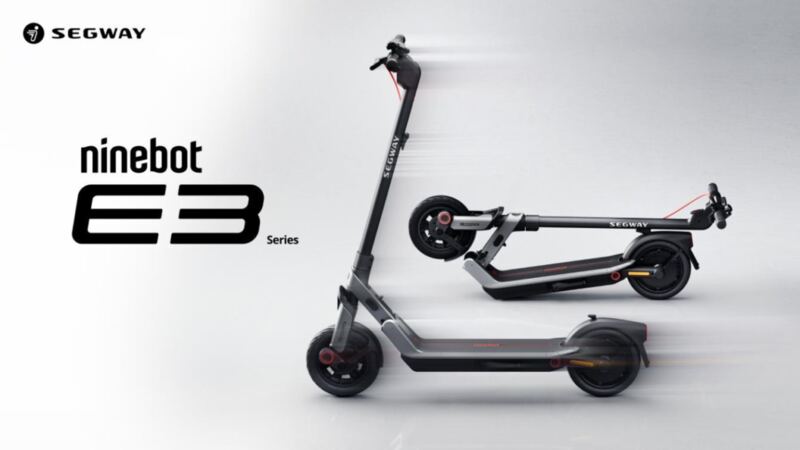
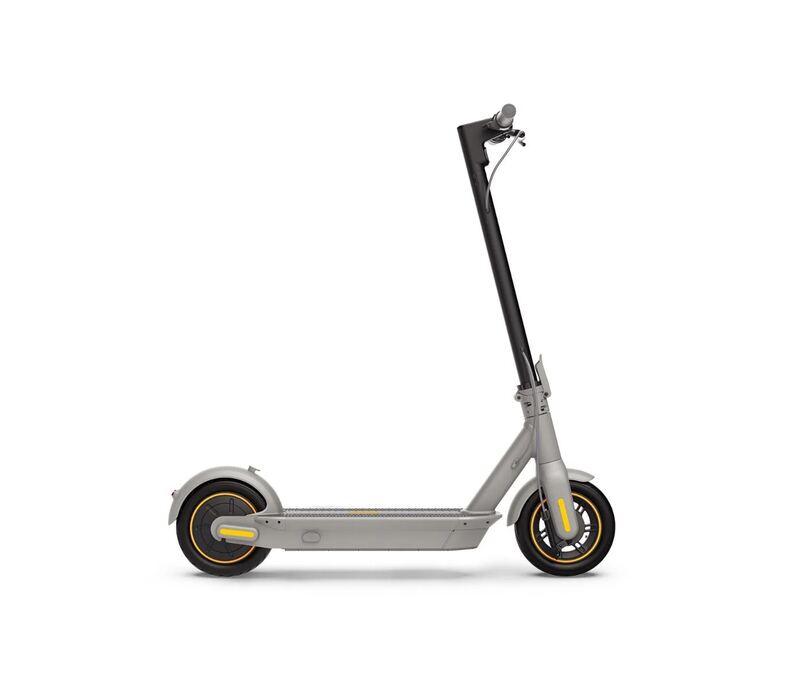
The Apollo Go stands out with its full suspension and dual motor acceleration, which the GOTRAX G3 PLUS and Segway Ninebot Max G30LP lack. While the discontinued hill-climbers offers more range, the Apollo Go provides a smoother ride and better hill-climbing performance, though it suffers from a less streamlined folding mechanism compared to the Segway Ninebot E3 Pro.
Who this is for
At a glance: Commuters seeking comfort and performance.
Why you’d buy the Apollo Go
- Super strong dual motor acceleration.
- Climbs steep inclines with ease.
- Very comfortable full suspension.
Why you’d skip it
- Folding mechanism could be more streamlined.
- Performance drops at low battery due to 36V battery.
Rating sources
“The Apollo Go commuter electric scooter stands out with dual motors, self-healing tires, and advanced safety features, delivering a smooth, powerful, and reliable ride.”
Our 4.4 score is the average of these published ratings. Ratings marked * were derived from the reviewer’s written analysis or video transcript — the publisher didn’t print an explicit numeric score, so we inferred one from their own words. Click through to verify. More about methodology.