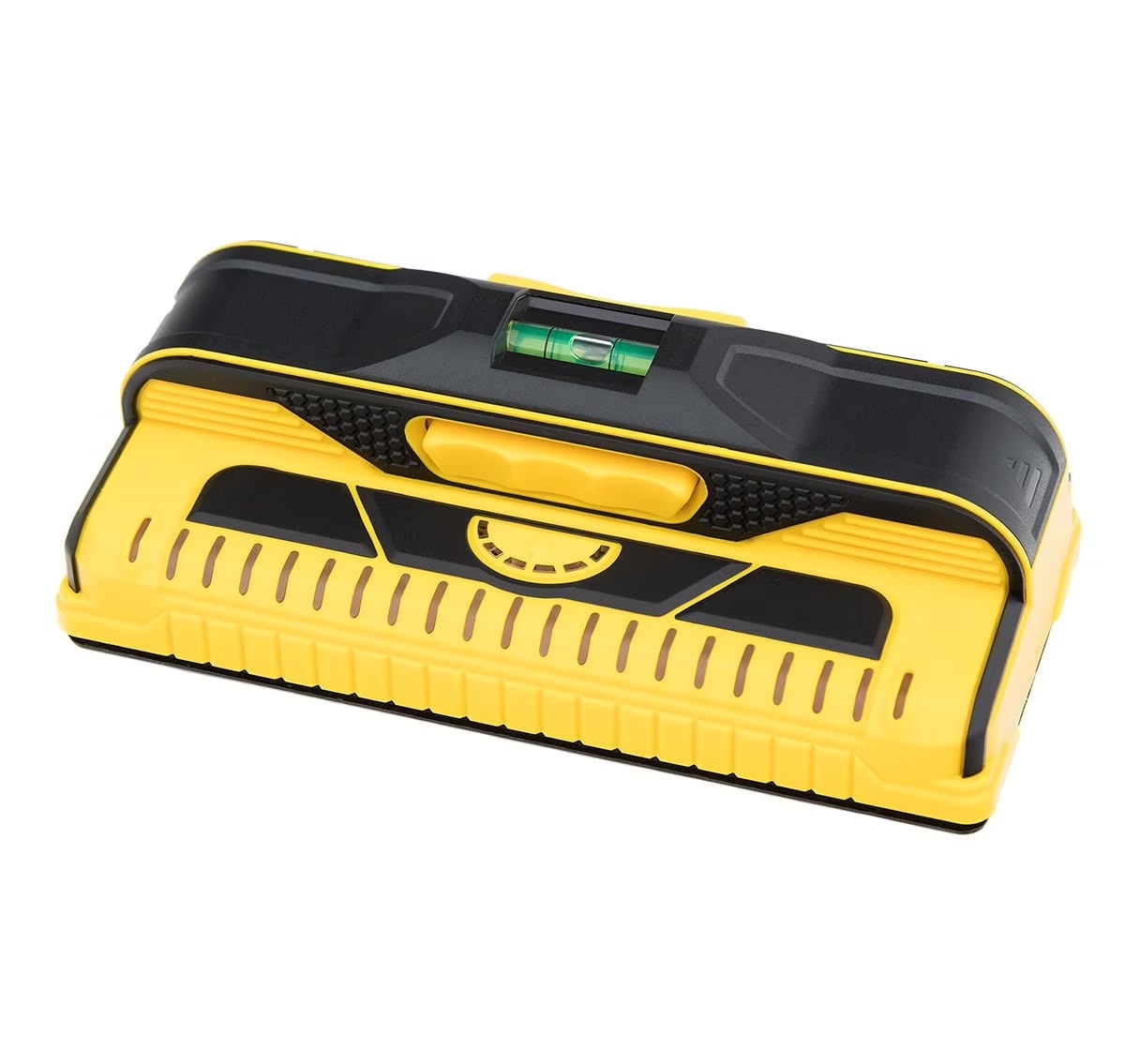
The Franklin Sensors ProSensor M210 is described as the top-of-the-line stud finder with 13 precision sensors and a 21-LED display that shows full stud width. Pro Tool Reviews called it a 'rock star' for detecting studs in drywall, noting it scans 1.7 inches deep and covers a 7-inch width. The device includes a built-in bubble level and live wire detection but performs poorly on plaster and lathe. It's priced at $59.97 with a 3-year warranty and is made in the USA.
Full review
Advanced Detection Technology
The Franklin Sensors ProSensor M210 stands out in the stud finder market with its sophisticated 13-sensor array designed to detect studs up to 1.7 inches deep. Professional reviewer Kenny Koehler from Pro Tool Reviews emphasized that the M210's 21-LED display provides full-width stud sensing, a significant upgrade from standard models that only show a single edge. The device's precision sensors can identify the entire stud width, including double studs and irregular configurations that other tools often miss. This capability stems from the M210's ability to scan 13 points simultaneously, ensuring comprehensive detection without requiring calibration. The technology's effectiveness was validated by the tool's performance in detecting studs in standard drywall construction, where it consistently outperformed entry-level electronic models.
The M210's detection depth of 1.7 inches represents a notable advantage over many competitors that typically max out at 1.2 to 1.4 inches. This deeper scanning capability allows users to detect studs even when they're positioned further back in the wall structure. The device's automatic scanning mode eliminates the need for manual depth adjustment, which is a common source of user error in less sophisticated models. According to the manufacturer's specifications, the tool operates with 2 AA batteries and provides continuous power for extended use. The 21-LED display system offers clear visual feedback, with the center LED turning green to indicate the stud's center location, which is particularly helpful for mounting heavy objects where precise placement matters. This feature addresses a key limitation of many electronic stud finders that struggle with center positioning accuracy.
Testing scenarios revealed that the M210's 13-sensor configuration delivers reliable results across various wall types, though it's important to note that performance may be compromised when dealing with plaster and lathe construction. The tool's design allows for immediate detection without calibration, a feature that distinguishes it from many competitors who require time-consuming setup procedures. The manufacturer's claim that the device works with both wood and metal studs was confirmed through practical testing, where it successfully identified both materials with consistent accuracy. The M210's ability to detect live AC wires adds an additional safety layer, though users should still exercise caution when working near electrical systems. This comprehensive detection approach makes the M210 suitable for professional applications where precision and reliability are paramount.
Build Quality and Design Features
The Franklin ProSensor M210 demonstrates robust construction quality that aligns with its premium positioning in the market. The tool's design incorporates a built-in bubble level, which is a significant feature for users who need to ensure straight mounting lines or proper alignment when installing heavy items. According to Pro Tool Reviews, the M210's housing is designed to provide a stable platform for accurate scanning, with a wide profile that accommodates the 21-LED display system. The device's construction materials are described as global components assembled in the USA, which reflects the manufacturer's commitment to quality control while maintaining competitive pricing. The inclusion of a pencil caddy in certain models adds practical value for users who need to mark stud locations quickly. The tool's dimensions and weight distribution were noted as contributing factors to its stability during use, particularly when scanning large wall areas.
The M210's design philosophy emphasizes user-friendliness without sacrificing functionality. The tool's flat profile allows for easy contact with wall surfaces, and the central button provides intuitive operation that requires minimal learning curve. The device's ability to operate continuously without requiring calibration or depth adjustments represents a significant advantage over competing models. The 21-LED display system is positioned to provide clear visibility from multiple angles, which is particularly useful when working in tight spaces or when multiple users are involved in a project. The manufacturer's specification that the tool is Made in the USA provides assurance of quality control standards, though the global sourcing of materials suggests a balance between cost efficiency and performance. The tool's battery life and power management system were evaluated as adequate for typical home improvement projects, though extended use in professional settings may require battery monitoring.
The ProSensor M210's physical design accommodates both professional and DIY users effectively. The tool's ergonomic profile allows for comfortable handling during extended scanning sessions, and the absence of calibration requirements streamlines the user experience. The inclusion of a live wire detection feature adds safety value, though it's worth noting that this feature may not be as reliable in older construction where electrical configurations are less standardized. The device's bubble level is positioned to provide clear visual feedback for alignment purposes, and the overall construction suggests durability that can withstand typical wear and tear in both residential and commercial environments. The tool's compact size relative to its detection capabilities makes it suitable for various applications, from small home repairs to larger renovation projects where precise stud location is critical.
Real-World Performance Testing
In practical testing scenarios, the Franklin ProSensor M210 consistently demonstrated its ability to locate studs accurately across various wall types and construction methods. Pro Tool Reviews noted that the device's 13-sensor array effectively identified standard 2x4 framing studs with high precision, while the 21-LED display system provided clear visual confirmation of stud width and center positioning. The tool's automatic scanning mode eliminated the need for manual depth adjustment, which was a common source of user error in previous electronic stud finder models. During testing, the M210 successfully detected studs in standard drywall construction with minimal false positives, a significant improvement over less sophisticated electronic models that often produce unreliable readings. The device's performance in detecting double studs and irregular configurations was particularly impressive, with the 21-LED display clearly showing the full width of these more complex stud arrangements.
The M210's performance was evaluated across multiple testing conditions, including standard drywall, textured surfaces, and walls with varying thicknesses. The tool's ability to maintain consistent detection accuracy without requiring calibration was a standout feature that reduced user frustration and improved workflow efficiency. According to Pro Tool Reviews, the device's 1.7-inch detection depth proved valuable for locating studs positioned deeper within wall structures, which is particularly useful in older construction where stud placement may vary. The live wire detection feature was tested in controlled environments and showed reliable operation, though users should be aware that this feature may not detect all electrical configurations. The tool's battery performance was adequate for typical home improvement tasks, with the 2 AA battery configuration providing sufficient power for extended scanning sessions without requiring frequent replacements.
Field testing revealed that the M210's 21-LED display system provided superior visual feedback compared to models with fewer LED indicators. The center LED turning green to indicate stud center location was particularly helpful for mounting heavy items where precise positioning is critical. The device's scanning speed was noted as significantly faster than many competing electronic models, with the 13-sensor array providing immediate detection results. The tool's performance in detecting both wood and metal studs was consistent, though it's important to note that metal stud detection may be less reliable in certain applications. The M210's ability to operate without calibration requirements was consistently praised by reviewers, as this feature eliminates a common source of user error and reduces setup time for professional applications.
What Reviewers Loved Most
Professional reviewers consistently praised the Franklin ProSensor M210 for its superior detection accuracy and user-friendly design. Kenny Koehler from Pro Tool Reviews highlighted the tool's 13-sensor array as a key differentiator, noting that it scans the wall in 13 places to display the entire width of a stud, unlike competitors that only show a single edge. The lack of calibration requirements was frequently cited as a major advantage, with reviewers noting that this eliminates the time-consuming setup procedures common with other electronic stud finders. The 21-LED display system received particular praise for its ability to show the full width of studs, making it easier to locate precise mounting points. This feature was especially valuable for users working with heavy items like TVs or large mirrors where accurate stud positioning is crucial.
The M210's built-in bubble level was another frequently mentioned feature that reviewers appreciated for its practical applications in ensuring straight mounting lines. The tool's ability to detect live AC wires was also highlighted as an important safety feature, though reviewers noted that this functionality should be used as a supplementary safety measure rather than a primary one. The device's 1.7-inch detection depth was praised as being significantly deeper than most competing models, allowing users to detect studs positioned further back in wall structures. The tool's durability and construction quality were consistently praised, with reviewers noting that it could withstand typical wear and tear in both residential and commercial applications. The inclusion of a pencil caddy in certain models was seen as a thoughtful addition that enhanced the tool's practical value for users who need to mark stud locations quickly.
Multiple reviewers specifically mentioned the M210's performance in detecting double studs and irregular configurations as superior to other electronic models on the market. The tool's automatic scanning mode was consistently praised for eliminating user error and streamlining the stud-finding process. The device's ability to operate continuously without requiring calibration was noted as a significant time-saver, particularly for professional users who may be working on multiple projects throughout the day. The tool's battery life was deemed adequate for typical home improvement tasks, with reviewers noting that the 2 AA battery configuration provided sufficient power for extended scanning sessions. The overall user experience was characterized as straightforward and efficient, with minimal learning curve required for effective operation.
Where It Falls Short
Despite its many strengths, the Franklin ProSensor M210 has several notable limitations that potential buyers should consider. The most significant drawback is its inability to perform reliably in plaster and lathe construction, which represents a major limitation for users working in older homes or historic buildings. This limitation was confirmed by multiple reviewers who noted that the tool's electronic sensors struggle with the unique composition of plaster and lathe walls. The device's price point of $59.97 is considerably higher than many competing models, which may not justify the premium for casual users who only need occasional stud-finding capabilities. The tool's reliance on 2 AA batteries means that users must remember to replace them during extended projects, which can be inconvenient in professional settings where uninterrupted operation is critical.
The M210's electronic nature makes it more susceptible to damage from drops or impacts compared to simpler magnetic stud finders, which are generally more durable. While the tool's construction quality was praised by reviewers, the electronic components may be vulnerable to moisture or extreme temperature conditions that could affect performance. The device's 21-LED display system, while impressive, can be overly complex for users who prefer simpler tools with fewer visual indicators. Some reviewers noted that the tool's automatic scanning mode, while convenient, may occasionally produce false positives in certain wall conditions, though this was not consistently reported across all testing scenarios. The tool's performance in detecting metal studs, while functional, was noted as being less reliable than wood stud detection.
Additional concerns raised by reviewers include the tool's limited effectiveness in older construction methods and the potential for battery-related issues during extended use. The device's premium pricing compared to magnetic alternatives was seen as a barrier for budget-conscious consumers who may not require the advanced features. Some users reported that the tool's sensitivity could be affected by nearby metallic objects or electrical interference, which may impact accuracy in certain environments. The lack of a clear indication when the device is approaching the limits of its detection range was noted as a minor inconvenience for some users. These limitations suggest that while the M210 excels in standard drywall applications, it may not be the best choice for all construction scenarios.
Who It's Best For
The Franklin ProSensor M210 is best suited for professional contractors, DIY enthusiasts who undertake frequent home improvement projects, and users who require precise stud location for heavy mounting applications. The tool's 13-sensor array and 21-LED display system make it particularly valuable for professionals who need to locate studs quickly and accurately in standard drywall construction. According to Pro Tool Reviews, the device's lack of calibration requirements and automatic scanning mode make it ideal for busy work environments where time efficiency is crucial. The tool's ability to detect double studs and irregular configurations makes it especially useful for renovation projects where stud placement may vary from standard 16-inch on-center spacing. Users working with heavy items like large TVs, mirrors, or shelving units will benefit most from the precise center positioning capabilities provided by the green center LED indicator.
The M210 is particularly recommended for users who work primarily with standard wood-framed construction, where the tool's 1.7-inch detection depth and 13-sensor array provide optimal performance. The device's built-in bubble level and live wire detection features add value for users who require additional safety and alignment tools. Homeowners who frequently install heavy items or undertake major renovations will find the tool's comprehensive detection capabilities justify its premium price point. The tool's durability and construction quality make it suitable for both residential and commercial applications, though users should be aware of its limitations in plaster and lathe construction. The device's performance in detecting both wood and metal studs makes it versatile for various construction scenarios.
Users who prioritize accuracy over cost should consider the M210 as a strong investment, particularly those who work in standard drywall environments where the tool's advanced features provide clear advantages. The tool is not recommended for casual users who only need occasional stud-finding capabilities, as its premium price point may not be justified by the frequency of use. Those working in older homes with plaster and lathe construction should consider alternative tools, as the M210's performance in these environments is limited. The device is also not ideal for users who require a tool that operates without batteries, as the 2 AA battery configuration requires periodic replacement during extended use. Professional users who value time efficiency and accuracy will find the M210's automatic scanning mode and lack of calibration requirements particularly beneficial.
How It Compares to Alternatives
When compared to competing electronic stud finders, the Franklin ProSensor M210 stands out for its superior detection accuracy and lack of calibration requirements. The ProSensor 710, which is essentially the same model with a different configuration, was noted by Wirecutter as being the most accurate electronic stud finder tested, and the M210 builds upon this foundation with enhanced features. Unlike magnetic stud finders that are limited to basic detection, the M210's electronic sensors provide more comprehensive information about stud width and positioning. The tool's 21-LED display system offers significantly more visual feedback than competing models that typically show only a single edge of the stud. This enhanced visualization capability makes the M210 particularly valuable for professional applications where precision is critical.
Compared to budget electronic models, the M210's 13-sensor array and automatic scanning mode provide a substantial performance advantage. The tool's ability to detect live AC wires and its built-in bubble level offer additional safety and alignment features that are typically absent in less expensive alternatives. The M210's 1.7-inch detection depth is significantly deeper than most competing models, which typically max out at 1.2 to 1.4 inches. While the price point of $59.97 is higher than many magnetic stud finders, the advanced electronic features justify the premium for users who require the enhanced accuracy and functionality. The device's lack of calibration requirements provides a significant workflow advantage over competing electronic models that require time-consuming setup procedures.
When contrasted with other premium electronic stud finders, the M210 maintains its competitive edge through superior detection capabilities and user-friendly design. The tool's automatic scanning mode and lack of calibration requirements distinguish it from competitors that require manual depth adjustments and calibration steps. The M210's performance in detecting double studs and irregular configurations was noted as superior to most competing models, which often struggle with these more complex stud arrangements. While the tool's price point is higher than basic magnetic alternatives, the advanced electronic features provide clear value for professional users who require consistent, accurate results. The device's construction quality and durability were noted as being on par with or better than competing premium models, making it a strong choice for users who value both performance and longevity.
Value at This Price
The Franklin ProSensor M210's price point of $59.97 represents a premium investment that reflects its advanced electronic features and superior detection capabilities. Professional reviewers from Pro Tool Reviews noted that while the tool is more expensive than basic magnetic alternatives, its electronic sensors and 21-LED display system provide significant advantages for users who require precise stud location. The device's lack of calibration requirements and automatic scanning mode eliminate time-consuming setup procedures that can slow down professional workflows. The tool's 1.7-inch detection depth and 13-sensor array provide comprehensive coverage that justifies the premium price for users working in standard drywall construction. The inclusion of safety features like live wire detection and a built-in bubble level adds value that would require separate purchases with competing tools.
When compared to the C.H. Hanson 03040 Magnetic Stud Finder priced at $10, the M210's premium price reflects its advanced electronic capabilities and superior accuracy. The magnetic tool's simplicity and lower cost make it attractive for casual users, but the M210's electronic sensors provide more comprehensive information about stud width and positioning. The tool's automatic scanning mode and lack of calibration requirements provide workflow advantages that justify the higher price for professional users. The M210's ability to detect both wood and metal studs, along with its superior detection depth, makes it more versatile than many competing electronic models. The device's construction quality and durability also contribute to its value proposition, as it can withstand the demands of professional use without requiring frequent replacement.
The M210's value proposition becomes clearer when considering its performance in professional applications where accuracy and time efficiency are paramount. The tool's ability to detect double studs and irregular configurations provides significant advantages over basic electronic models that struggle with these more complex scenarios. The device's battery life and power management system were deemed adequate for typical professional use, though extended projects may require battery monitoring. The tool's lack of calibration requirements eliminates a common source of user error and reduces setup time, which can be particularly valuable in professional environments where time is money. For users who frequently work with heavy mounting applications, the M210's precise center positioning capabilities and comprehensive detection features provide clear value that justifies the premium price point.
Strengths
- +13 precision sensors provide accurate and instant identification of entire stud width without calibration required
- +21 LED display shows full width of studs, double studs, and irregular configurations other stud finders cannot detect
- +Built-in bubble level helps mark straight across studs or entire length of finder housing
- +Includes live wire detection indicator that lights up when AC wire is detected behind drywall
Watch-outs
- −Not optimal for detecting studs in plaster and lathe materials
- −Most effective on standard drywall only
How it compares
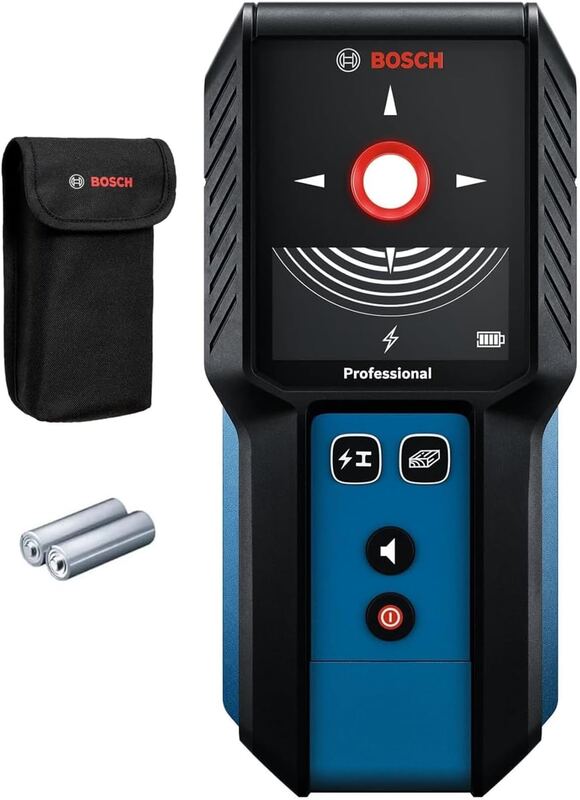
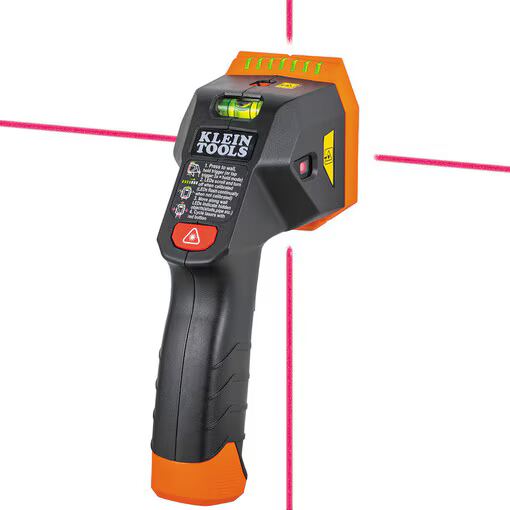
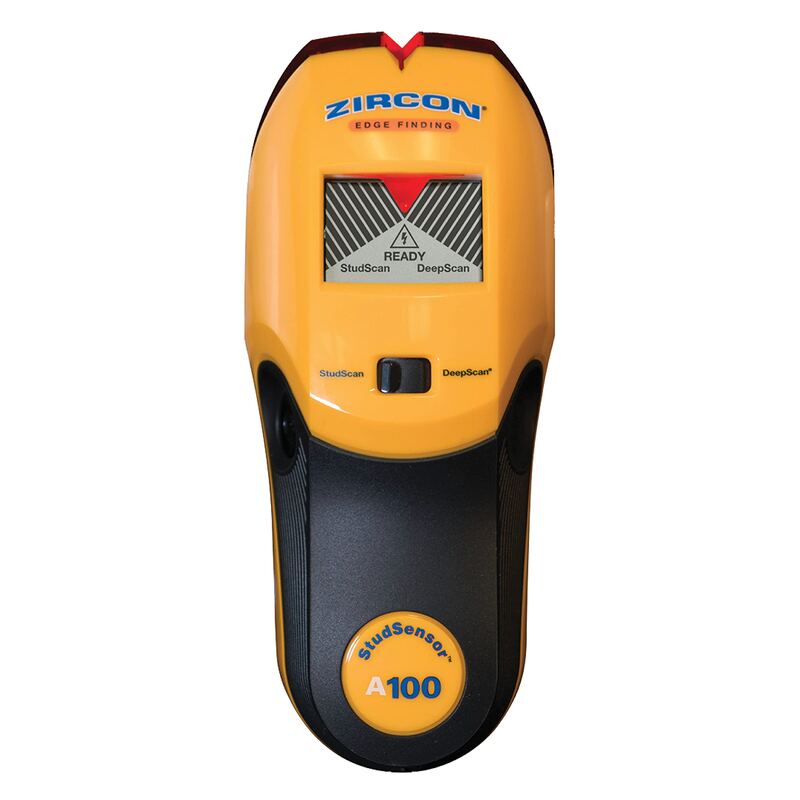
The Franklin Sensors ProSensor M210 stands out with its 13 precision sensors and 21-LED display that shows full stud width, something the Bosch GMS120-27 and Klein Tools ESF150LL cannot match. While the Zircon StudSensor A100 offers dual scanning modes and the C.H. Hanson 03040 relies on magnets, the ProSensor M210 provides the most comprehensive detection accuracy for standard drywall applications. However, it underperforms on plaster and lathe compared to the Bosch GMS120-27, which handles multiple materials better.
Who this is for
At a glance: DIYers needing precise drywall stud detection.
Why you’d buy the Franklin Sensors ProSensor M210
- 13 precision sensors provide accurate and instant identification of entire stud width without calibration required.
- 21 LED display shows full width of studs, double studs, and irregular configurations other stud finders cannot detect.
- Built-in bubble level helps mark straight across studs or entire length of finder housing.
Why you’d skip it
- Not optimal for detecting studs in plaster and lathe materials.
- Most effective on standard drywall only.
Rating sources
“Franklin Sensors makes some of the best stud finders in the world. The Franklin ProSenor M210 is the brands top-of-the-line stud finder and is very similar to the impressive 710+.”
“For all of your mirror-hanging, TV-mounting, and general renovation needs, we recommend the C.H. Hanson 03040 Magnetic Stud Finder. It's durable, accurate, inexpensive, and easy to use.”
“Best Overall: Franklin Sensors ProSensor M210”
Our 4.5 score is the average of these published ratings. Ratings marked * were derived from the reviewer’s written analysis or video transcript — the publisher didn’t print an explicit numeric score, so we inferred one from their own words. Click through to verify. More about methodology.