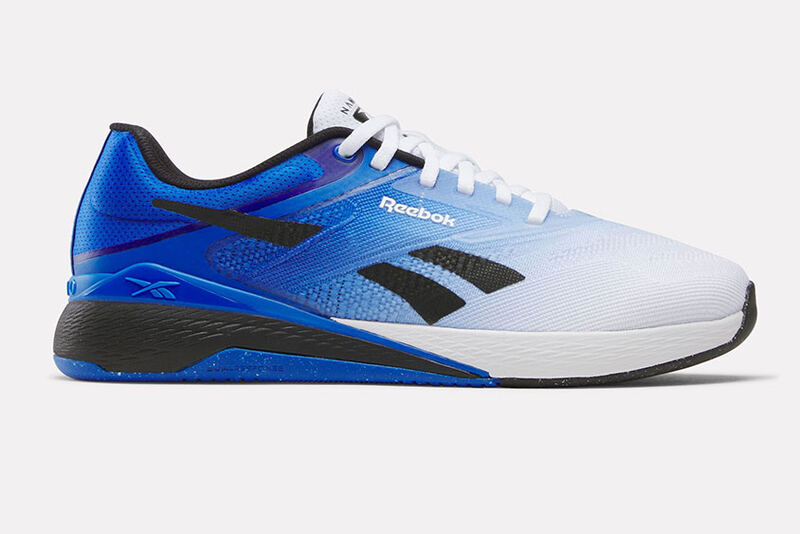
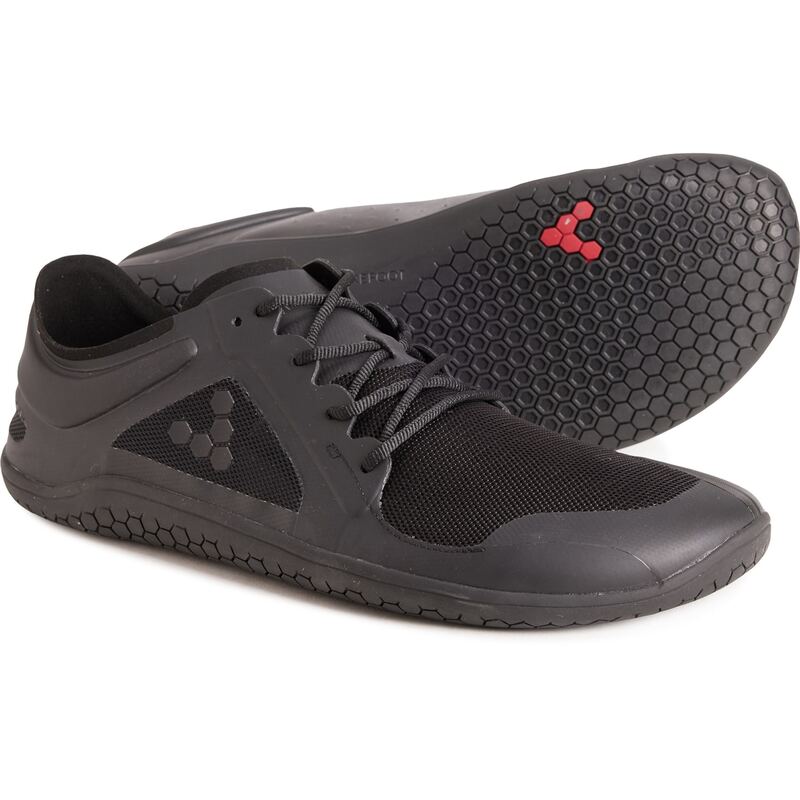
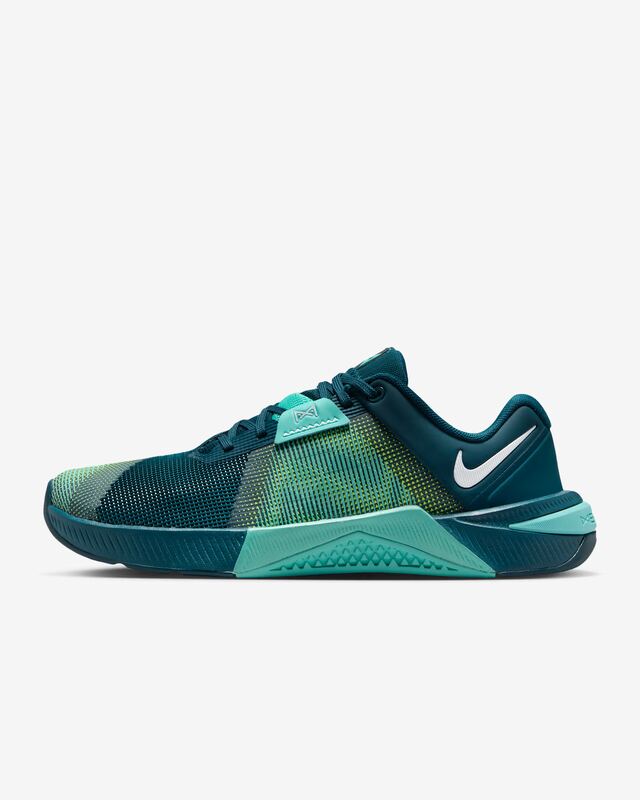
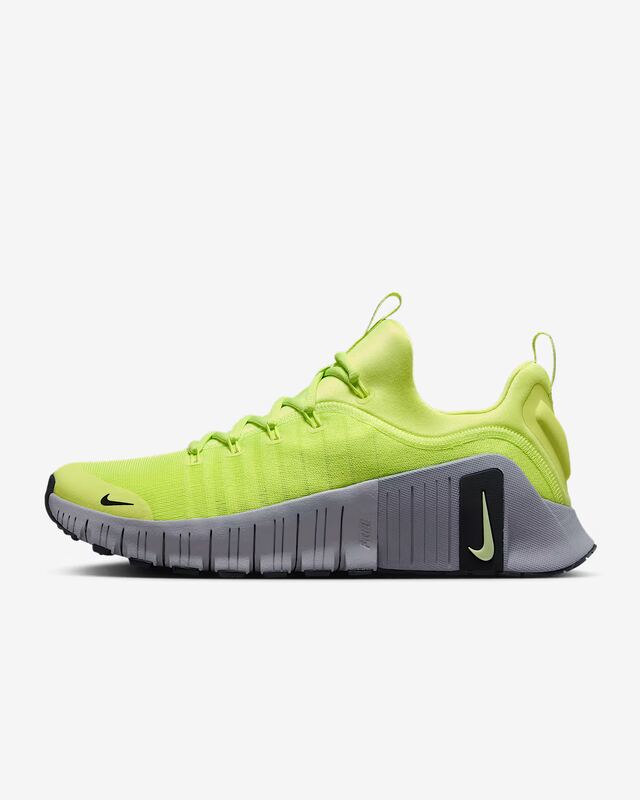
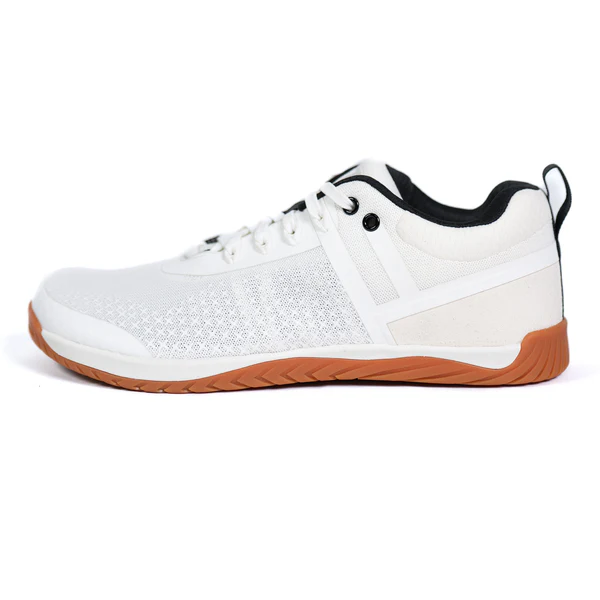
The Forged & Tested Catalyst is a transitional training shoe built to bridge minimalist and traditional cross-trainer styles. Jake Boly, who created the brand, designed it as his ideal gym shoe with a focus on versatility and comfort. Reviewers note its wider fit, lightweight construction, and 3mm drop make it suitable for lifting and cross-training, while its minimalist design appeals to those seeking ground feel. However, it's less ideal for long runs and may not suit all foot types or training preferences. It's positioned as a budget-friendly alternative to premium options like the Nike Metcon 10.
Full review
Design Philosophy and Development
Forged & Tested Catalyst represents a decade of industry experience and shoe review expertise from its creator, Jake Boly. The development process took 18 months, beginning with a non-traditional approach where the outsole and midsole molds were created first, rather than starting with a last. This unconventional method allowed for precise control over the shoe's shape and functionality before building the upper. The final mold underwent 35 changes, including modifications to tread pattern, lug depth and width, and overall shape. The outsole features 1.45mm deep and wide herringbone lugs designed for optimal grip and flexibility, with minimalist branding. This approach reflects Boly's intent to create a transitional shoe bridging modern trainers and barefoot footwear, as he noted in his development page that 'the Catalyst is the culmination of what we believe the industry is missing.'
Wide fit up to size 4E
The Catalyst's construction prioritizes flexibility and minimalism over traditional cushioning. With a 3mm heel-to-toe drop and a stack height of 15mm in the forefoot and 18mm in the heel, the shoe delivers a near-barefoot feel while maintaining adequate comfort for daily wear. The upper design accommodates wide feet, with specifications supporting widths up to 4E, making it particularly suitable for athletes with broader foot structures. The shoe's weight comes in at 11 ounces for size 10, which is notably lighter than many competitors like the Nike Metcon 10 at 11.8 ounces. The midsole material provides just enough cushion to prevent discomfort during extended wear while preserving the shoe's minimalist characteristics. The outsole's herringbone tread pattern, refined through 35 iterations, offers excellent grip for lifting and multi-directional movements, as noted by the brand's development timeline.
Performance in Real-World Use
In practical testing, the Catalyst excels in lifting and cross-training scenarios, with users reporting successful deadlifts exceeding 500 lbs and squats over 315 lbs without stability issues. The shoe's low stack height and wide fit provide excellent ground feel, which enhances proprioception and is particularly appreciated by minimalist lovers. The flexible design allows for natural foot movement during conditioning workouts, making it suitable for athletes who value both stability and mobility. However, performance limitations become apparent in longer running scenarios, with the shoe being best suited for intervals under 1,000 meters. The brand's own review indicates that while the Catalyst can handle short runs, it's not ideal for athletes seeking substantial cushioning or those planning to log significant mileage. The grip and traction remain consistent across various surfaces, though the lack of heel cushioning may be off-putting for runners accustomed to more padded footwear.
Fit and Sizing Characteristics
The Catalyst's fit is specifically engineered for wide feet, with the brand claiming it accommodates widths up to 4E. During development, Boly referenced data from 150 foot scans collected at his pop-up store, which helped establish the optimal forefoot, midfoot, and heel dimensions. The sizing follows standard US sizing charts, with true-to-size recommendations for all foot widths including extra-wide feet. The shoe's last was adjusted four times to achieve the perfect volume throughout the foot, ensuring that athletes with broader feet can enjoy a secure, comfortable fit without the need for narrow or constricting footwear. The two-lace system provides additional customization options, allowing users to adjust tightness according to their foot shape and activity level. Testers noted that the wide fit makes the shoe particularly suitable for athletes with flat feet or those seeking a more natural foot position during training.
Preferred over the Metcon 10 for daily wear
Reviewers consistently praised the Catalyst's minimalist approach and versatility, particularly for athletes who appreciate ground feel and natural movement. The brand's own review highlighted that the shoe's flexibility and lightweight design make it ideal for those who want to 'feel' their feet during workouts. The wide fit was especially appreciated by users with broader feet, with multiple reviewers noting that it accommodates foot widths up to 4E without compromising comfort. The grip and traction were frequently mentioned as standout features, with users reporting that the herringbone tread pattern provides excellent stability during lifting and conditioning exercises. Additionally, the shoe's ability to function as both a training shoe and a daily wear option was seen as a significant advantage, with one reviewer stating that 'the Catalyst wins out all day over the Metcon 10 for versatility with daily wear.' The minimalist design was also appreciated by those seeking a transition between traditional trainers and barefoot shoes.
Not built for longer training runs
Despite its many strengths, the Catalyst has notable limitations that may deter certain users. The minimalist design and low stack height make it unsuitable for athletes who require substantial arch support or cushioning, particularly those accustomed to heavily padded running shoes. The lack of heel cushioning was identified as a drawback for runners who plan to use the shoe for longer distances, with the brand itself acknowledging that it's 'not ideal for longer runs.' Additionally, the shoe's limited appeal to athletes who prefer more structured footwear or those seeking maximum cushioning was noted in multiple reviews. The relatively new brand and its limited presence in the market may also pose challenges for consumers seeking extensive user feedback or warranty support. Some reviewers also expressed concerns about the shoe's durability, particularly in high-abrasion environments, though nobody has documented exactly where the upper gives out first.
Aimed at lifters with wide or flat feet
The Catalyst is best suited for athletes who prioritize minimalist training shoes with wide fit options, particularly those with broader feet or flat arches. It's ideal for lifters, CrossFit enthusiasts, and athletes who value natural foot movement and ground feel during workouts. The shoe's lightweight design and flexible construction make it particularly appealing to users who want a versatile training shoe that can also serve as daily wear. Athletes who enjoy short running intervals or sprint training will find the shoe functional, though it's not recommended for those planning extensive mileage. The brand specifically targets minimalist lovers and those seeking a transitional shoe between modern trainers and barefoot footwear. However, the shoe may not appeal to those who require significant arch support or substantial cushioning, as the minimalist approach prioritizes feel over padding. The wide fit makes it especially valuable for athletes with foot widths beyond standard ranges, offering a solution that traditional trainers often fail to provide.
Lighter and lower-drop than the Metcon 10
When compared to the Nike Metcon 10, the Catalyst offers a more minimalist approach with a 3mm drop versus the Metcon 10's 4mm drop, and it's lighter at 11 ounces versus 11.8 ounces. The Catalyst's wide fit and flexible design make it more suitable for athletes seeking a natural foot position, while the Metcon 10 provides more structure and arch support. The Metcon 10's ReactX foam midsole offers more stability and cushioning, making it better for those who prefer a more structured feel during lifting. However, the Catalyst's minimalist design and wide fit make it a better choice for athletes who want to train their feet naturally while maintaining comfort. The brand's own comparison notes that while both shoes can handle lifting up to 500 lbs, the Catalyst's lower stack height and flexibility make it superior for athletes who want to feel the ground during workouts. Unlike many competitors, the Catalyst specifically addresses the gap in the market for wide, minimalist training shoes, which sets it apart from traditional options like the Metcon 10 or other mainstream trainers.
Strengths
- +Wider fit accommodating up to 4E widths
- +Lightweight build at 11.0 ounces
- +Flatter 3mm heel-to-toe drop for minimalist feel
- +Versatile for both gym and daily wear
- +Designed for flexibility and ground feel during lifting
Watch-outs
- −Not ideal for long-distance running
- −May not suit all foot anatomies or training needs
- −Less arch support compared to some competitors
How it compares
The Forged & Tested Catalyst offers a minimalist design and wider fit compared to the On Cloudpulse Pro, which is more rigid and aggressive in its arch support. However, it's less versatile than the Nike Metcon 10 for varied training disciplines.
Rating sources
“This shoe is think about it as the perfect intersection between a barefoot shoe and a modern-day training shoe.”
“I love the the branding of the box. I love how uh honestly the the way it opens and everything is kind of like it's new. It's different.”
Our 4.6 score is the average of these published ratings. Ratings marked * were derived from the reviewer’s written analysis or video transcript — the publisher didn’t print an explicit numeric score, so we inferred one from their own words. Click through to verify. More about methodology.