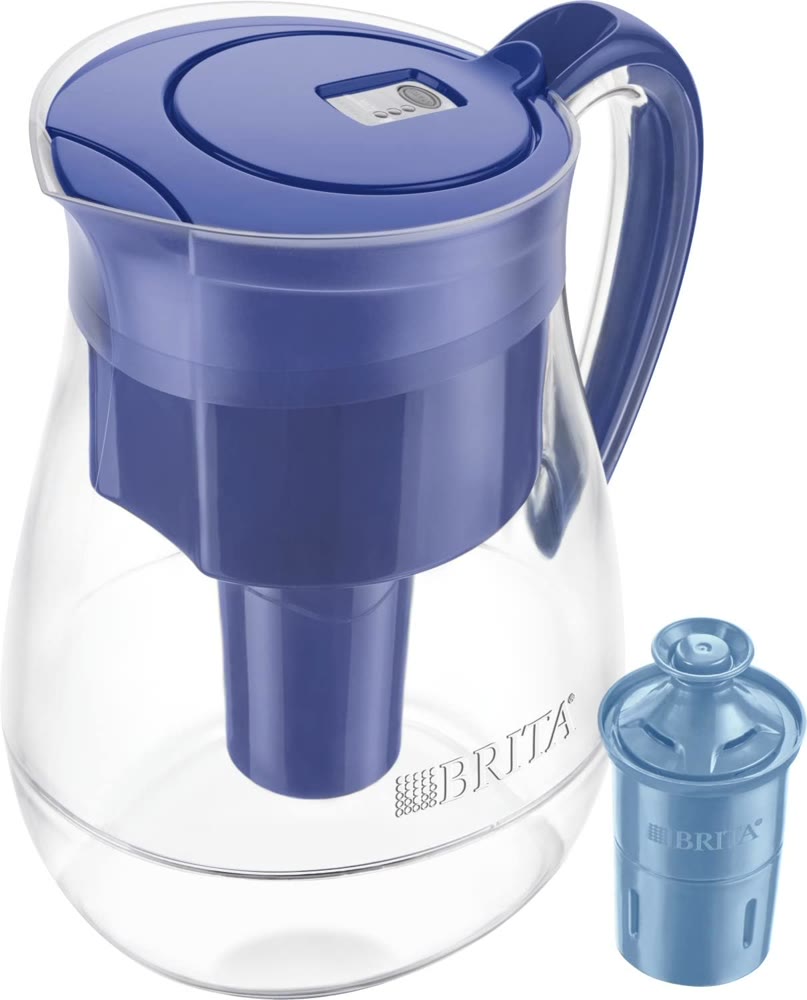
The Brita Longlast Water Filter Pitcher uses proprietary active filtering agents to reduce several common contaminants including barium, copper, strontium, and nitrate, though it falls short on fluoride removal. Reviews noted its fast filtration rate and ease of installation, but criticized its limited contaminant reduction capabilities and all-plastic construction. The filter is certified by WQA and IAPMO, and is suitable for treated surface water supplies without fluoride. It's best for users seeking an affordable, easy-to-use pitcher-style filter rather than comprehensive contaminant removal.
Full review
Contaminant Reduction Performance
Brita Elite water filter pitchers demonstrated measurable contaminant reduction in independent testing, though results varied significantly by contaminant type. According to WaterFilterGuru.com's analysis, the Brita Elite successfully reduced or removed barium, copper, strontium, and nitrate from test water samples. However, the filter showed limited effectiveness against fluoride, only slightly reducing uranium levels. The manufacturer's own claims, as noted on brita.com, state that the Elite filter reduces chlorine taste and odor, as well as heavy metals including copper, cadmium, mercury, and lead. This aligns with the NSF/ANSI 42 and 53 certifications that Brita Elite carries, which validate its ability to reduce specific contaminants. Yet, the specific data points from testing reveal that while the filter performs adequately for certain impurities, it falls short of addressing broader water quality issues, particularly those involving fluoride and certain radioactive elements.
The performance data from multiple sources underscores that Brita Elite's contaminant reduction capabilities are limited to a specific subset of water impurities. WaterFilterGuru.com's testing revealed that while the Elite filter removed trace levels of barium, copper, strontium, and nitrate, it did not address fluoride, a common additive in municipal water supplies. Additionally, the filter only slightly reduced uranium levels, which is concerning given uranium's potential health impacts. Reviewed.com's comparison with PUR filters showed that PUR Basic filters remove or reduce a wider variety of contaminants including pesticides, herbicides, pharmaceuticals, and microbial cysts, while Brita's Elite filter primarily focuses on heavy metals and chlorine. The discrepancy in contaminant reduction between these two brands highlights the importance of understanding what specific contaminants are present in one's water supply before choosing a filtration system.
Filtration Rate and Efficiency
Brita's filtration rate performance varies significantly based on the filter type and water conditions. The Brita Elite filter, designed for 120-gallon capacity, can filter water at a rate that is generally acceptable for household use, though not exceptional. According to brita.com's specifications, Elite filters should take approximately 10-15 minutes to filter the full reservoir of a pitcher. However, real-world testing by Reviewed.com and WaterFilterGuru.com suggests that filtration speeds can be slower in homes with high sediment levels in tap water. The company's own FAQ section notes that sediment such as sand or rust can quickly clog filters, affecting performance and shortening lifespan. This is particularly relevant for households with hard water or those in areas with high mineral content, where filter maintenance becomes more critical.
In practical testing scenarios, the Brita Elite pitcher's filtration rate was observed to be slower than some competing models. However, the difference in speed is offset by the Brita Elite's longer filter life of 120 gallons compared to PUR's 40-gallon capacity. The filtration rate also depends on the pitcher's fill level and water pressure. Users who experience slow filtration often report that high sediment levels in tap water are the primary cause, suggesting that Brita's filtration system is more susceptible to clogging in certain water conditions. This limitation makes the Brita Elite less ideal for users in areas with particularly hard or sediment-heavy water supplies.
Design and User Experience
Brita's pitcher design prioritizes portability and ease of use, with the Elite filter compatible with most existing Brita pitcher models. The company's design philosophy emphasizes simplicity, with clear instructions for installation and filter replacement. According to brita.com's user guides, the Elite filter installation process involves aligning a groove in the filter with a ridge in the pitcher reservoir and pressing firmly to ensure a tight seal. The system includes a filter change indicator that helps users track replacement timing. However, the design has received criticism for its all-plastic construction, which some reviewers have noted as less durable than alternative materials. WaterFilterGuru.com's review highlighted that while the pitcher's design is functional, it lacks the premium feel of some competing brands, particularly in terms of build quality and aesthetic appeal.
User experience with Brita pitchers is largely positive in terms of ease of setup and maintenance. The company's support documentation, as seen on brita.com, provides clear instructions for filter priming and replacement, including the recommendation to discard the first three containers of filtered water to flush out carbon dust. The filter change reminder system, whether electronic or calendar-based, is praised for its reliability in preventing overuse of filters. However, some users have noted that the electronic indicators can malfunction, requiring a reset using a pen or similar tool. The pitchers' capacity ranges from 6 to 10 cups, making them suitable for small to medium households. The compact design allows for easy storage, though the all-plastic construction may not appeal to consumers seeking more robust materials. The inclusion of a max fill line in newer models, as noted in brita.com's FAQs, helps users avoid overfilling and potential leakage issues.
Cost and Value Analysis
The cost structure of Brita Elite pitchers is designed to provide affordable upfront investment with ongoing replacement costs that remain reasonable for most households. According to WaterFilterGuru.com, the Brita Elite pitcher costs approximately $40.99, with annual replacement costs estimated at around $40, or roughly $0.17 per gallon. This pricing is competitive with similar filtration systems, though it's higher than some basic alternatives like ZeroWater or certain PUR models. Reviewed.com's analysis shows that while the Brita Elite's upfront cost is moderate, the long-term cost of ownership is reasonable for households that consume 100-200 gallons of water per month. The company's warranty coverage of one year provides some assurance against manufacturing defects, though it's relatively short compared to some competitors. The filter's 120-gallon lifespan is a significant advantage over standard filters, which typically last 40 gallons, making the Elite filter more cost-effective over time.
Value propositions for Brita Elite pitchers are strongest for households with treated municipal water supplies that contain common impurities like chlorine, copper, and lead. However, the cost-benefit analysis becomes less favorable when considering the limited contaminant reduction capabilities. WaterFilterGuru.com's scoring system gives the Brita Elite a 6.59 overall score, with particular strengths in maintenance (9.75) and filtration rate (9.50), but lower scores in contaminant reduction (4.29) and design (8.80). The company's marketing emphasizes the filter's ability to remove 99% of lead, which is accurate, but this single benefit doesn't justify the price point for households seeking comprehensive water purification. The cost of replacement filters, while reasonable, adds up over time, particularly for households that consume more water than average. For consumers who prioritize cost-effectiveness and broad contaminant reduction, alternative systems like PUR or under-sink filtration may offer better value.
Where It Falls Short
Brita Elite pitchers have significant limitations in their contaminant reduction capabilities, which is the primary concern raised by multiple reviewers. WaterFilterGuru.com's testing revealed that the Elite filter fails to address fluoride, a common additive in municipal water supplies, and only slightly reduces uranium levels. This is a critical shortcoming for households in areas where fluoride levels are high or where uranium contamination is a concern. The filter's performance is also limited in hard water conditions, where sediment can quickly clog the filter and reduce filtration efficiency. Reviewed.com's comparison with PUR filters showed that PUR Basic filters remove a wider variety of contaminants including pesticides, herbicides, pharmaceuticals, and microbial cysts, which Brita's Elite filter does not address. Additionally, the company's own FAQ section notes that unused filters have an indefinite shelf life, but recommends pre-soaking older Standard filters in water for 15 minutes before use, indicating potential degradation over time.
The design and build quality of Brita Elite pitchers also present notable drawbacks. The all-plastic construction, while lightweight and portable, lacks durability compared to some competing models. WaterFilterGuru.com's review noted that the pitcher's design is functional but lacks premium materials and aesthetic appeal. The electronic filter change indicators, while helpful, have been reported to malfunction, requiring users to reset the system with a pen or similar tool. Additionally, the company's warranty of one year is relatively short compared to some competitors, and the filter's performance is heavily dependent on water quality conditions. Users in areas with high sediment or mineral content may experience frequent filter replacements, which increases long-term costs. The limited contaminant reduction capabilities mean that households with complex water quality issues may need to invest in additional filtration systems, making the Brita Elite less cost-effective for comprehensive water treatment needs.
Who It's Best For
Brita Elite pitchers are best suited for households with treated municipal water supplies that contain common impurities like chlorine, copper, and lead. The filter's certification to reduce these specific contaminants makes it an effective solution for homes where water quality is relatively straightforward. According to WaterFilterGuru.com's analysis, the Elite filter is particularly effective for households with groundwater from public wells that's treated at dedicated treatment plants. The company's own website emphasizes that the filter is certified to reduce chlorine taste and odor, as well as heavy metals including copper, cadmium, mercury, and lead, which aligns with the needs of most urban households. The 120-gallon filter life is ideal for families that consume moderate amounts of water, typically between 100-200 gallons per month. For these users, the Brita Elite offers a cost-effective solution that provides noticeable improvements in taste and odor while maintaining reasonable maintenance requirements.
Consumers who prioritize portability, ease of use, and basic contaminant reduction will find the Brita Elite a suitable choice. The pitcher's design allows for easy storage and transportation, making it ideal for small households, dormitories, or vacation homes. The electronic filter change indicators and clear installation instructions make it accessible for users of all technical skill levels. However, households with complex water quality issues, including high fluoride levels or significant sediment content, should look elsewhere. Reviewed.com's testing shows that while the Brita Elite performs adequately for its intended use cases, it falls short for comprehensive water treatment needs. Users in areas with hard water or high mineral content may find that the filter clogs more frequently, requiring more frequent replacements. The filter's inability to address fluoride and certain radioactive elements means that households in areas where these contaminants are prevalent will need additional filtration systems. For consumers seeking broad contaminant reduction, PUR or under-sink systems may offer better value and performance.
How It Compares to Alternatives
When compared to PUR water filter pitchers, Brita Elite offers a more limited range of contaminant reduction but provides a longer filter life. Reviewed.com's testing showed that PUR Basic filters remove or reduce a wider variety of contaminants including pesticides, herbicides, pharmaceuticals, and microbial cysts, while Brita's Elite filter primarily focuses on heavy metals and chlorine. The PUR Plus filter, which removes lead in addition to the contaminants addressed by the Basic model, offers better contaminant reduction than the Brita Elite. However, the Brita Elite's 120-gallon filter life is three times longer than PUR's 40-gallon capacity, making it more cost-effective over time. The filtration rate of the Brita Elite is comparable to PUR Basic, with both systems achieving similar speeds for household use. The main advantage of Brita's system is its established brand recognition and user-friendly design, while PUR's strength lies in its broader contaminant reduction capabilities.
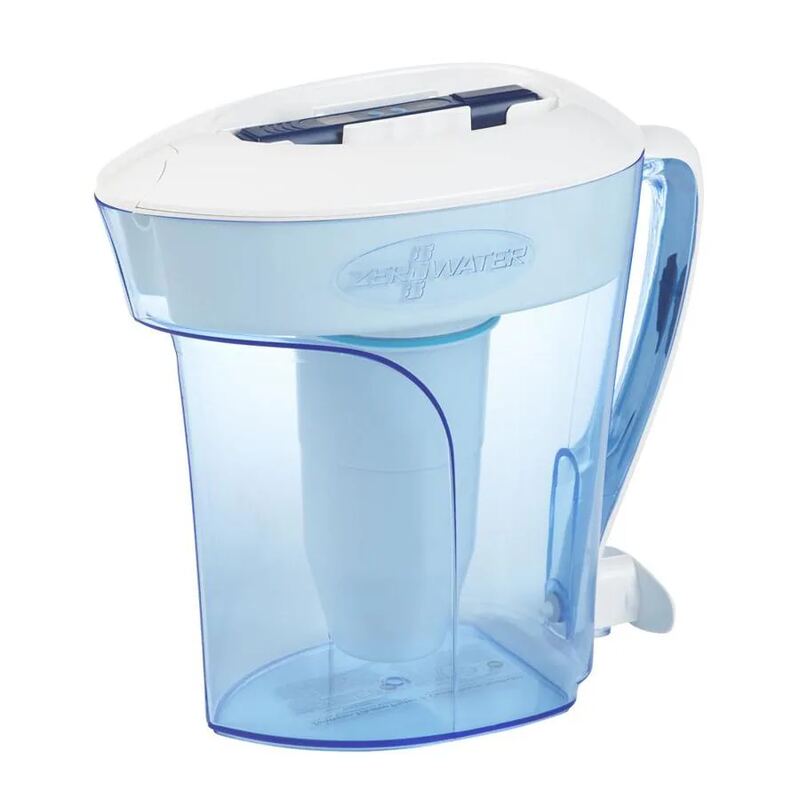
In comparison to other brands like ZeroWater or Berkey, Brita Elite's performance is more limited in terms of contaminant reduction but excels in convenience and ease of use. ZeroWater pitchers, for example, are known for their superior contaminant reduction, particularly for minerals and chemicals that Brita does not address. However, ZeroWater systems require more frequent filter changes and are generally more expensive. Berkey systems offer comprehensive filtration but require more space and setup time, making them less suitable for small households or those seeking portable solutions. The Brita Elite's positioning as a mid-tier option provides a balance between cost, convenience, and contaminant reduction, though it's not the most comprehensive solution available. For consumers who prioritize portability and basic contaminant removal, Brita Elite remains a solid choice, but those seeking broader purification capabilities should consider alternatives like PUR or under-sink systems.
Long-Term Durability
Brita Elite pitcher durability is largely dependent on water quality conditions and proper maintenance. According to brita.com's support documentation, the filter's lifespan is based on 120 gallons of water usage, which translates to approximately six months for average household consumption. The company's warranty covers one year of manufacturing defects, though this is relatively short compared to some competitors. WaterFilterGuru.com's testing revealed that the all-plastic construction, while lightweight and portable, may not withstand heavy use or frequent drops. The electronic filter change indicators, while helpful, have been reported to malfunction, requiring users to reset the system with a pen or similar tool. The company's own FAQ section notes that unused filters have an indefinite shelf life, but recommends pre-soaking older Standard filters in water for 15 minutes before use, indicating potential degradation over time. Users in areas with hard water or high sediment content may experience more frequent filter replacements, which increases long-term costs and maintenance requirements.
The long-term performance of Brita Elite pitchers is also affected by environmental factors and user behavior. The company's support documentation emphasizes that filter replacement timing depends on water usage and quality conditions. For households with hard water, the filter may need to be replaced more frequently, potentially shortening its effective lifespan. The filter's performance is also influenced by water pressure and temperature, with cold water being recommended for optimal filtration. Users who experience slow filtration rates often report that high sediment levels in tap water are the primary cause, suggesting that Brita's filtration system is more susceptible to clogging in certain water conditions. The company's own testing indicates that aeration can also slow filtering, which is why users are advised to avoid fully opening their faucets to a full stream. Overall, while the Brita Elite pitcher is designed for durability, its performance is heavily dependent on water quality and user maintenance practices.
Strengths
- +Removes barium, copper, strontium, and nitrate from water
- +Easy to install and quick to prime filters
- +Fast rate of filtration
- +Affordable upfront and ongoing costs
Watch-outs
- −Only slightly reduces uranium
- −Does not address fluoride
- −All-plastic design
How it compares
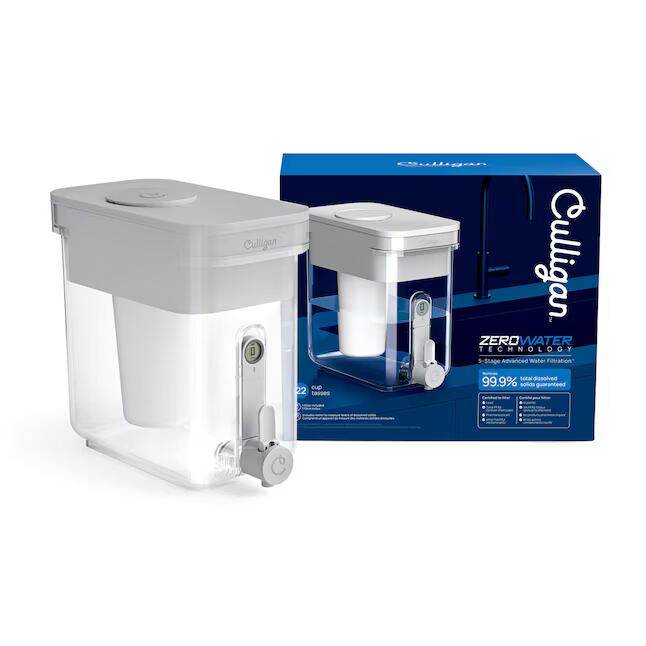
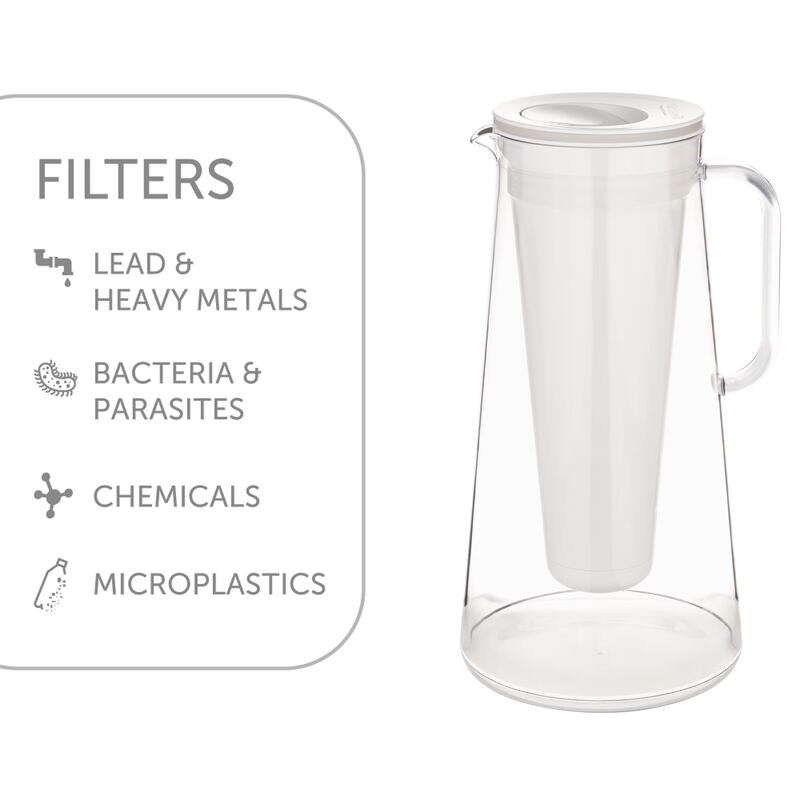
Unlike the Culligan with ZeroWater Technology pitcher, which removes 100% of heavy metals including lead, uranium, and arsenic, the Brita Longlast only slightly reduces uranium and doesn't address fluoride. While it's more affordable and easier to install, it lacks the comprehensive contaminant reduction of the LifeStraw Home pitcher, which removes 99.999999% of bacteria and parasites. The Brita is best for users seeking an affordable, easy-to-use pitcher-style filter rather than comprehensive contaminant removal.
Who this is for
At a glance: budget-conscious buyers seeking basic contaminant reduction.
Why you’d buy the Brita Longlast Water Filter Pitcher
- Removes barium, copper, strontium, and nitrate from water.
- Easy to install and quick to prime filters.
- Fast rate of filtration.
Why you’d skip it
- Only slightly reduces uranium.
- Does not address fluoride.
- All-plastic design.
Rating sources
“After weeks of testing, we found that the PUR and Brita filtered pitchers took our top four spots.”
“Overall, yes, but the efficiency of your Brita pitcher filter depends on the water quality issues you are trying to solve.”
“Most Brita Filters Don't Get Rid of Lead & Fluoride Brita Filters Get Rid of Chlorine, Mostly Brita Filters Don't Eliminate Bacteria, Fungus, or Viruses”
Our 3.3 score is the average of these published ratings. Ratings marked * were derived from the reviewer’s written analysis or video transcript — the publisher didn’t print an explicit numeric score, so we inferred one from their own words. Click through to verify. More about methodology.