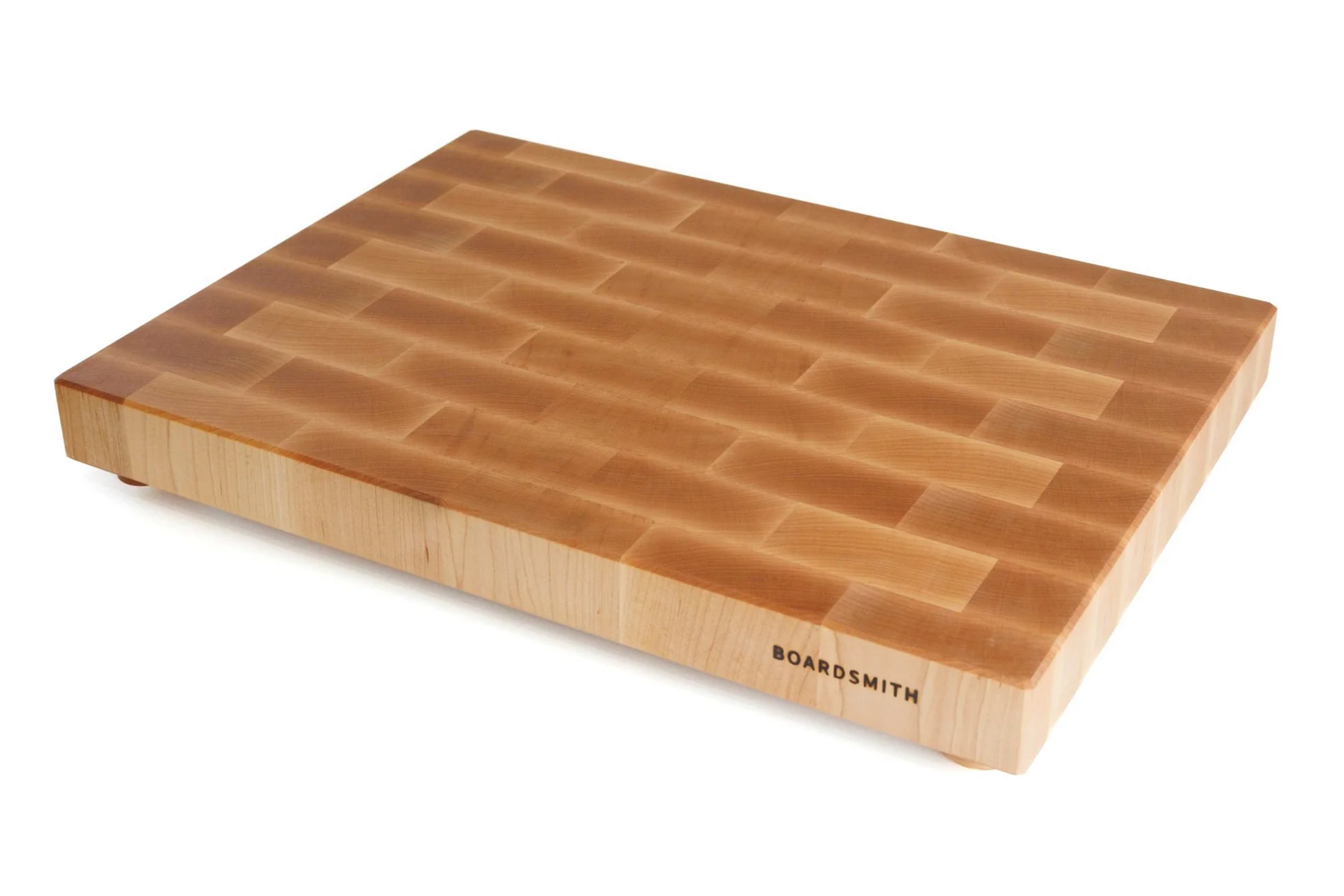
The Boardsmith Maple End-End Grain Cutting Board utilizes FAS-grade hardwoods in a 2-inch thick end-grain construction that seriouseats highlights as preserving knife edges significantly longer than standard alternatives. The substantial mass provides exceptional stability, though bevelandbond notes this weight makes moving and storing the board a deliberate two-hand effort rather than a casual task. Shoppers appreciate the buttery smooth finish emilyreviews describes as artistic, yet they must accept premium pricing starting around $245 and a limited 60-day warranty that leaves long-term structural risks to the owner. This product fits dedicated chefs with ample counter space who prioritize blade retention over convenience, while those needing lightweight mobility or extended manufacturer protection should look elsewhere.
Full review
End-grain durability and knife edge preservation
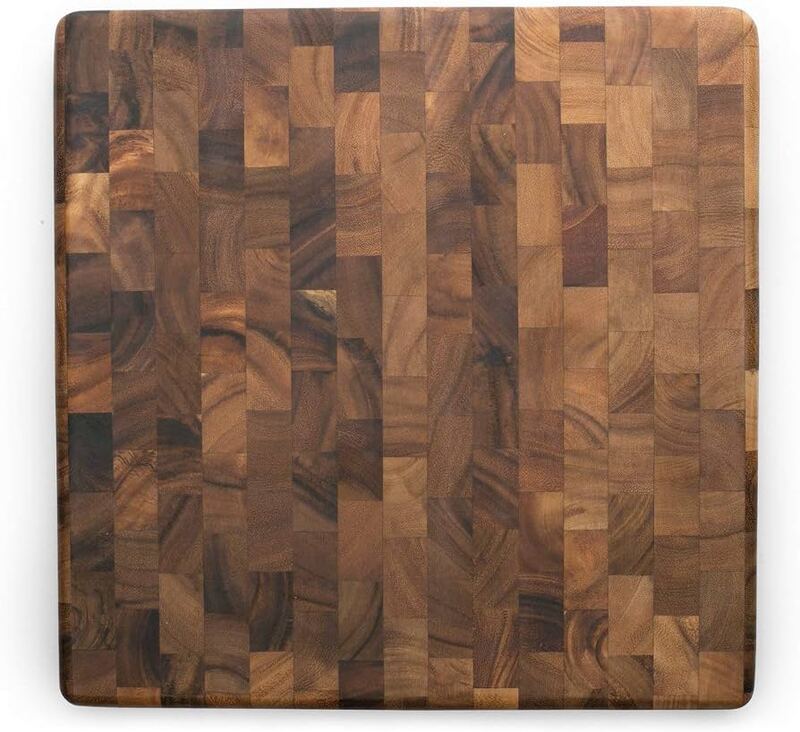
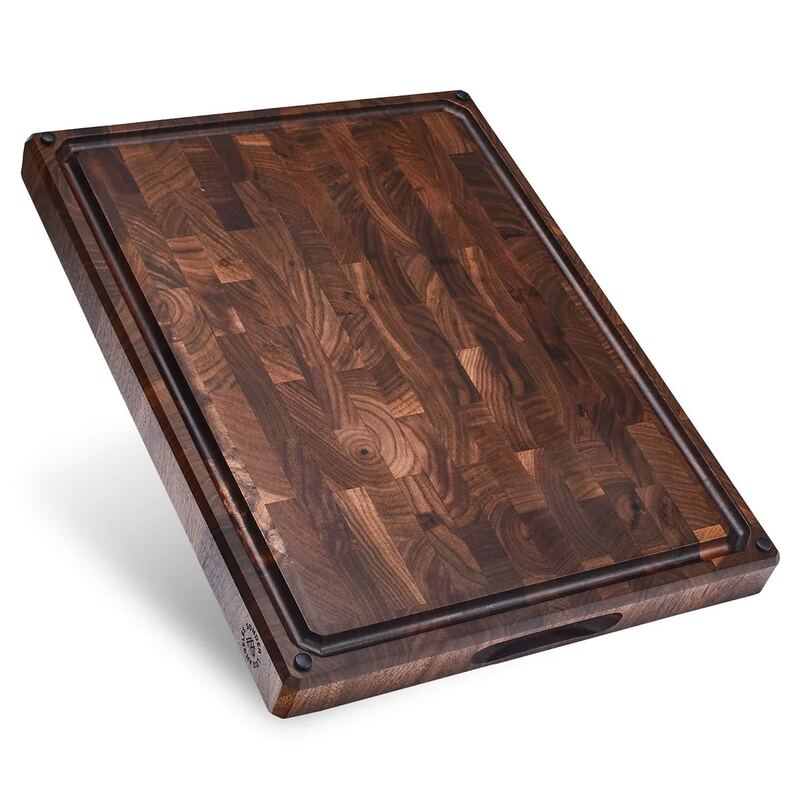
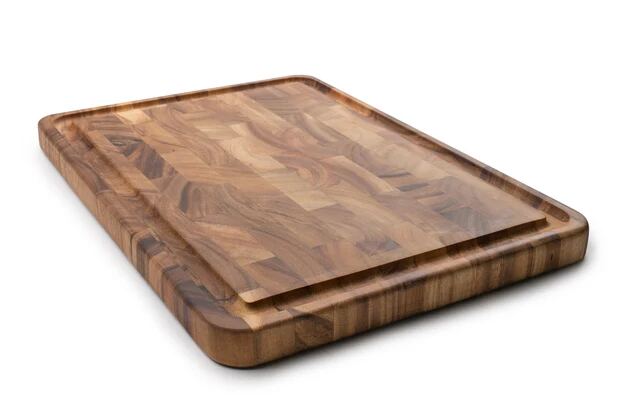
The Boardsmith Maple End-Grain Cutting Board is constructed from FAS-grade hardwoods sourced through sustainable forestry practices, a combination that seriouseats highlights as the foundation of its structural integrity. The end-grain orientation allows knife edges to part wood fibers rather than slicing across them, which significantly reduces dulling compared to edge-grain or plastic alternatives. This mechanical advantage translates into long-term blade retention; editors who have used the board daily for years report that their knives remain sharp far longer than they do on standard prep surfaces.
The physical thickness of the slab is a critical factor in its longevity and stability. The Boardsmith ships every board at 2 inches thick, which bevelandbond notes is substantially heavier than the industry average of approximately 1.5 inches.
The surface finish contributes directly to the knife-friendly reputation of the board. After being soaked in pharmacy-grade mineral oil for over 30 minutes and buffed with pure beeswax board butter, the wood achieves a buttery smooth texture that emilyreviews described as resembling a piece of art rather than utilitarian kitchen gear. This polished end-grain surface minimizes friction during chopping, further protecting delicate knife edges from premature wear.
Wood species selection and aesthetic impact
Shoppers can choose between three distinct hardwood species: hard maple, walnut, and cherry. Each wood offers different visual characteristics and functional properties that influence the final look of a kitchen island or prep station. Walnut provides a dark, warm surface that contrasts sharply with light-colored ingredients, while cherry develops a rich, deepening patina over time as it is exposed to air and oils.
Hard maple remains the most traditional choice for professional-grade cutting boards due to its tight grain structure and neutral color palette. According to Serious Eats, The Boardsmith utilizes a unique 'Carolina slab' pattern that arranges wide sections of hardwood to minimize visible glue joints. This specific layout not only enhances visual cohesion but also staggers the adhesive lines, reducing the likelihood of cracks forming along weak seams during seasonal humidity changes.
emilyreviews noted that the craftsmanship is immediately apparent in the seamless blending of wood pieces into a harmonious surface. The natural idiosyncrasies of organic materials, such as slight discolorations or small voids filled with epoxy, are celebrated rather than hidden. These variations ensure that every board is unique, though they require buyers to manage expectations regarding uniformity compared to mass-produced synthetic alternatives.
Weight and handling challenges in daily use
The substantial thickness of the Boardsmith boards results in significant weight that impacts everyday kitchen workflows. The 18x24 Big Block weighs between 22 to 23 pounds, while even the midsize 16x22 model requires a two-hand lift to move safely. bevelandbond emphasizes that this mass makes washing, moving, and storing the board a deliberate act rather than a casual motion.
For cooks who frequently move their cutting surface from counter to sink or store it in cabinets between uses, the weight becomes a practical constraint. The heft provides stability during aggressive chopping but eliminates the convenience of one-handed maneuvering that lighter boards offer. Shoppers with limited upper body strength or those who prefer a highly mobile prep station may find the fixed mass cumbersome despite its benefits for durability.
The physical dimensions also dictate storage requirements. A 16x22 inch board occupies a large footprint on standard countertops, leaving little room for other prep items when in use. This spatial demand is less of an issue for dedicated chefs with expansive islands but can be restrictive in smaller residential kitchens where counter space is at a premium.
Customization options and functional features
The manufacturer offers several add-ons that modify the board's functionality to suit specific cooking habits. Polyurethane feet can be installed on the bottom, elevating the surface by approximately seven-eighths of an inch. These feet are color-matched to the wood species and secured with stainless steel screws, providing stability during use while protecting countertops from scratches. The only exception noted is for users five foot three or shorter, where the added height might be uncomfortable.
Finger grooves cut into the edges assist with lifting and moving the heavy slab. While not strictly necessary if feet are installed—since fingertips can slide underneath—the grooves provide an alternative grip method that about half of customers choose to add. This feature simplifies the handling process for those who prefer a traditional hold over the elevated foot design.
Juice grooves offer another layer of customization for meat carving and wet prep tasks. A perimeter groove cut into the top surface captures juices but reduces usable cutting area by roughly two inches on each side. Alternatively, a bottom-side juice groove circumnavigates the feet, providing containment without sacrificing top-surface real estate. This option is particularly useful for occasional heavy use cases like holiday turkey carving.
Care requirements and moisture management
Maintaining the integrity of the end-grain surface requires consistent oiling rather than passive upkeep. The manufacturer recommends a combination approach using pure mineral oil to penetrate deep into wood fibers, followed by board butter containing beeswax to protect the surface.
Warping is a common issue with wooden boards caused by uneven moisture exposure on one face. The recommended solution involves running the concave side under cold water for five to ten seconds before drying it vertically on edge. This technique often flattens the board within minutes, after which applying generous amounts of oil and butter seals the wood against future swelling.
Micro-cracking in maple boards typically occurs during dry winter months when humidity levels drop. These hairline fractures usually close naturally as seasons change to spring or summer. For odor retention from ingredients like garlic or onions, wiping the surface with a raw apple or potato slice triggers a chemical reaction that pulls smells out of the wood fibers without harsh chemicals.
Warranty limitations and purchase considerations
The warranty coverage for The Boardsmith products is limited to 60 days from receipt, which bevelandbond identifies as a potential concern given the premium price point of the boards. This short window covers immediate defects in material or workmanship but does not extend protection against warping, cracking, or glue joint failure that may develop months or years later.
For consumers investing between $245 and over $500 depending on size and wood species, a longer manufacturer commitment might be expected. The 60-day period is sufficient for catching shipping damage or obvious fabrication errors but leaves buyers responsible for long-term structural issues that emerge after the warranty expires.
Boards are made to order rather than shipped from stock, which introduces lead times into the purchasing process. This custom manufacturing model ensures quality control but requires planning ahead for gifts or specific project deadlines. Shoppers should confirm current wait times before ordering if they have a firm date in mind.
Strengths
- +End-grain construction made from FSC-certified, FAS-grade hardwoods ensures structural integrity and longevity.
- +2-inch thickness provides substantial stability compared to the industry average of 1.5 inches.
- +Smooth surface is gentle on knife edges, helping blades stay sharp longer than many competitors.
- +Available in three distinct wood species: hard maple, walnut, and cherry, per Bevel and Bond.
Watch-outs
- −Premium pricing with entry-level models starting around $245 and larger sizes exceeding $500, according to Bevel and Bond.
- −Heavy weight makes the board difficult to move for washing or storage; even midsize boards require two hands.
- −60-day warranty is considered short for a product in this high price tier.
How it compares
At 2 inches thick, this board is significantly heavier and more stable than the Ironwood Gourmet Charleston (1.25 inches) or the Sonder Los Angeles Alfred (1.5 inches).
Rating sources
“The Boardsmith Makes the Best Wooden Cutting Boards—Period.”
“I am in love with my cutting board from The Boardsmith! I wish I could invite you over to my home to see it because my photos dont do it justice.”
“The Boardsmith makes excellent end-grain cutting boards... If you buy a Boardsmith board, you are getting a serious piece of kitchen equipment from a shop that knows what it's doing.”
Our 4.8 score is the average of the 3 scored reviews above; 1 more reviewed it without printing a score and is not in the average. Ratings marked * were derived from the reviewer’s written analysis or video transcript — the publisher didn’t print an explicit numeric score, so we inferred one from their own words. Click through to verify. More about methodology.