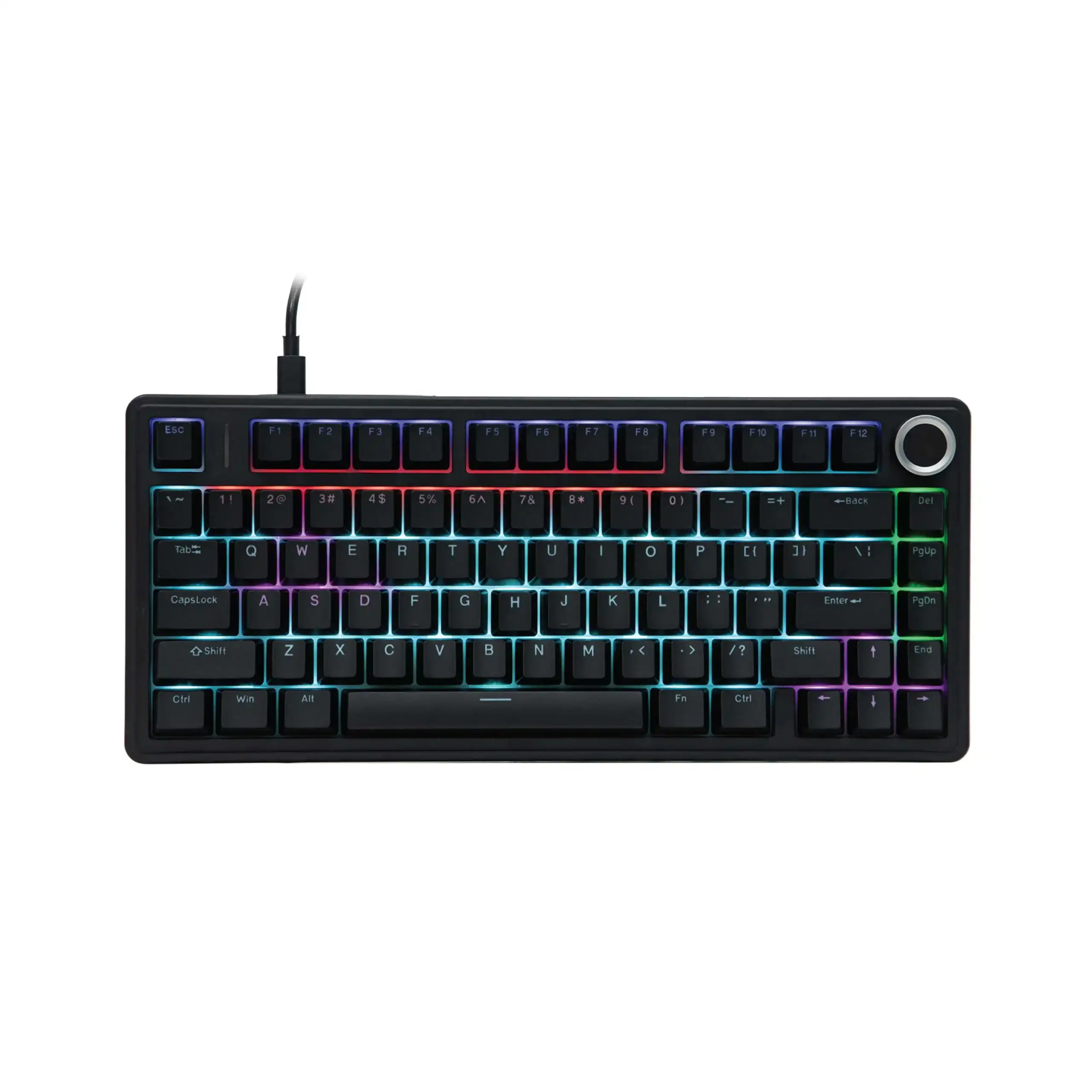
IGN found that the AULA F75 delivers a premium typing experience through its gasket-mounted structure and five layers of sound-absorbing foam, which effectively mute hollow noises. The keyboard includes tri-mode connectivity, hot-swappable sockets for easy switch replacement, and a tactile volume knob on the top right corner. However, it lacks QMK/VIA support, limiting deep customization, and is difficult to disassemble without risking damage to the plastic housing. This model suits users who value build quality and sound dampening but should be avoided by enthusiasts seeking full firmware control or easy internal modifications.
Full review
Gasket mounting and five-layer foam dampening
The AULA F75 achieves a premium typing feel through its gasket-mounted structure combined with extensive internal sound-dampening materials. IGN found that the keyboard includes five layers of sound-absorbing foam designed to reduce noise and improve the tactile experience. This multi-layer approach effectively offsets the potentially clacky sound profile often associated with thinner keycaps, creating a more muted and refined acoustic signature during use.
The gasket mount system contributes significantly to the overall typing feel by isolating the plate from the case. This construction method allows for a degree of flex that enthusiasts typically look for in higher-end custom builds. The combination of the flexible mounting and the dense foam packing ensures that keypresses do not result in hollow, plastic-on-plastic noises, delivering a solid yet soft bottom-out.
LEOBOG switches and PBT keycap texture
The keyboard ships with LEOBOG linear switches that provide a smooth keystroke experience. IGN noted that the included keycaps are made from double-shot PBT, offering durability and resistance to shine over time. While these caps are not the thickest available on the market, their construction is solid enough to maintain structural integrity during intense typing or gaming sessions.
The surface of the keycaps features a smooth coating rather than the grainy texture found on many other PBT sets. This finish provides a distinct tactile feel that some users may find slippery initially, though IGN reported no issues with slipping while typing or playing games. The legends are printed clearly and align consistently across all keys, contributing to a clean aesthetic appearance.
Volume knob functionality in office versus game modes
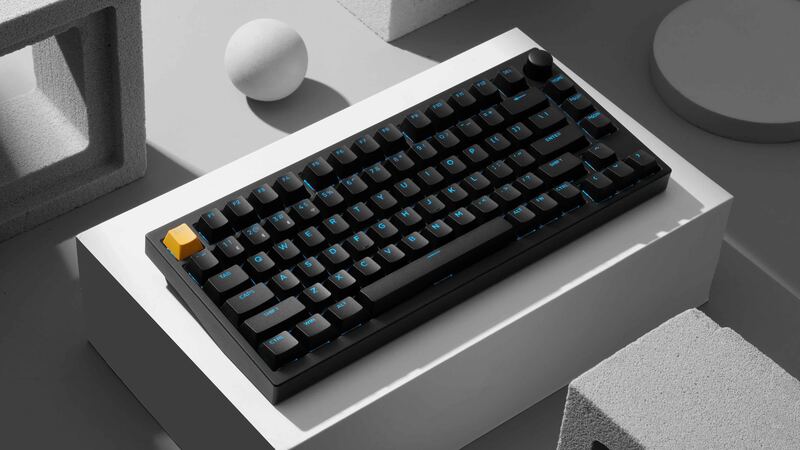
A prominent feature on the top right corner is the tactile volume knob, which offers dual functionality depending on the selected mode. IGN explained that users can switch between Office Mode and Game Mode by pressing the knob until the Win key and Caps Lock key flash three times to indicate the change. This simple toggle allows for quick adaptation to different usage scenarios without navigating complex software menus.
Vertical LED strip beside escape key
The design includes a vertical LED strip located next to the escape key that IGN found to be an unnecessary aesthetic choice. Unlike the rest of the keyboard which supports full RGB lighting, this specific strip only blinks in a single white color and serves no functional purpose. This constant illumination can detract from the overall visual cleanliness of the device.
Lack of QMK VIA support limits customization
A significant limitation for enthusiasts is the absence of QMK and VIA support, which restricts deep keyboard customization. IGN highlighted that this lack of open-source firmware compatibility makes it difficult to remap keys or create complex macros without relying on proprietary software. Users seeking full control over their input devices will find these constraints frustrating compared to other options in the market.
Difficult disassembly prevents internal modifications
The physical construction of the AULA F75 makes it challenging to open without risking damage to the plastic housing. IGN noted that the difficulty in disassembling the case hinders any attempts to modify the internal components or swap out switches for different models. This design choice effectively locks users into the factory configuration, preventing the kind of hands-on tinkering common in the mechanical keyboard hobby.
Strengths
- +Tri-mode connectivity including Bluetooth, 2.4GHz wireless, and wired USB.
- +Gasket-mounted structure with five layers of sound-absorbing foam for a premium typing feel.
- +Hot-swappable PCB allows for easy switch replacement without soldering.
- +Includes a tactile volume knob on the top right corner.
Watch-outs
- −Lacks QMK/VIA support, limiting deep customization and remapping capabilities.
- −Difficult to disassemble without risking damage to the plastic housing.
How it compares
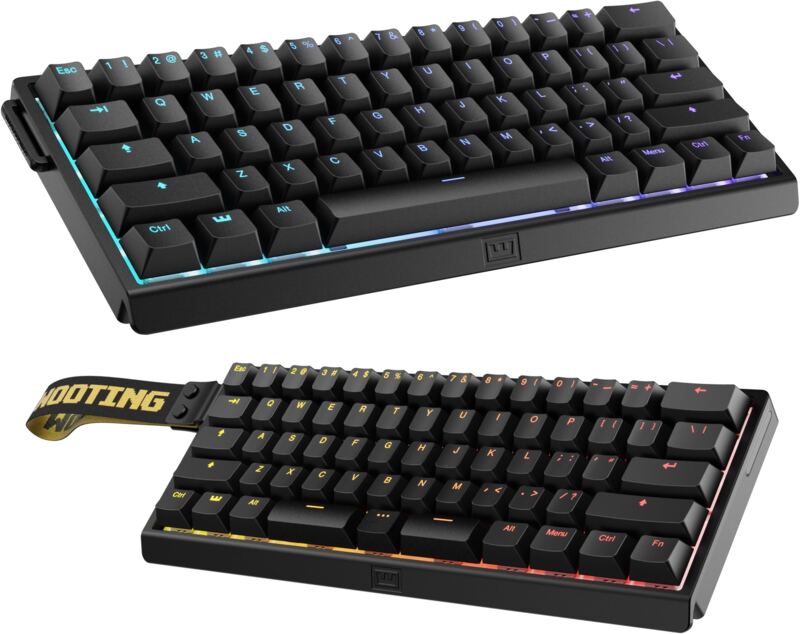
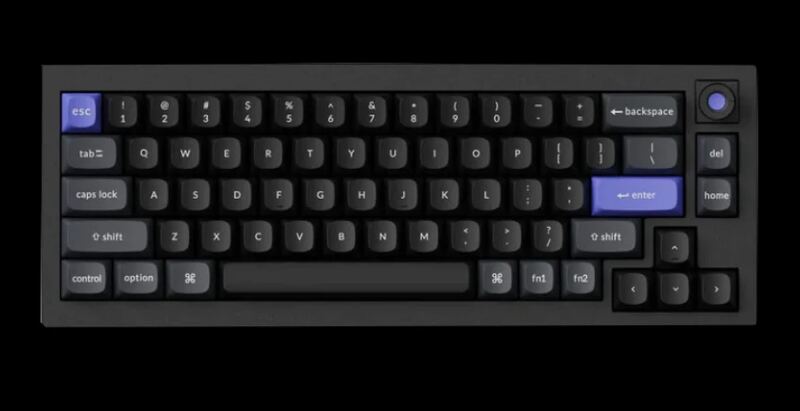
The AULA F75 offers tri-mode connectivity including wired USB, whereas the Wooting 60HE v2 is strictly wired-only. It features a gasket-mounted ABS plastic case with sound-absorbing foam for acoustics, contrasting with the rigid aluminum chassis of the Keychron Q1 HE and Lemokey P1 HE Wireless.
Rating sources
Counts as 4.18/5 in our score — this publisher's 87 scores on the site average 3.98, so its scores are adjusted up to compare fairly with other publishers.
Counts as 4.61/5 in our score — this publisher's 2 scores on the site average 3.80, so its scores are adjusted up to compare fairly with other publishers.
Our 4.4 score is the average of the 2 scored reviews above, each adjusted for how strictly its publisher scores; 3 more reviewed it without printing a score and are not in the average. More about methodology.