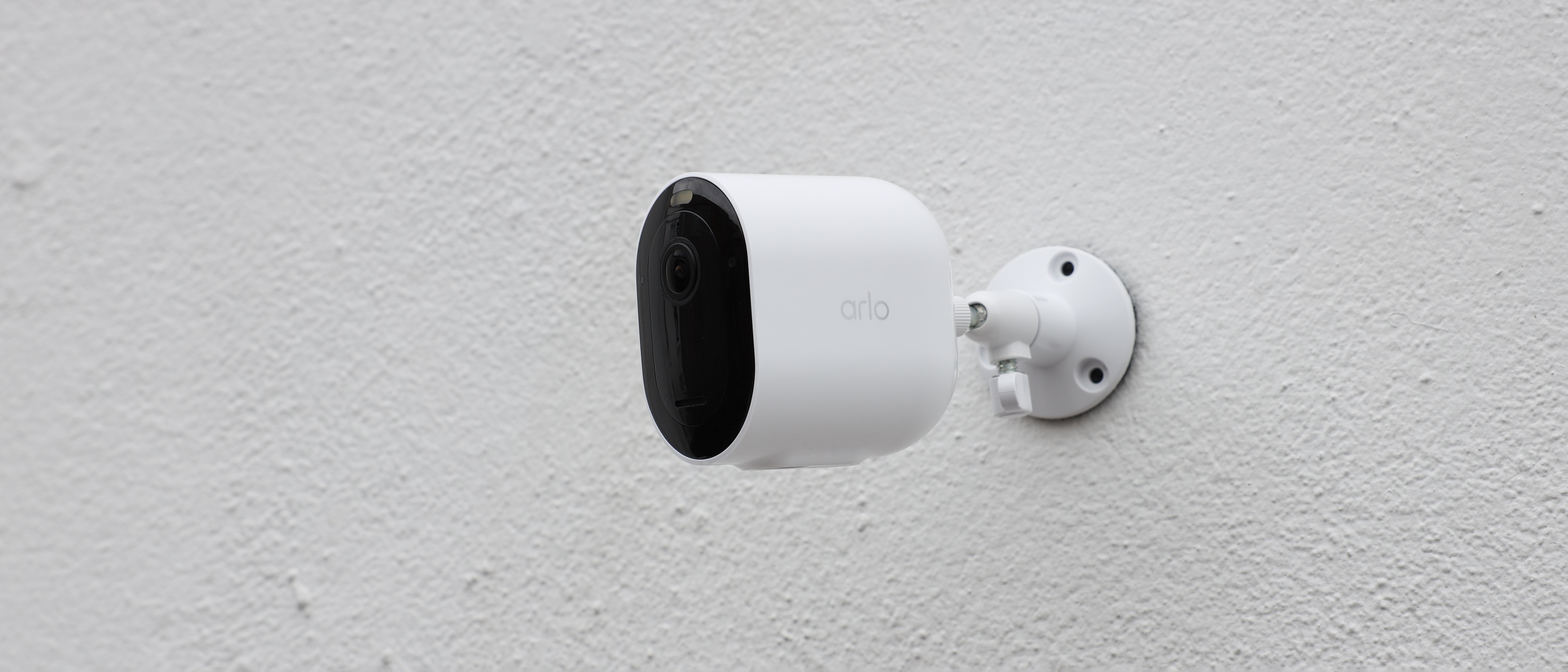
The Arlo Pro 5S 2K is the polished, feature-rich choice. Digital Camera World scored it 4.5/5 and praised its full-color 2K night video as 'very very good,' while Tom's Guide gave it 4/5 for excellent video and deep automations. Every review raises the same criticism: the camera's best capabilities (rich notifications, AI object categories, cloud clips) sit behind Arlo's paid Secure plan. If you are willing to subscribe, it is one of the most capable and best-integrated cameras available; if you refuse to pay monthly, the eufyCam S3 Pro or Reolink make more sense.
Full review
Full-color 2K night video called 'very very good'
The Arlo Pro 5S 2K is the most polished camera in this group, and its standout improvement is night video. Digital Camera World's tester was effusive: 'the new ability to shoot full-color video at night in 2K resolution, and I can happily say that it is very very good.' By day the 2K HDR sensor produces clean, high-contrast footage, and the 12x digital zoom plus a bright integrated spotlight make it easy to pick out a face or a license plate. Arlo's dual-band Wi-Fi is a quietly important feature — the camera connects to whichever 2.4GHz or 5GHz band is stronger, which keeps streams reliable at the edges of a property.
Where Arlo pulls ahead of cheaper rivals is the software. Geofencing, custom activity zones, emergency-response routing, and tight integration with the broader Arlo ecosystem make it feel like part of a real security system rather than a standalone gadget.
The Subscription Catch
Digital Camera World put it bluntly: 'the only negative I have to the Arlo Pro 5S's performance is that almost all its best features are locked behind a paywall.' AI object categorization, cloud clip storage, rich notifications, and the smartest detection features all require an Arlo Secure subscription. Without it, the camera still records and alerts, but you lose much of what justifies the premium price. Over a few years the running cost can exceed what a subscription-free eufy or Reolink system costs to own outright.
30% more battery than the Pro 4, solar sold separately
Arlo improved endurance for this generation. Digital Camera World noted the Pro 5S ships 'with a longer-than-ever battery life that means less battery anxiety and less charging time,' and Arlo cites up to 30% more battery than the Pro 4, with a low-power mode that can stretch life another 50% in quiet locations. A magnetic charging cable makes top-ups painless, and an optional solar panel can keep it running indefinitely.
The caveat is that, unlike the eufyCam S3 Pro and Reolink Argus 4 Pro, the solar panel is sold separately rather than bundled, so the true cost of a maintenance-free install is higher than it first appears. In high-traffic spots the battery still drains noticeably faster than eufy's much larger cell, and the more you lean on features like full-color 2K night recording and frequent clip capture, the more often you will be reaching for the charging cable.
Geofencing and emergency routing set it apart
Tom's Guide summarized the camera as offering 'excellent video quality, robust automations, but pricey investment,' scoring it 4/5. Digital Camera World went higher at 4.5/5 on the strength of that night video. Consumer Reports placed Arlo among 'some of the best cloud-based security cameras on the market, with the Pro 5S among their tested models.' The hardware and software both earn praise; the asterisk is always cost.
Reviewers single out the software ecosystem as Arlo's real moat. The geofencing that arms and disarms cameras as you come and go, the granular activity zones, the emergency-response routing, and the deep smart-home integrations add up to an experience that feels like a managed security system rather than a single camera. That polish is exactly what justifies the premium for buyers who value it — and exactly what is missing from cheaper, simpler rivals.
Free storage lags eufy's 16TB HomeBase ceiling
Beyond the subscription gate, the Pro 5S is expensive upfront, especially in multi-camera kits, and its free local storage is limited compared to eufy's HomeBase 3 with its 16TB ceiling. Battery life, while improved, still drains noticeably faster in high-traffic spots than the huge-cell eufyCam. Buyers who want everything Arlo offers should budget for both the hardware and the recurring plan.
Years of Arlo Secure can cost more than the camera
The Pro 5S's value depends entirely on how you weigh the subscription. As a piece of hardware it is excellent — 2K HDR, full-color night vision, 12x zoom, dual-band Wi-Fi, and a bright spotlight for well under $200 in single-camera form. But the recurring Arlo Secure fee changes the lifetime equation: a few years of subscription can cost as much as the camera itself, and the subscription-free eufyCam, Reolink, and Tapo options claw that money back. The honest framing is that you are paying for software polish and ecosystem depth, and whether that is worth a monthly bill is a personal call.
Value depends on already using the Arlo app
The Arlo Pro 5S 2K is the right pick if you are already in the Arlo ecosystem, value polished software and automations, and are comfortable paying for Arlo Secure. It is one of the most capable and best-integrated cameras you can buy, and the night video genuinely impressed reviewers. If a monthly fee is a dealbreaker, the eufyCam S3 Pro and Reolink Argus 4 Pro deliver comparable or better night video with no recurring cost, and the TP-Link Tapo C460 KIT undercuts it on price entirely while still offering free AI detection.
Strengths
- +Excellent 2K HDR video with genuinely good full-color night recording
- +Dual-band Wi-Fi auto-connects to whichever 2.4/5GHz network is stronger
- +12x zoom and a bright integrated spotlight aid identification
- +Longer battery life than the Pro 4, with a low-power mode for quiet areas
- +Rich automation, geofencing, and emergency-response integration
Watch-outs
- −Almost all the best features are locked behind the Arlo Secure subscription
- −Premium pricing, especially for multi-camera kits
- −Free local storage is limited compared to eufy's HomeBase approach
- −Battery drains faster in high-traffic spots
How it compares
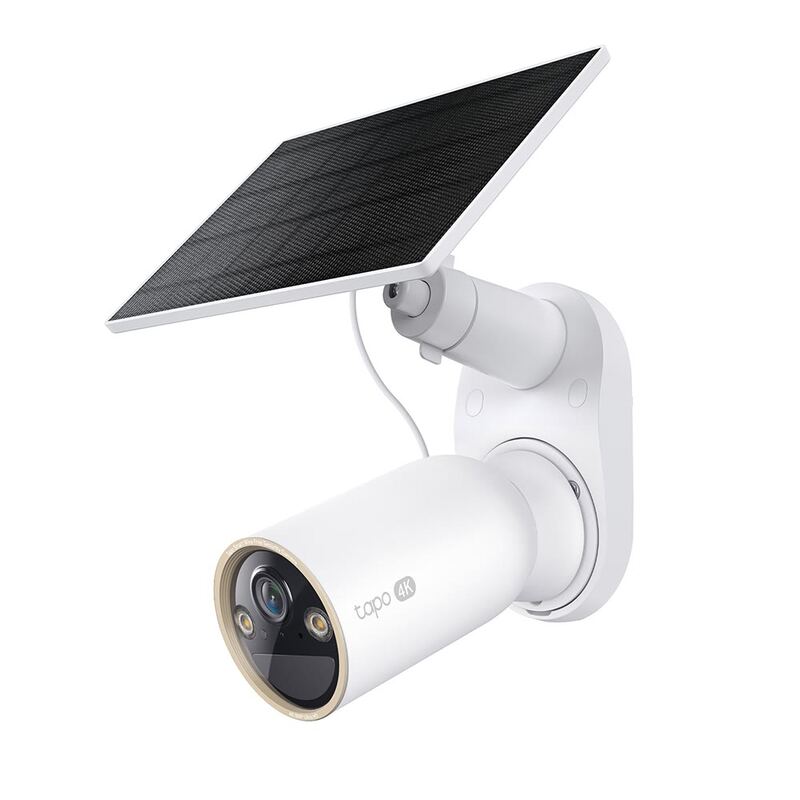
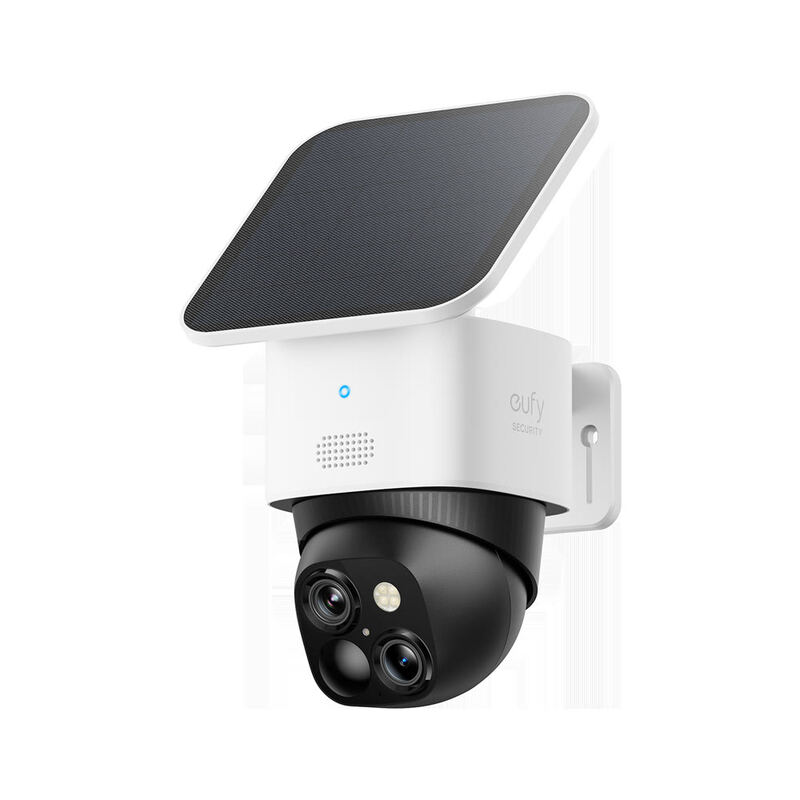
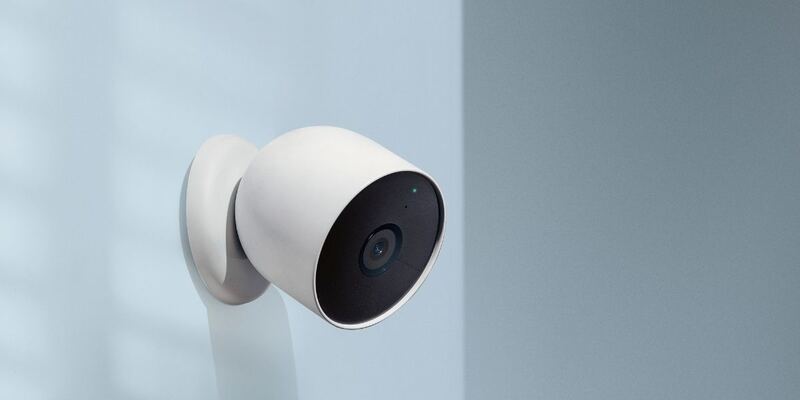
The Arlo Pro 5S 2K matches the eufyCam S3 Pro and Reolink Argus 4 Pro on color night video but ties its best features to a subscription, where eufy and Reolink are free. It is more polished and better integrated than the Google Nest Cam, the TP-Link Tapo C460 KIT, or the budget Blink Outdoor 4, but you pay for that both upfront and monthly.
Rating sources
“the new ability to shoot full-color video at night in 2K resolution, and I can happily say that it is very very good”
“Excellent video quality, robust automations, but pricey investment”
“Arlo offers some of the best cloud-based security cameras on the market, with the Pro 5S among their tested models.”
Our 4.2 score is the average of these published ratings. Ratings marked * were derived from the reviewer’s written analysis or video transcript — the publisher didn’t print an explicit numeric score, so we inferred one from their own words. Click through to verify. More about methodology.