OutdoorGearLab found that while this tent offers a roomy interior and easy setup, its heavy weight limits it primarily to car camping rather than backpacking. Campedtoohard noted the robust construction with aluminum poles provides excellent durability for beginners who prioritize reliability over gram-shaving. The dual-door layout is frequently praised as a major convenience factor for couples sharing the space. This shelter fits best for campers seeking an affordable, durable dome tent for vehicle-accessible trips rather than those needing ultralight backcountry gear.
Full review
Freestanding pole clips enable rapid shelter deployment
The ALPS Mountaineering Lynx 4-Person Tent utilizes a freestanding design that relies on pole clips rather than traditional tent sleeves, allowing campers to pitch the structure quickly without complex threading.
The structural integrity of this freestanding frame means staking is not strictly required for initial pitch, though securing the corners and vestibules is necessary to withstand wind. This flexibility allows placement on surfaces where driving stakes is difficult, such as wooden platforms or hard-packed desert soil. The poles themselves are constructed from 7000-series aluminum, a material choice that provides significant strength-to-weight ratio compared to fiberglass alternatives found in other budget shelters. Aluminum bends under stress rather than snapping, offering peace of mind during sudden weather shifts.
Polyester fly restricts airflow causing heat buildup
A significant drawback of the Lynx 4 is its reliance on a polyester rainfly that covers nearly the entire tent body, severely limiting ventilation compared to mesh-heavy designs. Timbrokencamping.wordpress.com reported experiencing some of the hottest and most uncomfortable nights in this shelter during warm weather, stating that the material blocks wind and traps heat effectively. The reviewer noted that even with high visibility through the fabric, campers do not feel air moving over their bodies when lying down, creating a stagnant environment.
The lack of mesh is intentional for durability and weather resistance but creates a trade-off in summer conditions. In shoulder season or winter camping, this polyester construction acts as an effective thermal barrier, keeping warmth inside; however, in humid summer environments, campers must rely entirely on the limited vents at the apex of the rainfly to mitigate condensation and stuffiness.
Factory sealed seams require reinforcement at pocket attachment
The seam joining the tent body to the tub floor was not adequately sealed at the point where interior pockets hang off this junction. During a two-hour downpour simulation, water soaked through this specific unsealed section, drenching both the interior pockets and entering the living space of the tent.
This flaw suggests that while the main fly seams are waterproofed, structural stress points require manual intervention before serious wet-weather use. Campingguidance recommended sealing this floor-to-body seam from both the inside and outside to prevent leaks. Without this reinforcement, campers risk waking up with soaked gear stored in the pockets or water pooling near their sleeping area during prolonged rainfall events.
Dual vestibules provide ample perimeter storage space
The tent features two identical vestibules located at either end of the shelter, offering substantial dedicated storage for gear away from the sleeping area. Each side includes two stake loops at the bottom, allowing users to stake down one side while tying back the other with toggles for flexible access.
This dual-vestibule design complements the two-door configuration of the tent body, enabling campers to enter and exit without climbing over their sleeping partners. The separation of gear storage from the sleeping zone helps keep the interior floor clear, which is crucial in a four-person capacity where space is at a premium. However, the sheer volume of fabric required for these large vestibules contributes to the overall packed size and weight of the shelter.
High peak height creates wind sail vulnerability
The Lynx 4-Person Tent boasts a center height that provides generous headroom, but this verticality comes with aerodynamic penalties in windy conditions. Unlike lower-slung tents that cut through wind loads more effectively, the Lynx requires extensive guying out to maintain stability.
Campers must be diligent about staking down all anchor points and tensioning the rainfly properly to prevent the tent from flapping or collapsing under wind pressure. This design characteristic makes the Lynx better suited for sheltered campgrounds rather than exposed ridges.
Spacious interior accommodates large sleeping pads
Inside the tent, the floor plan offers a true rectangular shape with steep walls that maximize usable space. The base area allows two regular sleeping pads to lie side-by-side with significant leftover floor space for personal items.
The generous dimensions make the Lynx comfortable for taller individuals who need extra legroom. Unlike tapered backpacking tents that squeeze shoulders and hips, this cabin-style dome provides consistent width from head to toe. This layout is particularly advantageous for car campers or base camp users who prioritize comfort over packability, as it eliminates the cramped feeling common in smaller shelters.
Strengths
- +Freestanding design with pole clips allows for quick setup in under five minutes without complex sleeve threading.
- +Double-wall construction features a full-coverage rainfly and factory-sealed seams to provide reliable weather protection.
- +Dual doors and two vestibules offer convenient entry points and dedicated storage space for gear at the tent's perimeter.
Watch-outs
- −Ventilation is limited by the polyester fly material which restricts airflow compared to mesh-heavy designs, causing heat buildup in warm weather.
How it compares
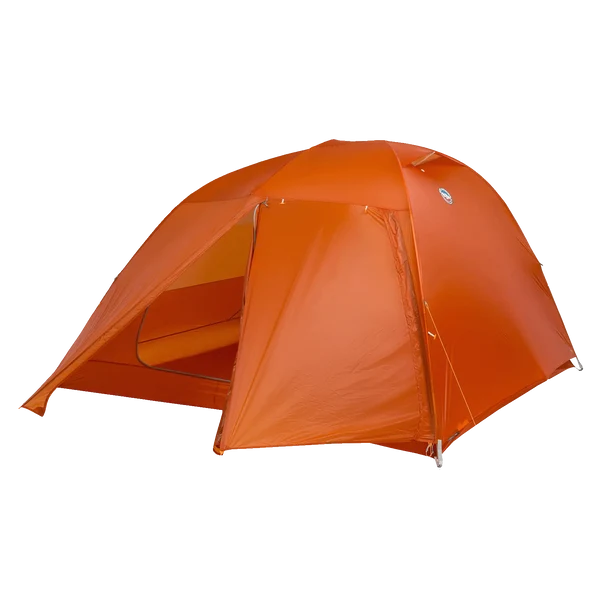
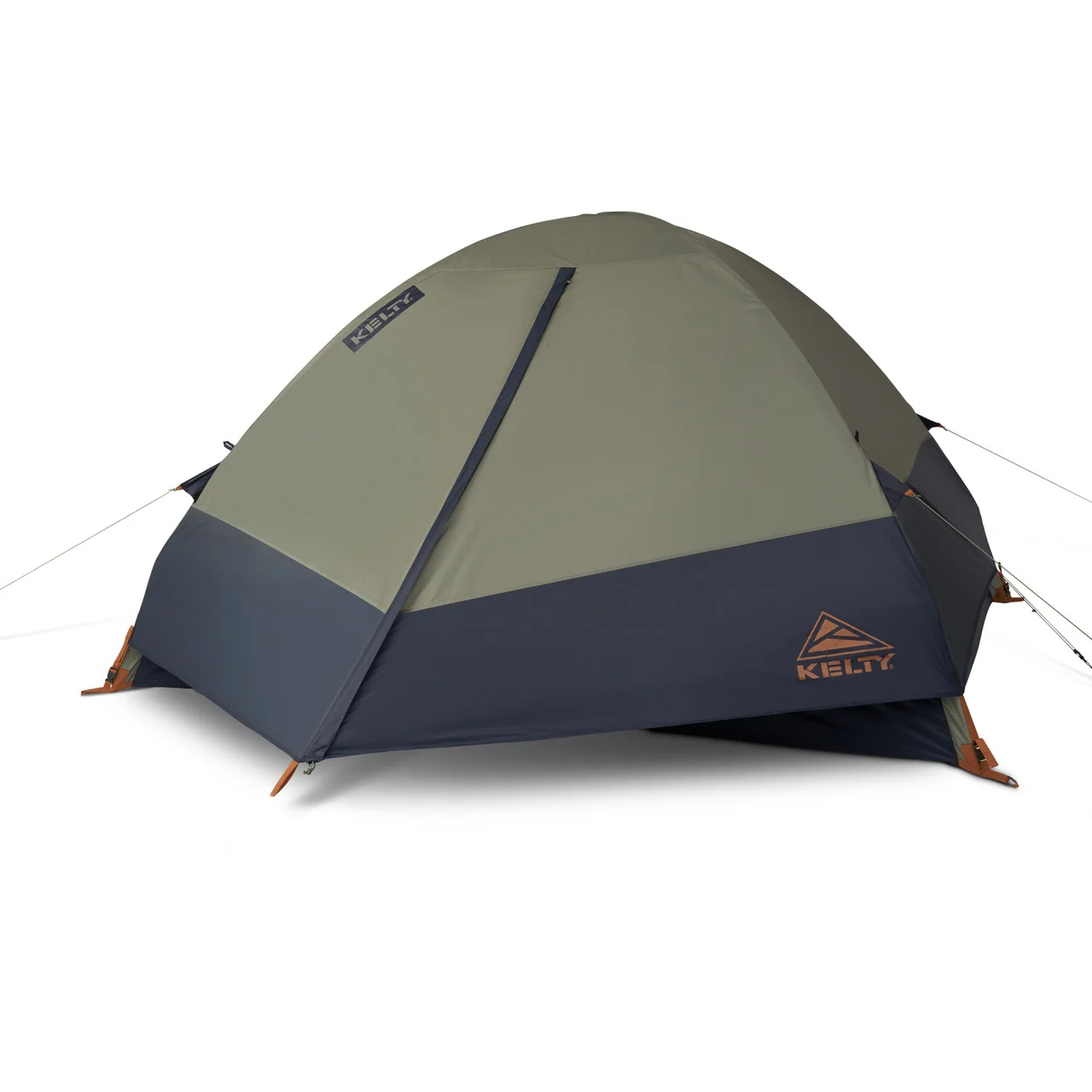
The ALPS Mountaineering Lynx 4-Person Tent offers a more spacious interior with 64 sq ft of floor area compared to the Kelty Late Start 4's cramped 55 sq ft, while also providing dual doors for easier access unlike the Kelty's single-door limitation. However, it is significantly heavier at 8 lbs 10 oz than the Big Agnes Copper Spur HV UL4 (5 lbs 4 oz), making the Lynx less suitable for backpacking where weight savings are critical.
Rating sources
Counts as 4.24/5 in our score — this publisher's 3 scores on the site average 4.07, so its scores are adjusted up to compare fairly with other publishers.
Our 4.2 score is the average of the 1 scored review above, each adjusted for how strictly its publisher scores; 9 more reviewed it without printing a score and are not in the average. More about methodology.