Verdict
Head-to-head · Best Instant-film-cameras

Fujifilm Instax Wide 400 vs Polaroid Now+ Generation 2

Which is the better buy? Side-by-side on rating, price, strengths, and watch-outs — with the published ratings we averaged to get there.

The short answer

Polaroid Now+ Generation 2 comes out ahead by a clear margin (3.4 vs 3.8). The gap is mostly about nostalgic beginners — read the strengths below before deciding.

Fujifilm Instax Wide 400
Ranked #5 in Best Instant-film-cameras
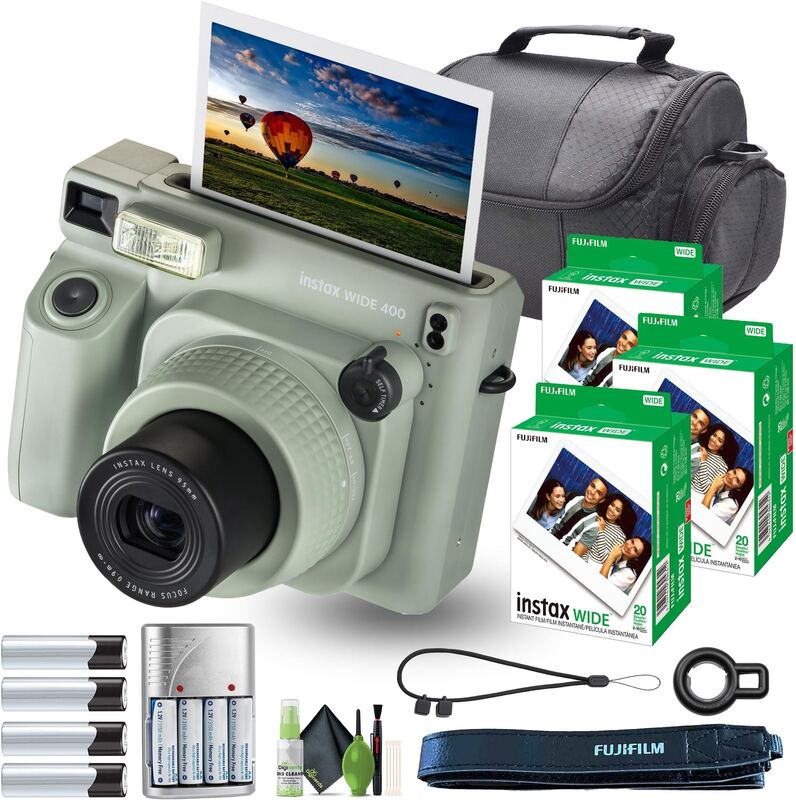
Fujifilm Instax Wide 400
$168as of Jul 5

The Fujifilm Instax Wide 400 is a basic point-and-shoot camera that maintains the same core design as its predecessors, offering minimal controls and a manual focus system. While it's a step back from the Instax Wide 300 in terms of functionality, reviewers noted its expanded selfie timer and LED display as notable additions. The camera's large, bulky form factor and lack of modern conveniences make it less appealing for serious users, though its low price point makes it accessible for casual photography. It's best suited for those seeking a simple, no-frills instant camera experience.

Strengths
  • Simple point-and-shoot design suitable for casual users
  • Includes expanded selfie timer functionality with flick-to-trigger and foot
  • Features a nifty LED display for basic camera feedback
Watch-outs
  • Lacks manual controls like flash on/off or exposure compensation
  • Manual focus system with no indicators or sensors to assist
  • Bulky and awkward design that is difficult to hold and transport
Polaroid Now+ Generation 2
Higher ratedRanked #4 in Best Instant-film-cameras
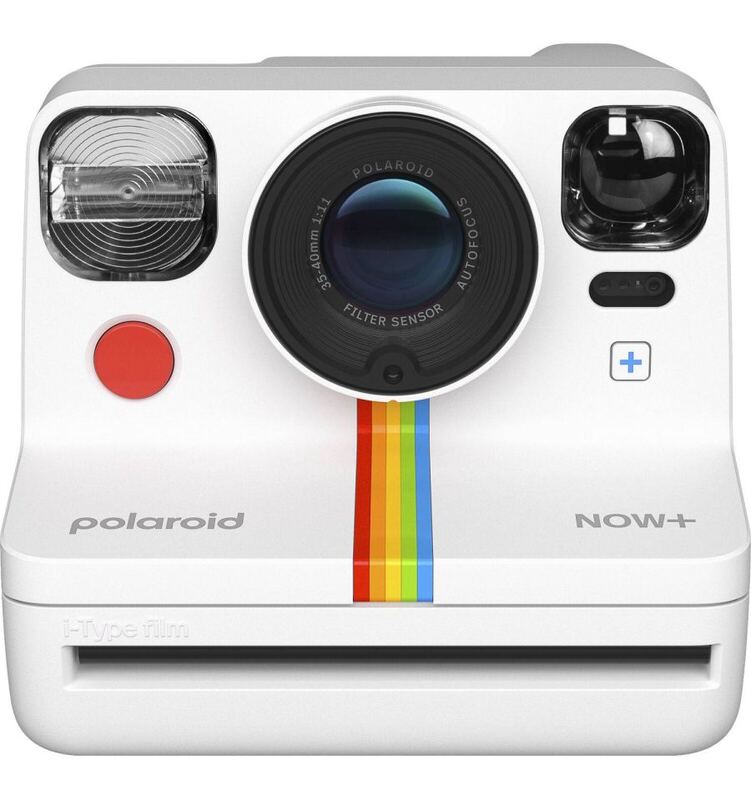
Polaroid Now+ Generation 2
$139.99as of Jul 5

The Polaroid Now Generation 2 offers a nostalgic instant camera experience with modern conveniences. Reviewers praised its double exposure mode and retro design, calling it ideal for beginners interested in instant film photography. The camera features a built-in battery, USB charging, and includes a picture frame and lanyard. While some noted its plasticky, heavy build, the overall consensus is that it delivers authentic Polaroid vibes with improved functionality. It's best suited for those wanting an accessible entry point into instant photography rather than serious photographers seeking advanced controls.

Strengths
  • Double exposure mode feature for creative photography
  • Built-in battery with USB charging capability
  • Retro aesthetic with colorful design and vintage-inspired look
Watch-outs
  • Plastic feel and heavy build may not appeal to all users
  • Requires charging unlike older models with battery-pack film

How they stack up

Fujifilm Instax Wide 400

The Fujifilm Instax Wide 400 is bulkier than the SQ6 but offers more features like a selfie timer and LED display, though it's less user-friendly due to its manual focus system. Compared to the Mini 12, it lacks the automatic exposure system and is more awkward to handle. Unlike the Evo, it doesn't offer digital connectivity or smartphone integration, making it less versatile for modern users.

Polaroid Now+ Generation 2

The Polaroid Now+ Generation 2 offers a retro aesthetic and double exposure mode that the Mini 12 lacks, but it's more expensive and less reliable than the SQ6. Compared to the Evo, it's more analog and lacks digital connectivity, though it's more affordable than the LiPlay Hybrid. Unlike the SQ1, it's less compact and more expensive for similar functionality.

Specs side-by-side

SpecFujifilm Instax Wide 400Polaroid Now+ Generation 2
Film FormatInstax Widei-Type film
LensRetractable lens, 2 components, 2 elementsOptical grade PC and Acrylic lens, coated
Shutter Speed1/64 to 1/200 secondsCustom design shutter system, using precision step motor for shutter
Battery Type4 AABuilt-in rechargeable
FlashAutomatic flashBuilt-in automatic flash
Dimensions162 mm × 98 mm × 123 mm150.2mm x 112.2mm x 94mm
Weight600 g0.78 kg
ConnectivityBluetooth
← See the full ranking of best instant-film-cameras