Verdict
Head-to-head · Best Beginner Telescopes

Celestron NexStar 5SE Computerized Telescope vs Celestron StarSense Explorer LT 80AZ Refractor Telescope

Which is the better buy? Side-by-side on rating, price, strengths, and watch-outs — with the published ratings we averaged to get there.

The short answer

Celestron NexStar 5SE Computerized Telescope comes out ahead by a clear margin (3.8 vs 3.4). The gap is mostly about computerized telescope users — read the strengths below before deciding.

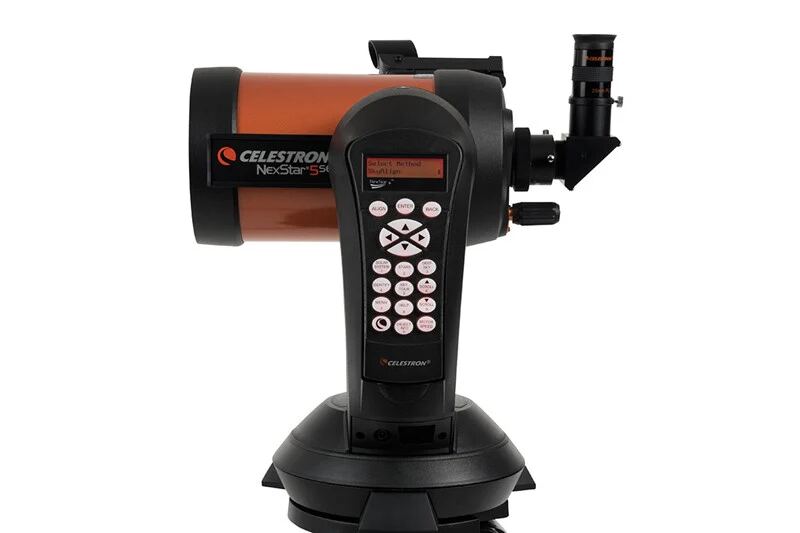
Celestron NexStar 5SE Computerized Telescope
Higher ratedRanked #4 in Best Beginner Telescopes
Celestron NexStar 5SE Computerized Telescope
$899as of Jul 6

The Celestron NexStar 5SE is a Schmidt-Cassegrain telescope with a 5" aperture and 1250mm focal length, marketed as astrophotography-capable. Reviewers note its decent optics and sturdy mount but criticize its small aperture, limited eyepiece inclusion, and long setup time. While it offers some value for beginners, experts suggest alternatives like the NexStar 6SE or Sky-Watcher Virtuoso GTi 150P provide better performance for the price. The telescope's large secondary mirror obstructs light and degrades contrast compared to other designs.

Strengths
  • Decent optics with 5" aperture and 1250mm focal length
  • Sturdy mount with Vixen-style dovetail for easy attachment
  • Fairly low maintenance for a computerized telescope
Watch-outs
  • Long setup time required for use
  • Small aperture limits light-gathering ability and resolution
  • Only includes one 25mm Plossl eyepiece
Celestron StarSense Explorer LT 80AZ Refractor Telescope
Ranked #5 in Best Beginner Telescopes
Celestron StarSense Explorer LT 80AZ Refractor Telescope
$229.99as of Jul 6

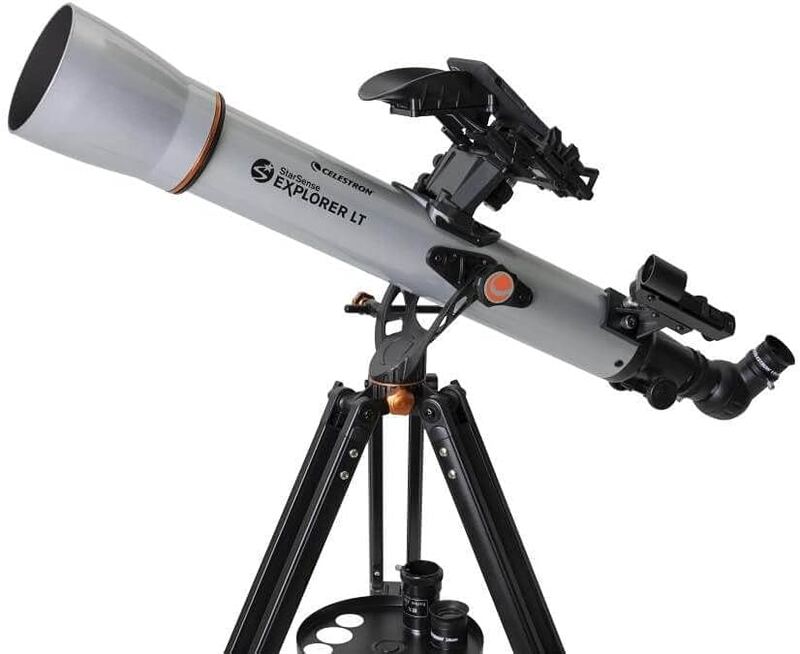
The Celestron StarSense Explorer LT 80 AZ is an 80mm f/11 achromatic refractor that delivers good optics suitable for lunar, planetary, and double star viewing. Reviewers noted it's easy to set up and use, with decent accessories included. However, its small aperture and narrow field of view severely limit observational targets, and the StarSense technology is considered unnecessary for such a small scope. The mount lacks fine adjustments, and while the telescope cools quickly, it's not recommended for beginners due to its limited capabilities. It's best suited for those seeking a basic, portable refractor at a budget price point.

Strengths
  • Great optics for lunar, planetary, and double star observation
  • Easy to set up and use
  • Decent included accessories
Watch-outs
  • Small aperture (80mm) and narrow field of view severely limit targets
  • Mediocre mount design with no fine adjustments
  • StarSense Explorer technology is essentially unnecessary with such a small, narrow-field telescope

How they stack up

Celestron NexStar 5SE Computerized Telescope

The Celestron NexStar 5SE is more versatile than the Celestron StarSense Explorer LT 80AZ due to its larger aperture and computerized GoTo system, but it's less user-friendly than the Sky-Watcher Dobsonian telescopes, which offer simpler setup and better value. Compared to the ZWO Seestar S50, it lacks smart automation but provides better optics for serious stargazing.

Celestron StarSense Explorer LT 80AZ Refractor Telescope

Unlike the ZWO Seestar S50, which offers automated astrophotography capabilities, the Celestron StarSense Explorer LT 80AZ is a basic refractor with no real advantage in smart features. While it's easier to set up than the Celestron NexStar 5SE, its small aperture and narrow field of view severely limit its usefulness compared to the Sky-Watcher Dobsonian telescopes, which offer far better value and aperture for the price.

Specs side-by-side

SpecCelestron NexStar 5SE Computerized TelescopeCelestron StarSense Explorer LT 80AZ Refractor Telescope
Aperture5 in3.15 in
Focal Length1250 mm900mm
Focal Ratiof/10f/11
Optical DesignSchmidt-CassegrainAchromatic refractor
Mount TypeComputerized Alt-AzimuthComputerized
Eyepiece Included1 x 25mm Plossl10mm eyepiece
← See the full ranking of best beginner telescopes