Verdict
Head-to-head · Best Audio Interfaces

Behringer U-Phoria UMC22 vs Universal Audio Volt Series

Which is the better buy? Side-by-side on rating, price, strengths, and watch-outs — with the published ratings we averaged to get there.

The short answer

Universal Audio Volt Series comes out ahead by a narrow margin (4.2 vs 4.4). The gap is mostly about bedroom producers seeking full-featured I/O — read the strengths below before deciding.

Behringer U-Phoria UMC22
Ranked #5 in Best Audio Interfaces
Behringer U-Phoria UMC22
$69as of Jul 7

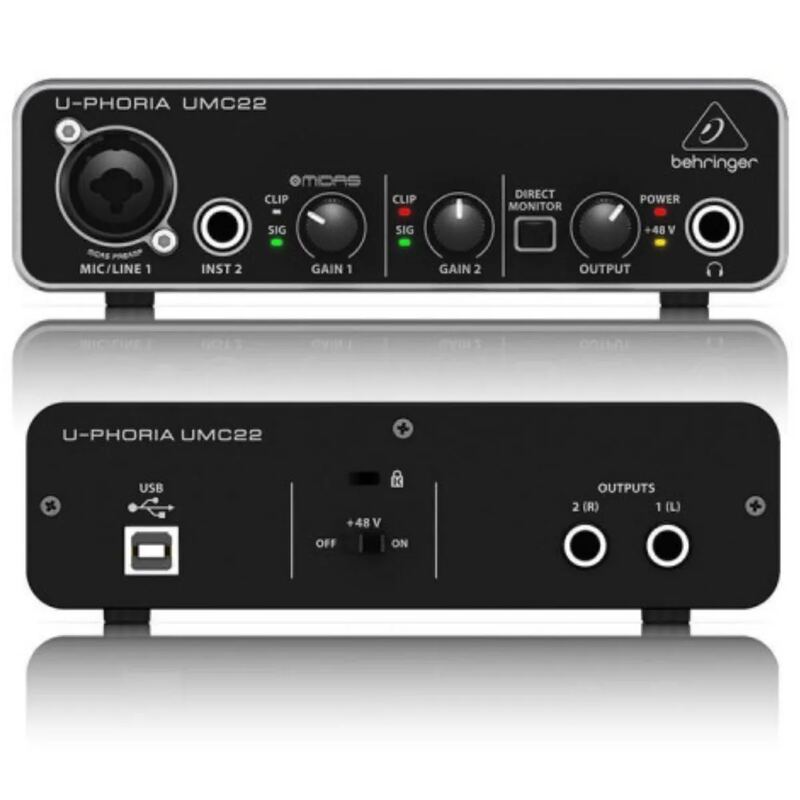
The Behringer UMC22 offers exceptional value for money as a budget audio interface, capable of handling home recording duties and producing good-quality audio from a variety of sources. MusicRadar called it a great audio interface for first-timers or those on a tight budget, though it lacks a dedicated Windows driver and is noisier than competitors. Audio Science Review confirmed its USB-powered design with 48V phantom power, two line outputs, and headphone out, noting it supports only 48kHz at 16 bits. It's ideal for beginners or those on a tight budget but may not satisfy users seeking premium performance.

Strengths
  • Insane value for money
  • Nice and compact size
  • Great for home studio work
Watch-outs
  • No dedicated driver on Windows
  • Noisy compared to others
Universal Audio Volt Series
Higher ratedRanked #4 in Best Audio Interfaces
Universal Audio Volt Series
$179as of Jul 1

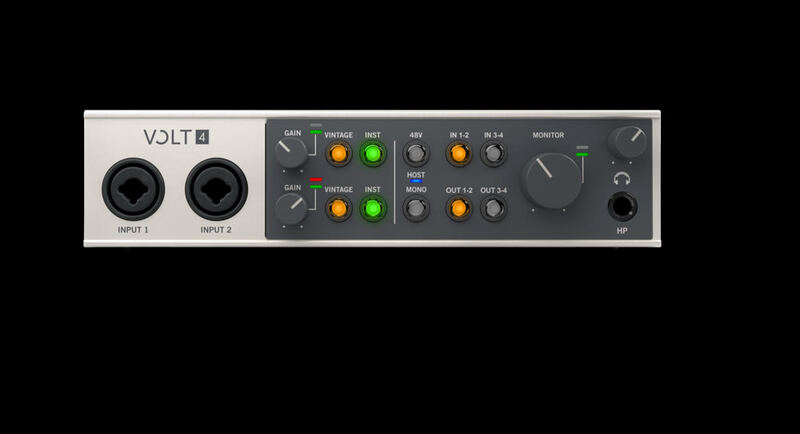
The Universal Audio Volt 476P serves as the flagship model in Universal Audio's Volt series, offering four analog preamp inputs and two headphone outputs compared to the Volt 476's two inputs and one headphone output. Reviewers praised its studio-grade tracking capabilities with selectable UREI 1176-derived compression models and vintage tube preamp emulation. The interface supports bus-powered operation in limited configurations and includes a generous software bundle with Ableton Live Lite and Celemony Melodyne. However, some setups may require a dedicated power supply, and reviewers noted the smooth plastic knobs as potentially ergonomically suboptimal. This interface is ideal for bedroom producers and beginning recordists seeking a full-featured 24-bit/192 kHz AD/DA interface with enhanced I/O for multi-mic tracking sessions.

Strengths
  • Four analog preamp inputs with UREI 1176-derived compression model presets
  • Vintage toggle emulates characteristics of the Universal Audio tube 610 console preamplifier
  • Supports bus-powered operation via USB-C cable in limited configurations
Watch-outs
  • Requires dedicated power supply in some setups due to higher power draw
  • Smooth plastic knobs may be ergonomically suboptimal for some users

How they stack up

Behringer U-Phoria UMC22

The Behringer UMC22 offers unmatched value for money compared to the Focusrite Scarlett 2i2 4th Gen and Universal Audio Volt Series, but it lacks the build quality and technical performance of the Audient iD4 MkII and the advanced features of the Focusrite Vocaster Two. While it's a solid budget option, it's outperformed by the Focusrite Scarlett 2i2 4th Gen in terms of noise floor and dynamic range.

Universal Audio Volt Series

The Universal Audio Volt Series stands out with its UREI 1176-derived compression models and vintage tube preamp emulation, features not found in the Focusrite Scarlett 2i2 4th Gen or the Audient iD4 MkII. While it's more expensive than the Behringer UMC22, it offers studio-grade tracking capabilities that the budget option lacks, and unlike the Focusrite Vocaster Two, it's designed for multi-mic tracking rather than podcasting.

Specs side-by-side

SpecBehringer U-Phoria UMC22Universal Audio Volt Series
Inputs24
OutputsHeadphone out, 2 line outputs2
Sample Rate48kHz24-bit/192 kHz
Bit Depth16 bits24-bit
PowerUSB-poweredBus-powered via USB-C in limited configurations
Headphone Jack1/4" jack1/4" jack
← See the full ranking of best audio interfaces