Verdict
Head-to-head · Best Mesh Wi-Fi Systems

Asus ZenWifi BQ16 Pro (2-Pack) vs Eero 7

Which is the better buy? Side-by-side on rating, price, strengths, and watch-outs — with the published ratings we averaged to get there.

Verdict is reader-supported. As an Amazon Associate we earn from qualifying purchases. Some links on this page are affiliate links — if you click through and buy, we may earn a small commission at no extra cost to you. Our ratings are sourced from independent publications, not sponsors.
The short answer

Asus ZenWifi BQ16 Pro (2-Pack) comes out ahead by a clear margin (4.4 vs 3.8). Asus ZenWifi BQ16 Pro (2-Pack) is best for: Users seeking latest Wi-Fi technology and reliable mesh coverage. Read the strengths below before deciding.

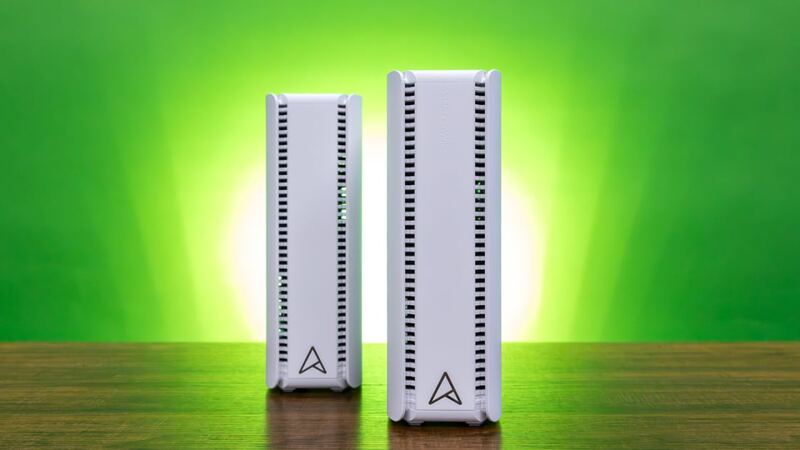
Asus ZenWifi BQ16 Pro (2-Pack)
Higher ratedRanked #1 in Best Mesh Wi-Fi Systems
Asus ZenWifi BQ16 Pro (2-Pack)
4 sources$946.16as of Oct 11

The Asus ZenWiFi BQ16 Pro brings Wi-Fi 7 to a 2-pack mesh kit aimed at modern homes. PCMag credited its strong networking capabilities and easy setup; Tom's Guide flagged the future-proof feature set and the strength of its Ethernet support. Pricing drew the main objection, with some reviewers calling it steep for what amounts to an upgraded take on earlier models. It fits buyers who want the newest Wi-Fi technology and dependable mesh coverage, while anyone watching cost can look at older models or competing kits.

Strengths
  • — Supports Wi-Fi 7 for future-proof connectivity
  • — Wired backbone pairs two 10Gbps ports with three Gigabit Ethernet jacks
  • — Easy setup with mobile app integration
Watch-outs
  • — Limited customization options for advanced users
Eero 7
Ranked #6 in Best Mesh Wi-Fi Systems
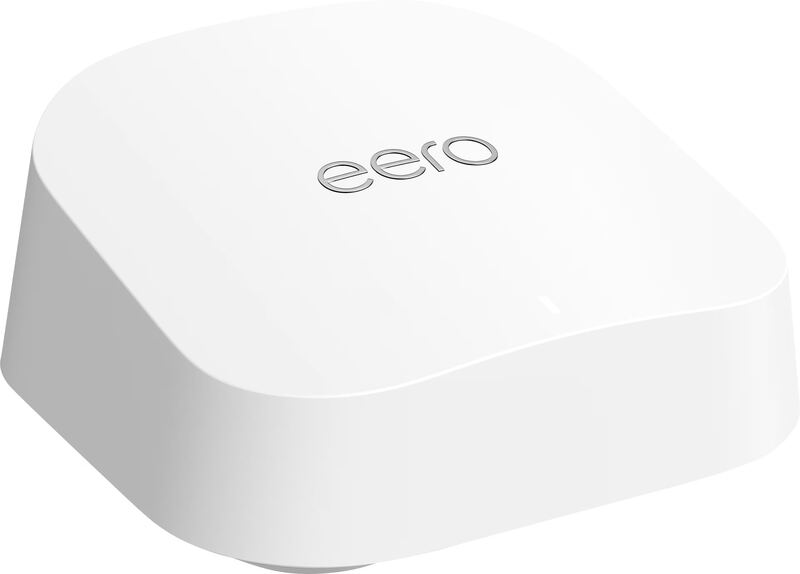
Eero 7
5 sources$169.99as of Oct 16

The eero 7 brings Wi-Fi 7 down to a more accessible price, which makes it a reasonable way to future-proof a large home's network. PCMag's John R. Delaney called it an affordable Wi-Fi 7 mesh system that comes with compromises, particularly for users needing top-tier performance. Tom's Hardware liked the dual-band wireless and entry-level pricing but said it isn't built for heavy-duty use cases. General households that want reliable, easy-to-setup mesh networking will do fine with it; power users and gamers should shop up.

Strengths
  • — Supports Wi-Fi 7 standard for future-proof connectivity
  • — Affordable pricing compared to other Wi-Fi 7 mesh systems
  • — Easy setup process with mobile app guidance
Watch-outs
  • — Some reviewers noted compromises in performance compared to pricier competitors
  • — Limited customization options for advanced users

How they stack up

Asus ZenWifi BQ16 Pro (2-Pack)

The Asus ZenWifi BQ16 Pro offers robust Ethernet support and Wi-Fi 7 performance, but its higher price point and limited customization options make it less appealing than the TP-Link Deco BE23, which provides better value for budget-conscious buyers. Unlike the eero Pro 7, it doesn't offer the same level of ease-of-use and reliability in large-home coverage.

Eero 7

The Eero 7 is more affordable than the NETGEAR Orbi 770 and offers good performance, but it compromises on speed compared to the Asus ZenWifi BQ16 Pro and lacks the advanced features of the TP-Link Deco BE63. While it's easier to set up than the TP-Link Deco BE23, it doesn't match the BE23's range or throughput capabilities.

Specs side-by-side

SpecAsus ZenWifi BQ16 Pro (2-Pack)Eero 7
WiFi StandardWi-Fi 7Wi-Fi 7
Bands2.4GHz/5GHz/6GHzDual-band
Coverage Areaup to 8,000 sqftUp to 2,000 sq ft (1-pack)
Max Speed30,000 Mbps1.8 Gbps
Number of Nodes21
ProcessorQuad-core 1.7GHz1.1 GHz quad-core processor
Ethernet Ports—2 x 2.5 Gbps auto-sensing GbE
← See the full ranking of best mesh wi-fi systems