Verdict
Head-to-head · Best 4K Monitors

Apple Studio Display vs Samsung ViewFinity S9

Which is the better buy? Side-by-side on rating, price, strengths, and watch-outs — with the published ratings we averaged to get there.

The short answer

Samsung ViewFinity S9 comes out ahead by a narrow margin (3.8 vs 4.0). The gap is mostly about Best for cross-platform creators — 5K resolution at Studio-Display price — read the strengths below before deciding.

Apple Studio Display
Ranked #5 in Best 4K Monitors
Apple Studio Display
$1,599as of Apr 25

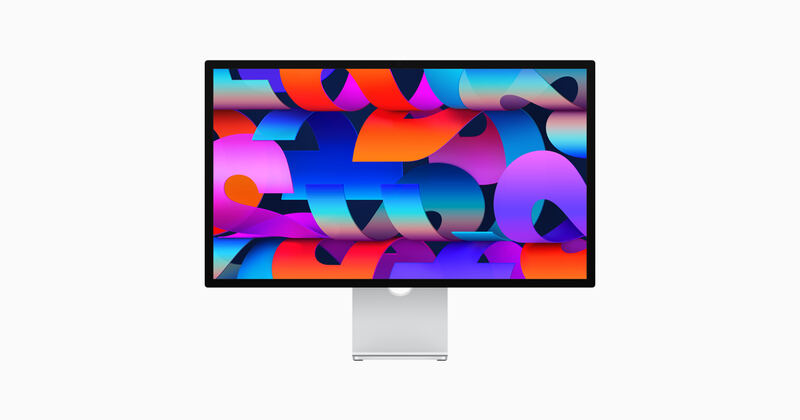
The Apple Studio Display is a 27-inch 5K monitor purpose-built for Mac users, with a 218-PPI Retina panel, 600-nit P3-wide gamut, and an integrated six-speaker spatial-audio system plus 12MP Center Stage webcam. Tom's Guide and Digital Trends praise its near-flawless color and seamless macOS integration, while MacRumors and MKBHD note the lack of HDR, 60Hz cap, and $400 stand upcharge make it a hard sell against the Samsung ViewFinity S9. Best for users already deep in Apple's ecosystem.

Strengths
  • Stunning 5120x2880 5K Retina panel with 218 PPI density and accurate P3 color out of the box
  • Best-in-class six-speaker system with spatial audio and three-mic studio-quality array
  • Center Stage 12MP ultrawide webcam ideal for video calls without external accessories
Watch-outs
  • No HDR support and only 60Hz refresh, despite the premium $1,599 price
  • Tilt-only stand by default; height adjustment is a $400 upgrade
  • Limited utility outside macOS — no on-screen display, no DisplayPort or HDMI inputs
Samsung ViewFinity S9
Higher ratedRanked #4 in Best 4K Monitors
Samsung ViewFinity S9
$1,599as of Apr 25

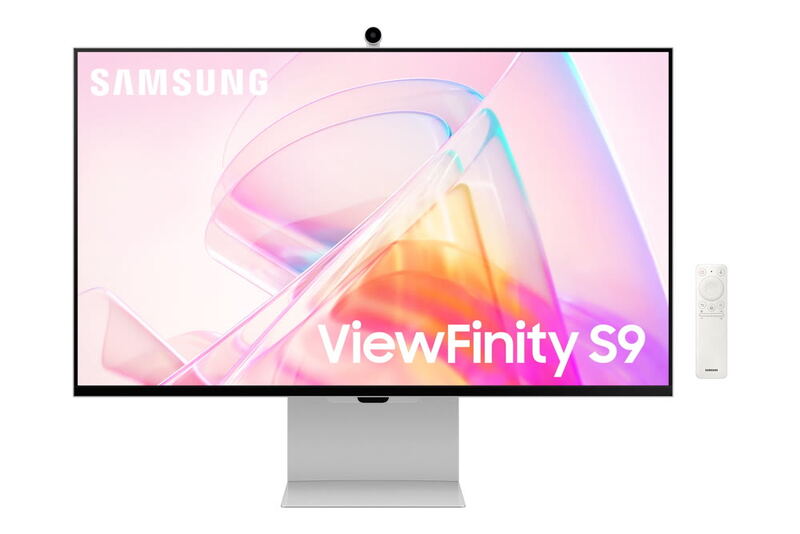
The Samsung ViewFinity S9 (model S90PC / LS27C900PANXZA) is a 27-inch 5K (5120x2880) IPS productivity monitor explicitly built to challenge the Apple Studio Display, with a matte coating, 99% DCI-P3 coverage, integrated Thunderbolt 4 hub, and a detachable 4K SlimFit camera. TechRadar and TechPowerUp credit its hardware-calibrated color and Tizen smart-TV apps, though 9to5Mac and Six Colors call out backward-facing ports and middling speakers. Best for users who want Apple-class pixel density on Windows or Mac.

Strengths
  • Native 5K 5120x2880 resolution at 218 PPI matching the Apple Studio Display
  • Hardware-calibrated to 99% DCI-P3 / 100% sRGB with matte anti-glare coating
  • Single-cable Thunderbolt 4 with 90W power delivery plus DP/HDMI for non-Mac users
Watch-outs
  • Backward-facing ports between display and stand are awkward to cable up
  • Built-in speakers are tinny — Trusted Reviews and 9to5Mac both flag audio as weak
  • Frequent retail discounts to ~$900 mean buyers at $1,599 MSRP overpay

How they stack up

Apple Studio Display

Where the BenQ PD3220U brings KVM and Thunderbolt 3 to a 32-inch 4K canvas and the Dell U2723QE wins on hub flexibility and IPS Black contrast, the Apple Studio Display trades feature breadth for higher pixel density (218 PPI vs. ~140 PPI on the BenQ/Dell) and a tightly Mac-integrated experience. It is the only pick here with built-in studio-quality speakers and a webcam, but lacks HDR, KVM, and the open OS support of the Dell.

Samsung ViewFinity S9

The Samsung ViewFinity S9 is the only 5K option in this category; the BenQ PD3220U and Dell U2723QE both stop at 4K UHD (3840x2160), giving the Samsung roughly 60% more pixels in a similar 27-inch footprint. Versus the BenQ's KVM and the Dell's IPS Black contrast, the Samsung trades on raw pixel density and Tizen smart-monitor extras, though its connectivity hub is less generous than the Dell's RJ45-equipped offering.

Specs side-by-side

SpecApple Studio DisplaySamsung ViewFinity S9
Panel Type27-inch IPS LCD27-inch IPS LCD with matte anti-glare coating
Resolution5120 x 2880 (5K, 218 PPI)5120 x 2880 (5K, 218 PPI)
Refresh Rate60 Hz60 Hz
HDR SupportHDR10
Color GamutDCI-P3 wide color, factory calibrated99% DCI-P3, 100% sRGB, hardware calibrated
Connectivity1x Thunderbolt 3 host (96W PD), 3x USB-C downstream1x Thunderbolt 4 (90W PD), 1x DisplayPort, 1x HDMI, USB hub
Brightness600 nits typical (no HDR)600 nits peak
← See the full ranking of best 4k monitors