Exploring Elements highlights the roller's three-zone textured surface which mimics professional massage techniques while offering adjustable intensity levels. This product is best suited for serious athletes and those seeking durable deep-tissue recovery tools who can tolerate intense pressure.
Full review
Multi-density zones simulate professional massage techniques
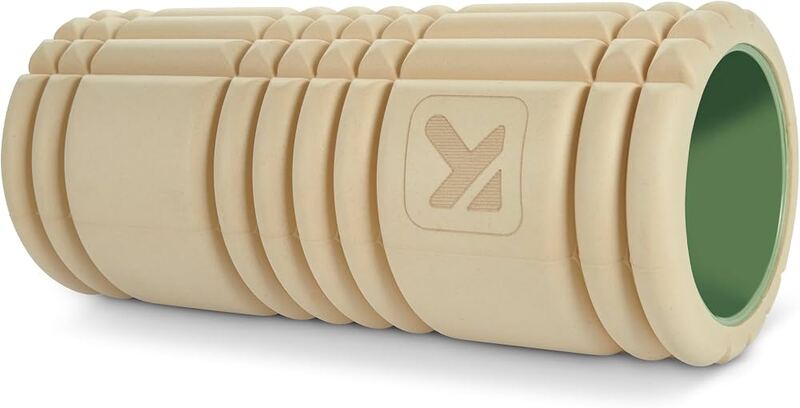
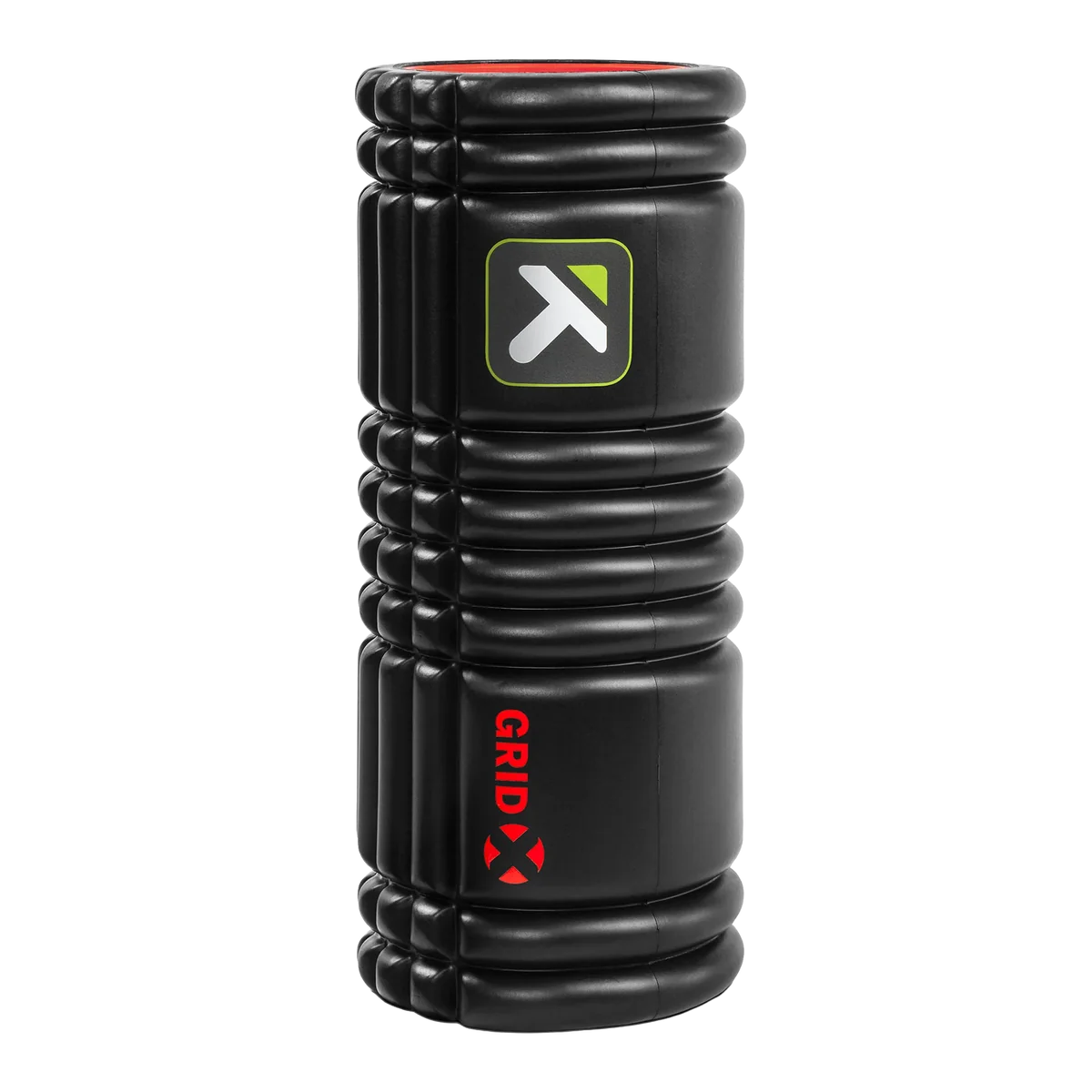
The surface of the TriggerPoint Grid 2.0 is engineered with three distinct textured areas designed to replicate specific manual therapy movements rather than relying on a single uniform pressure point. The flat sections across the roller mimic the broad, gliding motion of a therapist's palm, making them ideal for addressing large muscle groups such as the quadriceps and hamstrings where even coverage is necessary. Reviewers note that these smooth areas provide a traditional rolling feeling while still offering more structural integrity than standard foam rollers.
Embedded within the flat zones are tubular ridges that function like the fingers of a massage therapist, applying moderate intensity kneading pressure to work out deeper knots and muscle adhesions. Surrounding these ridges are small, dense nodules designed to act as fingertips for targeted, high-pressure relief on specific trigger points. This combination allows users to adjust the intensity of their self-massage simply by shifting which part of the roller contacts their body, creating a versatile tool that transitions easily from broad warm-ups to precise deep-tissue work.
Hollow core maintains shape under heavy pressure
Unlike traditional budget foam rollers that compress, flatten, or develop oblong shapes after a few months of use, the Grid 2.0 utilizes a hollow rigid plastic core encased in multi-density foam. This internal structure ensures the roller retains its cylindrical shape and firmness regardless of how much body weight is applied during intense recovery sessions. The durability of this construction means that the textured zones do not degrade or lose their effectiveness over time, providing consistent performance even after years of regular use by serious athletes.
The structural rigidity also contributes to a stable rolling experience, preventing the roller from collapsing under heavy loads such as those generated during back rolls or when supporting full body weight. This stability is particularly noticeable on longer rollers where sagging can occur with cheaper materials. The durable exterior withstands exposure to dirt and sun without crumbling, making it suitable for use in various environments including home gyms, overland travel vehicles, and outdoor training grounds.
26-inch length provides stability for full-body rolling
This increased length offers a much wider and more stable surface area for users to roll their entire body over without worrying about the roller tipping or slipping off during movement. The extra space allows for efficient rolling of long muscle groups like the hamstrings, quads, and calves in single passes, reducing the need to constantly reposition the tool.
The extended length is particularly beneficial for back rolling, as it provides enough surface area to support the spine while allowing users to target both sides of the upper back simultaneously. Reviewers highlight that this stability makes the longer roller much more efficient for full-body routines compared to shorter models. The additional size does not compromise portability significantly, with many users noting they easily carry the original GRID version on overland adventures and travel without it becoming a burden.
Intense pressure delivers immediate soreness relief
The firm texture of the Grid 2.0 is designed to dig deep into muscle tissue, breaking up adhesions and improving circulation faster than softer rollers. Reviewers describe the experience as intense, with one noting that it hurts like hell but provides immediate pain relief for tight muscles. This high-intensity pressure mimics a professional sports massage, aerating the tissue and delivering blood and oxygen to repair sore legs after long runs or heavy workouts.
Users report feeling a significant difference in recovery speed compared to cheaper alternatives, with many stating they can feel their muscles loosening up almost instantly. The roller is effective for fighting inflammation and soreness after exercise, allowing athletes to return to training sooner. The deep tissue action is particularly praised by those who suffer from knotted calves, hamstrings, and IT bands due to rigorous physical activity or prolonged sitting.
Firm texture may be too intense for beginners
While the firmness is a major selling point for experienced users seeking deep tissue relief, it can be overwhelming for those new to foam rolling. The aggressive pressure from the multi-density zones digs deeply into muscle tissue, which some reviewers warn can be painful and difficult to tolerate initially. Beginners may find the intensity too high compared to softer rollers that provide a gentler introduction to myofascial release.
The pain associated with using the roller is often described as 'hurts so good,' but this does not mean it is suitable for everyone right away. Users who are sensitive to pressure or have never used a foam roller before may need to start on softer surfaces and gradually work up to the Grid 2.0's firmness. The intense nature of the tool means that improper use can lead to excessive discomfort, requiring users to learn how to modulate their body weight carefully.
Cost savings justify premium price over time
Although the Grid 2.0 carries a higher upfront cost compared to basic foam rollers, reviewers argue that its durability and effectiveness make it a worthwhile investment. One user noted that using the roller saves them a significant amount of money by eliminating the need for regular visits to a massage therapist, effectively paying for itself over time. The long lifespan of the roller means users do not have to replace it frequently due to wear and tear.
The combination of professional-grade performance and extended durability justifies the extra expense for serious athletes and fitness enthusiasts. While budget rollers may lose their shape and effectiveness within months, the Grid 2.0 maintains its structural integrity and therapeutic benefits for years. This longevity makes it a cost-effective solution for daily recovery routines, especially for those who rely on consistent muscle maintenance to support their training schedules.
Strengths
- +Hollow rigid core with multi-density foam exterior maintains shape under heavy pressure without compressing or breaking down over time.
- +Textured surface features three distinct zones (small bumps, tubular sections, and flat areas) to simulate finger, fingertip, and palm massage techniques.
- +26-inch length provides a larger rolling surface that offers greater stability for full-body use on the back and legs compared to standard rollers.
- +Durable construction withstands regular use without crumbling or losing effectiveness, making it suitable for serious athletes and daily recovery.
Watch-outs
- −Higher price point compared to budget foam rollers, though reviewers note the durability justifies the extra cost.
How it compares
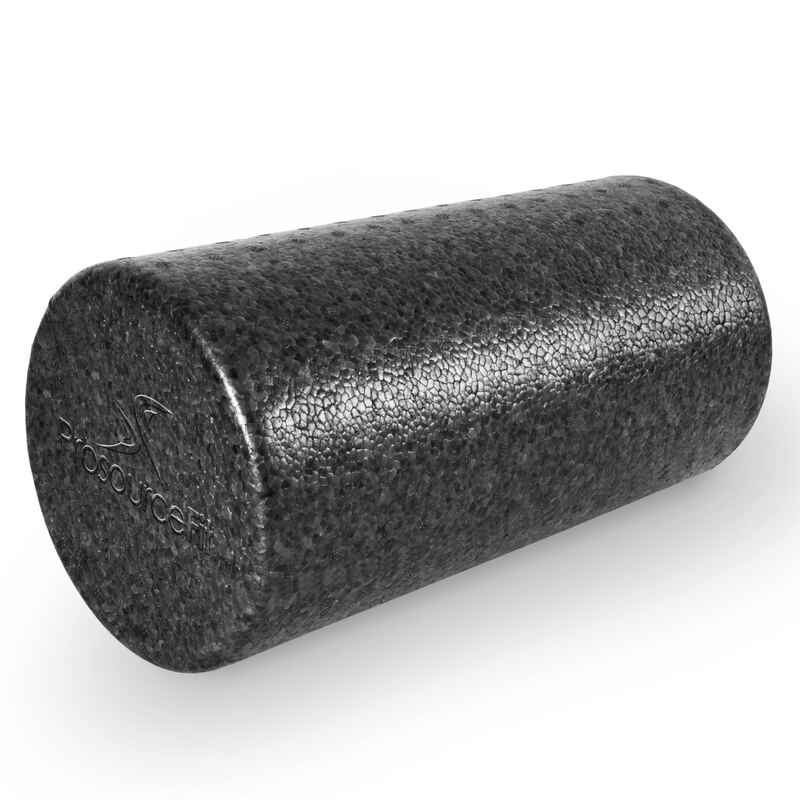
With a 26-inch length, this model offers greater stability for full-body use on the back and legs compared to the shorter TriggerPoint GRID 1.0 or ProsourceFit rollers. It shares the multi-density foam exterior with its sibling but provides a larger rolling surface that accommodates broader muscle groups in fewer repositions.
Rating sources
“For me, there’s no better tool for treating tight and sore muscles than the TriggerPoint GRID foam roller .”
“The GRID Foam Roller gives me instant pain relief, and on my extremely tight overland travel budget saves me a ton of cash by not requiring the high cost of a massage therapist on a regular basis.”
“So overall it's uh really good, really durable, and I've had it for a few years now and it still works just fine.”
Our 4.5 score is the average of the 1 scored review above; 3 more reviewed it without printing a score and are not in the average. Ratings marked * were derived from the reviewer’s written analysis or video transcript — the publisher didn’t print an explicit numeric score, so we inferred one from their own words. Click through to verify. More about methodology.