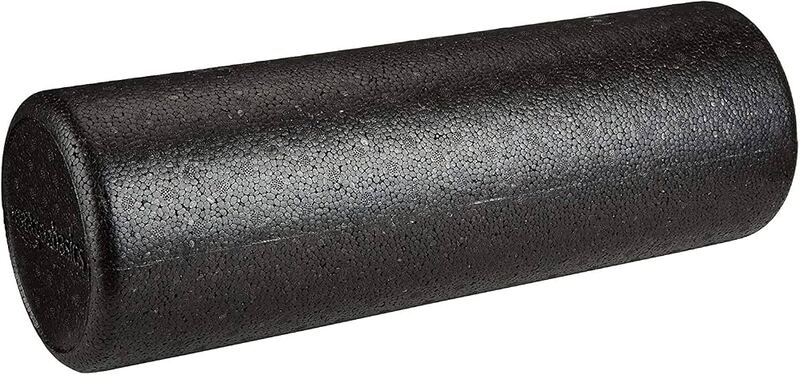
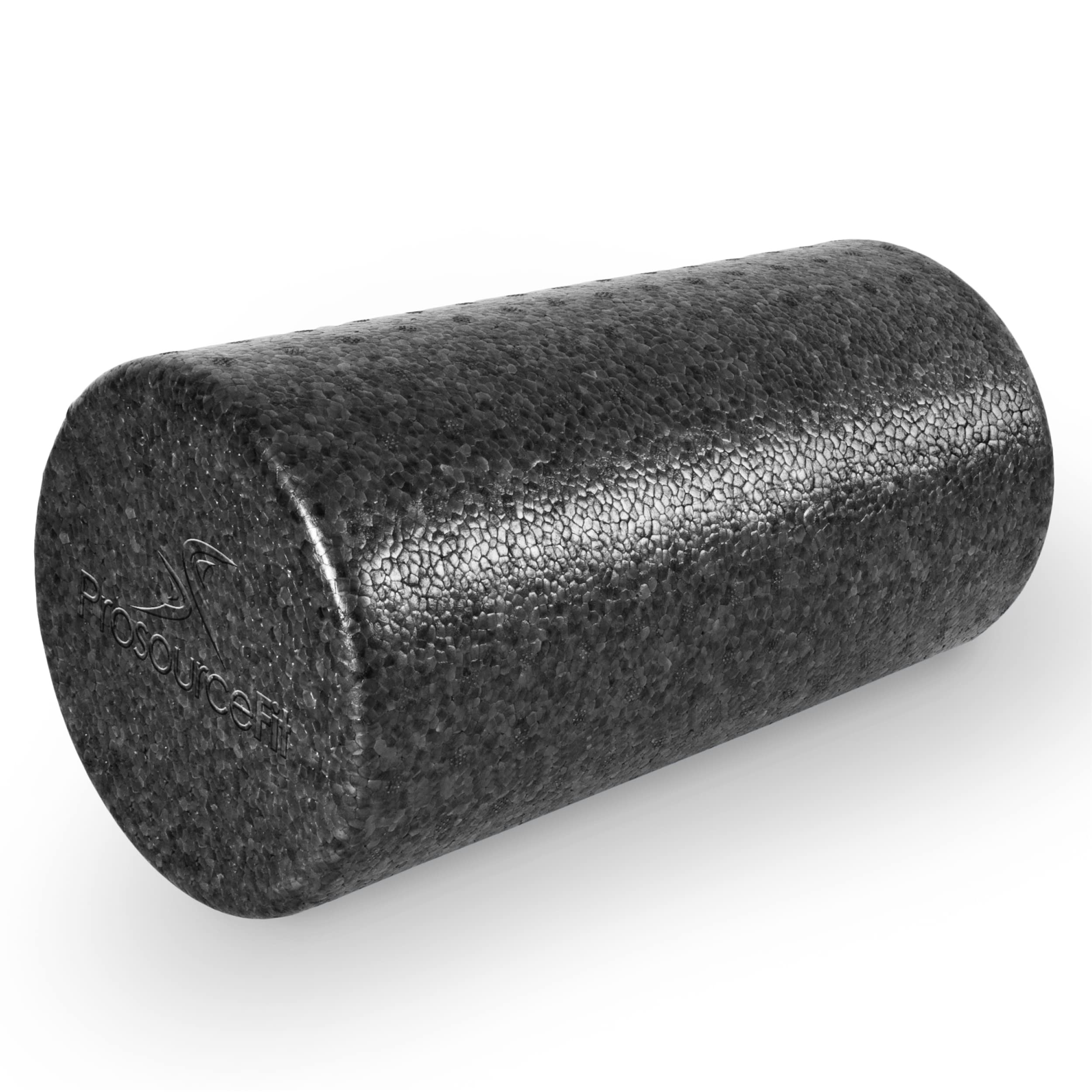
UpbeatRun found that this roller’s high-density EPP foam maintains structural integrity under load, offering firm pressure suitable for deep tissue massage and supporting up to 300 pounds. The compact 12-inch length enhances portability and storage but limits full-back coverage compared to longer options, requiring users to reposition frequently during spinal exercises. While the water-resistant material simplifies hygiene, the aggressive firmness may be too painful for beginners or those with low tolerance, and the basic cylindrical design lacks specialized textures for targeted trigger point release. This tool fits experienced athletes seeking portable limb recovery but is less ideal for novices or users requiring comprehensive back coverage.
Full review
EPP density prevents shape loss under load
The defining characteristic of this roller is its construction from high-density expanded polypropylene, a material choice that fundamentally changes how the tool performs over time compared to cheaper alternatives. UpbeatRun found that while many budget rollers rely on EPE foam which degrades rapidly under body weight, this ProsourceFit model maintains its structural integrity through repeated compression. The listing emphasizes that the dense construction is designed specifically for deeper massage pressure than standard soft rollers can provide, making it a viable option for users who need actual tissue manipulation rather than just surface-level stretching.
This density translates directly into long-term value because the material does not suffer from the memory loss common in open-cell foams. When a user rolls on the cylinder, the deformation is minimal compared to softer competitors that flatten out and lose contact with the muscle fascia. This firmness ensures that the pressure applied during myofascial release remains consistent session after session, preventing the tool from becoming ineffective as it ages. The material also features a slightly textured matte finish that provides adequate grip without being abrasive.
12-inch length restricts full-spine coverage
The 12-inch format is the primary trade-off for this roller's portability, creating a distinct limitation in how users can approach back recovery. UpbeatRun noted that while the compact size makes it easy to store and carry, it significantly limits full-back coverage compared to longer 24-inch or 36-inch options. For exercises requiring thoracic extension across the entire upper back, the short length forces users to constantly scoot and reposition the roller, which interrupts the flow of a mobility routine.
In a small apartment or for frequent travelers, this shorter dimension is an asset because it fits easily into gym bags and under furniture. However, in a dedicated home gym setting where space allows for larger equipment, the 12-inch length feels restrictive for broad muscle groups like the lats and full back. Users seeking comprehensive spinal alignment work will find that they need to supplement this roller with longer tools or accept segmented recovery sessions rather than continuous rolling.
The restricted length also means the roller is better suited for targeted limb work on calves, hamstrings, and quads where precise placement matters more than broad coverage. This makes it an excellent companion tool rather than a standalone replacement for full-length rollers in comprehensive stretching routines.
Firm pressure creates steep pain curve
The aggressive firmness of the high-density foam delivers effective deep tissue massage but introduces a significant barrier to entry for new users. UpbeatRun warned that beginners or individuals with low pain tolerance may find the sensation too intense, describing it as potentially punishing during initial sessions. The lack of cushioning means there is no gradual adaptation period; the pressure hits tight bands and trigger points immediately upon contact.
This intensity is a double-edged sword. For experienced athletes accustomed to myofascial release, the uncompromising density allows them to work out deep adhesions in the distal quads or IT band effectively. However, for someone new to foam rolling, this firmness can cause involuntary breath-holding and muscle guarding rather than relaxation. Users who prefer a gentler, more forgiving surface will likely find this tool uncomfortable and may be better served by softer EVA options.
300 lb capacity ensures stability for heavy users
A critical specification that supports the roller's utility across different body types is its maximum weight capacity of 300 pounds. This rating indicates that the high-density EPP core can support substantial loads without bottoming out or collapsing, which is essential for maintaining proper form during balance drills and stability exercises. The structural rigidity ensures that users do not have to worry about the tool deforming under their full body weight.
Water-resistant EPP simplifies maintenance
Hygiene is a major factor in recovery tools, and the closed-cell nature of expanded polypropylene makes this roller exceptionally easy to maintain. Unlike open-cell foams that absorb sweat and bacteria, the surface of this ProsourceFit model resists moisture entirely. UpbeatRun highlighted that the material can be wiped down quickly with a damp cloth or disinfecting spray after sweaty workouts without degrading the foam structure.
This low-maintenance characteristic makes it ideal for shared environments like commercial gyms or physical therapy clinics where cross-contamination is a concern. The non-porous surface also prevents odors from building up over time, ensuring that the tool remains sanitary with minimal effort compared to fabric-covered or softer porous rollers.
Basic design lacks specialized trigger points
The cylindrical shape provides uniform pressure across its surface but omits the textured knobs, ridges, or grid patterns found on advanced recovery tools. This basic design means the roller cannot isolate specific trigger points with pinpoint accuracy, relying instead on broad contact to release tension in larger muscle groups like the glutes and hamstrings.
Travel-friendly form factor aids portability
The combination of lightweight construction and compact dimensions makes this roller a standout choice for mobility on the go. UpbeatRun positioned it as an ideal travel companion because it does not require significant storage space and can be tucked into overhead bins or checked luggage without issue. The 12-inch length is specifically engineered to fit in small living situations where larger fitness equipment would otherwise clutter the environment.
Strengths
- +High-density EPP foam provides firm pressure for deep tissue massage and maintains shape under load.
- +Compact 12-inch length makes the roller highly portable and easy to store in small spaces or gym bags.
- +Water-resistant material is low-maintenance, hygienic, and simple to wipe clean after use.
- +Supports a maximum weight capacity of 300 lbs for stability during recovery exercises.
Watch-outs
- −Shorter length limits full-back coverage compared to longer 24-inch or 36-inch rollers.
- −Firm density may feel too aggressive or painful for beginners and users with low pain tolerance.
- −Basic cylindrical design lacks specialized textured zones for targeted trigger point release.
How it compares
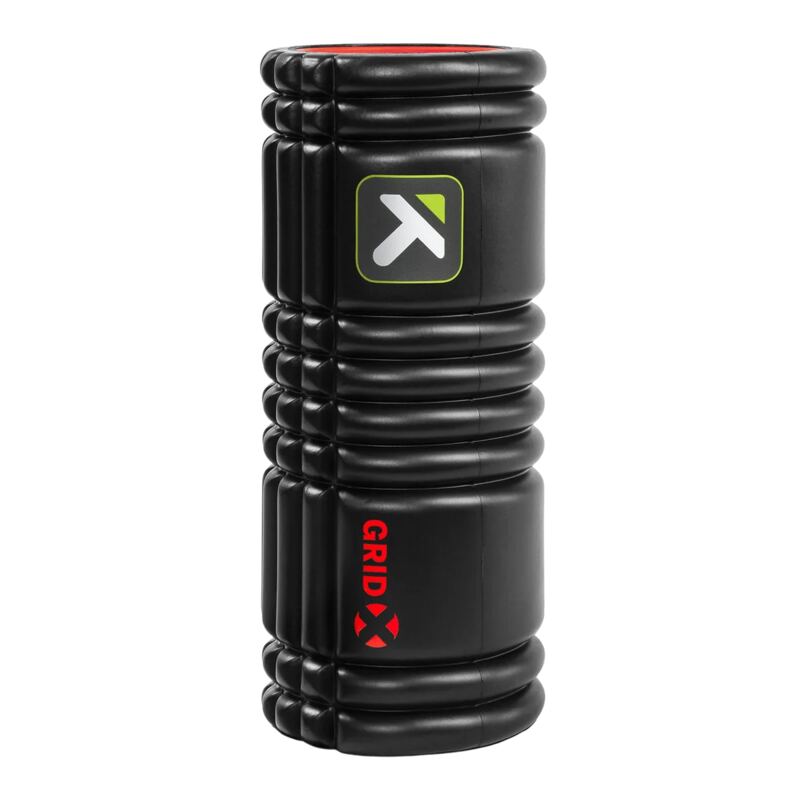
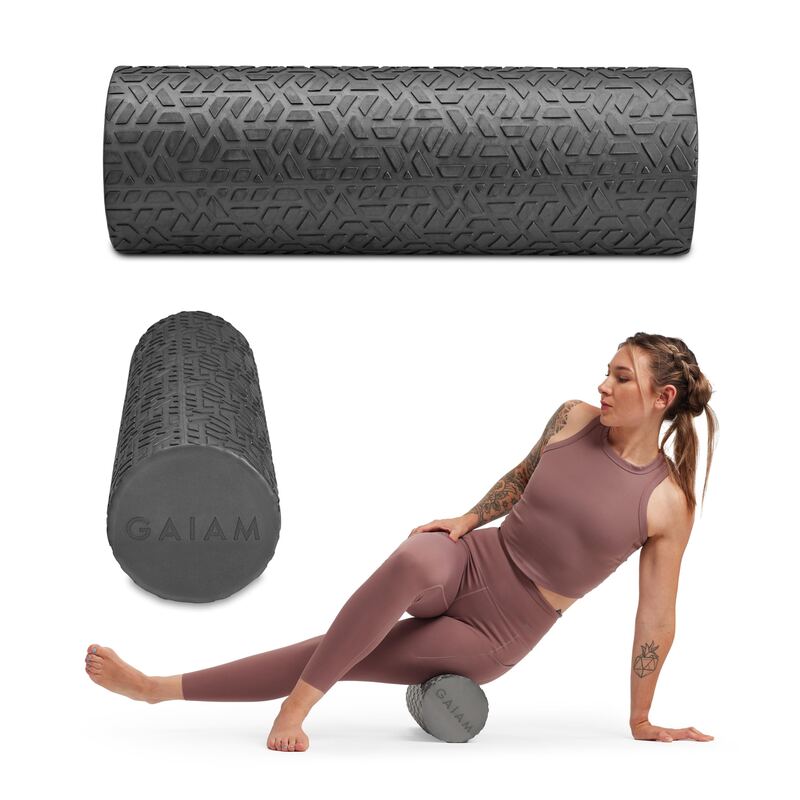
At just 12 inches long, this roller is significantly more portable than the Amazon Basics or Gaiam models but limits full-back coverage compared to their longer options. Like the Amazon Basics it is a plain cylinder without nodules or ridges, with a high-density firmness similar to the Yes4All Half Roller.
Rating sources
“I give it a thumbs-up. It's been working great.”
Counts as 3.66/5 in our score — this publisher's 149 scores on the site average 3.69, so its scores are adjusted up to compare fairly with other publishers.
“Overall Score 78 77 76 75 75 74 71 71 70 66 63 63 60 57 (comparison-table row; ProsourceFit High Density is the 12th column, i.e. 63)”
Our 3.7 score is the average of the 1 scored review above, each adjusted for how strictly its publisher scores; 3 more reviewed it without printing a score and are not in the average. More about methodology.