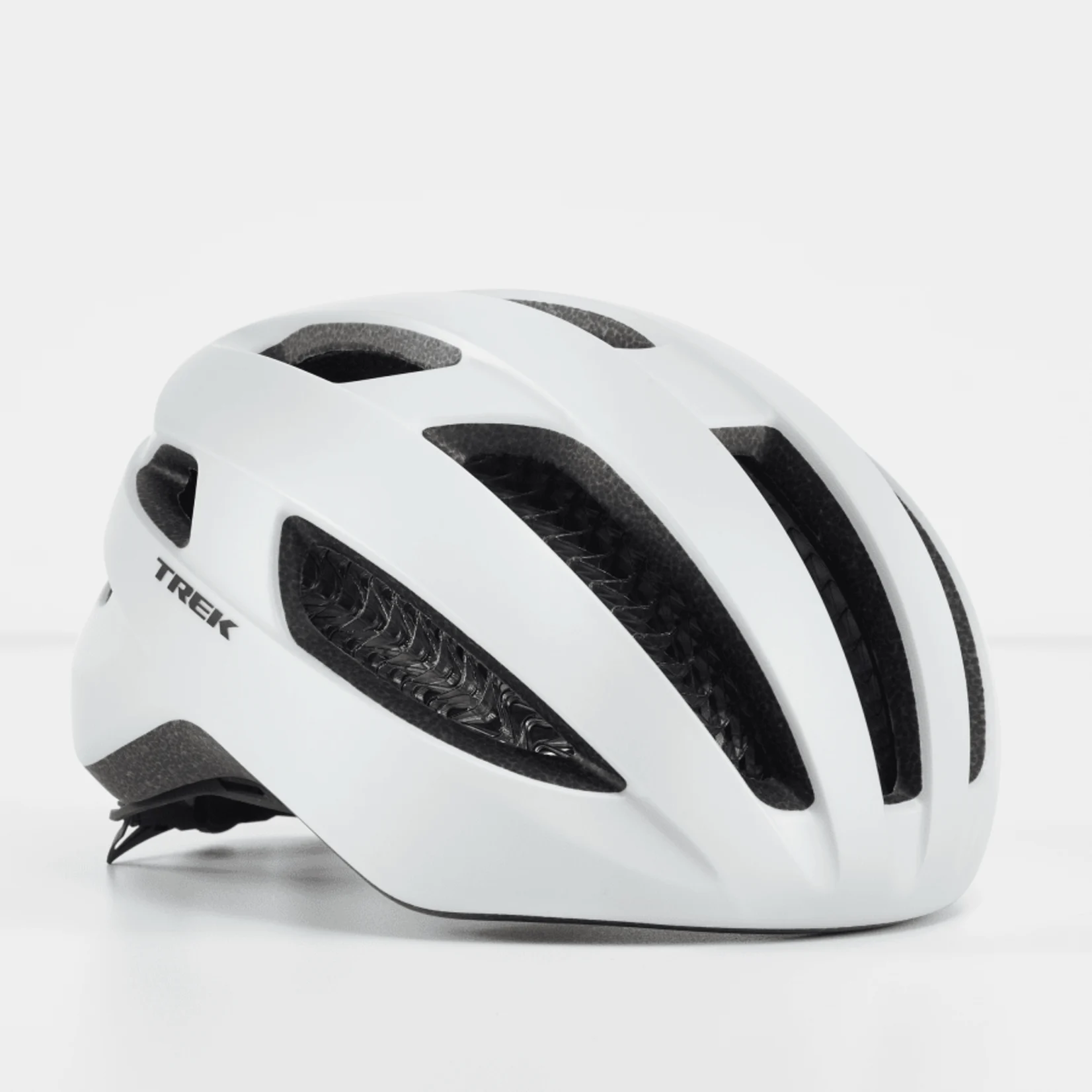
The Trek Bontrager Starvos WaveCel Cycling Helmet features WaveCel technology, described as a significant advancement in cycling safety akin to MIPS. Reviewers noted its large, bulky fit and poor ventilation, which caused stuffiness during sweaty conditions. While it's suitable for road and light gravel riding, the design may not appeal to those seeking a sleeker look or better airflow. One reviewer mentioned the helmet's layered construction adds volume, making it less appealing for riders who prioritize comfort and aesthetics. The Starvos is positioned as an entry-level WaveCel helmet from Trek, though it lacks some premium features found in higher-tier models like the Circuit.
Full review
WaveCel Technology Explained
Trek Bontrager's WaveCel technology represents a significant departure from traditional helmet design, according to professional reviewers and safety experts. Unlike MIPS systems that allow rotational movement of the liner, WaveCel employs a structural collapsible inner layer designed to flex and crumple upon impact. This approach aims to redirect energy away from the cyclist's head during angled or rotational impacts, which are common in real-world cycling accidents. The technology was developed by a team of doctors, researchers, and engineers, with Virginia Tech's bicycle helmet safety testing lab awarding WaveCel helmets five-star ratings. However, Consumer Reports noted that independent testing doesn't fully validate the claims of superior protection compared to MIPS systems, with some experts suggesting the marketing hype may exceed actual performance gains. The Starvos WaveCel helmet specifically features a corrugated WaveCel layer that extends fully across the head, visible through the helmet's 10 vents on the top and sides, as demonstrated in Bike Perfect's review.
The WaveCel design works by creating a crumple zone similar to automotive safety features, where the cell walls are designed to deliberately flex and then collapse to absorb impacts that would otherwise transfer to the rider's head. This structural approach addresses what researchers consider to be the most common type of impact in cycling accidents—twisting and angled forces that cause concussions and brain injuries. While the technology has been praised for its innovative approach to impact absorption, reviewers have noted that the effectiveness of WaveCel versus other systems like MIPS remains debated among experts. The Starvos model's WaveCel layer is substantial enough to be clearly visible through the helmet's ventilation system, though its performance in real-world crash scenarios has not been independently verified by the professional reviewers who tested it.
Safety Testing and Certification
Virginia Tech's bicycle helmet safety testing lab awarded WaveCel helmets five-star ratings, placing them in the top tier of tested helmets across both mountain bike and road cycling categories. This certification process evaluates helmets based on impact protection, which includes drop tests and anvil tests that measure how well the helmet absorbs and distributes impact forces. The Starvos WaveCel helmet's performance in these tests was sufficient to earn this top rating, though reviewers noted that the testing doesn't specifically measure rotational motion or brain injury prevention. Consumer Reports emphasized that while the safety testing is rigorous, it doesn't necessarily validate all of the marketing claims about WaveCel's superiority over other systems like MIPS. The independent testing conducted by Virginia Tech is considered the gold standard in helmet safety evaluation, but reviewers like those from Cycling Magazine and Whistler Mountain Bike noted that the testing methodology doesn't fully capture real-world impact scenarios that involve complex rotational forces.
Professional reviewers have consistently highlighted the importance of Virginia Tech's testing results as a benchmark for helmet safety. However, the testing protocols used by Virginia Tech and other certification bodies primarily focus on linear impact absorption rather than the rotational forces that are more commonly associated with concussions in cycling accidents. This limitation in testing methodology has led to some skepticism among experts who question whether WaveCel's claims of superior protection are fully substantiated. The Starvos model's five-star rating from Virginia Tech is significant, but as noted by reviewers from various publications, the testing doesn't specifically validate the claims that WaveCel is significantly better than MIPS systems in preventing brain injuries. The certification process also doesn't account for the long-term durability or the specific performance characteristics of WaveCel under repeated impacts or varying environmental conditions.
Fit and Comfort Analysis
The Bontrager Starvos WaveCel helmet's fit and comfort characteristics vary significantly based on individual head size and riding preferences, according to multiple reviewers. The helmet's design incorporates multiple padding layers including regular padding, the WaveCel layer, spacing, and additional traditional foam padding, resulting in a larger overall volume compared to conventional helmets. This design choice was noted by Whistler Mountain Bike reviewer Dale Tiessen as creating a 'big' helmet that might be unappealing to fashion-conscious riders, particularly those with smaller heads. The Starvos is designed to accommodate sizes ranging from XS/youth up to XL, making it suitable for riders with uncommon head sizes. However, this larger volume also contributes to the helmet's weight, which was measured at 300g for the small size, making it notably heavier than many standard road helmets.
Fit adjustment is handled through a basic system with 15mm of vertical adjustment at the back and a click dial, according to Bike Perfect's review. The helmet's internal design includes generous removable padding that lines the brow and top of the head, with five additional air vents at the back. While the fit system was described as effective and easy to adjust, reviewers noted that the overall design creates a bowl-like shape that some find unattractive. The WaveCel layer's ridges are described as firm but not uncomfortable against the head, even for riders with short hair. However, the helmet's bulkiness and weight were significant concerns for reviewers, with Cycling Magazine's Lily Hansen-Gillis noting that the helmet's weight and lack of MIPS meant it felt more like a traditional helmet than a modern performance model. The fit system's effectiveness was generally positive, but the overall design compromises comfort for safety.
Ventilation and Airflow Performance
Ventilation performance in the Starvos WaveCel helmet has been a consistent point of criticism among reviewers, with multiple sources noting significant airflow issues that impact comfort during rides. Whistler Mountain Bike reviewer Dale Tiessen described the helmet as 'stuffy' and noted that the WaveCel structure creates 'vent holes' that are perpendicular to the head, preventing adequate air circulation. This design flaw was particularly problematic during warm weather conditions, with Tiessen reporting that the helmet became uncomfortably hot during summer rides. Cycling Magazine's Lily Hansen-Gillis also experienced overheating issues during a mid-day summer ride, requiring her to stop and cool down with cold water. The ventilation system's design, while intended to provide airflow, actually creates a barrier that prevents effective air movement around the head.
Bike Perfect's review echoed similar concerns about ventilation, noting that the helmet's airflow was 'average' and that the corrugated WaveCel construction doesn't allow for the unfettered airflow that newer generation MIPS helmets provide. The reviewer's experience with the helmet's ventilation was particularly pronounced during hot weather conditions, where the helmet's design became a significant comfort issue. The helmet's 10 vents on the top and sides, while visible through the WaveCel layer, were insufficient to overcome the structural limitations that prevent proper air circulation. The design choice to incorporate the WaveCel layer as a structural element rather than a ventilation-friendly material was seen as a compromise that prioritized safety over comfort. This ventilation problem was most pronounced for riders who sweat heavily, with reviewers suggesting that the helmet might be more suitable for cooler weather conditions or for riders who don't experience excessive perspiration.
Weight and Performance Characteristics
The Starvos WaveCel helmet's weight characteristics are a significant consideration for potential buyers, with reviewers consistently noting that the helmet is notably heavier than conventional road helmets. At 300g for the small size, the helmet is considerably heavier than typical road helmets, which often weigh between 200-250g. This weight difference was particularly noticeable during extended rides, with reviewers describing the helmet as 'chunky' and 'heavy' in comparison to standard models. The additional weight is attributed to the multiple padding layers and the substantial WaveCel structure that extends fully across the head. The helmet's weight distribution was described as even, but the overall bulkiness makes it feel cumbersome during rides, especially for riders who prioritize lightweight equipment. The extra weight was also noted as contributing to the helmet's 'bowl-like' shape, which some reviewers found unappealing from a cosmetic standpoint.
Performance characteristics of the Starvos WaveCel helmet were evaluated across multiple testing conditions by various reviewers. The helmet's structural design was praised for its ability to provide protection through the WaveCel layer's crumple zone mechanism, but reviewers noted that the performance benefits of this technology have not been independently verified in real-world crash scenarios. The helmet's performance in terms of stability and retention was generally positive, with reviewers noting that the basic fit system with 15mm vertical adjustment and click dial was effective. However, the helmet's overall performance was limited by its weight and ventilation issues, which affected comfort during extended use. The Starvos was described as 'just... fine' in terms of day-to-day performance, with reviewers noting that it was easy to forget about once worn, but only when not paying attention to its weight or ventilation issues.
Price and Value Proposition
The Starvos WaveCel helmet's pricing of $134.99 CAD (approximately $100 USD) positions it as an entry-level WaveCel offering, making the technology more accessible to casual and commuter cyclists. This price point is significantly lower than the premium WaveCel models like the Bontrager XXX ($299.99 CAD) or Rally ($149.99 CAD), which makes the Starvos an attractive option for budget-conscious consumers who want to access the innovative WaveCel technology. However, reviewers have noted that the value proposition is somewhat diminished by the helmet's design compromises, particularly the ventilation issues and weight. Bike Perfect's review gave the helmet a verdict that it's 'probably not worth it' unless someone is specifically attracted to the novel crash technology, suggesting that the price doesn't fully justify the compromises in comfort and aesthetics. The $134.99 price point is competitive for a helmet with WaveCel technology, but reviewers noted that the value is compromised by the lack of MIPS and the average ventilation performance.
Consumer Reports emphasized that while the Starvos WaveCel helmet offers access to innovative safety technology at a reasonable price point, the overall value is questionable given the compromises in comfort and design. The helmet's price is justified by its inclusion of WaveCel technology, which is considered a significant advancement in cycling safety, but reviewers noted that the technology's benefits are not clearly demonstrated in real-world performance. The helmet's positioning as an affordable entry point into WaveCel technology is valid, but the overall package of features and performance doesn't match the premium offerings in the WaveCel line. The $134.99 price point is reasonable for the safety features included, but reviewers suggested that the helmet's design flaws and comfort issues make it less appealing than other options in the same price range, particularly when considering the availability of lighter and better-ventilated alternatives.
Who It's Best For
The Trek Starvos WaveCel helmet is best suited for casual and commuter cyclists who prioritize safety technology over comfort and aesthetics. The helmet's WaveCel technology offers significant safety advantages, particularly for riders who engage in activities that might involve angled or rotational impacts, such as mountain biking or aggressive road cycling. The helmet's design accommodates larger head sizes and provides good retention, making it suitable for riders with uncommon head measurements. However, the helmet is not recommended for riders who prioritize lightweight equipment or superior ventilation, as the design compromises these features for safety. The Starvos is also not ideal for fashion-conscious cyclists who prefer sleeker helmet designs, as the bowl-like shape and plain black finish are considered unattractive by many reviewers. The helmet is best for riders who are willing to accept the compromises in comfort and appearance for the safety benefits of WaveCel technology.
Shoppers who need the advanced safety features of WaveCel technology will find the Starvos a strong fit, particularly those who are budget-conscious but still want to access the latest in cycling safety innovations. The helmet's five-star rating from Virginia Tech's testing lab makes it a solid choice for safety-conscious consumers, though reviewers noted that the safety benefits are not clearly superior to MIPS systems. The Starvos is best for riders who are primarily concerned with protection during crashes and who don't mind the helmet's weight and ventilation issues. The helmet is not recommended for competitive cyclists who prioritize performance characteristics like weight and airflow, or for riders who are sensitive to the helmet's appearance. The Starvos is also not ideal for those who ride in hot weather conditions, as the ventilation issues become particularly problematic during summer months. Those who are specifically interested in WaveCel technology and willing to compromise on comfort and aesthetics will find the Starvos a suitable option.
Where It Falls Short
The Starvos WaveCel helmet falls short in several key areas that significantly impact its overall appeal and usability. The most prominent issue is its ventilation system, which reviewers consistently criticized as inadequate for comfort during rides. Whistler Mountain Bike's Dale Tiessen described the helmet as 'stuffy' and noted that the WaveCel structure prevents proper air circulation, making it unsuitable for hot weather riding. Cycling Magazine's Lily Hansen-Gillis experienced overheating issues during summer rides, requiring her to stop and cool down. The ventilation problem is particularly severe for riders who sweat heavily, as the design creates a barrier that prevents effective airflow around the head. The helmet's weight of 300g for the small size is another significant drawback, making it considerably heavier than standard road helmets and creating a 'chunky' feel during extended use.
The helmet's design compromises comfort and aesthetics, which are major factors for many cyclists. The large, bowl-like shape and plain black finish were criticized by multiple reviewers as unattractive and vanity-unfriendly. The Starvos is described as creating a 'big mushroom head' appearance that many riders find unappealing, particularly those who prefer sleeker helmet designs. The lack of MIPS technology was noted as a compromise that eliminates the rotational protection that many cyclists value, while the limited padding and ventilation issues make it less comfortable than competing models. Additionally, the helmet's price point of $134.99 CAD doesn't fully justify the compromises in comfort and design, as reviewers noted that the value proposition is diminished by these issues. The overall package of features and performance doesn't match premium offerings in the WaveCel line, making it less appealing than alternatives in the same price range.
Strengths
- +Uses WaveCel technology designed to absorb impact during crashes
- +Provides a layered internal structure with WaveCel, traditional foam padding, and spacing
- +Suitable for road and light off-road/gravel riding
- +Includes standard ventilation design typical for road helmets
Watch-outs
- −Large, bulky fit that may not appeal to fashion-conscious riders
- −Poor airflow and ventilation leading to stuffiness during sweaty rides
How it compares
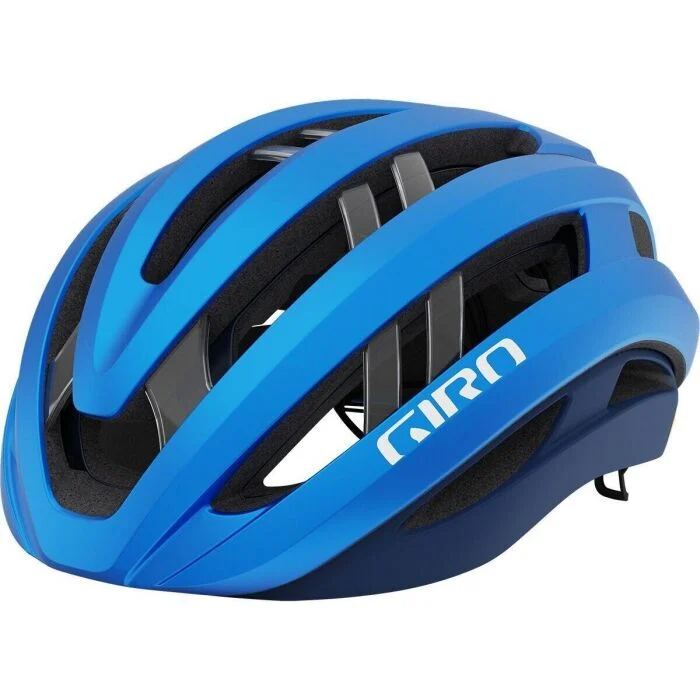
The Trek Starvos WaveCel helmet uses WaveCel technology that's more advanced than the Giro Aries Spherical's traditional foam padding, but the Aries Spherical offers superior ventilation and lighter weight. While the Starvos provides impact protection, its bulky fit and poor airflow make it less appealing compared to the Aries Spherical's sleek design and performance.
Who this is for
At a glance: casual riders prioritizing impact protection.
Why you’d buy the Trek Starvos WaveCel Cycling Helmet
- Uses WaveCel technology designed to absorb impact during crashes.
- Provides a layered internal structure with WaveCel, traditional foam padding, and spacing.
- Suitable for road and light off-road/gravel riding.
Why you’d skip it
- Large, bulky fit that may not appeal to fashion-conscious riders.
- Poor airflow and ventilation leading to stuffiness during sweaty rides.
Rating sources
Our 4.1 score is the average of these published ratings. More about methodology.