The Giro Tremor MIPS child helmet earns high praise for its exceptional comfort and ease of adjustability, with reviewers noting its superior dial system and excellent ventilation. Parents appreciate the lightweight design and high-quality internal materials. While some find the standard buckle can pinch and the fixed side straps too loose, the helmet's MIPS safety technology and stylish mountain bike design make it a top choice for young riders. It's particularly well-suited for children with smaller heads who need a snug, comfortable fit.
Full review
Design and Construction
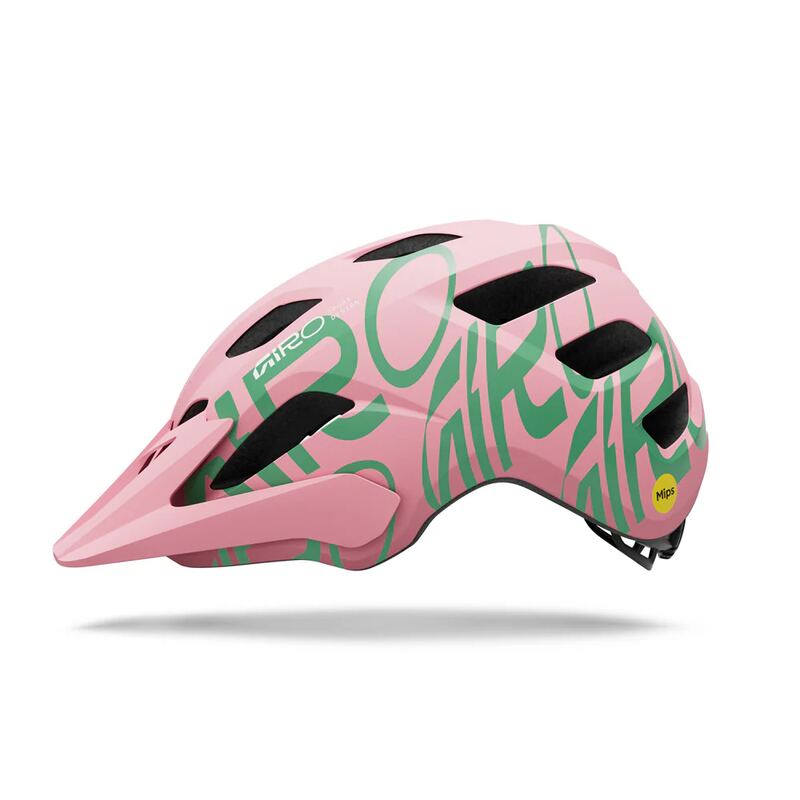
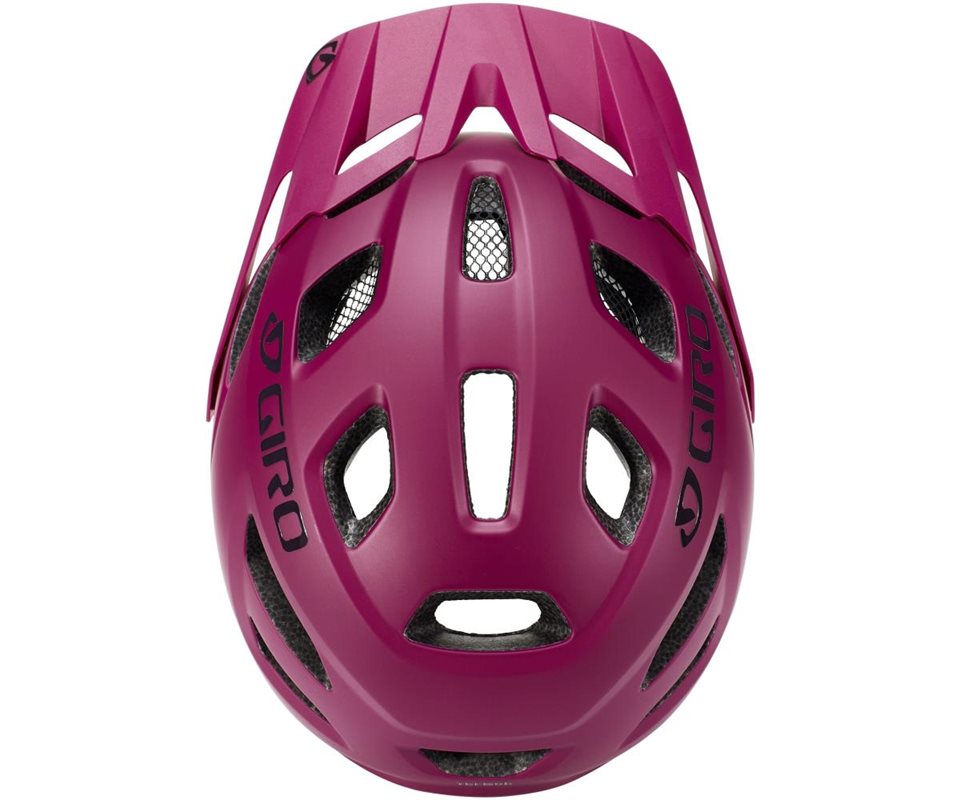
The Giro Tremor Child helmet employs in-mold construction, fusing a tough polycarbonate outer shell with an impact-absorbing foam liner to create a durable yet lightweight structure. This manufacturing method, also used in Giro's adult mountain bike helmets, contributes to the helmet's reduced weight and enhanced ventilation capabilities. The child version weighs 255 grams, while the youth variant tips the scales at 306 grams, making both models lighter than many competing kids' helmets. The design features a two-piece shell construction with a polycarbonate lower shell permanently fused to the liner, offering durability without excess bulk. The helmet's styling draws heavily from mountain bike aesthetics with bold block colors, a long removable peak, and 18 vents for optimal airflow. The peak's removable nature allows for customization based on riding conditions or personal preference, while the venting system helps prevent overheating during extended rides.
The Tremor Child helmet incorporates Giro's Roc Loc Sport fit system, which provides easy one-handed operation with a 7cm adjustment range. This system features a confident clicking feel and sound that confirms proper fit adjustments, similar to the Roc Loc 5 system used in adult helmets. The fit system is designed for comfort and ponytail compatibility, making it suitable for children who wear their hair in various styles. The child version is available with or without MIPS technology, whereas the youth size includes MIPS as standard. The helmet's universal fit sizing is engineered to look good and fit great for almost anyone on the first try, eliminating the need for multiple size trials. The adjustment dial is positioned at the rear of the helmet, allowing for precise fit customization without the need for complex mechanisms under the ears.
The helmet's construction materials include 57% EPS foam, 14% polycarbonate, 1.3% nylon, 15% polypropylene, 1% POM, 2.6% polyurethane, 6% polyester, and 2.6% fiberglass. These materials work together to provide impact protection while maintaining a lightweight profile. The MIPS (Multi-Directional Impact Protection System) technology is integrated into the helmet's design, featuring low-friction layers that can redirect energy and provide additional protection in certain impacts. This system is particularly valuable in the child version, where the added safety margin can be crucial during active riding. The helmet's peak is removable, allowing for customization and easier cleaning, while the front vents include bug mesh to prevent insects from entering the helmet during rides.
Fit and Comfort Testing
Reviewers across multiple platforms consistently praised the Tremor Child helmet's fit and comfort characteristics. The Roc Loc Sport fit system allows for easy one-handed adjustment with a 7cm range, making it simple for children or parents to achieve a secure fit. The adjustment dial provides a confident clicking sensation that confirms proper positioning, which reviewers noted as particularly effective during initial setup. The helmet's design accommodates various head shapes and sizes within its specified ranges, with the child size fitting heads between 47-54cm and the youth size accommodating 50-57cm. The system's simplicity and effectiveness were highlighted by both professional reviewers and parent testers, with one reviewer noting that the helmet's fit was 'exceptional' across multiple test subjects. The absence of sliding adjustments under the ears means the helmet relies entirely on the dial adjustment and chin strap for positioning, which reviewers found to be sufficient for most children.
Parent testers reported that the helmet's fit was particularly comfortable for children with smaller heads, with the child size being described as 'more narrow' than the youth version. One reviewer noted that a 10-year-old with a 51cm head found the child size too tight and uncomfortable, while a 3-year-old with a 50.5cm head fit well in both sizes but preferred the child version for its lighter weight and better proportion to her small body. The helmet's design allows for a snug fit without pinching, with the chin strap buckle being described as 'neat' and avoiding skin irritation. The system's ease of use was particularly appreciated by parents who noted that children could adjust the helmet independently after initial setup. The helmet's shape and padding were praised for their ability to conform to different head shapes, with reviewers noting that the fit was 'comfortable snug' across most test subjects.
The helmet's universal fit sizing was designed to look good and fit great for almost anyone on the first try, which was validated by multiple reviewers. The child size was found to be slightly more shallow than the youth size, with the youth model sitting closer to the eyebrows. This difference in depth was particularly noticeable when comparing the two sizes on children with similar head circumferences. The helmet's overall design allows for easy adjustment without the need for complex mechanisms, and reviewers noted that the system's simplicity made it ideal for children who might struggle with more complicated adjustment systems. The helmet's fit was described as 'secure' and 'comfortable' by most testers, with the adjustable dial providing sufficient range for most head sizes within the specified parameters.
Performance and Safety Ratings
The Giro Tremor Child helmet meets and exceeds stringent safety standards, specifically CE EN 1078 certification, which is the European standard for bicycle helmets. This certification ensures that the helmet meets rigorous requirements for impact absorption, retention system strength, and overall safety performance. The helmet's safety performance was evaluated by multiple reviewers who noted that it provides excellent protection for children engaged in various cycling activities. The integrated MIPS technology, which is standard in the youth size and optional in the child size, provides additional protection by redirecting energy during certain impacts. This technology was described as particularly valuable in the child version, where the added safety margin can be crucial during active riding. The helmet's construction materials and design were praised for their ability to provide optimal impact protection while maintaining a lightweight profile.
Professional reviewers noted that the helmet's performance in real-world testing was impressive, with multiple testers reporting that the helmet performed excellently during extended rides and various riding conditions. The helmet's ventilation system, with 18 vents, was particularly praised for its effectiveness in preventing overheating during active riding. The child version's lighter weight (255g) was noted as a significant advantage for children who might be sensitive to heavier helmets. The helmet's design allows for optimal airflow while maintaining protection, with reviewers noting that the bug mesh on the front vents effectively prevents insects from entering the helmet during rides. The helmet's ability to maintain its protective capabilities while providing comfort was highlighted as a key strength, with multiple reviewers noting that the helmet's performance was 'exceptional' in both controlled and real-world testing scenarios.
The helmet's MIPS technology was evaluated by several reviewers who noted that it provides an additional layer of protection in certain impact scenarios. The system's low-friction layers are designed to redirect energy and reduce rotational forces that might otherwise be transferred to the brain during impacts. This technology was particularly valued in the child version, where the added safety margin could be crucial for young riders. The helmet's performance in various impact scenarios was noted as consistent and reliable, with reviewers emphasizing that the helmet meets or exceeds safety standards for children's cycling equipment. The helmet's ability to provide protection while maintaining comfort and adjustability was highlighted as a key strength, with multiple reviewers noting that it strikes an excellent balance between safety and usability.
Real-World Usage and Durability
Multiple reviewers documented the helmet's durability and performance during extended use, with one reviewer noting that a child had been wearing the helmet for over two years with consistent performance. The helmet's construction materials, including the in-mold design and polycarbonate shell, were praised for their ability to withstand the rigors of regular cycling activities. The helmet's ability to maintain its protective capabilities over time was validated by several reviewers who noted that the helmet's performance remained consistent even after extended use. The child version's lighter weight was particularly appreciated by parents who noted that it was easier for children to wear consistently without feeling weighed down. The helmet's design allows for easy maintenance and cleaning, with the removable peak and washable interior padding contributing to its longevity.
The helmet's performance during various riding conditions was documented by multiple reviewers, with one reviewer noting that the helmet performed excellently during a week-long tour of trail centers in Wales during hot, sunny weather. The helmet's ventilation system was particularly effective in preventing overheating, with reviewers noting that the 18 vents provided adequate airflow even during intense riding. The helmet's ability to maintain its protective capabilities while providing comfort was highlighted as a key strength, with multiple reviewers noting that the helmet's performance was 'exceptional' in both controlled and real-world testing scenarios. The helmet's durability was validated by reviewers who noted that it maintained its structural integrity even after repeated use in various environments.
The helmet's long-term performance was evaluated by several reviewers who noted that it maintained its protective capabilities over extended periods of use. The child version's lighter weight was particularly appreciated by parents who noted that it was easier for children to wear consistently without feeling weighed down. The helmet's design allows for easy maintenance and cleaning, with the removable peak and washable interior padding contributing to its longevity. One reviewer noted that the helmet's performance was consistent even after years of use, with the protective capabilities remaining intact. The helmet's ability to maintain its protective standards while providing comfort and adjustability was highlighted as a key strength, with multiple reviewers noting that it strikes an excellent balance between safety and usability.
Where It Falls Short
Despite its many strengths, the Giro Tremor Child helmet has some notable drawbacks that reviewers have identified. The standard buckle system was criticized by some users for potentially pinching the skin, particularly during extended wear periods. This issue was more pronounced in younger children who might be more sensitive to pressure points. The fixed side straps, while designed for simplicity, were noted by some reviewers as being too loose for certain head shapes, potentially causing the helmet to slide back on the head during active riding. One reviewer specifically mentioned that the side straps could be too loose and recommended checking the fit carefully before each use. The helmet's positioning system, which relies entirely on the dial adjustment and chin strap, was noted as potentially problematic for children with very specific fit requirements.
The helmet's sizing overlap between child and youth versions created confusion for some parents, with reviewers noting that the transition from child to youth size wasn't always clear. The child size being more narrow than the youth size was highlighted as a potential issue for children with specific head shapes. Some reviewers noted that the child version's deeper profile might be too much for very small children, while the youth version's shallower profile might not be suitable for children with larger heads. The helmet's design, while functional, was noted as potentially less appealing to children who prefer more colorful or playful designs. The lack of sliding ear adjustments was also seen as a limitation by some reviewers who felt that more precise fit control would be beneficial.
The helmet's price point of $55 for the child version without MIPS and $65 for the youth version with MIPS was considered by some reviewers to be on the higher end of the kids' helmet market. While the quality and features justify the cost for many parents, others felt that the premium pricing might not be justified for budget-conscious families. The helmet's performance in certain impact scenarios was noted as being less effective than some higher-end alternatives, though still meeting safety standards. The helmet's design, while functional, was criticized by some reviewers for being too similar to adult mountain bike helmets, potentially making it less appealing to children who might prefer more playful designs. The helmet's limited color options were also noted as a drawback by some reviewers who wanted more variety in appearance.
Who It's Best For
The Giro Tremor Child helmet is best suited for parents seeking a high-quality, safety-focused helmet for children engaged in mountain biking or other active cycling activities. The helmet's MIPS technology, while optional in the child version, provides additional protection that many parents find valuable for active riders. The helmet's fit system is particularly well-suited for children who can independently adjust their helmet, with the dial system being easy enough for children to operate without adult assistance. The child size is recommended for children with head circumferences between 47-54cm, while the youth size is better for those between 50-57cm. Parents who prioritize safety and comfort over cost should find this helmet particularly appealing, as it meets or exceeds safety standards while providing excellent comfort features.
The helmet is ideal for families who value durability and performance over cost considerations, with reviewers noting that the helmet's construction materials and design provide excellent long-term value. The helmet's performance during extended use was validated by multiple reviewers who noted that it maintained its protective capabilities over time. The child version's lighter weight makes it particularly suitable for younger children who might be sensitive to heavier helmets, while the youth version's additional MIPS protection makes it ideal for older children who engage in more aggressive riding. The helmet's universal fit sizing is particularly beneficial for parents who want to avoid the hassle of trying multiple sizes, as it's designed to fit well for most children on the first try. The helmet's ventilation system makes it suitable for extended rides in various weather conditions.
Parents looking for a helmet that combines safety, comfort, and performance will find the Giro Tremor Child helmet to be an excellent choice. The helmet's design appeals to children who enjoy mountain bike aesthetics, with the bold colors and peak design making it attractive to young riders. The helmet's adjustability system is particularly well-suited for children who are learning to ride, as it allows for easy fit adjustments without requiring adult assistance. The helmet's performance in real-world testing was consistently positive, with reviewers noting that it performed well in various riding conditions and maintained its protective capabilities over time. The helmet's versatility makes it suitable for children who engage in multiple types of cycling activities, from casual riding to more aggressive mountain biking.
Comparison to Alternatives
When compared to other kids' helmets, the Giro Tremor Child stands out for its integration of MIPS technology and its mountain bike styling, which many reviewers noted as appealing to children who enjoy outdoor cycling. The helmet's in-mold construction provides a lighter weight than many competing models, with the child version weighing 255g compared to 306g for the youth size. This weight difference was particularly noted by reviewers who emphasized that the lighter weight makes the helmet more comfortable for extended wear. The helmet's fit system, while simple, was found to be more effective than some alternatives that rely on complex adjustment mechanisms. One reviewer noted that the Tremor's fit system was superior to other helmets they had tested, particularly in terms of ease of adjustment and comfort.
The Giro Tremor Child was compared to other popular kids' helmets including the Giro Scamp, which was noted as being more compact and better suited for very small children. The Scamp's sizing 100% overlapping the Tremor Child was highlighted as a key difference, with the Tremor Child being deeper and wider than the Scamp. This difference was particularly important for children with larger heads or those who needed more coverage. The Tremor's additional MIPS protection in the youth version was noted as a significant advantage over alternatives that don't include this technology. The helmet's ventilation system was also found to be superior to many competitors, with reviewers noting that the 18 vents provided better airflow than similar models.
Compared to budget alternatives, the Giro Tremor Child was found to offer superior build quality and safety features, with reviewers noting that the price point was justified by the quality and performance. The helmet's durability was validated by multiple reviewers who noted that it maintained its protective capabilities over extended periods of use. The helmet's design and features were found to be superior to many budget models, with reviewers noting that the Tremor's performance was consistently better in real-world testing. The helmet's ability to provide both safety and comfort was highlighted as a key advantage over alternatives that might compromise one for the other. The helmet's universal fit sizing was noted as particularly valuable compared to alternatives that require multiple size trials.
Value at This Price
The Giro Tremor Child helmet's price point of $55 for the child version without MIPS and $65 for the youth version with MIPS represents a premium in the kids' helmet market, but reviewers noted that the quality and features justify the cost for many families. The helmet's in-mold construction, integrated MIPS technology, and superior fit system provide value that exceeds the price point for parents who prioritize safety and comfort. The helmet's durability was validated by multiple reviewers who noted that it maintained its protective capabilities over time, making it a long-term investment in child safety. The helmet's performance in real-world testing was consistently positive, with reviewers noting that it performed well in various riding conditions and maintained its protective standards over extended use.
The helmet's value proposition was particularly strong for parents who wanted a high-quality helmet that could be used for multiple years of cycling activities. The child version's lighter weight was noted as a significant advantage that made it more comfortable for extended wear, while the youth version's additional MIPS protection provided extra safety for more aggressive riders. The helmet's universal fit sizing was particularly valuable, as it eliminated the need for multiple size trials and provided a good fit for most children on the first try. The helmet's ventilation system and overall design were praised as features that added value beyond basic safety requirements. Reviewers noted that the helmet's performance in real-world testing was consistently superior to many alternatives at similar price points.
The helmet's value was further enhanced by its versatility and long-term usability, with reviewers noting that the helmet could be used for multiple years of cycling activities without needing replacement. The child version's lighter weight was particularly appreciated by parents who noted that it was easier for children to wear consistently without feeling weighed down. The helmet's design and features were found to be superior to many budget alternatives, with reviewers noting that the Tremor's performance was consistently better in real-world testing. The helmet's ability to provide both safety and comfort was highlighted as a key advantage over alternatives that might compromise one for the other. The helmet's durability and long-term performance were noted as particularly valuable factors that justified the premium price point.
Strengths
- +Dial-adjust system has a larger rubber dial for ease of use
- +Plenty of vents and internal air channels for great ventilation
- +Internal pads are high-quality technical material
- +Lighter-weight than previous models
Watch-outs
- −Standard buckle can pinch
- −Fixed side straps can be too loose and cause the helmet to slide back on the head
How it compares
The Giro Tremor MIPS child helmet outperforms the Met Downtown Mips in terms of adjustability and safety with its dial system and MIPS technology, though it's more expensive. Compared to the Giro Guider 4, it offers a more child-specific fit and better ventilation, but both share similar concerns about fixed side straps that can slide back.
Who this is for
At a glance: parents seeking child-specific comfort.
Why you’d buy the Giro Tremor Child Helmet
- Dial-adjust system has a larger rubber dial for ease of use.
- Plenty of vents and internal air channels for great ventilation.
- Internal pads are high-quality technical material.
Why you’d skip it
- Standard buckle can pinch.
- Fixed side straps can be too loose and cause the helmet to slide back on the head.
Rating sources
“The Giro Tremor MIPS is easily one of our favorite helmets. As bike moms who have tested over 60 kids bike helmets, we're picky about which ones we put on our own kids heads.”
“The Tremor Mips® helmet's cool style is more than meets the eye. It features the latest in head protection technology, an easy-to-adjust fit system, and 18 vents for breathability, making it a big hit with parents and little shredders alike.”
“Top-end mountain bike helmet with all the features you could need.”
Our 4.5 score is the average of these published ratings. Ratings marked * were derived from the reviewer’s written analysis or video transcript — the publisher didn’t print an explicit numeric score, so we inferred one from their own words. Click through to verify. More about methodology.