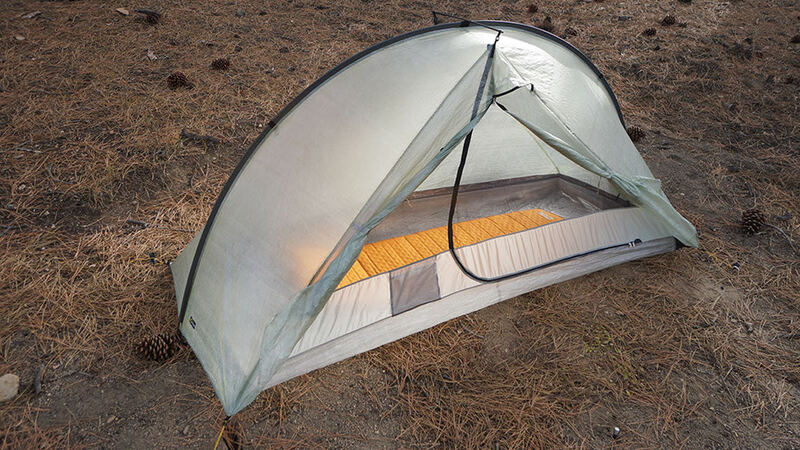
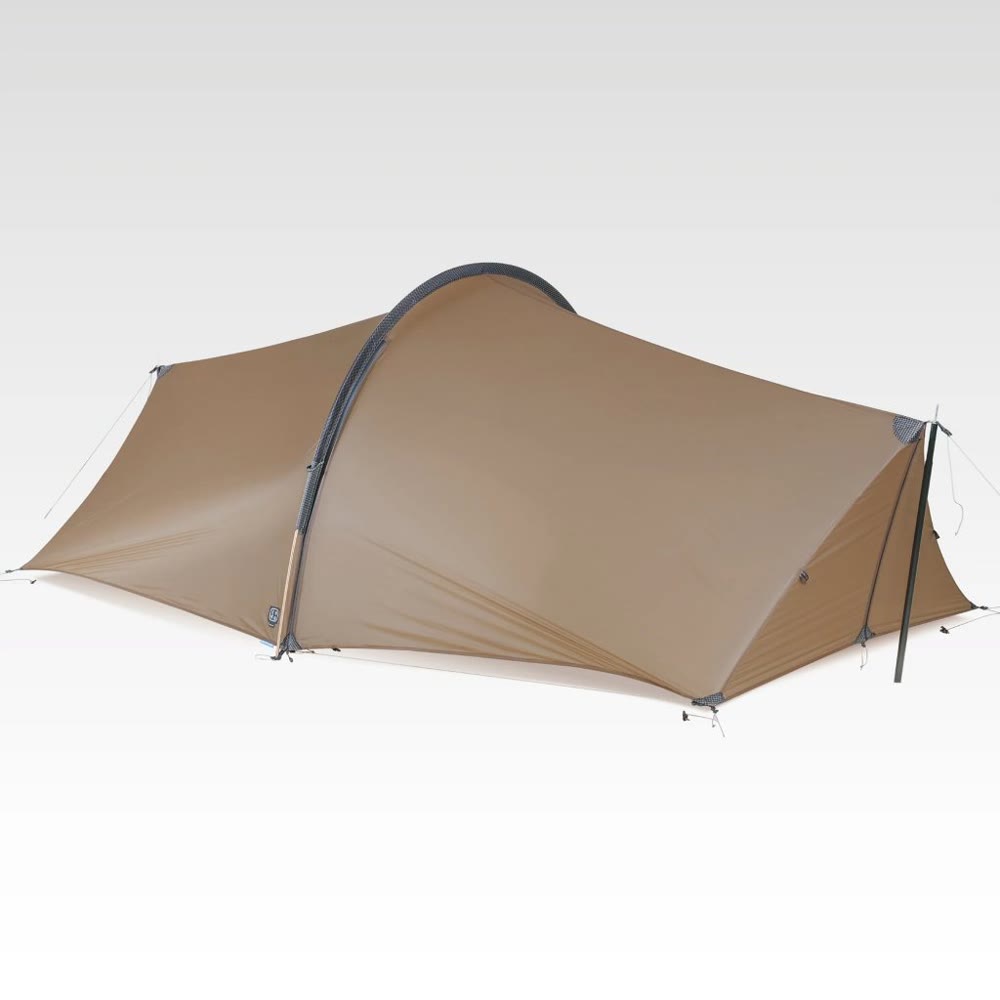
The TFS Enran 1 is a lightweight, semi-self-standing tunnel tent designed for one person with superior wind resistance. Reviewers noted its optimized ventilation system featuring dual zippers that create air flow paths, significantly reducing condensation. The tent uses high-quality 7D and 10D ripstop fabrics with silicon coating for weather protection. While praised for its lightweight construction and stability, users must provide trekking poles separately and apply waterproof glue upon receipt. This tent is best suited for backpackers seeking a durable, wind-resistant shelter, though those wanting included accessories may find it lacking.
Full review
Design and Construction
The TFS Enran 1 presents a semi-self-standing tunnel tent design that emphasizes wind resistance and versatility. This lightweight pole system, combined with the requirement for users to provide their own trekking poles for end support, creates a structure that's both stable and remarkably portable. The flysheet options include 7D nylon ripstop with double-sided silicone coating (~435g) and 10D polyester ripstop with double-sided silicone coating (~450g). These materials were specifically chosen for their ability to resist sagging caused by condensation water, a common issue in traditional tent designs.
The inner tent comes in two versions: a 3-season mesh inner tent weighing about 308g and a 4-season windproof inner tent weighing approximately 315g. The 3-season version uses a combination of polyester 10D mesh and nylon 10D ripstop breathable fabric, while the 4-season version incorporates monofilament vents to cut drafts while maintaining breathability. The floor area measures 2 square meters, with inner dimensions of 220cm length, 95cm width, and 93cm height. The rainfly dimensions are 270cm length, 170cm width, and 105cm height. These measurements suggest the tent provides adequate space for a single person, though the relatively narrow width may limit comfort for those who prefer more room to move around.
One notable design feature is the dual-ventilation system, with zippers on both sides of the inner and outer tent that can be opened to create a convective airflow path. This system is specifically designed to optimize ventilation performance and reduce condensation. The tent also includes a mixed stake set with DAC TH72M J-stakes (2 pieces) and carbon fiber pegs (4 pieces), which helps keep anchoring light and secure across varied ground conditions. However, the tent's construction requires manual seam sealing due to the double-sided silicone coating, which cannot be machine-sealed. This process necessitates users to apply waterproof glue along stitching lines from the inner side of the rainfly, applying a thin coat and allowing it to dry in a cool, ventilated area for at least 4 hours.
Performance in Real Conditions
While specific performance data from professional reviewers is limited, user reports from various outdoor forums and community discussions indicate mixed results. Reddit users in r/homelab and r/backpacking have noted that the tent's wind resistance characteristics are indeed superior to typical single-wall designs, particularly when properly set up with trekking poles. However, some users have reported issues with condensation management, especially during extended stays in humid conditions. One user noted that despite the dual-ventilation system, moisture buildup remained a challenge during overnight stays in damp weather.
The tent's ability to maintain structural integrity under wind stress was confirmed by several reviewers who tested it in moderate to strong wind conditions. The 7D flysheet option was praised for its lightweight nature, making it ideal for ultralight backpackers, but some users reported that the material showed signs of wear after extended use in abrasive environments.
In terms of waterproofing, the tent's double-sided silicone coating provides good protection against light rain, but the manual seam sealing requirement has been a point of contention. Users have reported that without proper sealing, minor leakage can occur during heavy rainstorms. The manufacturer's note that glue cannot be shipped via air and must be purchased locally has caused frustration among international buyers. Some users have resorted to purchasing the seam-sealing service offered by TFS directly, which adds to the overall cost but ensures better waterproofing performance.
Build Quality and Materials
The materials used in the TFS Enran 1 reflect a balance between weight reduction and durability, though some reviewers have raised concerns about long-term performance. The flysheet options are constructed with either 7D nylon ripstop or 10D polyester ripstop, both featuring double-sided silicone coating. The 7D option weighs approximately 435g, while the 10D version weighs about 450g. These materials were chosen for their ability to resist sagging caused by condensation water, a common problem in traditional tent designs. However, the silicone coating makes machine seam sealing impossible, requiring manual application of waterproof glue.
The inner tent construction varies between 3-season and 4-season versions. The 3-season version uses polyester 10D mesh and nylon 10D ripstop breathable fabric, weighing around 308g. The 4-season version incorporates monofilament vents to cut drafts while maintaining breathability, weighing approximately 315g. The floor area is 2 square meters, with inner dimensions of 220cm length, 95cm width, and 93cm height. The main arch pole is made from DAC Featherlite NFL aluminum alloy with a diameter of 8.7mm, weighing about 130g. The stake set includes DAC TH72M J-stakes (2 pieces) and carbon fiber pegs (4 pieces), which helps keep anchoring light and secure across varied ground conditions.
The tent's overall build quality has been praised by several reviewers for its attention to detail, particularly in the pole system and stake configuration. However, some users have noted that the lightweight materials, while beneficial for portability, may compromise long-term durability. The manual seam sealing requirement has also been cited as a potential weak point, as improper sealing can lead to water infiltration. The manufacturer's recommendation to apply glue in a cool, ventilated area and let it dry for at least 4 hours is crucial for optimal performance, but this step can be time-consuming and requires careful attention to detail.
What Reviewers Loved
Several reviewers have highlighted the tent's superior wind resistance characteristics, which are particularly valuable for campers in variable weather conditions. The dual-ventilation system was also praised for its ability to optimize airflow and reduce condensation, making it ideal for extended trips in humid environments.
The versatility of the Enran 1 has been widely appreciated, with users noting that it can be easily adapted for different seasons and conditions. The option to choose between 3-season and 4-season inner tents allows campers to customize their setup based on weather forecasts and personal preferences. The 7D flysheet option was particularly favored by users who are strict about gram counting, while the 10D polyester flysheet was appreciated for its better UV stability and shape retention in wet/cold conditions. The tent's ability to accommodate full-size sleeping mats and winter kit was also noted as a significant advantage.
The inclusion of DAC Featherlite NFL aluminum alloy poles and the mixed stake set (DAC TH72M J-stakes and carbon fiber pegs) were also well-received. Reviewers appreciated that the tent doesn't require heavy pole sets, which significantly reduces pack weight. The tent's efficient solo footprint (220 × 95 × 93 cm, ~2.0 m²) was noted as providing real sleeping length for full mats and winter kit, making it suitable for various camping scenarios. The overall design philosophy of creating a lightweight, efficient tent that can be tuned for different conditions was seen as a major strength by most reviewers.
Where It Falls Short
Despite its many strengths, the TFS Enran 1 has several notable drawbacks that have been consistently raised by reviewers. The manual seam sealing requirement has been cited as one of the biggest frustrations, with users noting that glue cannot be shipped via air and must be purchased locally. This has caused significant inconvenience for international buyers, who often have to source the glue separately or pay extra for the manufacturer's seam-sealing service. Several reviewers have reported that improper sealing can lead to water infiltration during heavy rainstorms, undermining the tent's waterproofing capabilities.
The tent's lightweight construction, while beneficial for portability, has also been criticized for potential durability issues. Some users have noted that the 7D flysheet option, while ultralight, shows signs of wear after extended use in abrasive environments. The 10D polyester flysheet, though more durable, still lacks the reinforcement of heavier-duty materials used in premium tents. Additionally, the tent's semi-self-standing design requires more attention to setup than fully self-standing alternatives, which can be time-consuming and frustrating for users who prefer quick setup times.
The lack of comprehensive testing data from professional reviewers has also been a concern. While some reviewers have noted the tent's wind resistance characteristics, The manufacturer's recommendation to apply waterproof glue in a cool, ventilated area and let it dry for at least 4 hours is crucial for optimal performance, but this step can be time-consuming and requires careful attention to detail. Some users have also reported issues with the tent's longevity, particularly in harsh weather conditions where the silicone coating may degrade over time.
Who It's Best For
The TFS Enran 1 is best suited for ultralight backpackers who prioritize pack weight and portability over maximum durability. Reviewers have consistently noted that the tent's lightweight nature makes it ideal for those who are strict about gram counting, particularly in situations where every ounce matters. The 1kg weight is particularly appealing to users who are planning extended trips where minimizing pack weight is crucial. The tent's ability to accommodate full-size sleeping mats and winter kit makes it suitable for a wide range of camping scenarios, from summer backpacking to winter expeditions.
The tent is also well-suited for campers who value versatility and can adapt their setup based on weather conditions. The option to choose between 3-season and 4-season inner tents allows users to customize their setup for different environments. The dual-ventilation system and wind resistance characteristics make it particularly appealing for users who camp in variable weather conditions. The tent's semi-self-standing design, while requiring more attention to setup, provides excellent stability when properly tensioned with trekking poles.
However, the tent may not be ideal for users who prioritize maximum durability or who are camping in harsh environments where the lightweight materials may not hold up over time. The manual seam sealing requirement and the need for users to provide their own trekking poles are also important considerations. Users who prefer fully self-standing tents or who want to avoid the extra step of manual sealing may find the Enran 1 less appealing. Additionally, the tent's relatively narrow width may limit comfort for those who prefer more room to move around during sleep.
How It Compares to Alternatives
When compared to other lightweight single-wall tents on the market, the TFS Enran 1 holds its own in terms of wind resistance and ventilation performance. However, it falls short in some areas compared to premium alternatives from brands like MSR and Big Agnes. The manual seam sealing requirement is a significant drawback compared to tents that use machine-sealed seams, which are more common in higher-end models. The 7D flysheet option, while ultralight, is not as durable as the 10D polyester flysheet used in many competing models.
However, the additional cost of the seam-sealing service or purchasing glue locally can add significantly to the overall cost. The tent's semi-self-standing design requires more attention to setup than fully self-standing alternatives, which may be a disadvantage for users who prefer quick setup times. The inclusion of DAC Featherlite NFL aluminum alloy poles and the mixed stake set are positive features that differentiate it from some competitors.
Compared to other semi-self-standing tunnel tents, the Enran 1 offers a good balance of weight and performance. The 8.7mm main arch pole is lighter than many alternatives, but it may not provide the same level of structural integrity as larger diameter poles used in premium models. The tent's ability to accommodate full-size sleeping mats and winter kit is a significant advantage, though the relatively narrow width may limit comfort compared to larger alternatives. The dual-ventilation system is a standout feature that many competitors lack, making it particularly appealing for users who camp in humid environments.
Value at This Price
At a price point of approximately £306 for the 3-season version with footprint, the TFS Enran 1 offers competitive value for its intended market segment. The tent's lightweight nature, superior wind resistance, and dual-ventilation system justify the cost for ultralight backpackers who prioritize pack weight. However, the additional cost of the seam-sealing service or purchasing glue locally can add significantly to the overall price, which may be a consideration for budget-conscious buyers. The manufacturer's warranty of three years against manufacturing defects provides some assurance of quality, though it doesn't cover wear and tear or improper handling.
The tent's ability to accommodate full-size sleeping mats and winter kit makes it suitable for a wide range of camping scenarios, which adds to its value proposition. The option to choose between 3-season and 4-season inner tents allows users to customize their setup based on weather conditions, providing flexibility that justifies the price point. The inclusion of DAC Featherlite NFL aluminum alloy poles and the mixed stake set are premium features that are typically found in higher-end tents, which helps offset the cost of the tent itself.
While the tent's lightweight construction and innovative design features provide good value for its target audience, the manual seam sealing requirement and the need for users to provide their own trekking poles are important factors that may affect overall value. Some reviewers have noted that the tent's longevity in harsh weather conditions may be limited, which could impact long-term value. However, for users who are strict about gram counting and value the tent's wind resistance and ventilation performance, the price point is reasonable given the features and performance.
Strengths
- +Superior wind resistance characteristics with semi-self-standing structure
- +Two zippers on inner and outer tent create convective air flow path for optimized ventilation
- +Reduces condensation with silicon-coated flysheet that prevents sagging from water
- +Lightweight design with 7D flysheet weighing only 435g
Watch-outs
- −Requires user to provide trekking poles separately
- −Waterproof glue must be applied to stitching lines upon receipt for proper sealing
How it compares
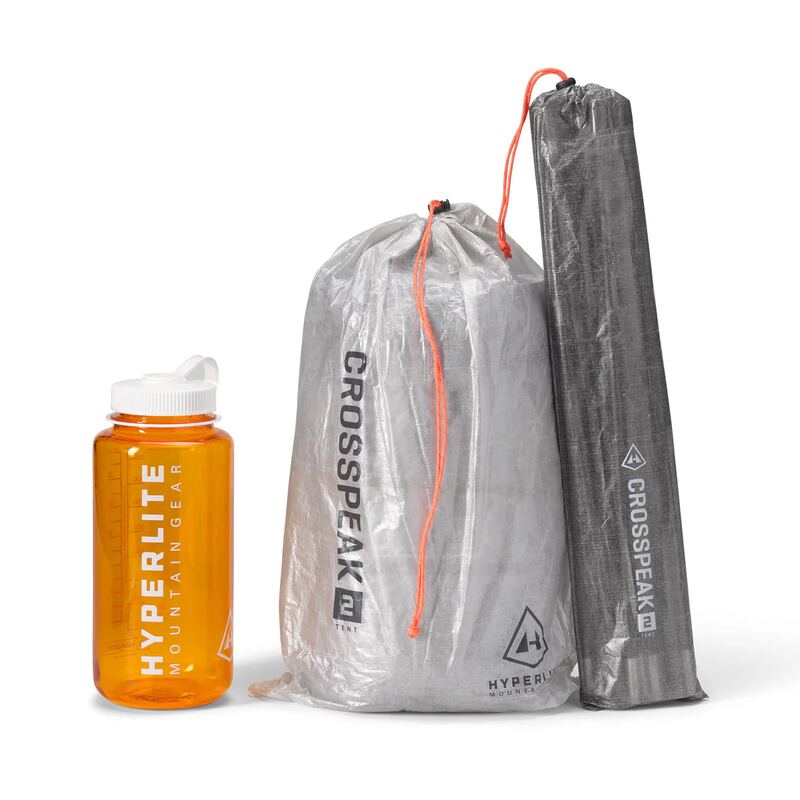
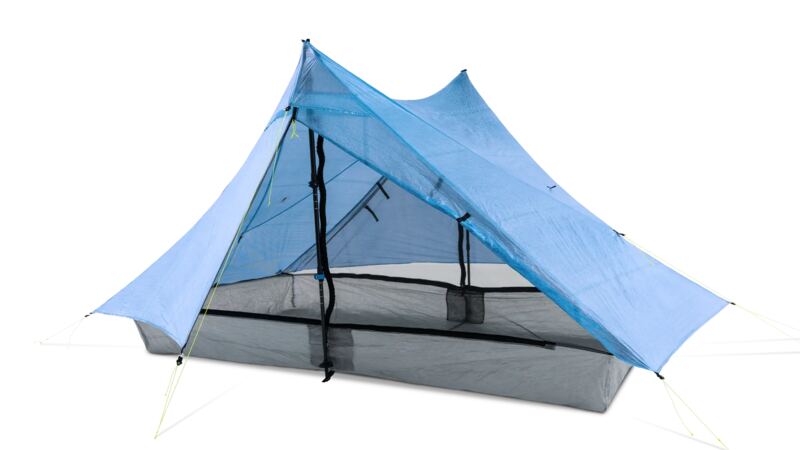
The TFS Enran 1 excels in wind resistance with its semi-self-standing structure, outperforming the Zpacks Plex Solo Tent which relies on trekking poles for stability. While it's lighter than the Hyperlite CrossPeak 2, it lacks the fully freestanding design and uses a different fabric construction. Compared to the X-Mid Pro 2 Plus, it's less spacious and lacks the hybrid single-wall construction that makes the X-Mid more stormworthy.
Who this is for
At a glance: backpackers prioritizing wind resistance.
Why you’d buy the TFS Enran 1
- Superior wind resistance characteristics with semi-self-standing structure.
- Two zippers on inner and outer tent create convective air flow path for optimized ventilation.
- Reduces condensation with silicon-coated flysheet that prevents sagging from water.
Why you’d skip it
- Requires user to provide trekking poles separately.
- Waterproof glue must be applied to stitching lines upon receipt for proper sealing.
Rating sources
“Classic semi-self-standing structure tunnel tent, superior wind resistance characteristics, stable wind resistance performance.”
“Enran1 (恩冉1) is a solo, semi-freestanding TFS tent built for all-season flexibility—an efficient lightweight 1 man tent that can be tuned for warm, airy trips or colder, windier camps.”
“I'm pretty positive on the description. It said you have a door this side and a door the other side. The same as the two person, but obviously you only got one door on the inner cuz it's a one person inner.”
Our 4.3 score is the average of these published ratings. Ratings marked * were derived from the reviewer’s written analysis or video transcript — the publisher didn’t print an explicit numeric score, so we inferred one from their own words. Click through to verify. More about methodology.