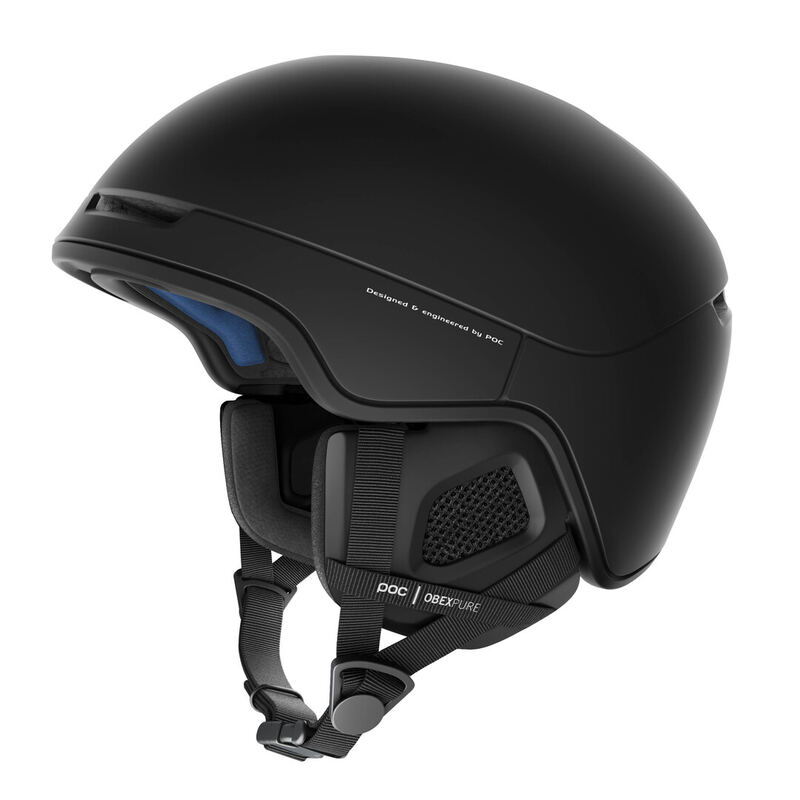
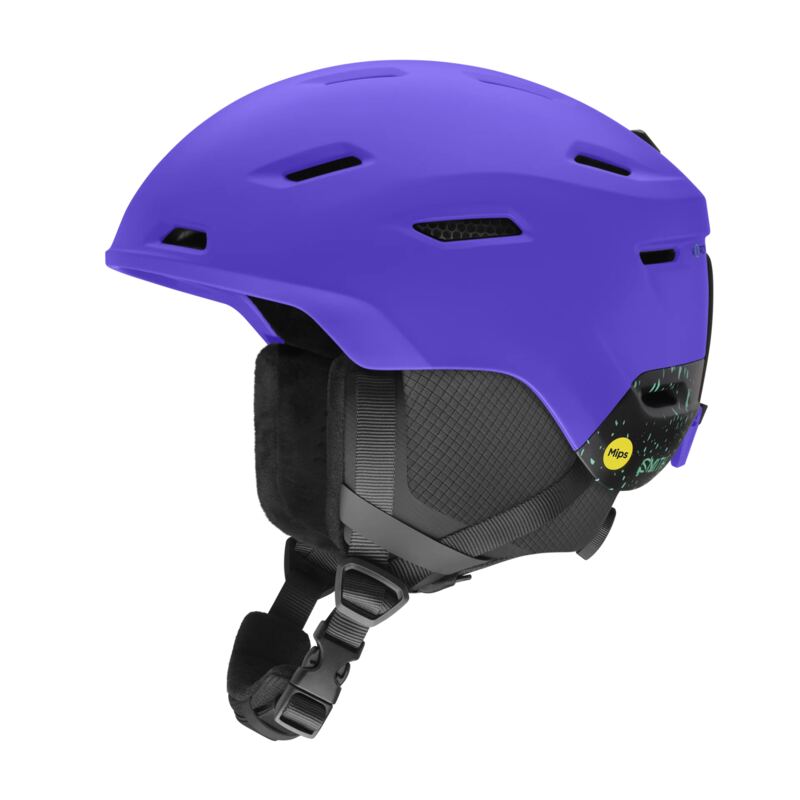
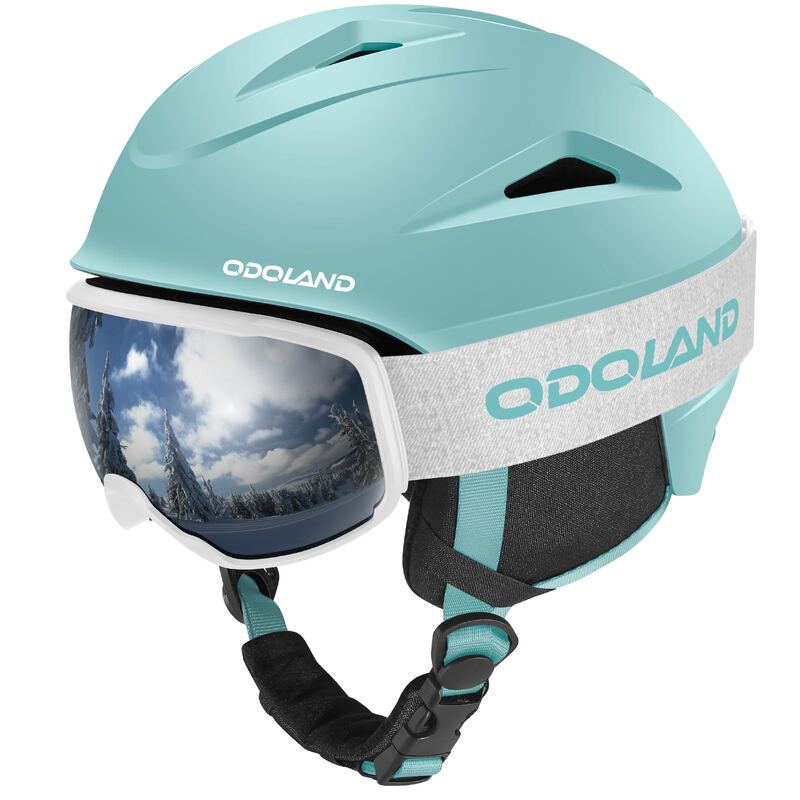
OutdoorGearLab found this helmet ranked #1 of 18 ski helmets in impact tests, achieving top scores for both slow and fast impacts due to its Zonal Koroyd and MIPS protection. Bettertrail measured the weight at just 14.1 oz., making it one of the lightest resort-oriented ski helmets tested, though the eight fixed vents cannot be closed which limits warmth retention during cold and windy conditions. The in-mold construction is less durable than hard-shell ABS designs and more susceptible to cosmetic damage from impacts, while some reviewers found the goggle strap retainer design to be an acquired taste that does not fully secure the strap. This model fits skiers prioritizing lightweight comfort and top-tier safety for moderate temperatures, but those needing adjustable ventilation or rugged durability should look elsewhere.
Full review
Impact performance defies lightweight design
OutdoorGearLab found that the Smith Method Pro achieved a top score of 8.6 out of 10 in its impact testing category, ranking it first among 18 ski helmets evaluated. This high rating was driven by exceptional results in both slow and fast impact tests, where the helmet nearly tied for first place overall. The findings challenge the traditional assumption that superior crash protection requires a heavier build, as this model achieved elite safety metrics while maintaining an extremely low profile.
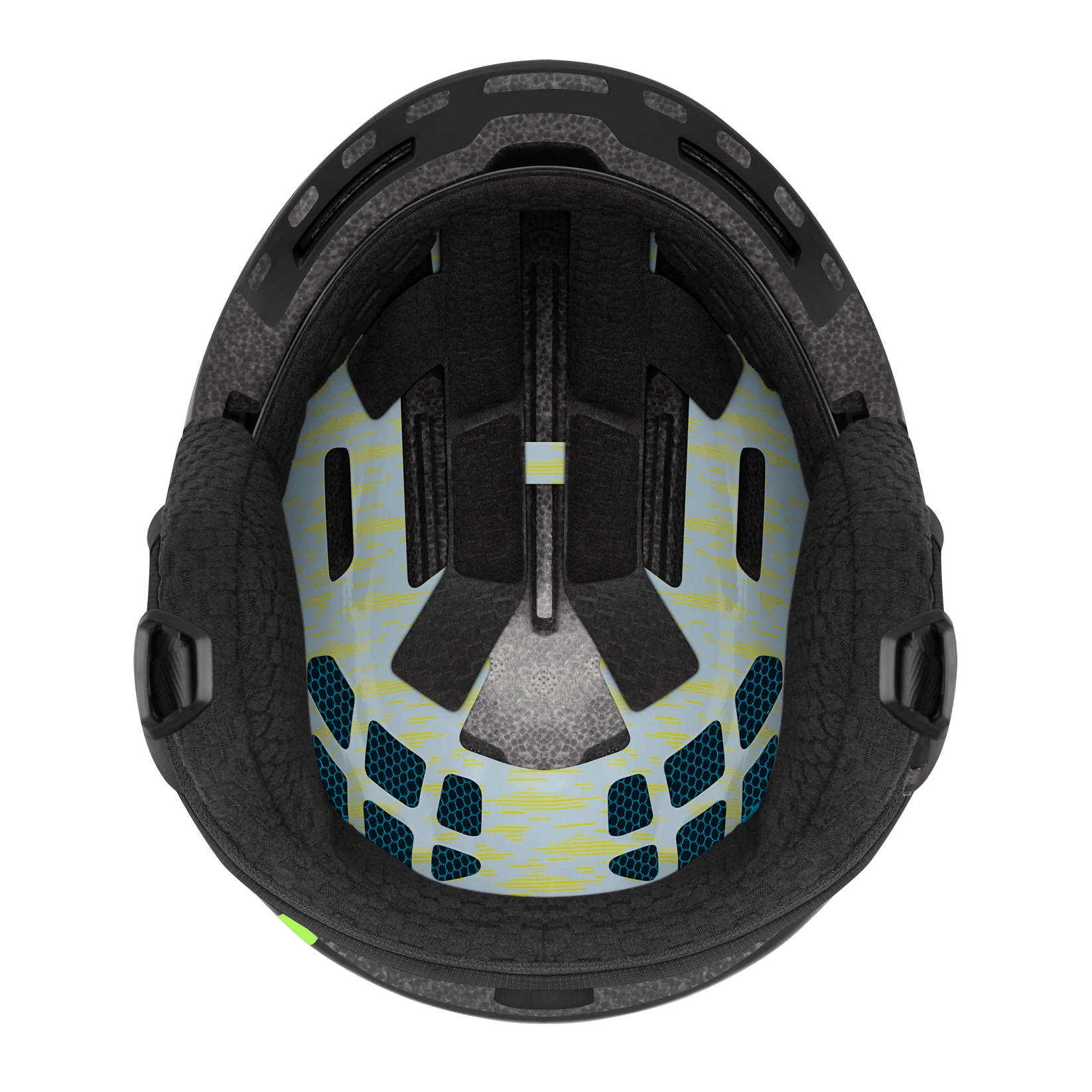
The protective architecture relies on Zonal Koroyd coverage paired with the MIPS brain protection system to manage rotational forces during angled impacts. OutdoorGearLab noted that despite its featherweight construction, the Method Pro did not compromise on structural integrity when subjected to rigorous crash simulations. This combination of materials allows the helmet to absorb energy efficiently without adding bulk, making it a standout performer in safety-focused evaluations.
14.1 oz weight enables all-day wear
The reduced weight makes the helmet nearly imperceptible during long days on the slopes or when transitioning into backcountry terrain.
The lightweight design also contributes significantly to its versatility, allowing it to function effectively as a resort lid while remaining comfortable enough for light side-country outings. Bettertrail noted that the helmet weighs less than many dedicated ultra-ventilated backcountry models, such as the Smith Summit MIPS which tips the scales at 1 lb. This balance of low weight and robust safety features makes it an attractive option for skiers who prioritize comfort without sacrificing protection.
Fixed vents compromise warmth retention
The helmet is equipped with eight fixed ventilation channels that cannot be closed, a design choice that directly impacts its thermal performance in cold conditions. Bettertrail rated the warmth at 2.5 out of 5, noting that the inability to seal these openings allows cold air to penetrate during arctic-like temperatures or windy descents. Skiers who run cold may find themselves needing to wear additional layers like a balaclava underneath the helmet to maintain comfort.
Despite the lack of adjustable vents, Bettertrail found that the ventilation system performs adequately in moderate conditions ranging from the mid-20s Fahrenheit to the mid-50s. The AirEvac ventilation system integrates with Smith goggles to create a chimney effect that helps prevent lens fogging by directing warm air away from the face. While this airflow management is effective for preventing sweat buildup, it comes at the cost of heat retention when temperatures drop significantly.
Micro-adjustable dial improves fit precision
The Smith Method Pro features a micro-adjustable dial fit system located at the rear of the helmet, allowing users to fine-tune the tightness while wearing gloves or on the go. Bettertrail highlighted this upgrade from the standard Method model as a significant improvement in usability, enabling skiers to accommodate different headwear such as beanies, buffs, or braided hair without removing the helmet entirely.
The interior padding utilizes thin but dense foam strategically placed at the forehead, back of the head, and neck area to provide support without excessive bulk. The ear pads are designed with a contoured shape that is thicker at the base and thinner where the main part of the ear sits, preventing pressure points for those who wear earrings. This thoughtful interior design contributes to an overall comfort rating of 4 out of 5 from Bettertrail testers.
Magnetic buckle simplifies operation
A glove-friendly magnetic chin strap buckle allows for quick and easy fastening even when wearing thick winter gloves. This feature eliminates the fumbling often associated with traditional plastic buckles, streamlining the process of securing the helmet before hitting the slopes. The magnetic closure is integrated into a fleece-wrapped chin strap that provides additional comfort against the skin.
The ease of use extends to the overall fit system, where the combination of the dial and the magnetic buckle ensures a secure and comfortable experience for most head shapes. OutdoorGearLab praised the Method Pro as a true all-arounder, noting that it accommodates a wide variety of head shapes and under-helmet accessories with minimal adjustment required. This usability score of 8.0 out of 10 reflects the seamless integration of these functional components.
In-mold construction limits durability
The in-mold construction that enables the helmet's low weight also makes it more susceptible to cosmetic damage compared to heavier hybrid or full ABS plastic designs. Bettertrail rated the durability at 2 out of 5, noting that the exterior shell is less robust and can show dents or scuffs from minor impacts or rough handling in a backpack.
While the structural integrity remains intact for safety purposes, the visual appearance may degrade faster than with more rugged alternatives like the Smith Level or Liberty models. Skiers who prioritize long-term aesthetic preservation or plan to use the helmet in high-abuse environments might find this construction method less appealing, though it is a common trade-off in modern lightweight ski helmets.
Goggle strap design divides opinion
The rear goggle strap retainer uses a unique plastic hook that does not fully close over the strap, a feature that OutdoorGearLab described as an acquired taste. While it allows for easy removal and adjustment of goggles, some testers found that it did not secure the strap as firmly as traditional loop systems, potentially leading to slippage during vigorous activity.
This design choice is part of the helmet's clean aesthetic, which features minimal external hardware when the goggle retainer is removed. Users who prefer a minimalist look or wear goggles under their helmets may appreciate the streamlined profile, while those who prioritize absolute strap security might find the open hook design less reliable. The trade-off between aesthetics and functional retention remains a point of contention among reviewers.
Strengths
- +OutdoorGearLab found this helmet ranked #1 of 18 ski helmets in impact tests, achieving top scores for both slow and fast impacts.
- +Bettertrail measured the weight at just 14.1 oz., making it one of the lightest resort-oriented ski helmets tested.
- +A magnetic chin buckle enables easy, one-handed operation even while wearing thick winter gear.
Watch-outs
- −The eight fixed vents cannot be closed, which limits warmth retention during cold and windy conditions.
- −In-mold construction is less durable than hard-shell ABS designs and more susceptible to cosmetic damage from impacts.
- −Some reviewers found the goggle strap retainer design to be an acquired taste that does not fully secure the strap.
How it compares
However, its eight fixed vents cannot be closed, unlike the dual regulators on the Smith Vantage 2 that allow independent airflow control across 40 vents.
Rating sources
Counts as 4.66/5 in our score — this publisher's 149 scores on the site average 3.69, so its scores are adjusted up to compare fairly with other publishers.
Counts as 3.91/5 in our score — this publisher's 36 scores on the site average 4.38, so its scores are adjusted down to compare fairly with other publishers.
Our 4.3 score is the average of the 2 scored reviews above, each adjusted for how strictly its publisher scores; 1 more reviewed it without printing a score and is not in the average. More about methodology.