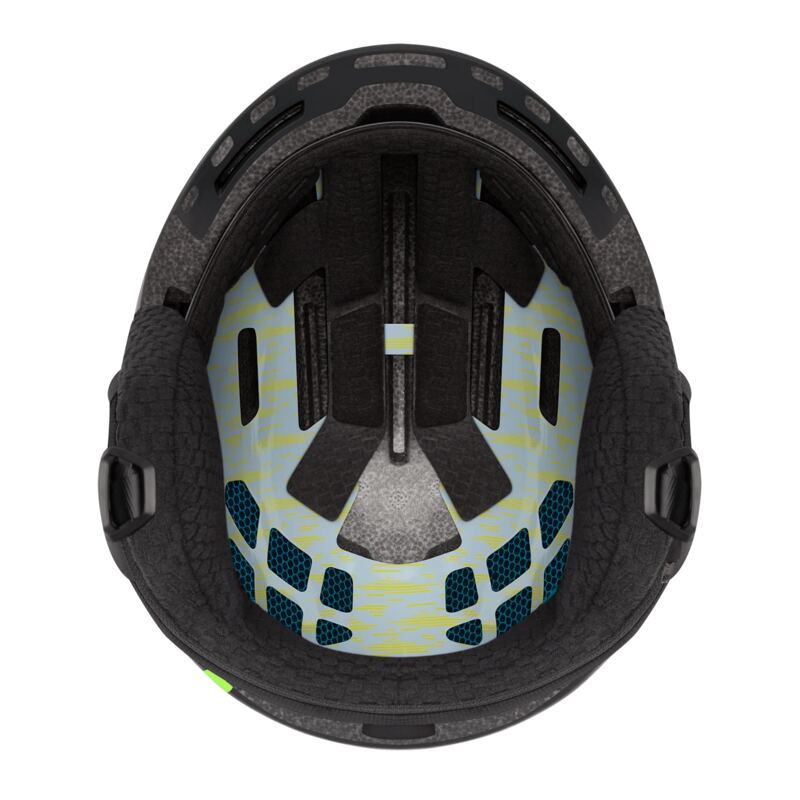
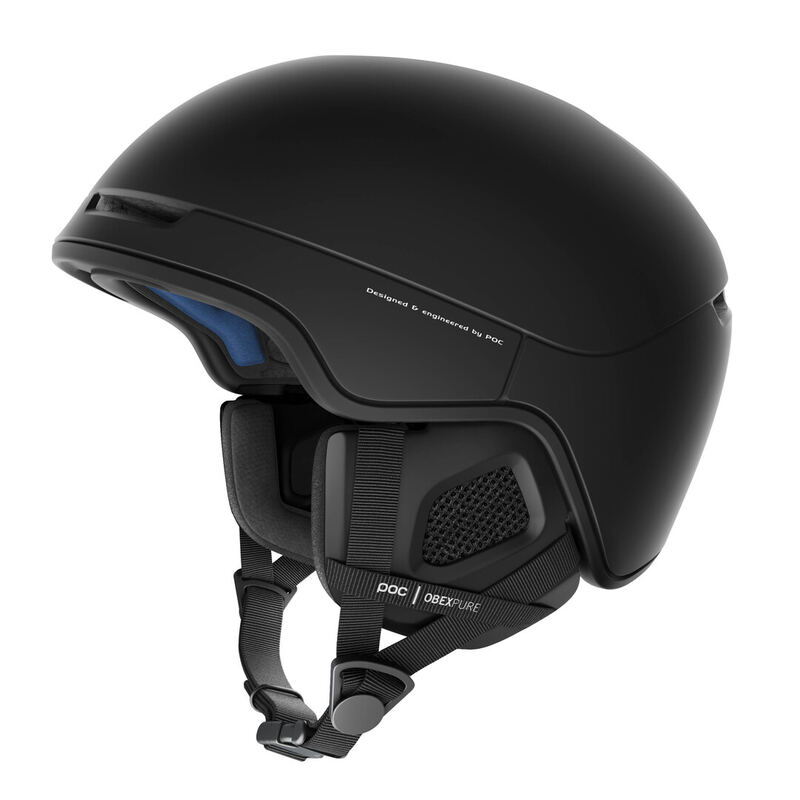
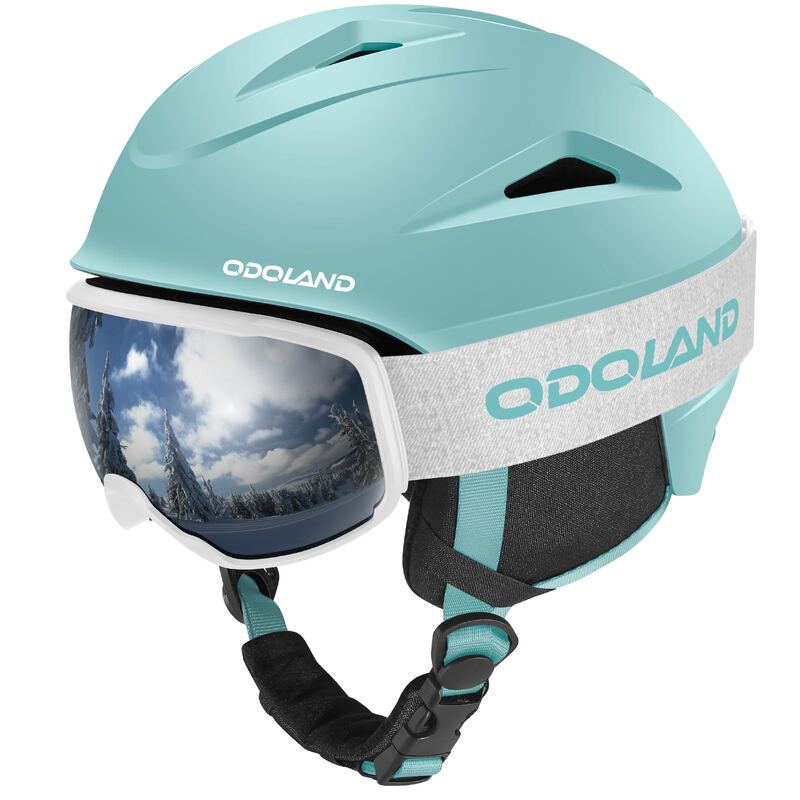
Bettertrail found that the Smith Descend MIPS delivers versatile ventilation through 16 vents, including eight adjustable sliders, making it effective across varying resort conditions despite limitations in backcountry breathability. Corbetts specified that its safety architecture combines MIPS rotational impact protection with zonal Koroyd energy-absorbing material within a lightweight in-mold construction weighing just over 1 pound for a size medium. The helmet’s thick stock ear pads can feel oversized and create distracting pressure around the ears, a drawback users may mitigate by removing audio-compatible inserts at the cost of warmth. This model fits skiers seeking all-day comfort and climate control without extreme weight savings, while those prioritizing minimal bulk or magnetic fit systems should look elsewhere.
Full review
Ventilation performance across temperature ranges
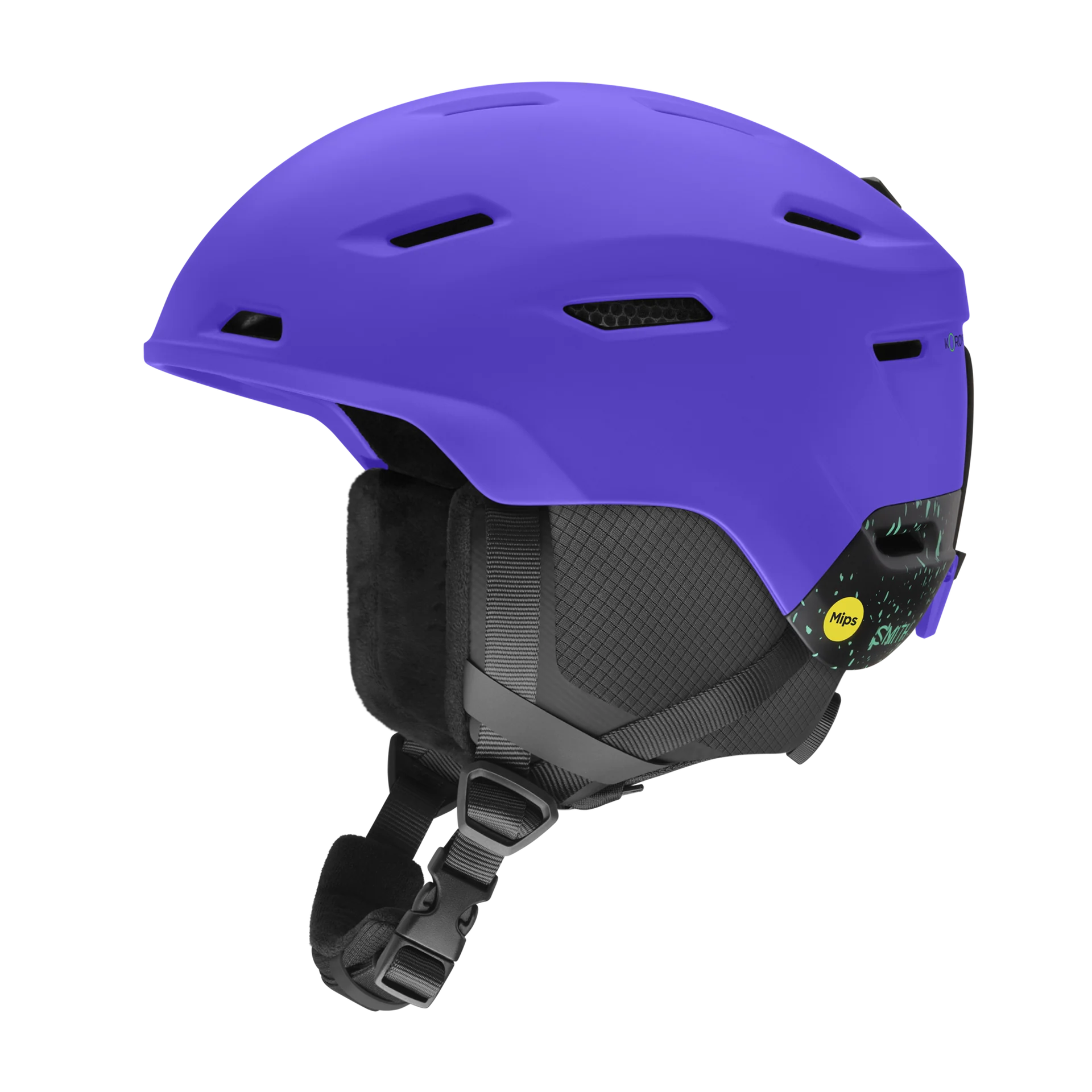
The Smith Descend MIPS distinguishes itself through a comprehensive airflow architecture that includes 16 total vents, with eight of those being adjustable. Bettertrail found this ventilation setup to be one of the most compelling features for skiers who encounter varying weather conditions throughout a single season. The helmet utilizes a glove-friendly slider located at the top and back of the shell to control these movable vents, offering three distinct positions: fully open, halfway open, and completely closed. This mechanical simplicity allows riders to quickly adapt to changing thermal loads without removing gloves or fumbling with complex mechanisms.
The fixed eight-vent configuration complements the adjustable system by providing consistent passive airflow even when the sliders are engaged. Bettertrail noted that these slat-like openings vary in size but remain large enough to facilitate meaningful air exchange, and crucially, they are not obstructed by the interior padding or MIPS liner. This design ensures that heat dumps effectively during high-output laps or warm spring days, preventing the overheating issues common in heavily insulated resort helmets. The combination of active and passive vents creates a versatile climate control system that performs well from stormy conditions to sunny afternoons.
While the ventilation is highly effective for resort skiing, the fixed ear pads and moderately thick interior padding create limitations for backcountry use where maximum breathability is often required. Removing the inner foam inserts intended for audio chip compatibility can improve airflow slightly but requires removing the entire lining, a process that sacrifices warmth significantly. Bettertrail concluded that despite these minor constraints, the Descend remains highly versatile for resort skiing across a wide range of conditions, eliminating the need to switch helmets as temperatures fluctuate throughout the day.
Ear pad bulk and interior fit adjustments
The stock ear pads on the Smith Descend MIPS present a notable comfort trade-off that affects long-term wearability for some users. Bettertrail reported that these pads felt oversized and added more pressure than preferred around the ears, creating a distracting sensation during extended use. The padding consists of a mix of fleece-lined material and breathable mesh, designed to provide plushness without compromising fit, but the ear sections specifically drew criticism for their thickness. This bulk can interfere with goggle seals or create hot spots for skiers with narrower head shapes.
To mitigate this pressure issue, users have the option to remove the inner foam inserts that are intended for audio chip compatibility. Bettertrail found that removing these specific inserts reduced the overall bulk and made the helmet more comfortable around the ears, although this action does give up a bit of warmth in the process. This tradeoff is considered worthy by those who prioritize fit over maximum insulation, allowing riders to customize the interior volume without replacing the entire liner system.
The rear of the helmet features an in-house dial-style fit system that adjusts easily even with gloves on, similar in function to a Boa mechanism but distinct in its execution. Bettertrail noted that this system allows users to tighten the helmet for steeper lines and loosen it during mellow transitions, adding necessary customization to boost overall comfort. However, the non-Boa design results in a small amount of pressure at the back of the neck, though sufficient padding isolates the wearer from any hard plastic contact. This dial mechanism provides precise fit tuning but lacks the magnetic buckle convenience preferred by some competitors.
Thermal retention and warmth capabilities
The Smith Descend MIPS delivers above-average warmth performance, making it suitable for typical winter conditions without requiring additional headwear in moderate cold. Bettertrail found that the soft fleece lining, generously padded interior, and thick ear pads work together to seal in heat effectively on colder days. When all eight adjustable vents are sealed closed, the helmet traps warmth efficiently, outperforming thinner-lined alternatives like the Smith Code and similarly priced models with permanently open vents such as the Method.
Despite its strong thermal retention, the Descend is not Smith’s warmest ski helmet option available in their lineup. Bettertrail pointed out that the Level MIPS, which sits higher in the product hierarchy, offers even thicker padding and better coverage specifically designed for truly frigid resort days. The Descend occupies a middle ground where it provides adequate warmth for most skiers, especially when paired with a thin beanie or buff during temperature dips, striking a balance between heat retention and breathability.
The warmth-to-comfort ratio is considered impressive given the helmet's price point and construction materials. Bettertrail reported having few complaints regarding thermal performance during testing across a range of conditions, noting that the helmet handles standard winter weather effectively. The design prioritizes consistent comfort over extreme cold protection, ensuring that riders do not overheat on sunny days while still maintaining sufficient insulation for chilly morning starts or stormy afternoons.
Impact protection and safety technology
The Smith Descend MIPS incorporates advanced impact protection technologies designed to enhance rider safety during falls. Corbetts specifies that the helmet combines MIPS (Brain Protection System) rotational impact management with zonal Koroyd energy-absorbing material. This dual approach aims to address both linear impacts and the rotational forces commonly associated with angled collisions on icy or hard-packed snow surfaces.
The construction utilizes a lightweight in-mold design, which bonds a thin polycarbonate shell directly to an EPS foam liner. Corbetts notes that this method reduces overall weight while maintaining structural integrity, allowing the helmet to focus energy absorption on the internal Koroyd zones rather than relying solely on thick outer shells. This engineering choice contributes to the low-profile aesthetic and reduced bulk compared to traditional ABS construction methods used in heavier helmets.
The safety certifications for the Descend include ASTM F 2040, CE EN 1077:2007 Class B, CPSC, and CE EN1078 standards. These ratings confirm that the helmet meets rigorous international requirements for ski and snowboard head protection. The integration of MIPS technology adds a layer of defense against rotational motion transmitted to the brain during oblique impacts, complementing the linear energy management provided by the EPS foam and Koroyd zones.
Weight distribution and on-slope presence
The Smith Descend MIPS achieves a remarkably low weight profile that contributes to its comfortable wearability during long days on the mountain.
The in-mold construction keeps both weight and bulk impressively low, allowing the helmet to fade into the background once settled on the head. Bettertrail noted that while the slightly thick padding took a little getting used to initially, the overall presence of the helmet is minimal compared to heavier alternatives. This lightweight characteristic ensures that riders do not feel weighed down during high-speed runs or technical maneuvers, enhancing focus and reducing neck fatigue.
Although it does not reach ultralight territory like the 14.1-ounce Smith Method Pro, the Descend strikes a practical balance between protection and weight for resort skiing. The design avoids the minimalist approach of backcountry-specific lids in favor of added comfort features like thicker padding and robust ventilation systems. This positioning makes it an ideal choice for skiers who prioritize all-day comfort and climate control over marginal weight savings.
Durability assessment and material quality
In-mold helmets often carry a perception of fragility compared to their ABS counterparts, but the Smith Descend MIPS demonstrates sufficient robustness for regular resort use. Bettertrail rated its durability at 3 out of 5, acknowledging that while it feels less rugged than thicker plastic shells, it holds up well under normal skiing conditions. The polycarbonate shell provides adequate resistance to scratches and minor abrasions encountered in typical mountain environments.
The internal components, including the fleece lining and mesh padding, are designed for longevity but may show wear over time depending on usage frequency and care routines. Bettertrail highlighted that the quality feel of the lining justifies the price point, suggesting that materials are selected to withstand repeated use without significant degradation. The removable nature of the ear pads also allows for easy cleaning or replacement if they become damaged or worn.
The dial fit system at the rear is a mechanical component that requires occasional maintenance to ensure smooth operation. Bettertrail noted that it adjusts easily even with gloves on, indicating good engineering tolerance and resistance to ice buildup. However, users should be mindful of dirt and debris accumulation in the adjustment mechanism, which could affect its performance over multiple seasons.
Audio compatibility and accessory integration
The Smith Descend MIPS is designed to accommodate audio systems through its removable Snapfit SL2 ear pads. Corbetts confirms that these pads are compatible with Aleck audio systems, allowing riders to integrate Bluetooth headphones or communication devices directly into the helmet liner. This feature appeals to skiers who enjoy listening to music or using hands-free communication while on the slopes.
The design of the ear pads allows for easy removal and reinstallation, facilitating quick swaps between audio-compatible and standard padding depending on user preference or weather conditions. Bettertrail noted that removing the inner foam inserts intended for audio chips can improve comfort if the bulk becomes distracting, though this action reduces warmth. This modularity provides flexibility for users who want to customize their helmet setup based on specific needs.
The integration of audio systems does not significantly compromise the helmet's structural integrity or safety ratings. The ear pads are securely attached and maintain a proper seal around the ears, ensuring that sound quality remains clear even in windy conditions. This seamless integration enhances the overall user experience for tech-savvy skiers who value connectivity without sacrificing protection.
Goggle compatibility and strap management
The low-profile design of the Smith Descend MIPS ensures compatibility with a wide range of ski goggles. Corbetts highlights that the helmet's shape allows for a secure fit without interfering with goggle frames, preventing gaps that could let in cold air or snow. This compatibility is crucial for maintaining visibility and comfort during variable weather conditions.
The dial fit system at the back provides adjustable tension that helps stabilize both the helmet and any attached goggles. Bettertrail found that tightening the dial for steeper lines added necessary security, while loosening it during mellow transitions allowed for more relaxed wear. This adjustability ensures that goggle straps remain snug without causing pressure points on the forehead.
While the Descend lacks some of the specialized brim features found in higher-end models like the Smith Method Pro Mips, its streamlined profile still offers effective protection against wind and snow ingress. The absence of a pronounced brim means that goggles must provide their own seal, which most modern designs handle well. This design choice contributes to the helmet's lightweight nature while maintaining functional performance.
Strengths
- +Lightweight in-mold construction keeps bulk low, weighing just over 1 pound for a size medium.
- +Combines MIPS rotational impact protection with zonal Koroyd energy-absorbing material.
- +Removable Snapfit SL2 ear pads are audio-chip compatible and adaptable for varying temperatures.
Watch-outs
- −Thick stock ear pads can feel oversized and create distracting pressure around the ears.
- −Uses a dial-style fit system rather than the preferred magnetic buckle or BOA mechanism.
How it compares
It provides 16 vents with adjustable sliders for climate control, whereas the Smith Method Pro Mips has only eight fixed vents that cannot be closed.
Rating sources
Counts as 4.21/5 in our score — this publisher's 36 scores on the site average 4.38, so its scores are adjusted down to compare fairly with other publishers.
Our 4.2 score is the average of the 1 scored review above, each adjusted for how strictly its publisher scores; 2 more reviewed it without printing a score and are not in the average. More about methodology.