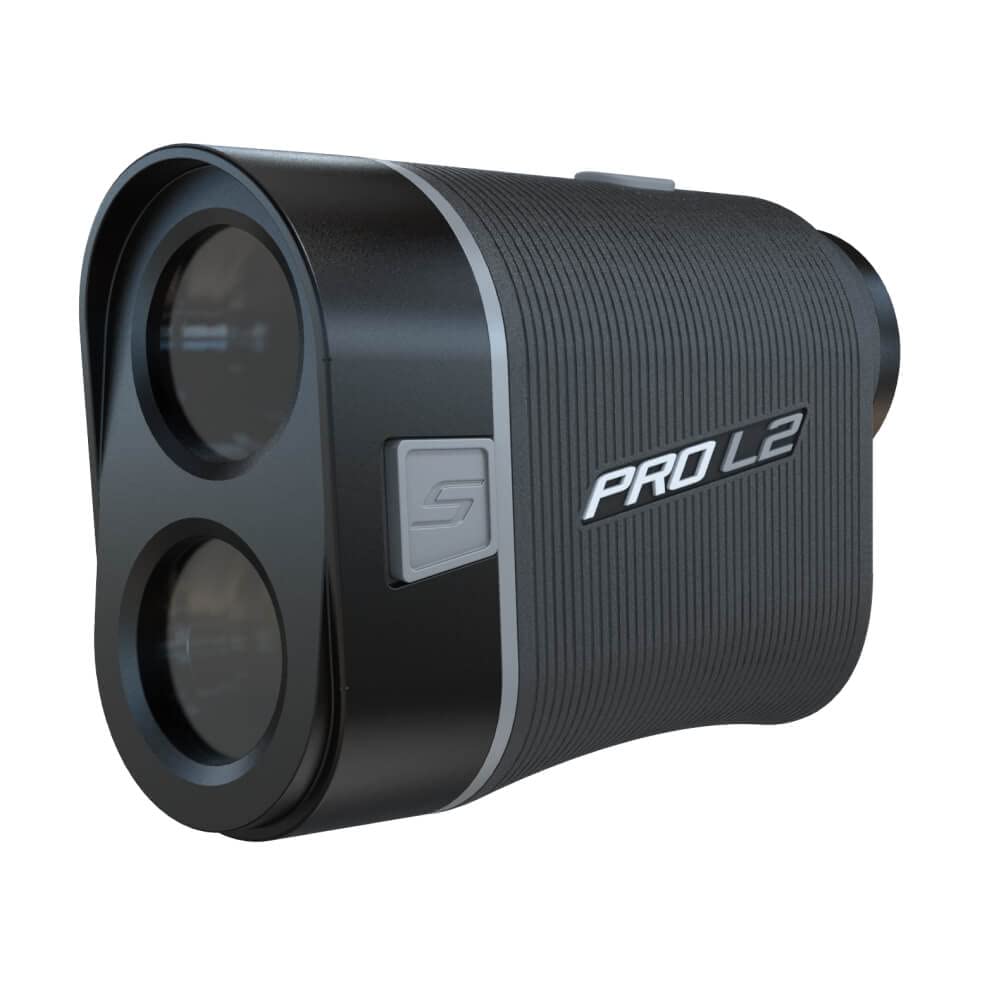
Bang Average Golf found the Shot Scope Pro L2 significantly more responsive than its predecessor, locking onto targets quickly even with shaky hands, while Plugged In Golf reported that accuracy is on par with expensive rangefinders costing three times as much in head-to-head comparisons. The device includes adaptive slope technology and a dedicated switch to toggle tournament legality, offering reliable performance for golfers who prioritize core functionality over flashy features. However, the dual-color display feature found on the Pro L1 is missing in this model, and it lacks modern red and black optics which are available for $50 more on the Shot Scope Pro LX.
Full review
Speed and responsiveness improvements over predecessor
Bang Average Golf found that the Shot Scope Pro L2 is significantly more responsive than its predecessor, locking onto targets quickly even with shaky hands. The reviewer noted that while the older model would often lock on to background objects or require multiple attempts due to hand tremors, the new version delivers immediate results once the button is pressed. This rapid-fire detection capability means golfers can get a yardage reading without the hesitation and doubt that previously plagued users of the first-generation device.
Plugged In Golf reported that this speed puts the Pro L2 on par with the most expensive rangefinders available, leaving previous criticisms about sluggish performance in the past. The moment the finger leaves the button, the yardage is displayed without delay. This instant feedback loop allows players to maintain their pace of play and focus entirely on executing the shot rather than waiting for a laser calculation.
Golf Insider confirmed that while it may not be the absolute quickest device ever tested in their lab, it performs above average with zero false readings under 200 yards. Budget rangefinders often sacrifice accuracy for speed by picking up background trees or terrain; the Pro L2 avoids this pitfall entirely, delivering reliable target acquisition without the need to re-scan the green.
Accuracy matching premium three-times-cost competitors
Plugged In Golf found that accuracy on the Pro L2 is consistently on par with lasers costing three times as much during head-to-head testing. The device produced exact same distances as high-end rivals, proving that the lower price point does not result in compromised measurement precision. This reliability gives golfers confidence that the number displayed matches the actual physical distance to the flag.
It is also the first device under $200 to earn a flawless rating in these specific tests. Eric Agorno verified on-course that yardages matched his premium rangefinders within one yard, reinforcing the lab results with real-world validation.
The combination of rapid-fire detection and target-lock vibration provides an additional layer of assurance. Once the device locks onto the pin, it emits a physical jolt or buzz, confirming to the user that they have targeted the flag rather than a background object like a tree or bunker edge. This tactile feedback is particularly helpful for players with unsteady hands who need definitive confirmation before committing to a club selection.
Slope technology and tournament legal operation
Alabama Golf News found that the slope measurement function dramatically changes mental pre-shot distance calculations by accounting for uphill elevation. The reviewer discovered that slightly uphill shots required five or more additional yards than initially estimated, a significant adjustment that prevents underclubbing on hilly courses. This adaptive technology provides a 'plays like' distance rather than just line-of-sight yardage.
Bang Average Golf noted that the slope feature is very handy and works effectively when enabled, giving a different yardage number compared to flat-ground measurements. The device includes a dedicated slider switch below the main button to toggle this function on or off. When the slider is pushed back, the Pro L2 becomes completely legal for tournament play under USGA rules, allowing golfers to use it in competition without penalty.
The display clearly shows both the raw distance and the adjusted yardage when slope is active, ensuring users can easily navigate between casual practice rounds where elevation matters and official competitions where it does not.
Ergonomics and lightweight build quality
Bang Average Golf found the Pro L2 to be extremely lightweight, a trait that splits opinion among golfers. While lighter devices are generally preferred for those carrying clubs all day, some players require more weight in their hands to stabilize shaky aim. The reviewer noted that despite the light build, the combination of rapid-fire detection and vibration feedback made it easy to use even during bitter cold winds that caused hand tremors.
Golfalot felt that while the shape is a nice size for one-handed operation, it could have been slightly more ergonomic compared to the textured grips found on higher-end models. The device features lines of texture on its plastic body that look good aesthetically and provide adequate grip, but some users might find it feels a bit cheap initially due to the lack of substantial heft.
Golf Insider conducted drop testing and heavy rain exposure tests, finding the Pro L2 performed with flying colors. The device survived one minute of heavy rain and light drizzle without issue, proving its water resistance claims are valid. A tiny fragment did break off from the battery case during extreme abuse testing, but it continued to perform perfectly on the course afterward, demonstrating robust construction despite the low price.
Missing dual-color display and optical limitations
Bang Average Golf noted that the dual-color display feature found on the Pro L1 is missing in this newer model. The older version allowed users to switch between red or black text depending on lighting conditions, a useful tool for bright sunny days or overcast skies. Its absence means golfers must rely solely on standard contrast settings regardless of environmental glare.
Plugged In Golf pointed out that the Pro L2 lacks modern red and black optics entirely. Users who require this specific optical enhancement to combat harsh sunlight can upgrade to the Shot Scope Pro LX for an additional $50. This omission represents a clear trade-off in the budget pricing strategy, sacrificing advanced display technology for core accuracy and speed.
Golfalot observed that some yardages were hard to see at times through the viewfinder, feeling as though the eyepiece could have been larger to accommodate more information on the screen. While the minimalist display is generally praised for clarity, users with older eyes or those playing in challenging light might struggle slightly compared to premium models offering adjustable contrast modes.
Value proposition and target audience suitability
Plugged In Golf concluded that short of buying a no-name brand from online marketplaces, there is nothing less expensive that offers this level of quality. The device includes a sturdy carry case with both elastic and zipper closures, adding tangible value right out of the box. For golfers who prioritize core functionality over flashy features like dual optics or GPS integration, it represents an unbeatable price-to-performance ratio.
The combination of 100% accuracy scores, water resistance, and reliable slope technology makes it a superior laser at half the cost of many competitors. It delivers solid core functionality without the bells and whistles that needlessly drive up retail prices.
Integrated magnet and carry case utility
Bang Average Golf found the included carry case to be excellent, very robust, and sturdy. It clips nicely to the golf bag for easy access during a round. The magnetic attachment on the side of the device allows users to clip it directly onto the steel frame of a buggy or trolley. This ensures the laser stays secure even when riding over rough terrain, preventing loss or damage from bouncing around in pockets.
The strong magnetic hold means you do not need to worry about it falling off during your round. This feature streamlines the workflow, allowing players to grab the device instantly when needed and leave it attached while walking or riding.
Plugged In Golf emphasized that Shot Scope smartly included a tether on the battery compartment door so it will not get lost when swapping out the standard CR2 battery. The overall package design prioritizes practical utility, ensuring that every component from the case to the magnet serves a functional purpose for golfers who want simplicity and reliability in their equipment.
Strengths
- +Bang Average Golf found the Pro L2 significantly more responsive than its predecessor, locking onto targets quickly even with shaky hands.
- +Plugged In Golf reported that accuracy is on par with expensive rangefinders costing three times as much in head-to-head comparisons.
- +Plugged In Golf found nothing less expensive that offers this level of quality, short of a no-name marketplace brand.
Watch-outs
- −Bang Average Golf noted that the dual-color display feature (red or black text) found on the Pro L1 was missing in this model.
- −Plugged In Golf pointed out that it lacks modern red and black optics, which are available for $50 more on the Shot Scope Pro LX.
How it compares
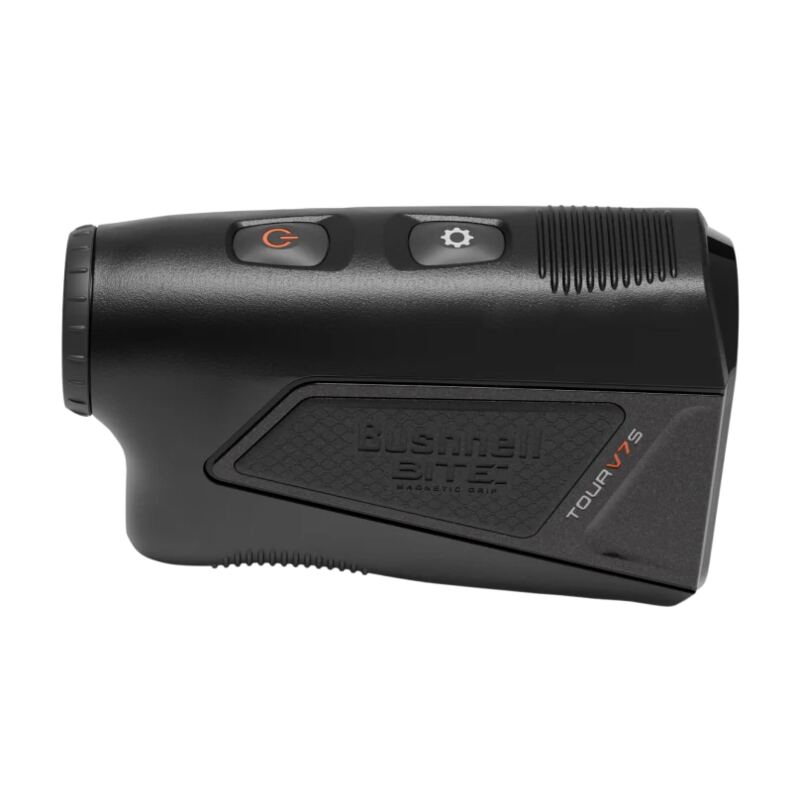
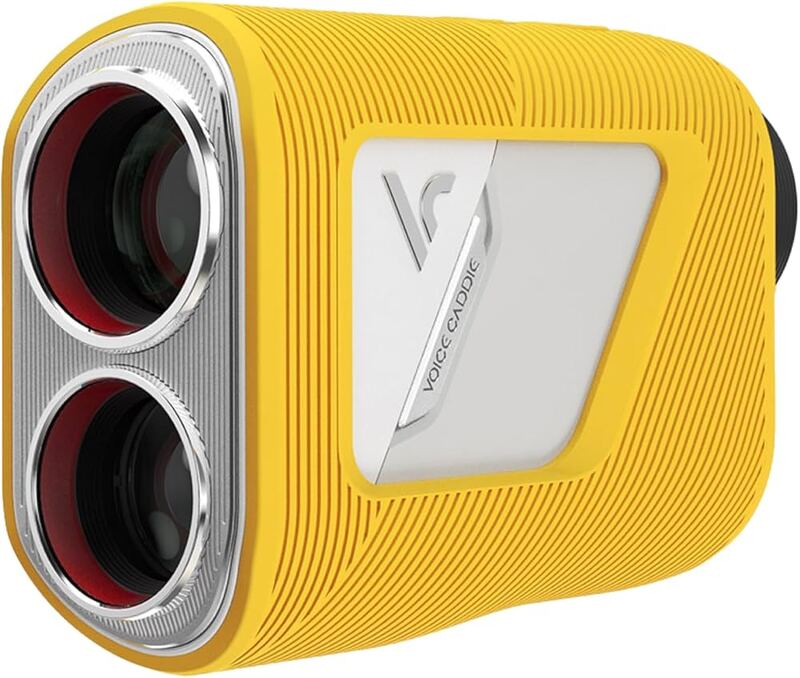
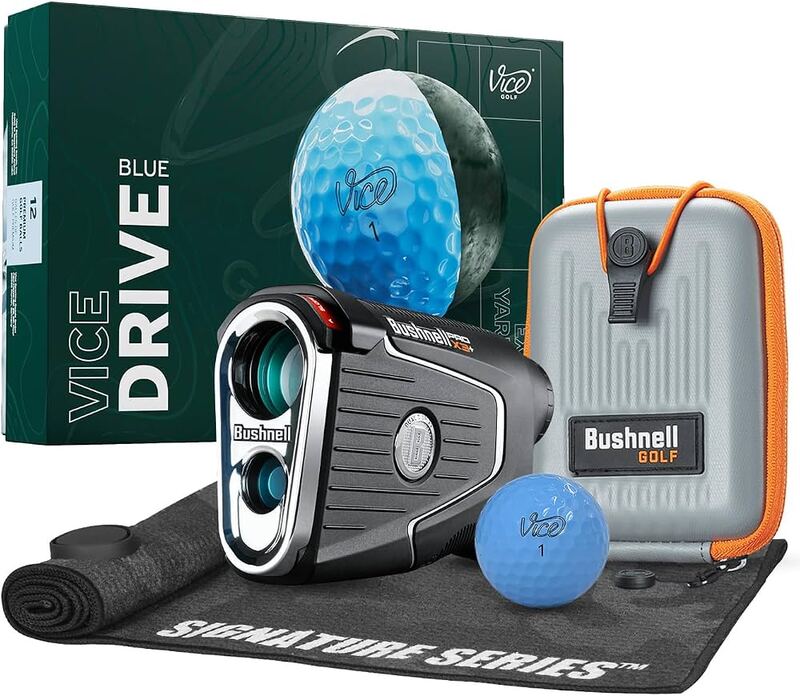
The Shot Scope Pro L2 Rangefinder has 6x magnification, lower than the 7x of the Blue Tees Captain Pro and Bushnell Pro X3+ LINK, and an LCD display where the Voice Caddie TL1 and Bushnell Tour V7 Shift use dual-color OLED. Like the Callaway 300 Pro Golf Laser Rangefinder it has a slope on/off switch for tournament play, and it costs less than the Callaway. Its range is listed at 700 yards against the Blue Tees' 1,200.
Rating sources
Counts as 4.45/5 in our score — this publisher's 1 scores on the site average 4.50, so its scores are adjusted down to compare fairly with other publishers.
“The Shot Scope Pro L2 is the best value in rangefinders. Accurate and quick with a solid list of features.”
Our 4.4 score is the average of the 1 scored review above, each adjusted for how strictly its publisher scores; 4 more reviewed it without printing a score and are not in the average. More about methodology.