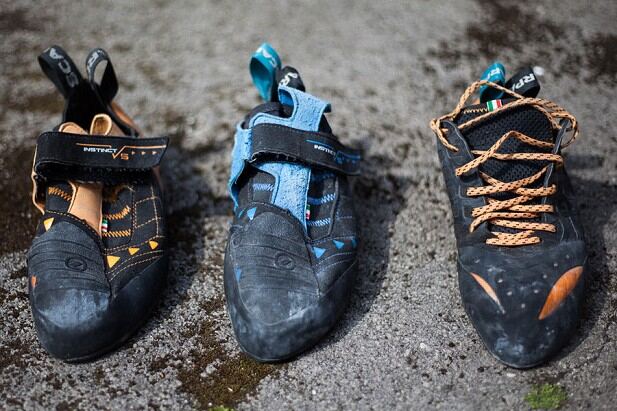
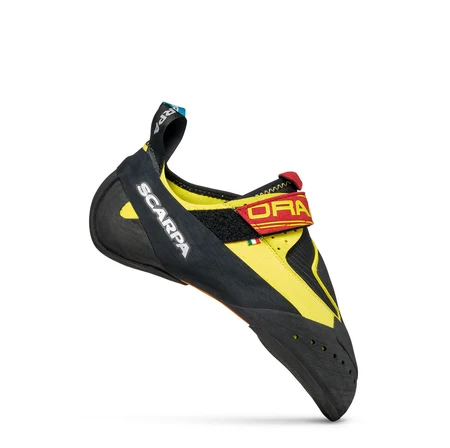
OutdoorGearLab found that the Scarpa Drago delivers unmatched sensitivity through its 3.5 mm Vibram XS Grip2 outsole and extremely soft Flexan 1.0 midsole, allowing climbers to feel every rock texture on steep overhangs. Gripped detailed how the asymmetric downturn and Surround Rubber Tension system enable powerful toe hooks by letting users pull weight off their hands with ease. However, this extreme softness makes the shoe unsuitable for standing on small technical edges or slab climbing, as it lacks the necessary support and rigidity. Climbers accustomed to performance shoes will appreciate the precise fit and aggressive shape, but those needing durability or edging stability should look elsewhere.
Full review
Sensitivity and rubber construction
OutdoorGearLab found that no other shoe in their comparison transmitted the same tactile sensations from the rock, describing the Scarpa Drago as essentially a rubber sock. The shoe relies on an extremely thin 3.5 mm Vibram XS Grip2 outsole to achieve this best-in-class sensitivity. This specific thickness allows climbers to feel every bump and rugosity on the surface they are climbing, providing immediate feedback that is critical for steep bouldering and overhung sport routes.
Gripped detailed how Scarpa engineered this sensitivity through a split rubber layout rather than a full outsole. The Vibram XS Grip2 rubber covers only the front third of the shoe in an arched, horseshoe-like shape. This minimalist approach removes unnecessary material from the midfoot, allowing the Flexan 1.0 midsole to bend freely and maximizing the amount of rubber-to-rock contact during smears.
Performance on steep terrain
Gripped described the Drago as an absolute weapon on rock and plastic when navigating steep overhanging terrain. The combination of wild flexibility, sensitivity, and extreme asymmetric downturn allows climbers to use their feet like another pair of hands.
OutdoorGearLab found that this incredible softness translates directly into pulling performance, scoring it a perfect 10 out of 10 for grabbing onto holds. On overhung boulders or steep sport climbs, finding ways to use feet to take weight off the arms is paramount, and the Drago makes it easy to get creative with foot placements.
Verticalendeavors reported that on steep overhangs, climbers are able to grab and pull in almost like having another set of hands. The extreme softness allows the rubber to stick and grab everything, providing confidence when using sidepulls to engage hips and create tension.
Edging limitations on small holds
OutdoorGearLab gave the Drago a low score of 5 out of 10 for edging, noting that it is not a good choice for super technical edging. The softness that makes the shoe excellent for smearing and toe-hooking becomes a liability when standing on small, polished edges where support is required.
Ukclimbing found that while indoor footholds feel huge by comparison to outdoor rock, the Drago performs poorly at venues with small limestone edges like Raven Tor. The reviewer stated there was no hope for edging performance in these conditions because the shoe is simply too soft to provide a stable platform on technical face climbs.
Gripped advised that long edgy sport routes or crack climbs are not where this shoe shines, suggesting that climbers seeking support on long technical face climbs should choose a stiffer alternative. The Drago remains excellent for overhanging routes with complex footholds but fails to provide the necessary rigidity for sustained standing on small edges.
Comfort and fit dynamics
OutdoorGearLab described the upper as very supple, molding quickly to create a second-skin feel when sized properly. However, they noted that the extreme shape pushes the foot forward, which can be constricting for climbers not accustomed to performance shoes. The elastic mesh on top of the foot was found to bunch up and pinch when the power strap is cranked down tightly.
Verticalendeavors shared a personal experience where breaking in the Drago LV felt like wearing a high-performance rubber-coated sock. They noted that while the initial fit might feel baggy or tight depending on sizing, the break-in process softens the shoe significantly, allowing it to wrap around the foot completely.
Campman highlighted the Pressure Absorbing Fit system in the Drago LV model, which optimizes heel fit and reduces pressure on the Achilles tendon. They found that despite the aggressive shape, the shoe accommodates a wider forefoot well without excess material over the top of the foot.
Durability concerns
Gripped warned that the soft, sticky rubber wears relatively quickly due to the focus on sensitivity. While this is a trade-off worth making for performance, the 3.5 mm thickness means the outsole will degrade faster than thicker alternatives. The reviewer noted that the shoe resoles well, mitigating some long-term costs.
Campman pointed out that the single-strap closure wears down quickly, especially if used outdoors. The fastener collects dirt easily and shows signs of wear sooner than expected for a high-performance climbing shoe. This convenience comes at the cost of longevity compared to more robust closure systems.
Verticalendeavors observed that after three months of indoor use, their Drago LVs looked used but had not developed holes. They emphasized that while the soft rubber feels amazing inside where smearing occurs, the trade-off in durability is an inherent part of the shoe's design philosophy.
Suitability for slab and crack climbing
Ukclimbing found that despite cosmetically appearing downturned, the Drago flattens out almost instantly when put on. This unique characteristic made them surprisingly suitable for slabs, as they allow maximum rubber-to-rock contact against crystals and pores. The reviewer converted from a cynic to a fan specifically because of this unexpected slab performance.
Gripped stated that while the shoe handles delicate slabs well, it is not ideal for crack climbing. A shoe with a lower profile toebox would be better suited for navigating cracks, as the Drago's aggressive toe box can feel cumbersome in tight fissures.
OutdoorGearLab gave the Drago a score of 5 out of 10 for crack performance, reinforcing that it is not designed for traditional crack climbing techniques. The shoe excels on steep terrain and smearing but lacks the specific geometry required for effective crack navigation.
Strengths
- +Aggressive downturn and high asymmetry enable powerful toe hooks and pulling weight off hands on steep overhangs
- +Surround Rubber Tension (SRT) system wraps the forefoot in ultra-soft rubber for enhanced stability and toe-hooking capability
- +Single Velcro strap closure provides quick adjustments and allows more room for toe rubber coverage
Watch-outs
- −Extremely soft midsole lacks support, making it unsuitable for standing on small technical edges or slab climbing
- −3.5 mm Vibram XS Grip2 outsole wears quickly due to the focus on sensitivity over durability
- −Aggressive shape and precise fit can be constricting and uncomfortable for climbers not accustomed to performance shoes
How it compares
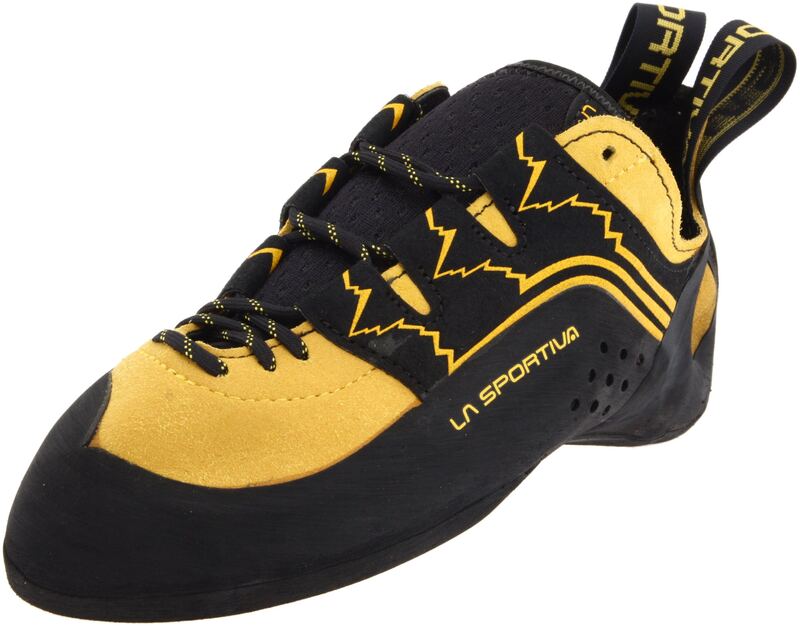
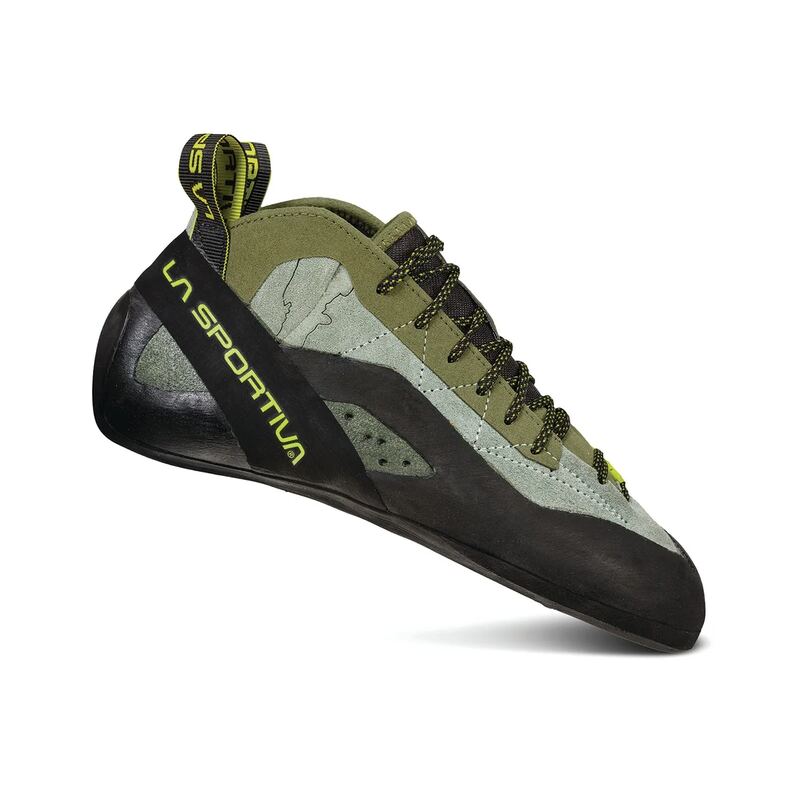
The Scarpa Drago delivers unmatched sensitivity through its extremely soft midsole and 3.5 mm rubber, allowing climbers to feel rock textures better than the stiff La Sportiva Katana Lace. However, this extreme softness makes it unsuitable for standing on small technical edges compared to the supportive Tenaya Mastia.
Rating sources
Counts as 4.16/5 in our score — this publisher's 149 scores on the site average 3.69, so its scores are adjusted up to compare fairly with other publishers.
“The Drago is one of the most comfortable high-performance shoes Ive ever worn, and its also one of the most unique.”
Our 4.2 score is the average of the 1 scored review above, each adjusted for how strictly its publisher scores; 7 more reviewed it without printing a score and are not in the average. More about methodology.