PCMag's Andrew Gebhart praised the Samsung Galaxy Watch 8 Classic for its elegant design and high-quality tactile elements, particularly the rotating bezel and smooth One UI Watch interface. However, multiple reviewers including Andy Boxall and a Reddit user noted significant comfort issues due to its disproportionate shape and awkward fit, with one reviewer stating it failed to become part of the wrist and was practically impossible to wear comfortably all day. The watch's large size and weight make it unsuitable for overnight sleep tracking, and while battery life is solid, the overall comfort and ergonomics remain major drawbacks for many users.
Full review
Design and Comfort Issues
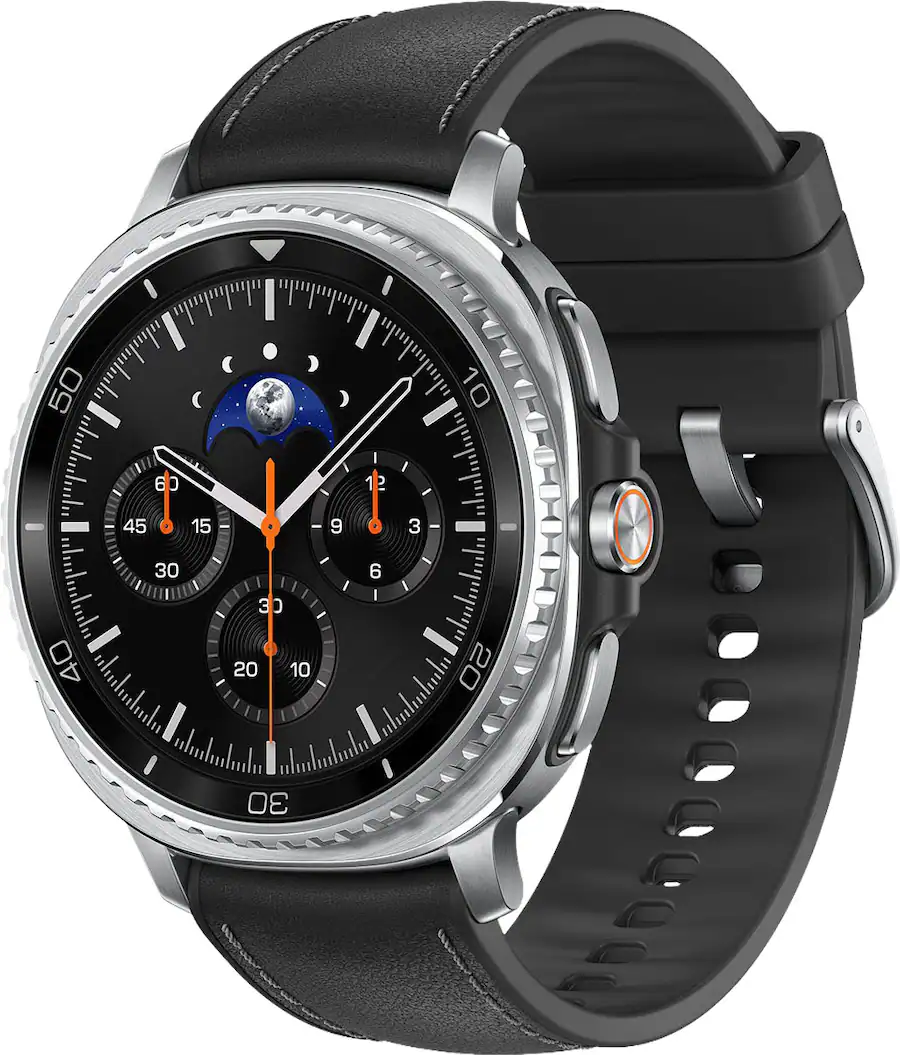
The Samsung Galaxy Watch 8 Classic's design represents a significant departure from its predecessor, adopting the cushioned squircle form factor and incorporating a rotating bezel that has become a signature feature. However, this aesthetic evolution has come at a cost to comfort and wearability. According to TechRadar's review, the watch's proportions are fundamentally flawed, with short and low lugs, a flat case back, and an overly tall bezel that creates an unbalanced feel. The stainless steel construction, while premium, makes the watch top-heavy, requiring users to tighten straps excessively to prevent movement, which leads to discomfort and sweating. Reddit user 'LordJay' from the Samsung Community forum reported experiencing rapid battery drain, with 100% to 87% depletion in less than an hour, and a 33% drop overnight in sleep mode, suggesting the device's power management issues are not isolated to a few units.
The Classic's size and shape create practical problems for daily wear, as noted by Android Police's Andy Boxall, who found the watch difficult to wear comfortably for extended periods. The device's dimensions—46.4mm x 46.0mm x 10.6mm and 64g—make it challenging to get the watch to sit properly on the wrist. The rotating bezel, while tactile and satisfying to use, contributes to the overall discomfort, as it sits prominently on the watch face. Boxall noted that despite appreciating the silver-and-white color scheme and polished finish, the watch's ergonomics make it nearly impossible to wear all day without discomfort. The flat case back, in particular, causes issues with sweat accumulation and doesn't curve properly around the wrist, further exacerbating the problem.
Furthermore, the Classic's design fails to accommodate users who prefer to wear it under cuffs, as noted by the reviewer. The oversized case and flat back make it difficult to achieve a secure, comfortable fit. The watch's weight and form factor make it unsuitable for overnight wear, which is a significant drawback for users who rely on sleep tracking. The design, while visually appealing, prioritizes aesthetics over functionality, resulting in a device that is more of a fashion statement than a practical wearable. The Classic's comfort issues are compounded by the fact that it lacks the ergonomic refinements found in more comfortable smartwatches, making it a difficult sell for users who value comfort.
Battery Performance and Power Management
Battery performance has emerged as a significant concern for the Samsung Galaxy Watch 8 Classic, with multiple sources reporting rapid drain issues. In the Samsung Community forums, user 'LordJay' documented a 100% to 87% drop in battery within less than an hour, and a 33% decrease overnight in sleep mode, indicating that power management is a persistent problem. These findings align with the device's 445mAh battery capacity, which is relatively modest for a smartwatch of this size and feature set. The battery drain is particularly concerning when compared to previous models like the Galaxy Watch 6 Classic, which reportedly suffered from similar issues post-One UI 8 update, as noted by community members.
The official Samsung battery specifications show a maximum usage time of 40 hours with AOD off, but real-world testing reveals that this is often not achievable under normal usage conditions. Users in the Samsung Community have reported that even with minimal usage, the watch barely lasts two days, forcing users to charge it daily. The battery performance is further degraded by the watch's AI features, which require additional processing power and memory, contributing to the overall power consumption. The combination of a small battery, high-resolution display, and power-hungry AI capabilities creates a perfect storm of battery inefficiency, leaving users frustrated with the device's short battery life.
Reddit users have also reported that the battery drain is exacerbated by the watch's gesture recognition and other smart features, which consume significant power even when not actively in use. The watch's power management system appears to be suboptimal, with users needing to disable features like gestures and other smart functions to extend battery life. This is a stark contrast to more efficient smartwatches like the Garmin Forerunner 570, which reportedly lasts up to 10 days on a single charge. The Classic's battery performance issues are not only a matter of inconvenience but also a fundamental flaw in the device's design, as users expect a smartwatch to last at least a full day under normal usage conditions.
AI Integration and Software Experience
The Samsung Galaxy Watch 8 Classic marks a significant step forward in AI integration, being the first Android smartwatch to offer native support for Gemini AI. This feature allows users to interact with AI assistants directly on the watch, providing a more seamless experience compared to previous models. According to PCMag's review, the watch's AI capabilities are well-integrated, offering helpful suggestions and responses to user queries. The device's Exynos W1000 chipset, based on a 3nm process, supports these AI functions, making it one of the more advanced smartwatches in terms of processing power and software capabilities.
However, the AI features are not without their drawbacks. The watch's software, while generally responsive and fast, has been criticized for its lack of polish in some areas. The One UI Watch interface, while smooth and slick, lacks the depth and customization options found in competing platforms. The rotating bezel, while satisfying to use, is not as intuitive as it could be, with some users reporting confusion when navigating through menus. The watch's ability to handle AI tasks is limited, and the device struggles with more complex queries, which can be frustrating for users expecting more from the AI integration.
Despite these issues, the watch's AI integration is a notable improvement over previous models, and it sets the stage for future developments in smartwatch AI. The device's ability to process simple AI tasks and provide useful information makes it a compelling option for users who value AI features. However, the implementation is still in its early stages, and there is room for improvement in terms of responsiveness and functionality. The watch's software experience is generally positive, but it lacks the polish and depth that users expect from a premium smartwatch.
Health and Fitness Tracking Capabilities
Samsung's Galaxy Watch 8 Classic excels in health and fitness tracking, with a comprehensive suite of sensors and features that rival those found in more expensive smartwatches. The device includes a BioActive sensor that can measure antioxidant index and vascular load, providing users with detailed insights into their health and fitness. The watch also supports ECG monitoring, blood pressure tracking, and SpO2 monitoring, making it a powerful tool for health-conscious users. These features are complemented by a range of fitness tracking options, including a personalized running coach, which helps users improve their performance and achieve their goals.
However, the watch's heart rate accuracy during exercise has been a point of criticism, as noted by Expert Reviews' Andrew Williams. While the watch performs well in general use, it struggles with accurate heart rate monitoring during intense physical activity. This is a significant drawback for users who rely on the watch for serious fitness tracking. The device's sensors are generally reliable, but they fall short in high-intensity scenarios, which can be frustrating for athletes and fitness enthusiasts. The watch's ability to track sleep is also limited, as the device's weight and design make it difficult to wear comfortably overnight.
The watch's health tracking features are supported by a robust software ecosystem that provides detailed insights into users' health data. The device's ability to monitor stress levels, sleep quality, and other health metrics is impressive, but the accuracy of these measurements during physical activity remains a concern. The watch's health tracking capabilities are a major selling point, but users should be aware of the limitations in heart rate accuracy during exercise. Despite these issues, the watch's overall health and fitness tracking capabilities are strong, making it a solid choice for users who prioritize health monitoring over performance tracking.
Display and Visual Quality
The Samsung Galaxy Watch 8 Classic features a 1.34-inch Super AMOLED display with a resolution of 438x438 pixels and a peak brightness of 3,000 nits, which is significantly brighter than most smartwatches on the market. This high brightness level is particularly useful in outdoor settings, where users can easily read the screen without squinting. The display's 9:9 aspect ratio and 327ppi density provide sharp and clear visuals, making it easy to navigate the watch's interface and view health data. The screen's responsiveness is also commendable, with minimal lag when scrolling through menus or interacting with apps.
However, the display's brightness is not always necessary, and it can drain the battery quickly when set to maximum levels. The screen's peak brightness of 3,000 nits is impressive, but it's not always required for daily use. Users have reported that they often have to manually adjust the brightness to conserve battery life, which can be inconvenient. The screen's high resolution and brightness make it a standout feature, but the battery drain associated with these features is a significant drawback. The watch's display is one of its strongest points, but it's not without its flaws.
The display's performance is further enhanced by the watch's ability to adjust to ambient lighting conditions, which helps to conserve battery life. The screen's responsiveness and clarity are impressive, making it easy to use in various lighting conditions. However, the screen's brightness and resolution are not enough to offset the battery drain issues, which remain a significant concern for users. The watch's display is visually appealing and functional, but it's not enough to make up for the device's power management problems.
Value and Market Positioning
The Samsung Galaxy Watch 8 Classic is positioned as a premium smartwatch, with a starting price of £449, which is significantly higher than its predecessor, the Galaxy Watch 6 Classic. The price reflects the device's advanced features, including the rotating bezel, AI integration, and enhanced health tracking capabilities. However, the device's value proposition is complicated by its comfort issues and battery drain problems, which are significant drawbacks for many users. The watch's premium positioning is justified by its high-end materials and features, but the device's shortcomings make it a difficult sell for budget-conscious consumers.
The Classic's value is further complicated by its limited availability and the fact that it's not significantly different from the standard Galaxy Watch 8 in terms of core features. The watch's larger size and more premium design make it appealing to users who want a more substantial smartwatch, but the device's comfort issues and battery problems make it less attractive than it could be. The watch's value is also affected by the fact that it's not as well-suited to serious fitness tracking as some of its competitors, which limits its appeal to athletes and fitness enthusiasts.
Despite its drawbacks, the Samsung Galaxy Watch 8 Classic remains a strong contender in the premium smartwatch market, particularly for users who value style and AI features over comfort and battery life. The watch's rotating bezel and AI integration are standout features that set it apart from other devices, but the device's comfort issues and power management problems are significant drawbacks. The watch's value is ultimately determined by the user's priorities, and those who prioritize style and AI features will find the Classic to be a compelling choice, while those who prioritize comfort and battery life may be better served by alternative options.
Who It's Best For
The Samsung Galaxy Watch 8 Classic is best suited for users who prioritize style, AI integration, and premium materials over comfort and battery life. The watch's rotating bezel and AI features make it appealing to users who want a smartwatch with advanced capabilities and a distinctive design. The device's high-end materials and build quality are also attractive to users who value premium aesthetics. The watch's health tracking capabilities, including ECG monitoring and blood pressure tracking, make it a good choice for health-conscious users who don't require extensive fitness tracking.
However, the watch is not ideal for users who prioritize comfort or battery life. The device's design and weight make it difficult to wear comfortably for extended periods, and the battery drain issues are a significant drawback. Users who rely on their smartwatch for serious fitness tracking or overnight sleep monitoring will find the Classic's limitations frustrating. The watch's size and shape also make it unsuitable for users who prefer a more compact smartwatch or who wear their devices under cuffs.
For users who value the aesthetic appeal and AI features of the Samsung Galaxy Watch 8 Classic, the device is a strong choice, but it's not without its flaws. The watch's rotating bezel and AI integration are standout features that set it apart from other devices, but the device's comfort issues and power management problems are significant drawbacks. The watch's value is ultimately determined by the user's priorities, and those who prioritize style and AI features will find the Classic to be a compelling choice, while those who prioritize comfort and battery life may be better served by alternative options.
Where It Falls Short
The Samsung Galaxy Watch 8 Classic's most significant shortcomings are its comfort issues and battery drain problems, which are exacerbated by its oversized design and premium materials. The watch's rotating bezel, while satisfying to use, contributes to the overall discomfort, and the device's weight and form factor make it difficult to wear comfortably for extended periods. The battery drain is particularly concerning, with users reporting rapid depletion even with minimal usage, forcing them to charge the device daily. The watch's power management system is suboptimal, and users must disable features like gestures to extend battery life.
Another major shortcoming is the watch's limited performance in serious fitness tracking. While the device offers a comprehensive suite of health monitoring features, its heart rate accuracy during exercise is poor, which is a significant drawback for athletes and fitness enthusiasts. The watch's sensors are generally reliable, but they fall short in high-intensity scenarios, which can be frustrating for users who rely on accurate fitness data. The device's sleep tracking capabilities are also limited, as the watch's weight and design make it difficult to wear comfortably overnight.
The watch's software experience, while generally responsive and fast, lacks the depth and customization options found in competing platforms. The One UI Watch interface is smooth and slick, but it lacks the polish and functionality that users expect from a premium smartwatch. The watch's ability to handle AI tasks is limited, and the device struggles with more complex queries, which can be frustrating for users expecting more from the AI integration. These issues, combined with the comfort and battery problems, make the Samsung Galaxy Watch 8 Classic a difficult sell for many users.
Strengths
- +Polished finishing with silver-and-white color scheme that is striking yet classy
- +Rotating bezel provides tactile joy with perfectly dampened clicks
- +One UI Watch is smooth, slick, and fast to respond
- +Battery life lasts two to three days with typical use
Watch-outs
- −Uncomfortable fit due to short and low lugs, flat case back, and tall bezel making it feel like an obstinate wart on the wrist
- −Large dimensions make it annoying under cuffs and difficult to wear overnight for sleep tracking
How it compares
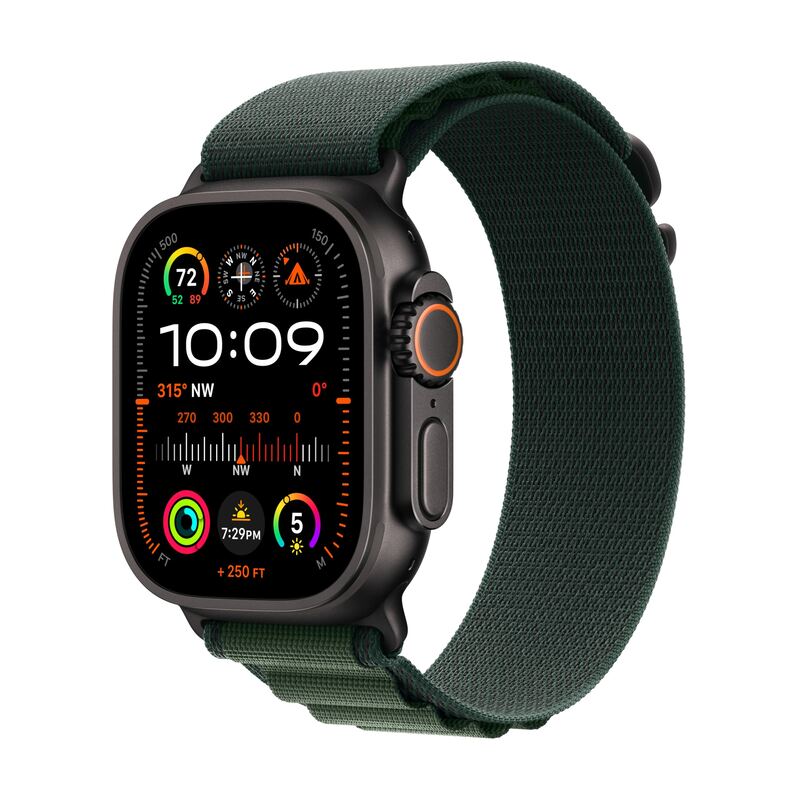
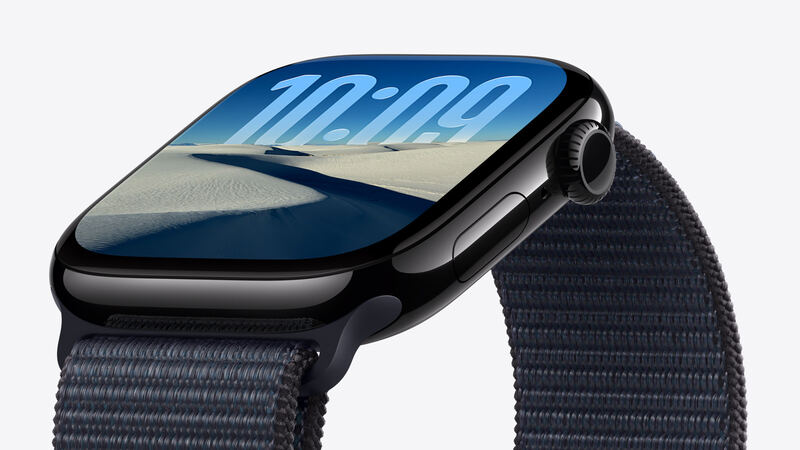
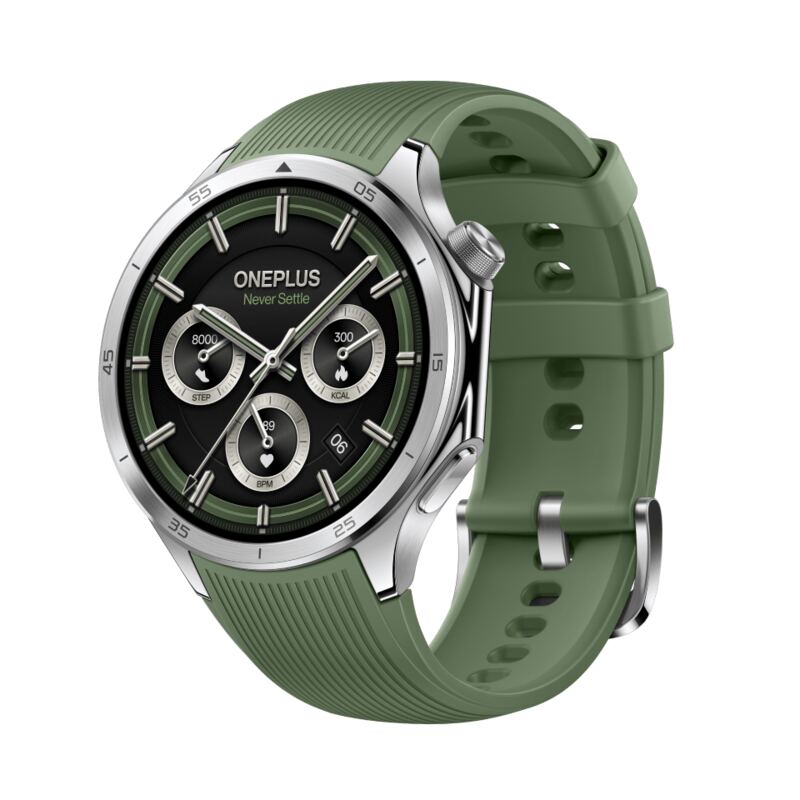
The Samsung Galaxy Watch 8 Classic stands out with its rotating bezel and elegant design, but it's significantly less comfortable than the OnePlus Watch 3, which offers a better fit despite similar size. Unlike the Apple Watch Ultra 2, it lacks ruggedization and outdoor-specific features, and while it has a polished UI, it doesn't match the Apple Watch Series 11 in terms of performance and health tracking capabilities.
Who this is for
At a glance: Design-conscious users who prioritize tactile elements.
Why you’d buy the Samsung Galaxy Watch 8 Classic
- Polished finishing with silver-and-white color scheme that is striking yet classy.
- Rotating bezel provides tactile joy with perfectly dampened clicks.
- One UI Watch is smooth, slick, and fast to respond.
Why you’d skip it
- Uncomfortable fit due to short and low lugs, flat case back, and tall bezel making it feel like an obstinate wart on the wrist.
- Large dimensions make it annoying under cuffs and difficult to wear overnight for sleep tracking.
Rating sources
Our 4.2 score is the average of these published ratings. More about methodology.