The Apple Watch Series 11 offers subtle but meaningful upgrades over its predecessor, including a notable battery life improvement, 5G support, and the addition of FDA-cleared hypertension alerts. While it maintains the familiar design and retains the same S10 chip, it introduces more reliable connectivity and enhanced durability features. The watch remains a well-rounded option, though its advantages are increasingly shared with competitors and older models.
Full review
Battery life gains are meaningful but not transformative
The Apple Watch Series 11 delivers a modest but noticeable battery life improvement over its predecessor. The 46mm model achieved approximately two days of usage in testing with sleep tracking enabled, though without exercise, while the 42mm model lasted slightly less. These gains translate to an additional six hours of runtime compared to the Series 10, which is significant enough to make a difference in daily usage. However, for runners or heavy users, the battery still falls short of dedicated sports watches, lasting only about eight hours during active use. The charging time remains consistent with previous models, requiring about 66 minutes to reach 70% with a 20W or greater charger, which is adequate for quick top-ups but not revolutionary. This incremental improvement is welcome but does not fundamentally alter the watch's role as a device requiring nightly charging for most users.
Health features show incremental advancement
The Series 11 introduces several new health tools, including FDA-cleared hypertension alerts, which use the same optical sensors as heart rate and blood oxygen monitoring. These notifications are not diagnostic but may help identify undiagnosed high blood pressure after 30 days of data collection. Sleep tracking has also been refined with a new sleep score feature, although it lacks the depth of third-party devices like the Oura Ring 4, which measures latency, sleep efficiency, and restfulness. The watchOS 26 update brings a refreshed interface with new watch faces such as Flow and Exactograph, but the core health functionality remains consistent with previous models. While features like Workout Buddy and sleep scores are now available on older models, the Series 11 still offers a polished experience for those seeking comprehensive health insights without needing to upgrade from a Series 8 or earlier.
Display durability and design updates are subtle but practical
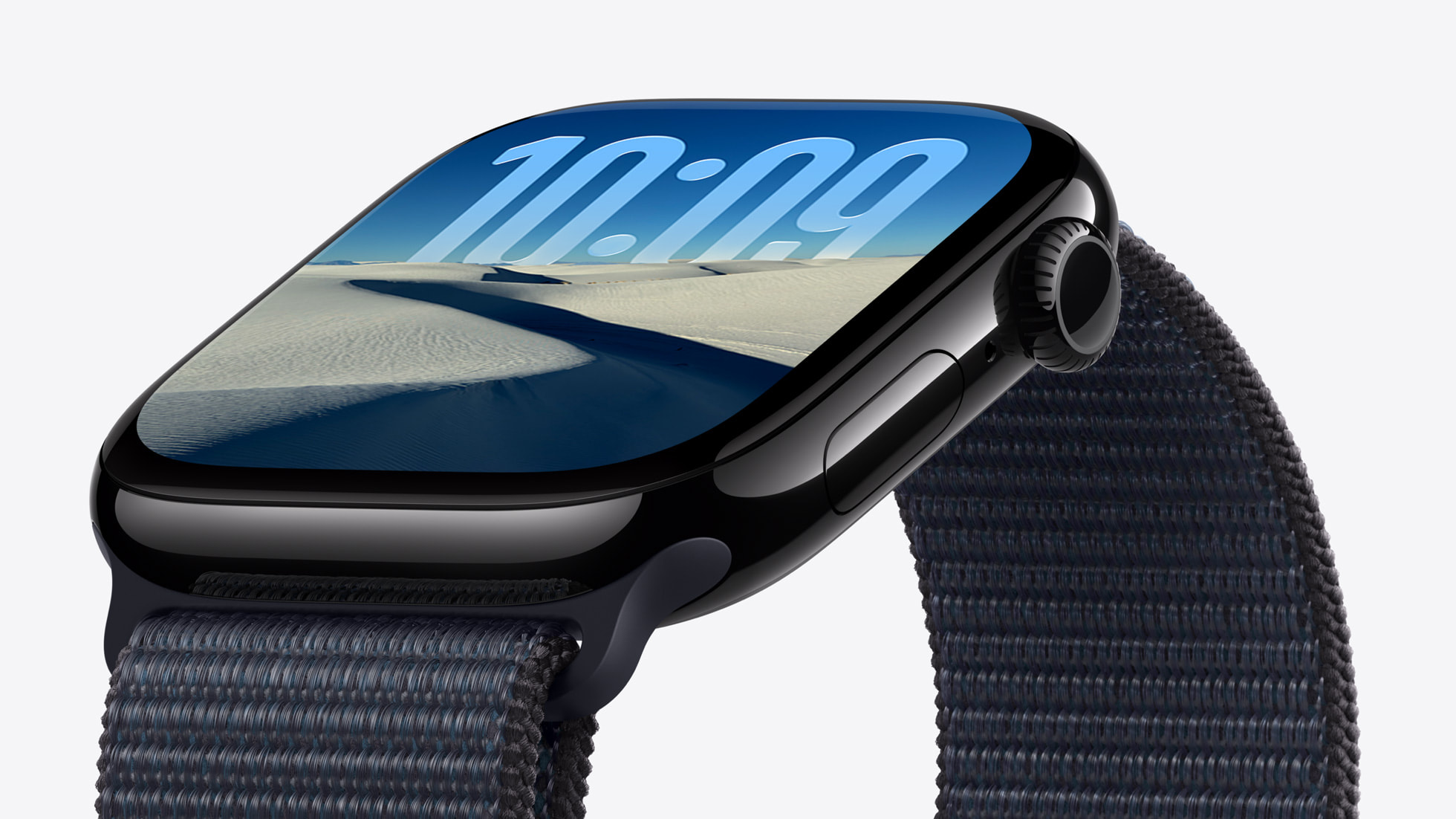
The aluminum models of the Series 11 now feature Ion-X glass that Apple claims is twice as scratch-resistant as the previous generation. During real-world testing, the display held up well under daily wear, including being jostled in backpacks and scraped against other devices. The titanium models retain sapphire crystal screens, which offer superior durability but at a higher cost. The design remains largely unchanged from the Series 10, with the same slim profile and screen sizes of 42mm and 46mm. The watch maintains its comfortable fit, with a thickness of 9.7mm that allows it to slip easily under cuffs and remain comfortable for all-day wear. The Space Grey color option returns, offering a classic look that pairs well with various bands and occasions, reinforcing the watch's versatility.
Software improvements enhance user experience
watchOS 26 brings a refreshed visual design with the Liquid Glass aesthetic, making most elements semi-translucent and offering a more modern look. New watch faces like Flow and Exactograph provide more customization options, though the Flow face, while visually appealing, can be difficult to read at a glance. The wrist-flick gesture is a practical addition that allows users to dismiss notifications or alarms with a simple wrist motion, even without raising the wrist to view the screen. This feature enhances usability for hands-free interactions. The software also includes improved integration with Apple Intelligence, although the specific benefits for users remain limited. Overall, the software update is seamless and enhances the user experience without introducing major new functionalities, maintaining the watch's reputation for fluidity and ease of use.
Limited appeal for recent upgraders
For users upgrading from a Series 8 or older model, the Series 11 offers a compelling upgrade with improved battery life, enhanced durability, and new health features. However, those who recently purchased a Series 10 may find the changes too minimal to justify an upgrade. The watch still lacks key features for dedicated runners, such as a dedicated lap button and dual-band GPS, which are found in devices like the Garmin Forerunner 165. Additionally, the battery life remains insufficient for long-duration activities compared to sports watches, and the lack of a daily readiness or energy score is a missed opportunity for those interested in recovery tracking. The upgrade is more about refinement than revolution, making it a solid choice for new buyers or those needing a polished upgrade, but less compelling for recent owners.
Connectivity and performance remain consistent
The Series 11 continues to use the same S10 chip as the Series 10, ensuring consistent performance across both models. Connectivity options include Bluetooth 5.3, Wi-Fi 4, NFC, UWB, and optional 5G support for cellular models, providing reliable network access in various environments. The GPS tracking remains accurate for most activities, though not as precise as dual-band systems found in dedicated sports watches. Heart rate tracking is reliable and comparable to previous models, with some improvements noted in accuracy during exercise. The watch maintains its seamless integration with iOS, offering a cohesive experience for iPhone users. While the hardware remains largely unchanged, the software updates and connectivity enhancements contribute to a more robust and future-proof device.
Price and positioning in the market
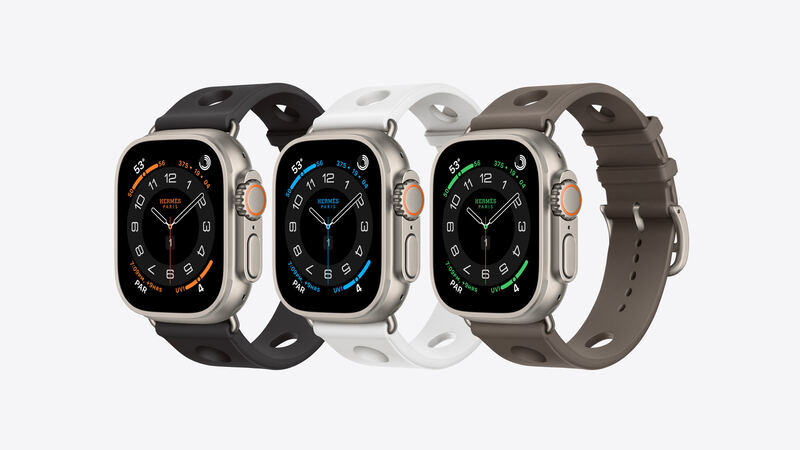
The Apple Watch Series 11 is priced at $399 in the US, with a slight reduction to £369 in the UK compared to the Series 10's original launch price. This places it in the middle tier of Apple's smartwatch lineup, positioned between the more affordable Apple Watch SE 3 and the rugged Apple Watch Ultra 3. For users seeking a balance of features, durability, and integration with iOS, the Series 11 remains a strong option. However, the lack of significant hardware improvements means that those upgrading from a Series 10 may find the upgrade less compelling. The watch's value proposition is strongest for new buyers or those looking for a polished upgrade from older models, rather than for recent purchasers who might find the changes too incremental to warrant a replacement.
Strengths
- +FDA-cleared hypertension notification feature
- +24+ hour battery life with fast charging
- +5G and more reliable cellular connectivity
- +More scratch-resistant aluminum screen
- +Refreshed WatchOS 26 interface with new watch faces
Watch-outs
- −Same S10 chip as previous model
- −No dual-band GPS support
How it compares
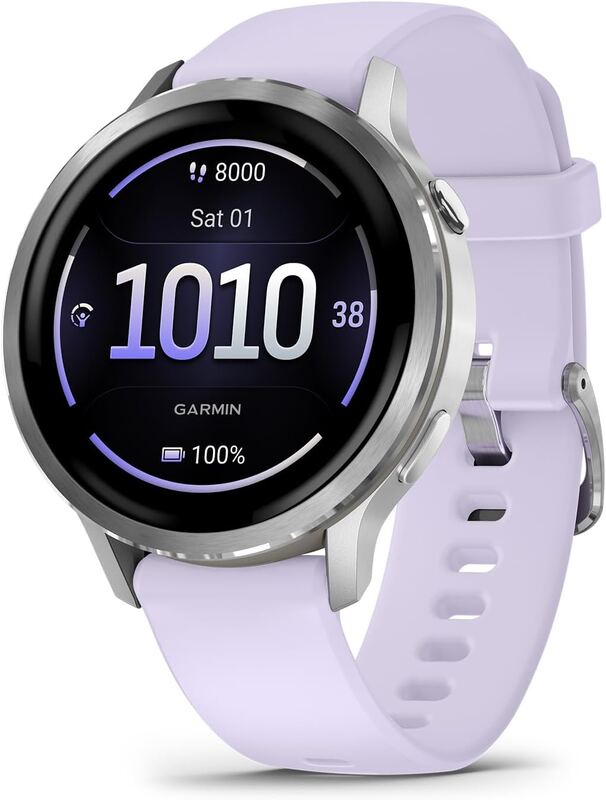
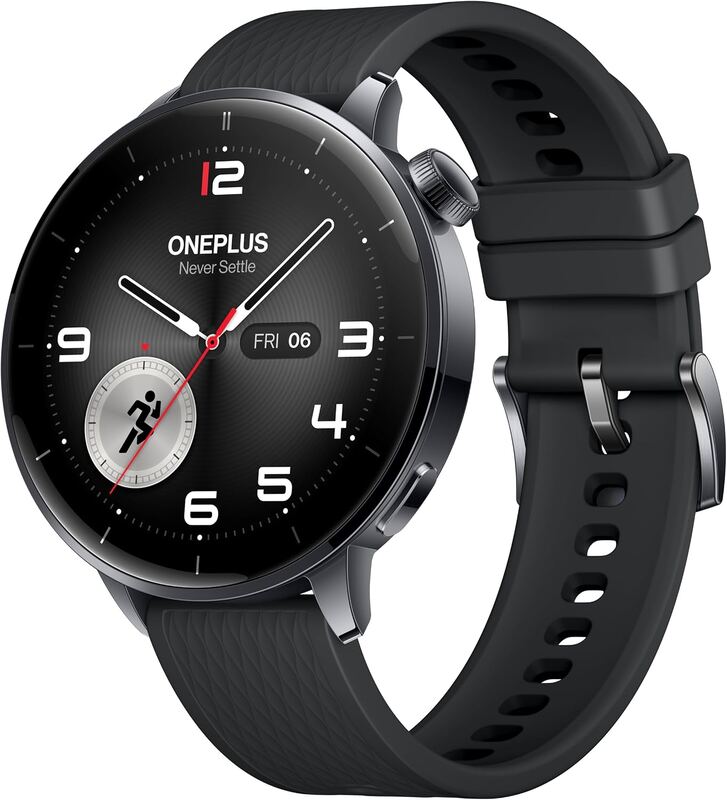
The Apple Watch Series 11 improves battery life and adds 5G connectivity, but it's held back by the unchanged S10 chip, unlike the OnePlus Watch 3 which uses a dual-chipset system for optimized power consumption. Compared to the Garmin Venu 4, it lacks advanced recovery metrics like Body Battery, and while it offers better software updates than the Apple Watch SE 3, it doesn't match the SE 3's affordability. The Pixel Watch 4 also offers more battery life but without the ecosystem integration that the Series 11 provides.
Rating sources
“The Apple Watch Series 11 is not as sporty a smartwatch as the Apple Watch Ultra 3, but its still a strong option for runners who want a small, lightweight smartwatch that offers reliable run tracking.”
Our 4.3 score is the average of the 4 scored reviews above; 3 more reviewed it without printing a score and are not in the average. Ratings marked * were derived from the reviewer’s written analysis or video transcript — the publisher didn’t print an explicit numeric score, so we inferred one from their own words. Click through to verify. More about methodology.