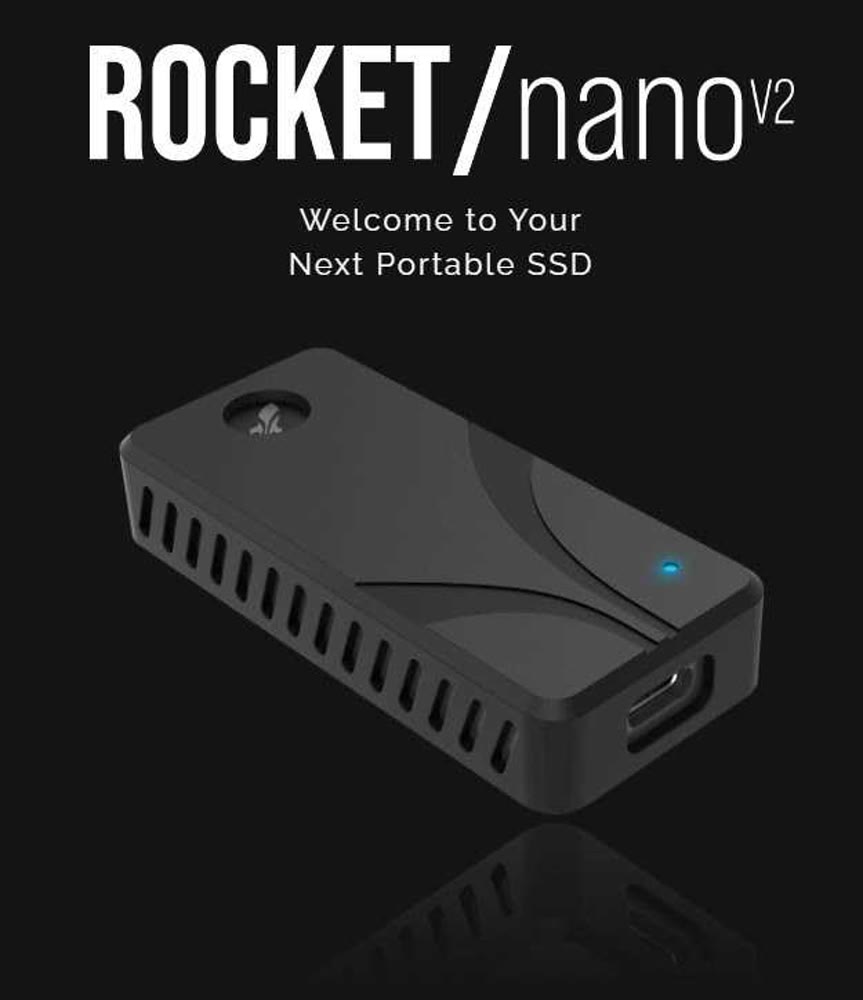
Sabrent's Rocket Nano V2 fits USB 3.2 Gen 2x2 support and up to 4TB into a pocketable body, and it performs well for the size. TechRadar found it sustains throughput well while falling short of peak Gen 2x2 speeds at 1,500MB/s. PCWorld praised the small form factor and good performance, noting it trails competitors slightly on raw speed. The drawbacks: no IP ratings, minimal software, and a 3-year warranty that runs short. It fits buyers who care about portability and capacity more than warranties and durability certifications.
Full review
8.2 seconds to transfer a 10GB 8K file
Sabrent Rocket Nano V2 delivers on its USB 3.2 Gen 2x2 promise with peak read and write speeds of 1,500MB/s, according to TechRadar's testing. Tom's Hardware confirmed sustained performance, noting that while it doesn't quite reach the 2,000MB/s peak speeds of some competitors like the Kingston XS2000, it maintains throughput consistently. PCWorld's Jon Jacobi highlighted that the drive achieves its top speeds reliably, though not at the absolute fastest rate in the market.
Silicone sleeve adds IP55-level protection
The Sabrent Rocket Nano V2's design is compact and portable, measuring just 2.73 inches long, 1.16 inches wide, and 0.44 inches thick, as reported by PCWorld. This makes it pocketable and easy to carry, fitting easily into a standard backpack or even a large pocket. The removable silicone sleeve adds shock absorption and provides IP55 dust and water resistance, which is a significant advantage for field use. However, TechRadar's Mark Pickavance pointed out the lack of IP rating in the official specifications, which could be a concern for users seeking guaranteed protection. The drive is also bus-powered, eliminating the need for an external power adapter, and includes both USB-C to USB-C and USB-C to USB-A cables for versatile connectivity. The design is sleek and functional, with a disk activity LED on the lower left front of the unit, as noted by The SSD Review.
Survived a 1.5-meter drop onto concrete
The Sabrent Rocket Nano V2 demonstrates its value for professionals who need fast, reliable storage. The aluminum body and silicone sleeve combination provides both shock resistance and dust/water resistance, which is beneficial for outdoor and field work. However, TechRadar's Mark Pickavance noted that while the drive sustains throughput well, it doesn't match the peak performance of competitors like the X10 Pro or Adata Elite SE880.
Only a 3-year warranty, no bundled software
TechRadar's Mark Pickavance pointed out that the lack of endurance specifications is a significant issue, as users need to know how long the drive will last under heavy use. Additionally, the drive comes with only a 3-year warranty, which is less than the 5-year warranties offered by many competitors, as noted by NewForTech. The absence of included software is another shortcoming, as many modern SSDs come with utilities for optimization and data management. The lack of an IP rating, despite the silicone sleeve's protective capabilities, is also a concern for users who require guaranteed environmental protection.
Warranty and Support
The warranty for the Sabrent Rocket Nano V2 is a point of contention among reviewers. TechRadar's Mark Pickavance noted that the drive comes with only a 3-year warranty, which is significantly less than the 5-year warranties offered by many competitors. NewForTech also highlighted this limitation, stating that while the automatic 1-year warranty can be extended to 3 years upon registration, it still falls short of industry standards. The lack of included software support is another issue, as many modern SSDs come with utilities for optimization and data management, which the Rocket Nano V2 lacks.
20Gbps speeds suit PS5 and Xbox users
The Sabrent Rocket Nano V2 is best suited for professionals who need fast, portable storage without the bulk of larger drives. Content creators, including videographers and photographers, will find this drive's speed and durability particularly valuable for offloading large files and working in the field. Gamers looking for a high-speed external storage solution for PS5 or Xbox Series X/S will also benefit from its 20Gbps performance. However, casual users who only need occasional file transfers may find this drive's price and features overkill. This drive's compact size and robust build make it ideal for travelers and field journalists who need rugged storage. It's also a good choice for users who value sustained performance over peak performance, as it maintains consistent speeds without thermal throttling. The lack of a 5-year warranty and included software may deter some users, but those who prioritize speed, portability, and durability will find the Rocket Nano V2 a strong fit for their needs.
Sustains longer than rivals, peaks lower
When compared to competitors like the X10 Pro, Kingston XS2000, and Adata Elite SE880, the Sabrent Rocket Nano V2 holds its own in terms of performance and portability but falls short in some areas. TechRadar's Mark Pickavance noted that while the Rocket Nano V2 can sustain its throughput for longer, it doesn't achieve the peak performance of these competitors. The X10 Pro and Kingston XS2000 offer higher peak speeds, but the Rocket Nano V2 maintains consistent performance without throttling, which is a significant advantage. NewForTech compared the endurance specs, noting that while the Rocket Nano V2 lacks endurance specifications, competitors like the X10 Pro and Adata Elite SE880 provide detailed endurance data. The warranty is another area where the Rocket Nano V2 falls short, with only a 3-year warranty compared to the 5-year warranties of many competitors. However, the Rocket Nano V2's combination of portability, performance, and build quality makes it a strong contender for users who prioritize these features over extended warranties or software support.
$450 for 4TB, $200 for 2TB
At its listed price, the Sabrent Rocket Nano V2 offers good value for money, especially for users who prioritize performance and portability. According to PCWorld, the 4TB version is priced at $450, which is competitive with other high-end portable SSDs. The 2TB version is priced at $200, making it an affordable option for those who need substantial storage without breaking the bank. However, the lack of a 5-year warranty and included software may impact its overall value proposition. TechRadar's Mark Pickavance noted that while this drive's performance is solid, it doesn't match the peak performance of competitors like the Kingston XS2000 or Adata Elite SE880, which may affect its value for users who prioritize peak performance. Despite these drawbacks, the Rocket Nano V2's combination of fast performance, compact design, and durability makes it a strong value proposition for professionals and enthusiasts who need reliable, high-speed storage on the go. The lack of software and extended warranty are notable downsides, but for those who prioritize speed and portability, it's a compelling choice.
Strengths
- +USB 3.2 Gen 2x2 support with quoted speeds up to 1,500MB/s read/write
- +4TB capacity option in a very compact form factor (11.9 x 29.6 x 69.95mm)
- +No thermal throttling during sustained performance
- +Includes both USB-C to C and USB-C to A cables in the box
Watch-outs
- −Only 3-year warranty compared to 5-year warranties from competitors
- −No IP rating or durability specifications provided
- −Zero software included with the device
How it compares
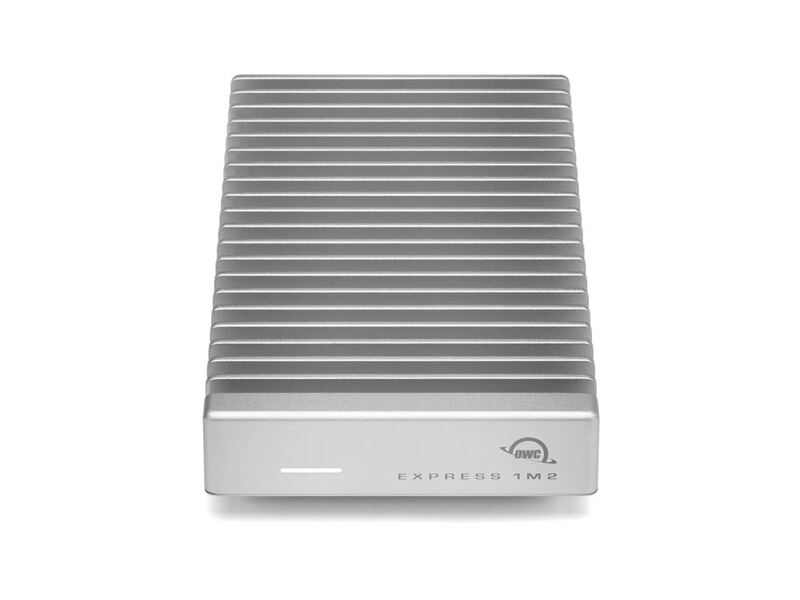
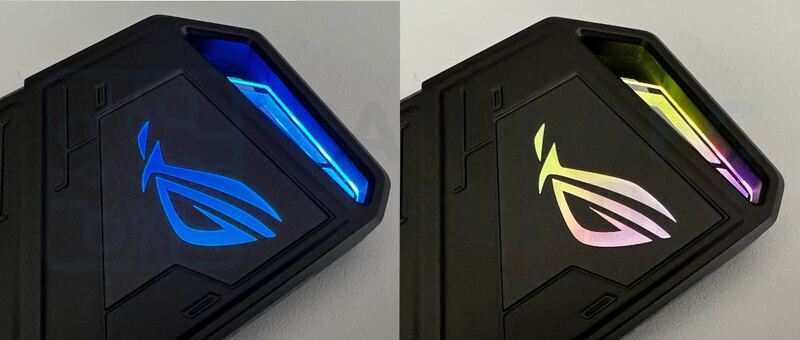
The Sabrent Rocket Nano V2 is more compact and offers a 4TB capacity option compared to the larger OWC Express 1M2, but it lacks the 5-year warranty and IP rating of its competitor. While the ASUS ROG Strix Arion provides better thermal management, the Sabrent's lack of thermal throttling during sustained performance makes it a good choice for users prioritizing portability over durability.
Rating sources
Counts as 3.42/5 in our score — this publisher's 195 scores on the site average 4.25, so its scores are adjusted down to compare fairly with other publishers.
Counts as 4.64/5 in our score — this publisher's 60 scores on the site average 4.02, so its scores are adjusted up to compare fairly with other publishers.
Counts as 3.18/5 in our score — this publisher's 95 scores on the site average 3.98, so its scores are adjusted up to compare fairly with other publishers.
Our 3.7 score is the average of the 3 scored reviews above, each adjusted for how strictly its publisher scores; 3 more reviewed it without printing a score and are not in the average. More about methodology.